
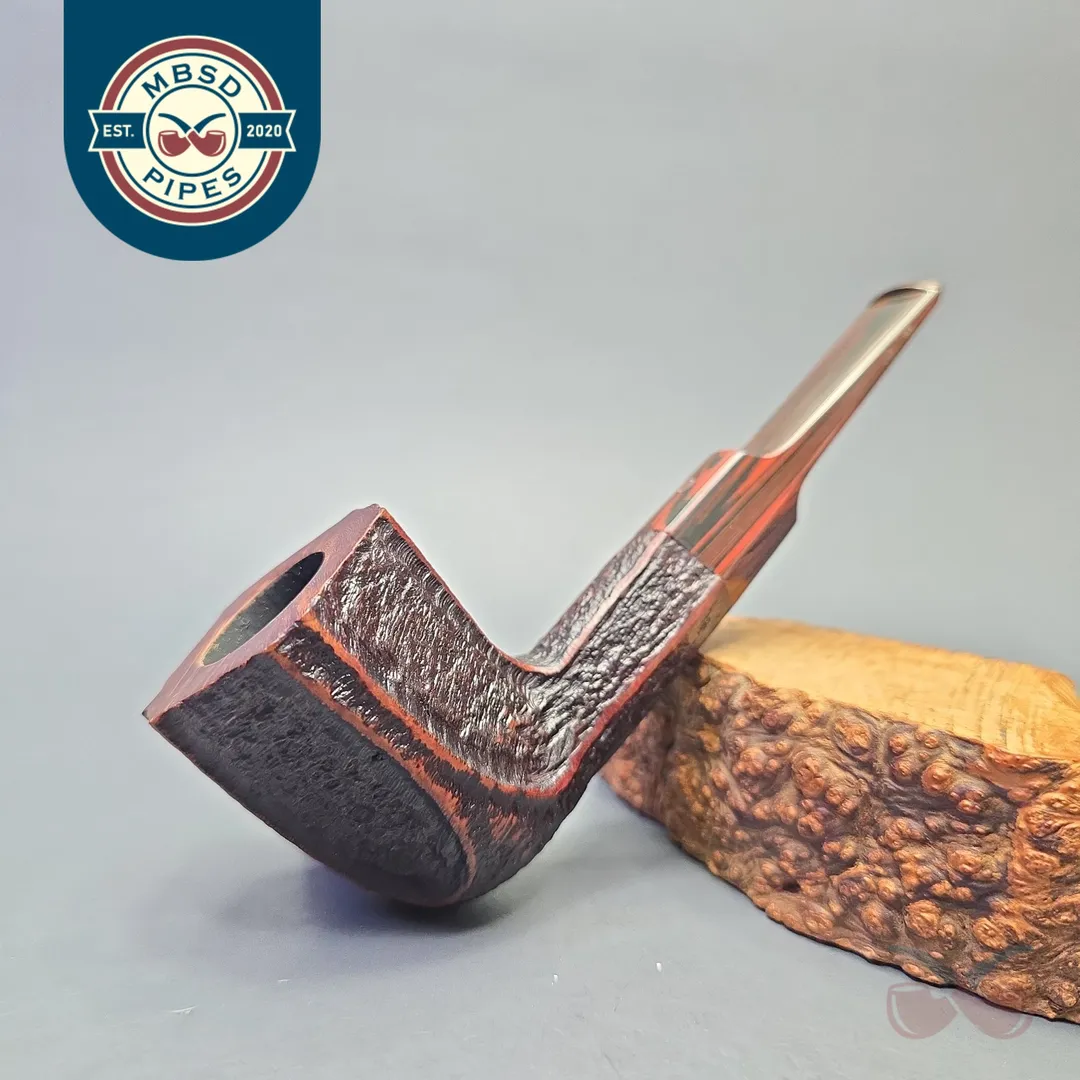
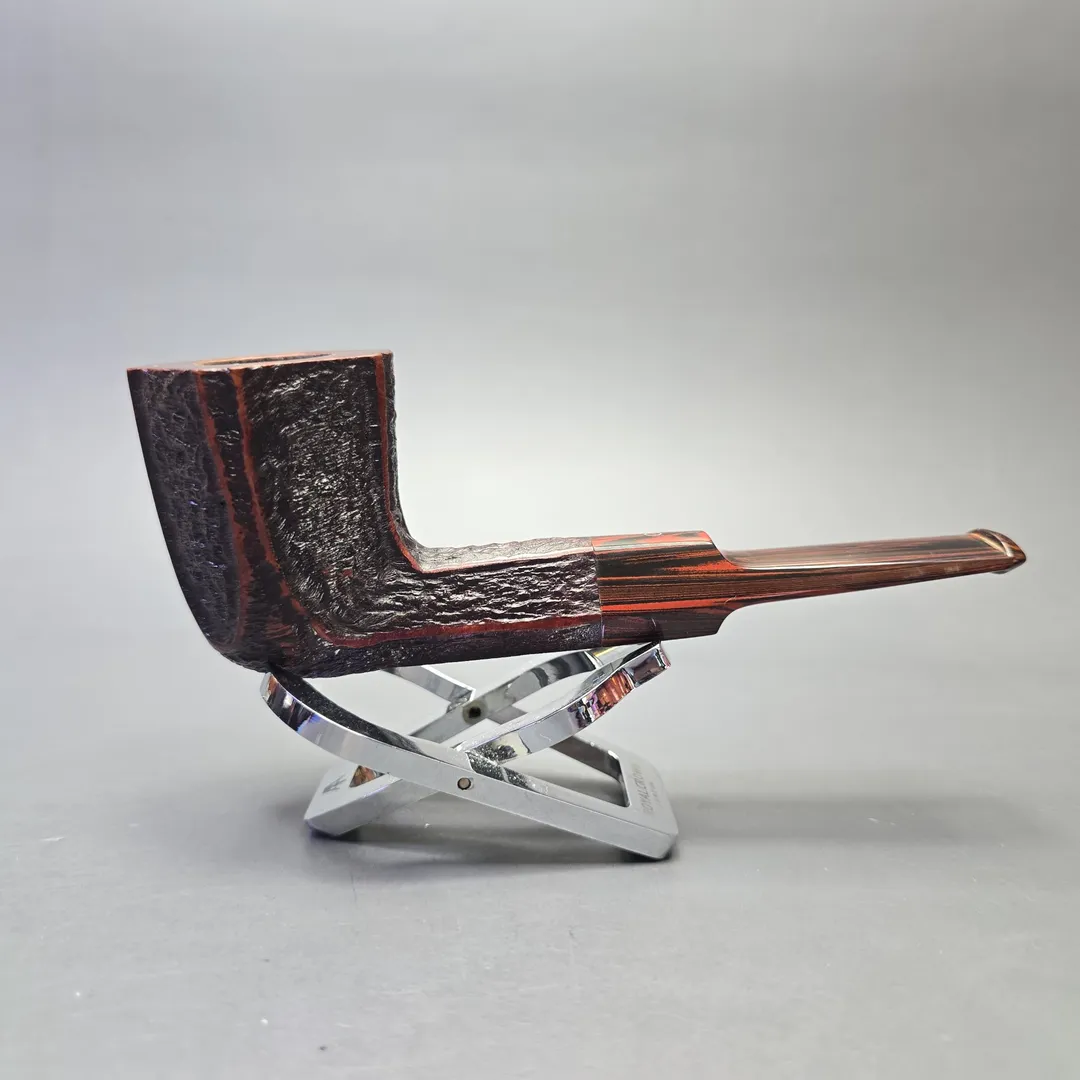
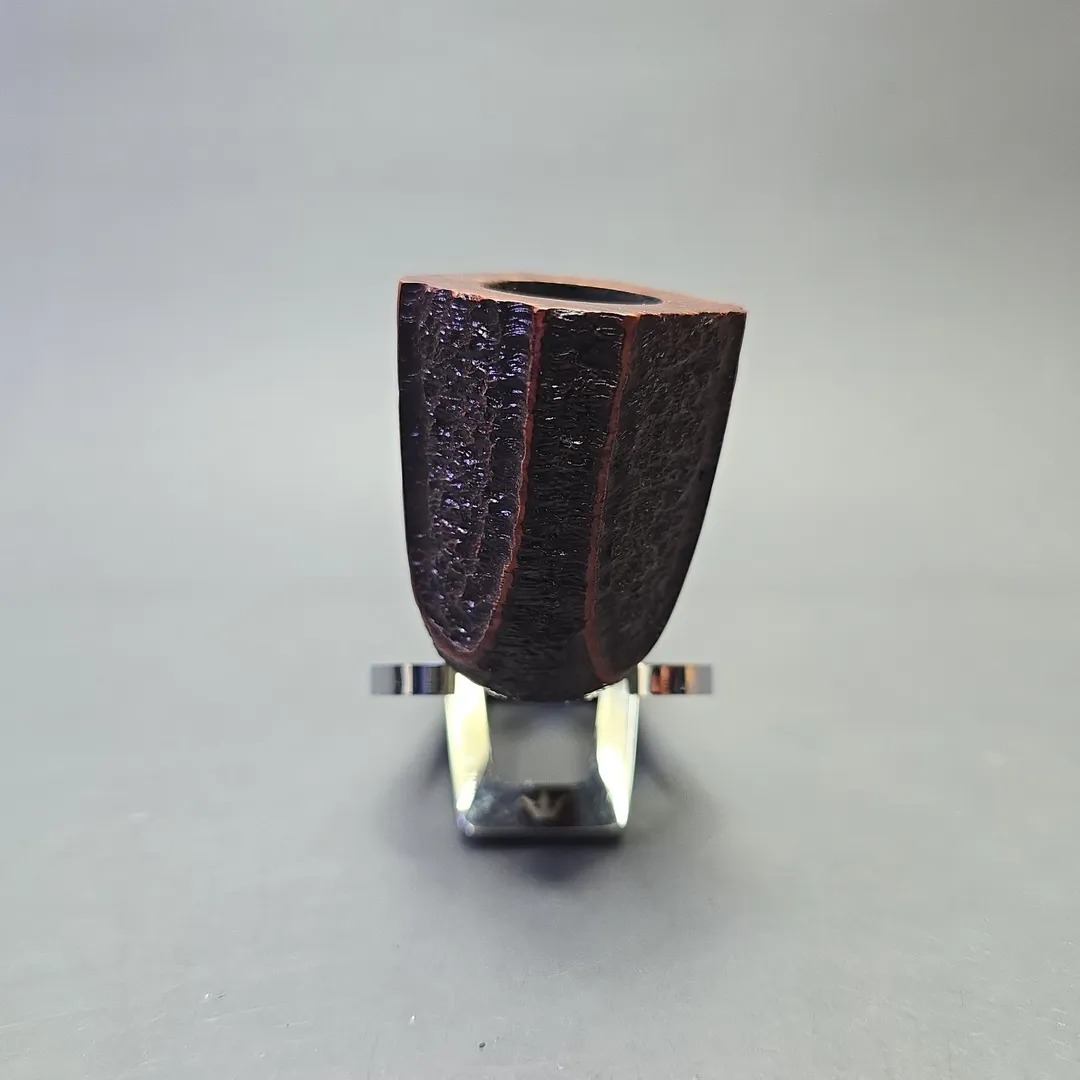
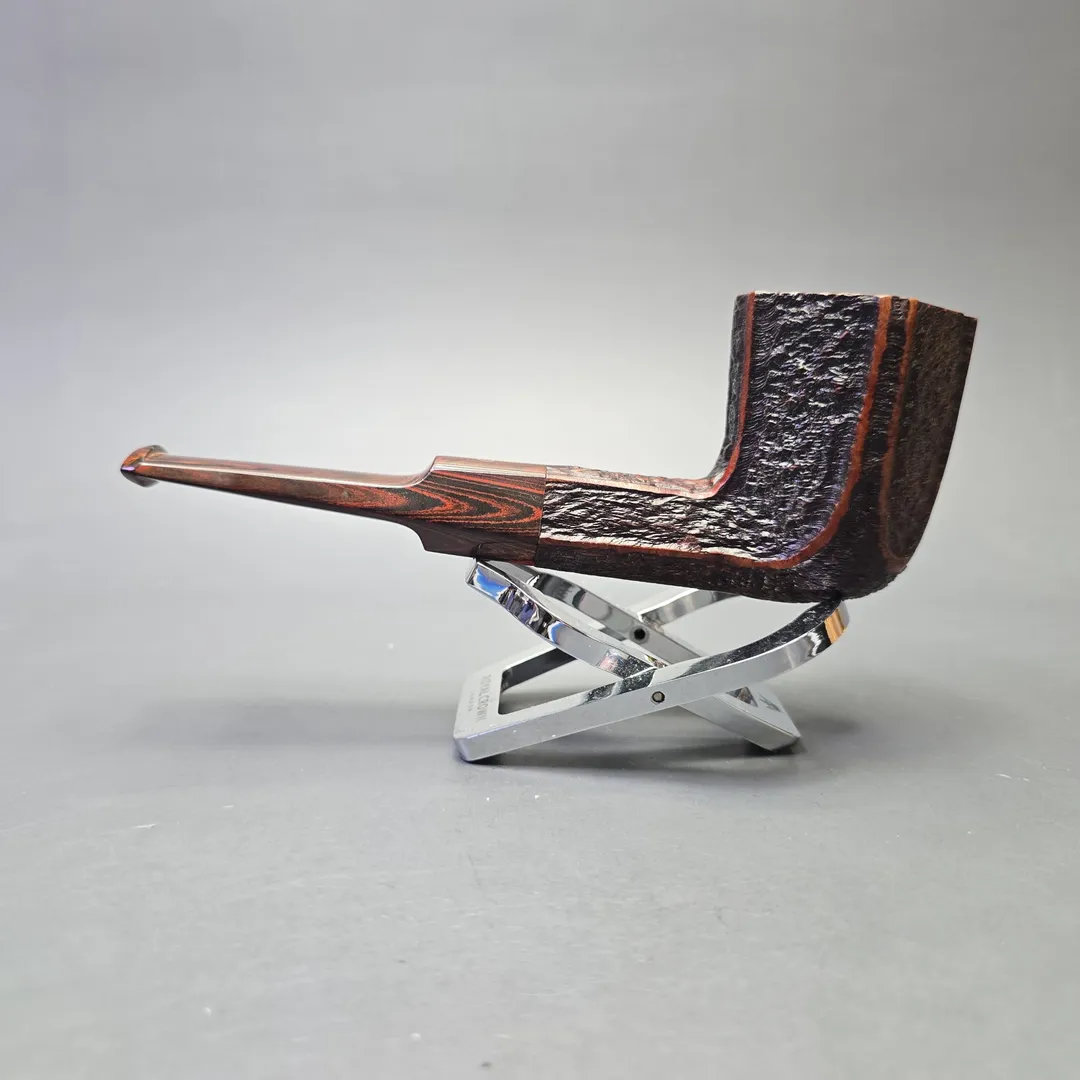
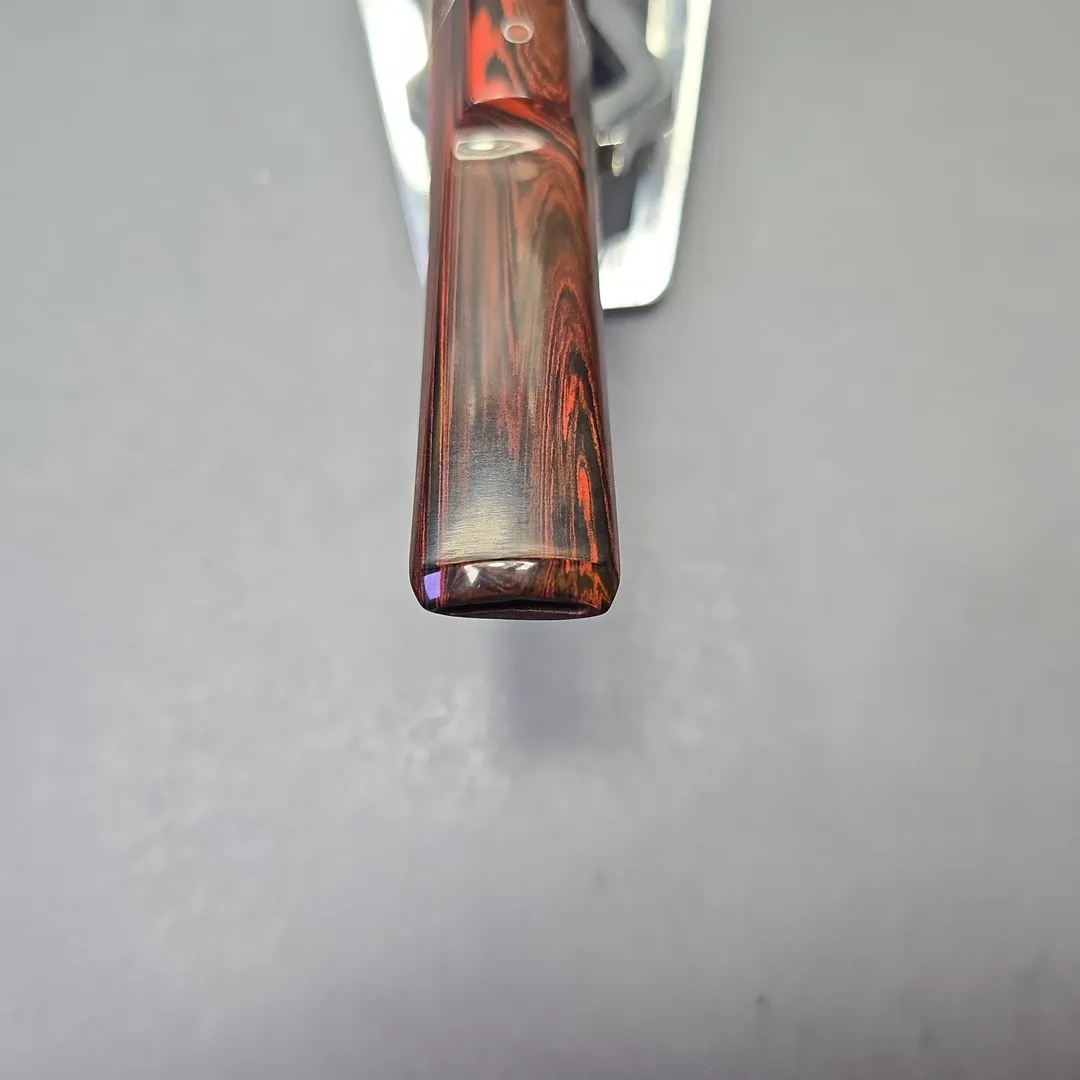
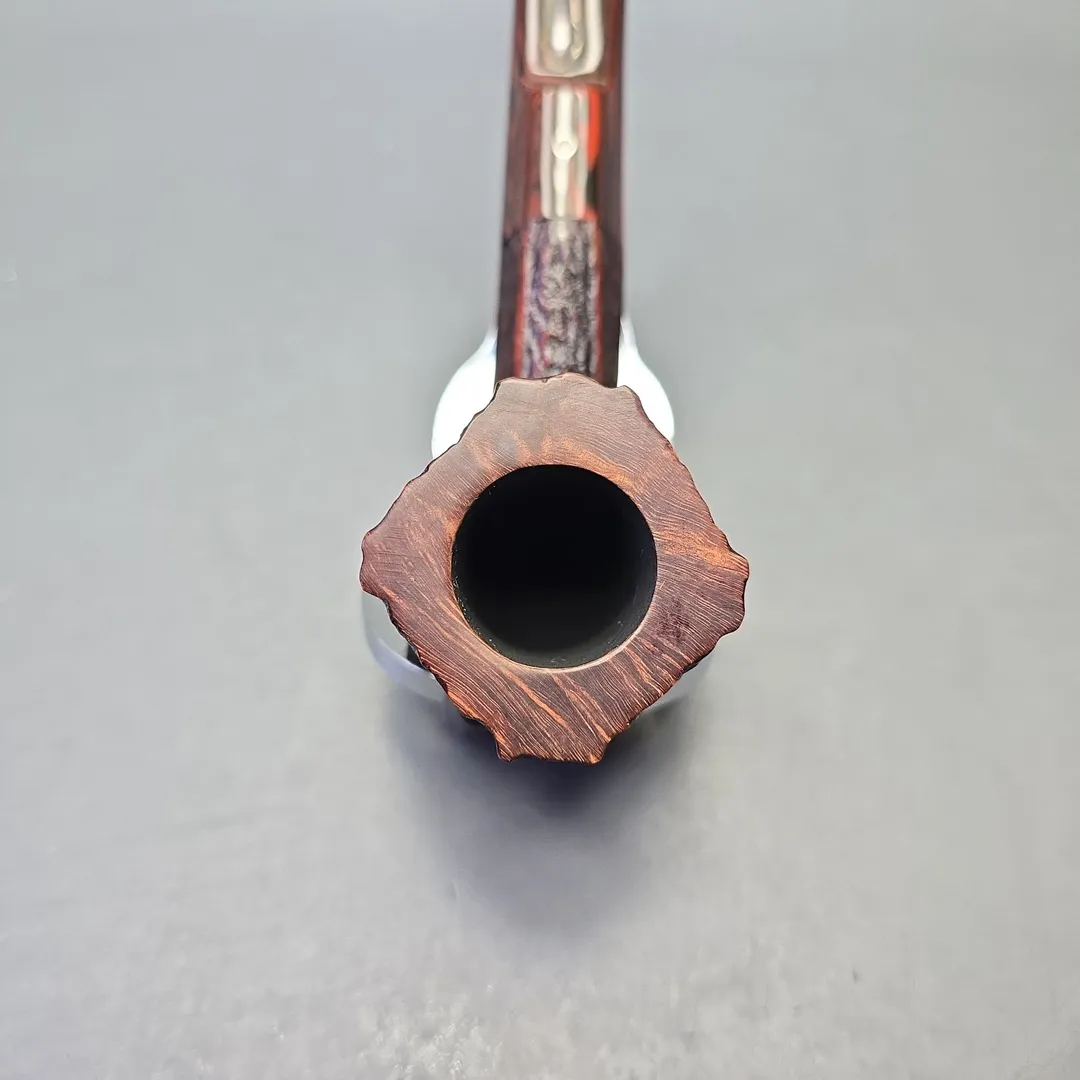
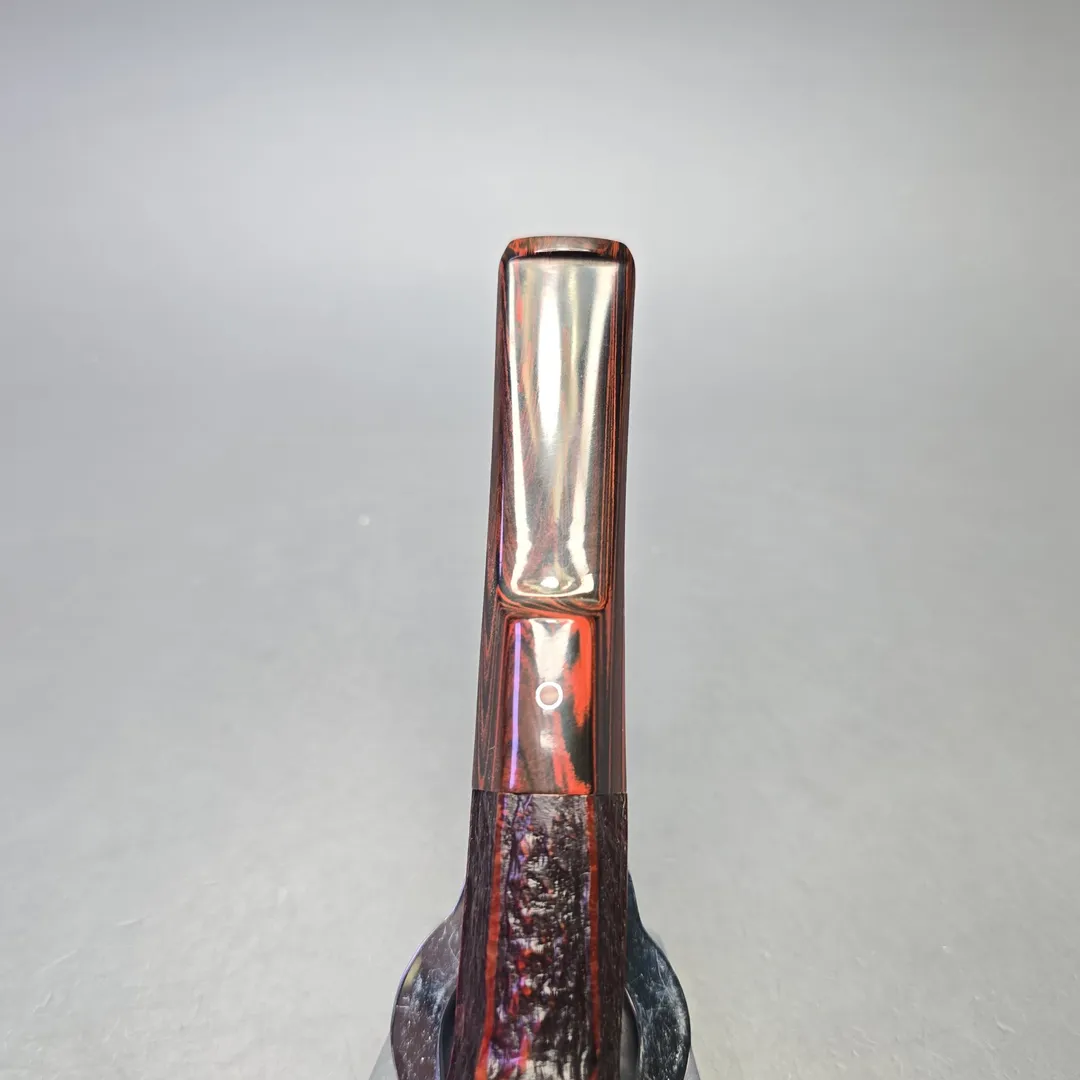
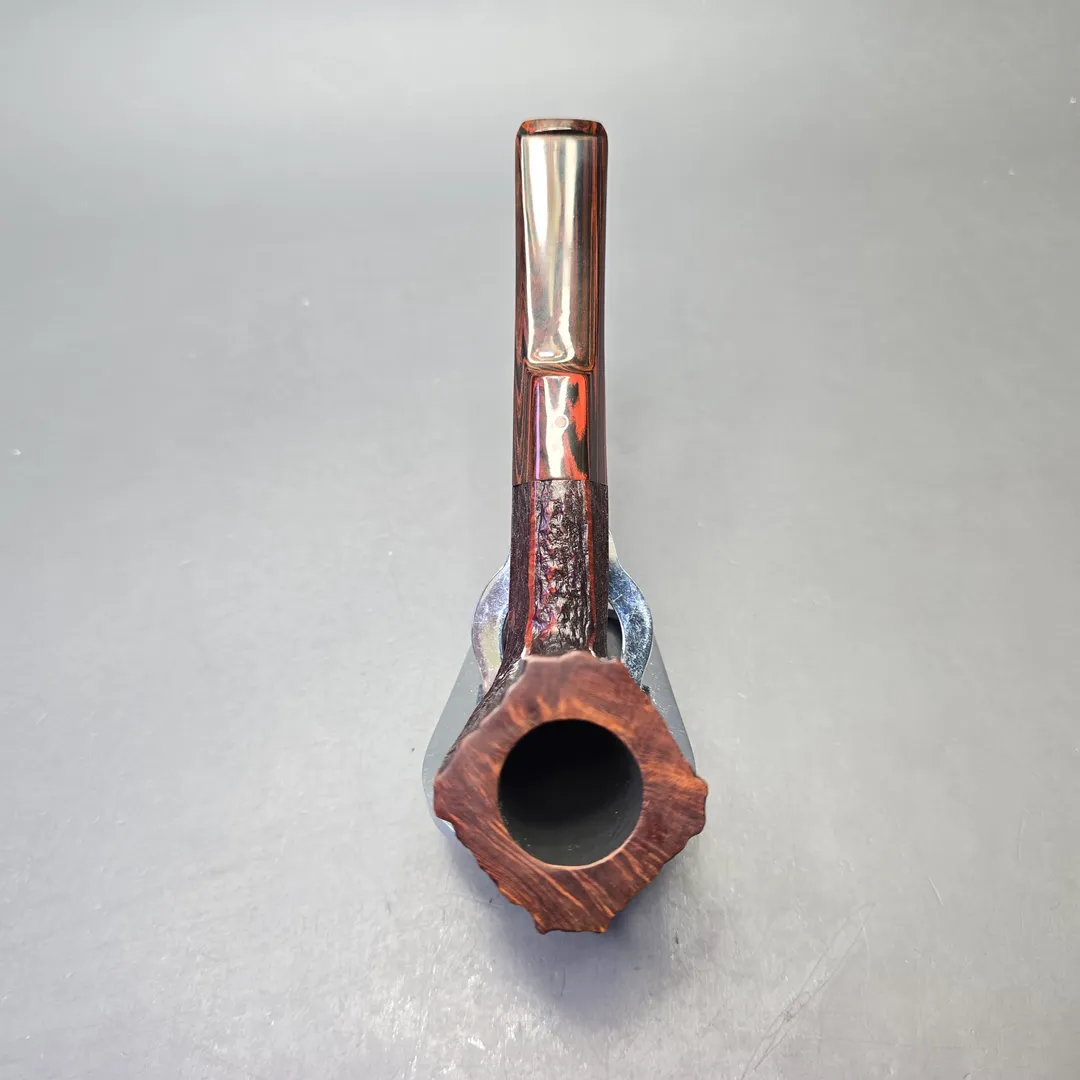
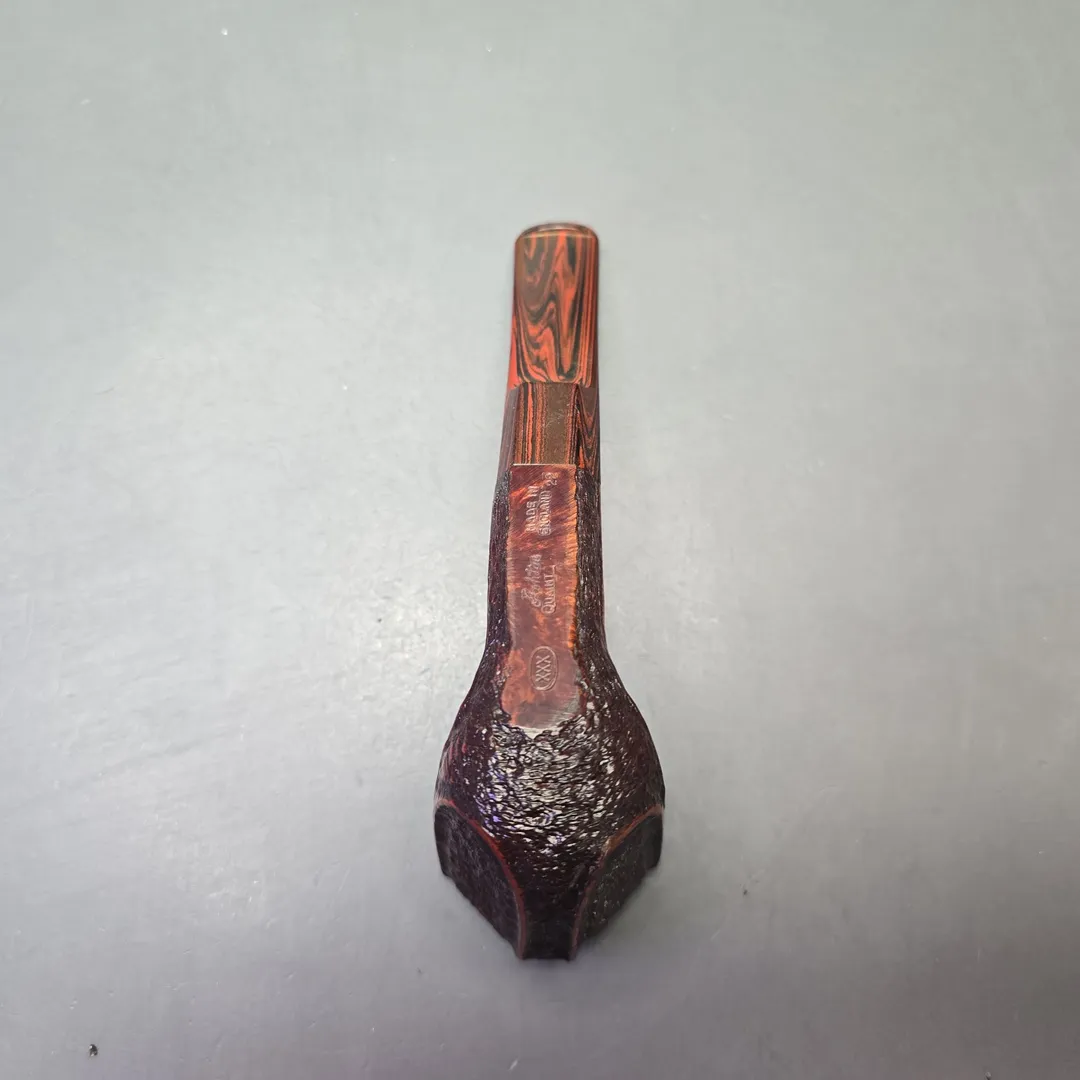
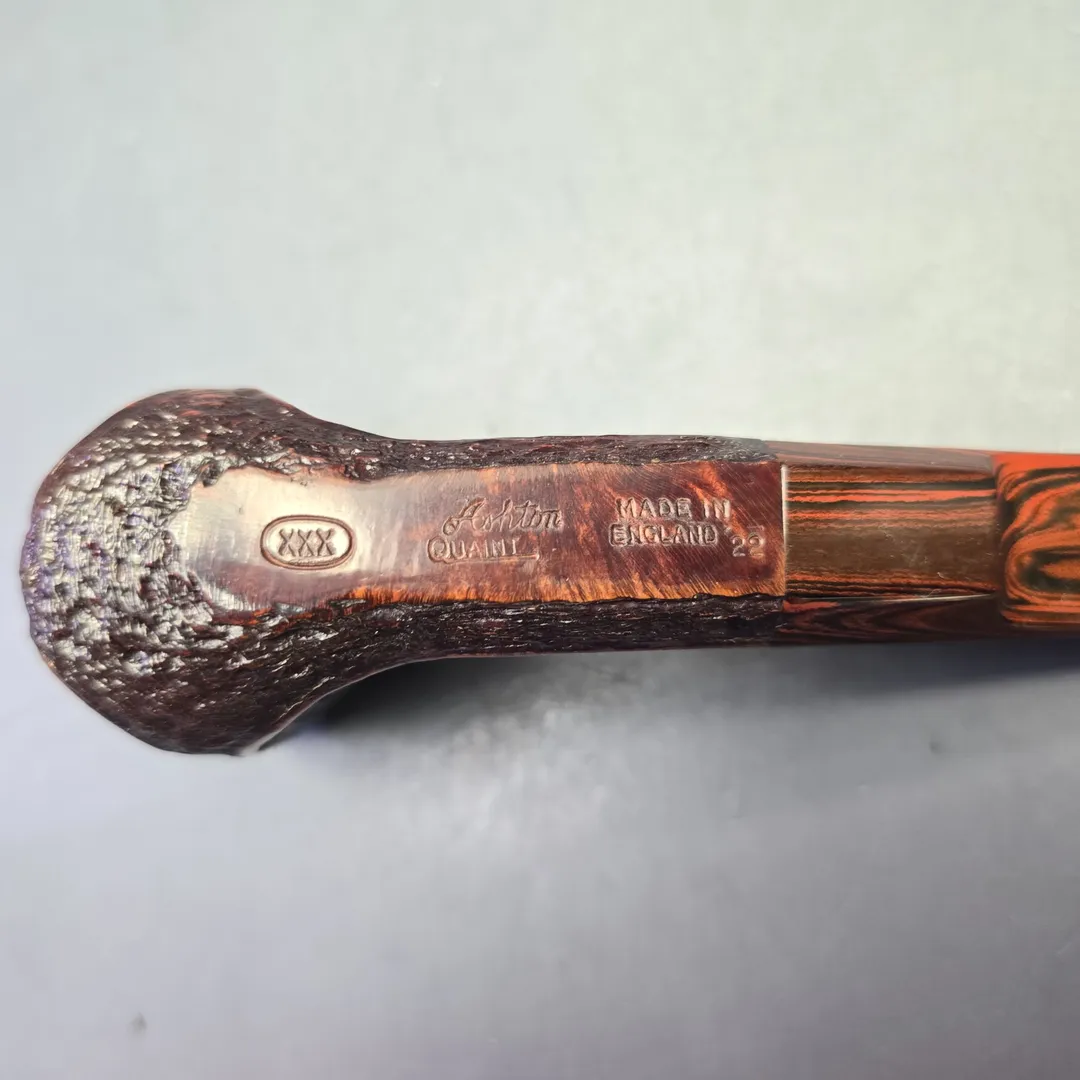
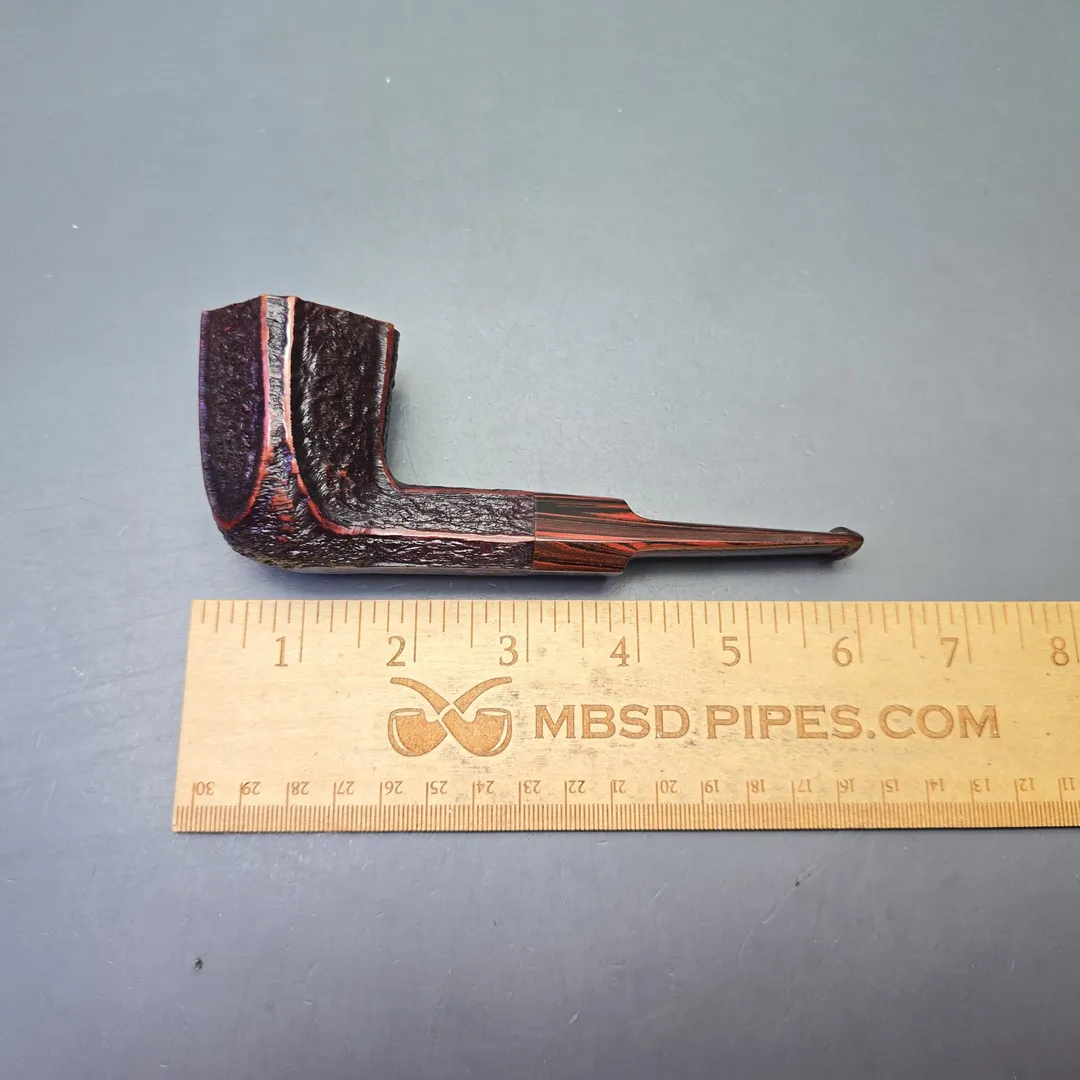
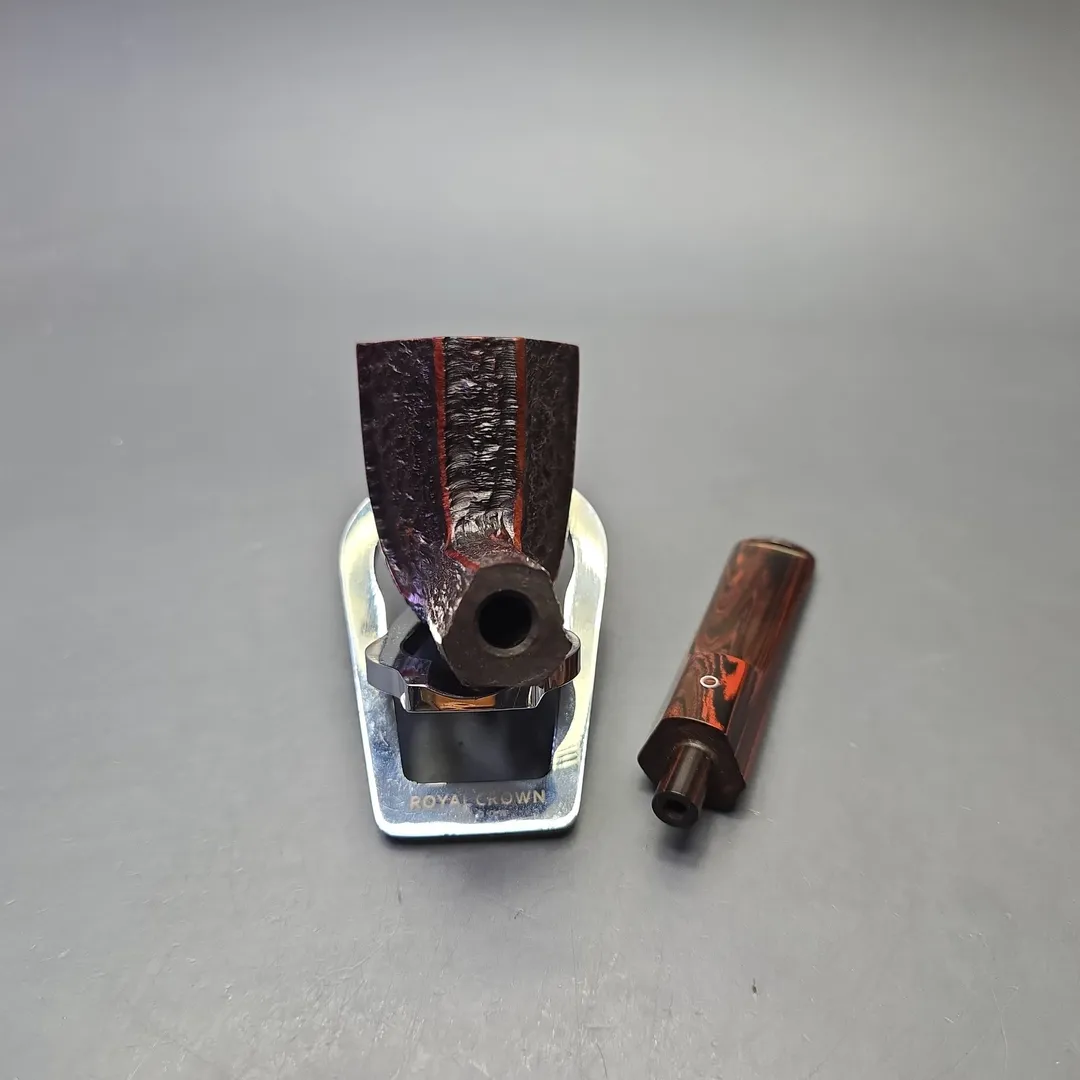
Ashton (2002) Quaint Rusticated Panel Billiard (Estate)
$350.00
1 in stock





Ashton is an English pipe brand, one originally created by William Ashton Taylor. Taylor worked at Dunhill from an early age, becoming one of the company’s most accomplished pipe makers. But Taylor was also one of a number of craftsmen and women who left Dunhill in the 1970s and 1980s, hoping to create something of their own. After experimenting with a couple of different projects, Taylor ultimately founded Ashton, a workshop for high-end, handmade pipes staffed by himself and other industry veterans like Frank Lincoln and Sid Cooper. Later, Taylor’s team were joined by another Dunhill alumnus, Jimmy Craig, who would take over the running of the workshop after Taylor’s sudden passing in 2009. Along with other workshops, such as Ferndown and James Upshall, Ashton would play a decisive role in the emergence of a new English high-grades scene in the late 20th century and beyond.
Within the English pipe making tradition, so-called “Quaint” shapes are designs that are a little outside of the norm, but which remain recognizably traditional, adhering closely to the established conventions of form set out in the late 19th and early 20th century. In other words, they’re classically oriented, but less likely to be found on a factory or workshop’s shape charts, unlike, say, a billiard or a bulldog.
How a Quaint comes into being has historically varied from make to make, though it tends to be the case that the briar itself has an input on the pipe it becomes. Dunhill’s Quaint shapes are said to have been made when the grain patterns of a given block appear especially well suited to becoming one form or another; the Quaints of Barling, on the other hand, were created by carving away at imperfections in a stummel via a very fine form of “chicken scratch” rustication, with the resulting form being what remained after the imperfections were removed.
Though Bill Taylor originally worked at Dunhill, the Quaint shapes made during his tenure at Ashton’s helm display a variety of approaches to crafting Quaints, with others seeming more in the “Dunhill style,” and others being far more reminiscent of other classic English design philosophies, including the Barling family’s. This one was made back in 2002, during the final years that Taylor stewarded the Ashton workshop, and it is striking how much it recalls the latter’s creations during the first half of the 20th century, especially given how fine the rusticated finish it wears is. On the other hand, it is also quite unique, with the aforementioned rustication looking like it might have been sandblasted in tandem with its hand-carving, which Taylor was known for doing from time to time.
The condition is good. Some general finish fading and some oxidation on the pipe’s mouthpiece.
Details:
Length: 5.78″ / 146.8mm
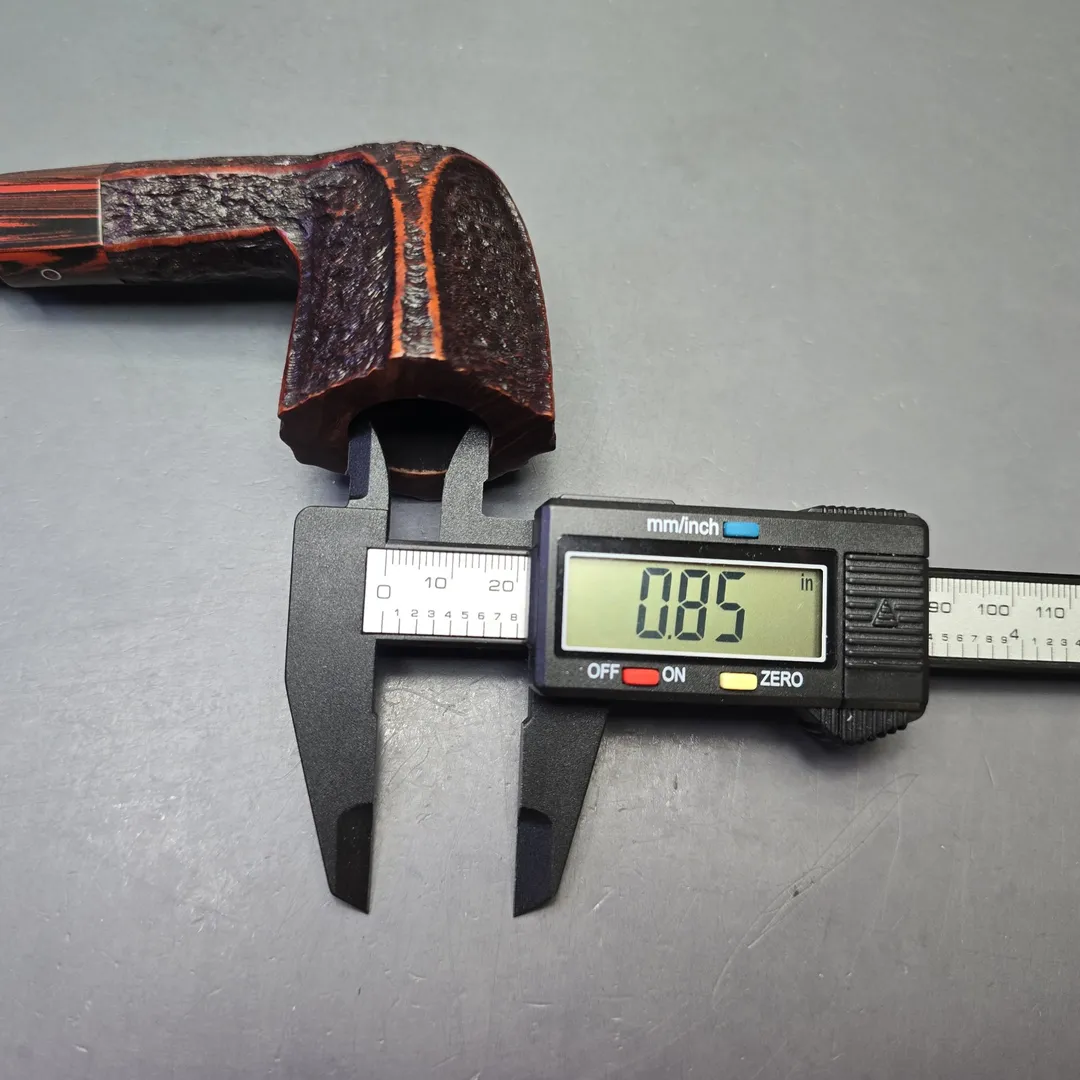
Chamber Width: 0.85″ / 21.59mm
Chamber Depth: 1.78″ / 45.21mm
Bowl Height: 2.10″ / 53.34mm
Weight: 2.0oz / 58g
| Weight | 15 oz |
|---|
| Condition | Used |
|---|---|
| Notes | Refurbished. |


