Antique Pipes

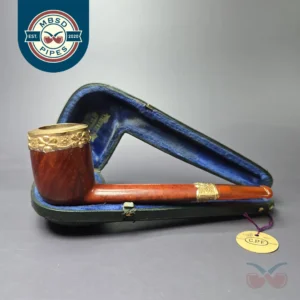
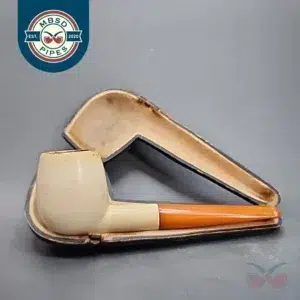
Antique tobacco pipes offer a tangible connection to the history of pipe making and collecting. MBSD’s changing selection may include briar, meerschaum, Bakelite, and other pipes dating from the 19th and early 20th centuries, with examples from makers such as CPF, KBB, WDC, Astley’s, Comoy’s, Sasieni, and other historic workshops.

These pipes display materials and construction techniques rarely encountered in modern production. Depending on availability, collectors may find genuine amber stems, early synthetic materials, fitted cases, silver or gold mounts, carved meerschaum, unusual engineering, and shapes that reflect the design traditions of their period. Some remain unsmoked, while others show the character acquired through generations of ownership.

Antique pipes sold by MBSD are classified as estate pipes because they come from collectors, estates, or other secondary-market sources. Each listing provides detailed photographs and available information about the pipe’s maker, estimated age, materials, markings, condition, and any known repairs or alterations. Buyers should review these details carefully, as every antique tobacco pipe is a unique historical object.

Showing all 43 resultsSorted by latest

Antique Pipes Tobacco Pipe FAQ

MBSD generally uses the term “antique” for pipes of exceptional age, particularly examples dating from the 19th and early 20th centuries. Because manufacturing records are not always available, some pipes are assigned an estimated date based on their markings, materials, construction, and historical context.

“Antique” describes a pipe’s age, while “estate” describes its provenance. Antique pipes acquired from collectors, estates, or other secondary-market sources are also estate pipes. A pipe does not need to have been smoked to be classified as an estate pipe.

At MBSD, classification is determined by how a pipe entered our inventory—not simply by whether it was smoked. An unsmoked antique pipe obtained through the secondary market is therefore listed as an unsmoked estate pipe.

Dating may involve examining maker stamps, hallmarks, patent numbers, country-of-origin marks, stem logos, fitted cases, construction methods, and historical catalogs. When an exact year cannot be confirmed, MBSD provides the most supportable estimated period.

Antique pipes may be made from briar, meerschaum, Bakelite, or other traditional and early synthetic materials. They can also feature genuine amber or vulcanite stems, Redmanol components, silver or gold mounts, decorative filigree, windcaps, and fitted cases. Threaded bone tenons were also commonly used to connect the stem and shank, particularly in pipes from the 19th and early 20th centuries.

Some antique pipes remain suitable for use, while others are better preserved as collectible objects. Suitability depends on the condition of the bowl, airway, stem, tenon, mounts, and any fragile materials. Buyers should review the complete listing and contact MBSD with questions before using an antique pipe.

No. Age alone does not determine value. Maker, rarity, condition, materials, craftsmanship, historical importance, original components, and provenance can all affect an antique pipe’s desirability and market value.

MBSD acquires antique tobacco pipes through collectors, estates, private collections, and our customer trade-in program. This allows historically significant pipes to be documented and offered to a new generation of collectors.

0
0
My Cart
Your cart is emptyReturn to Shop