
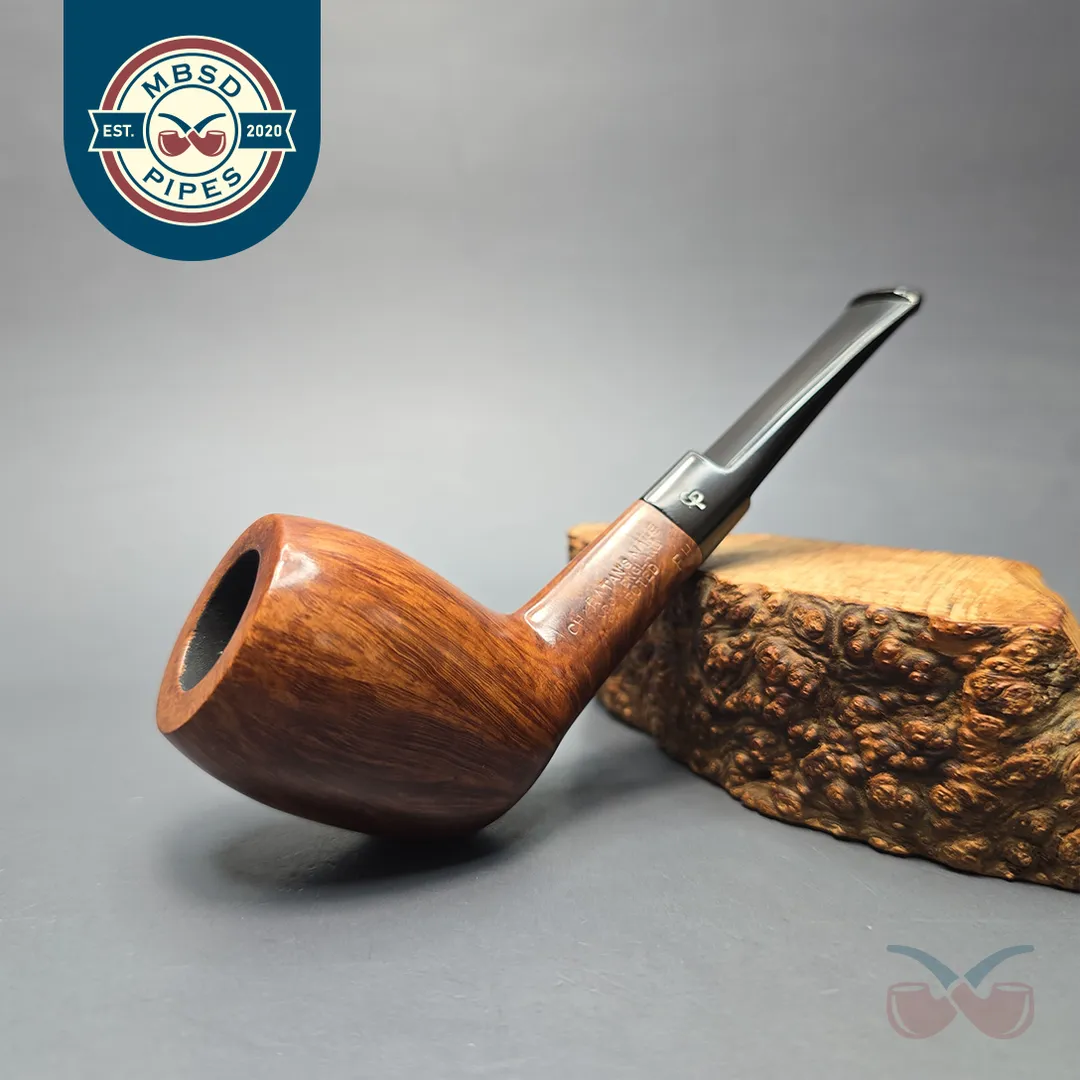
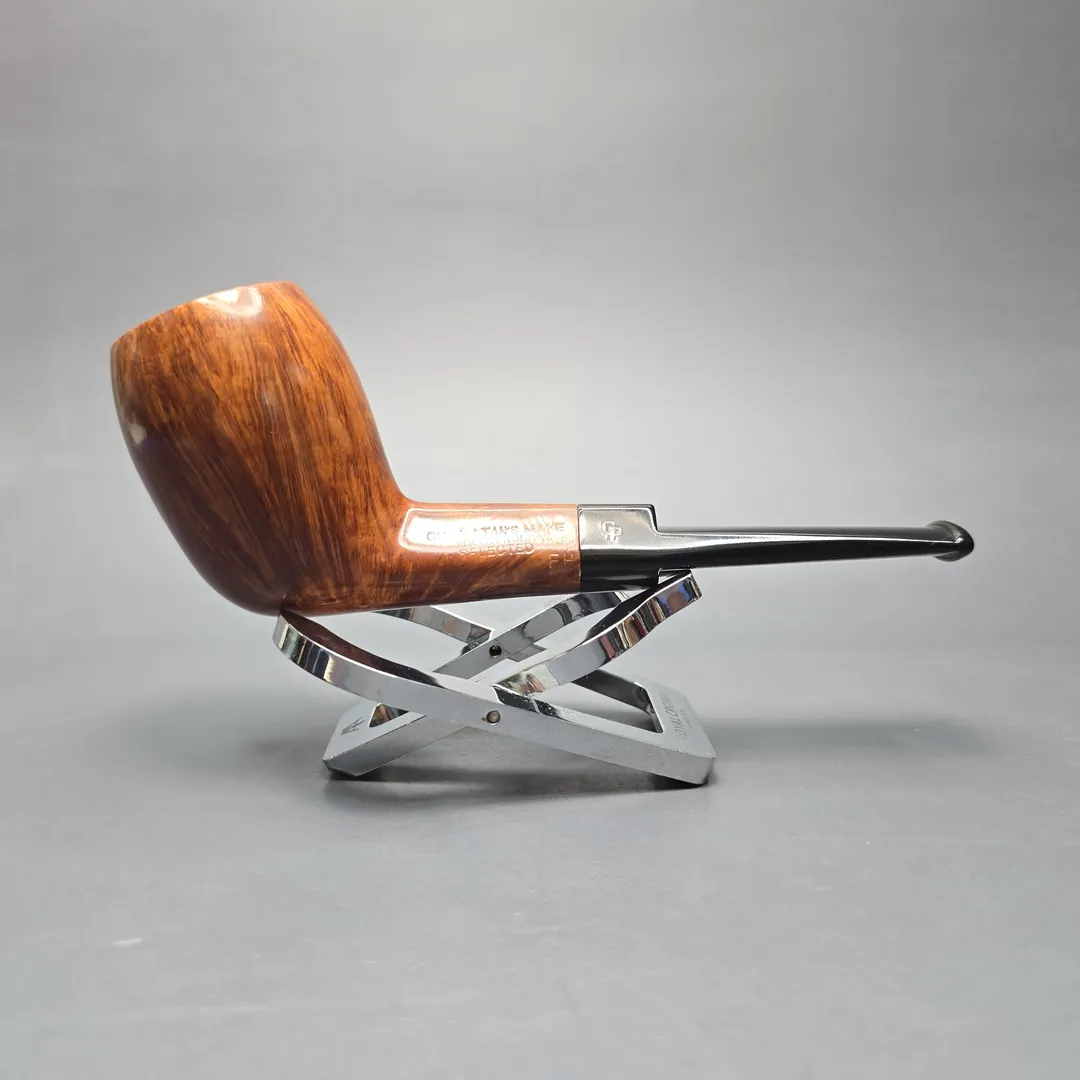
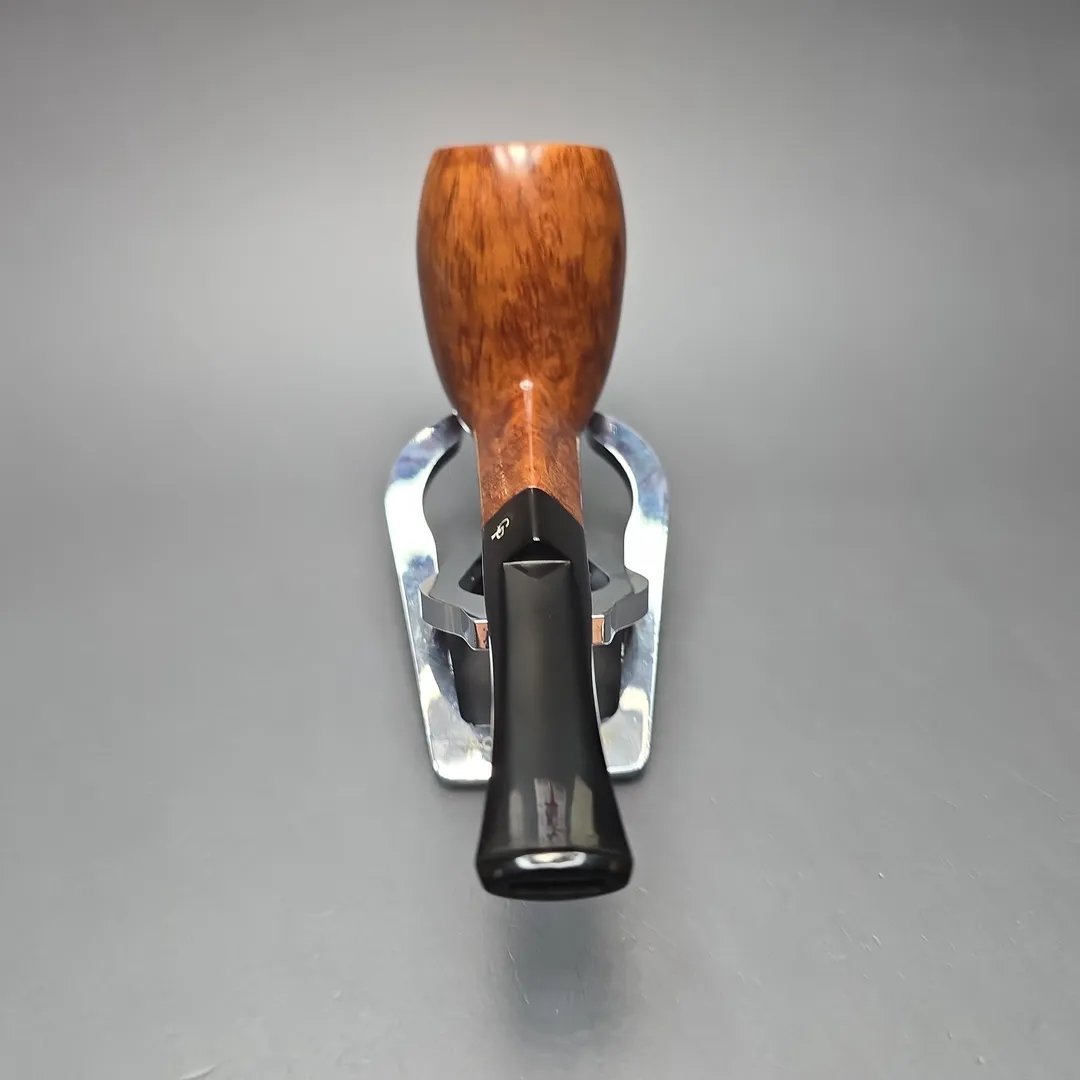
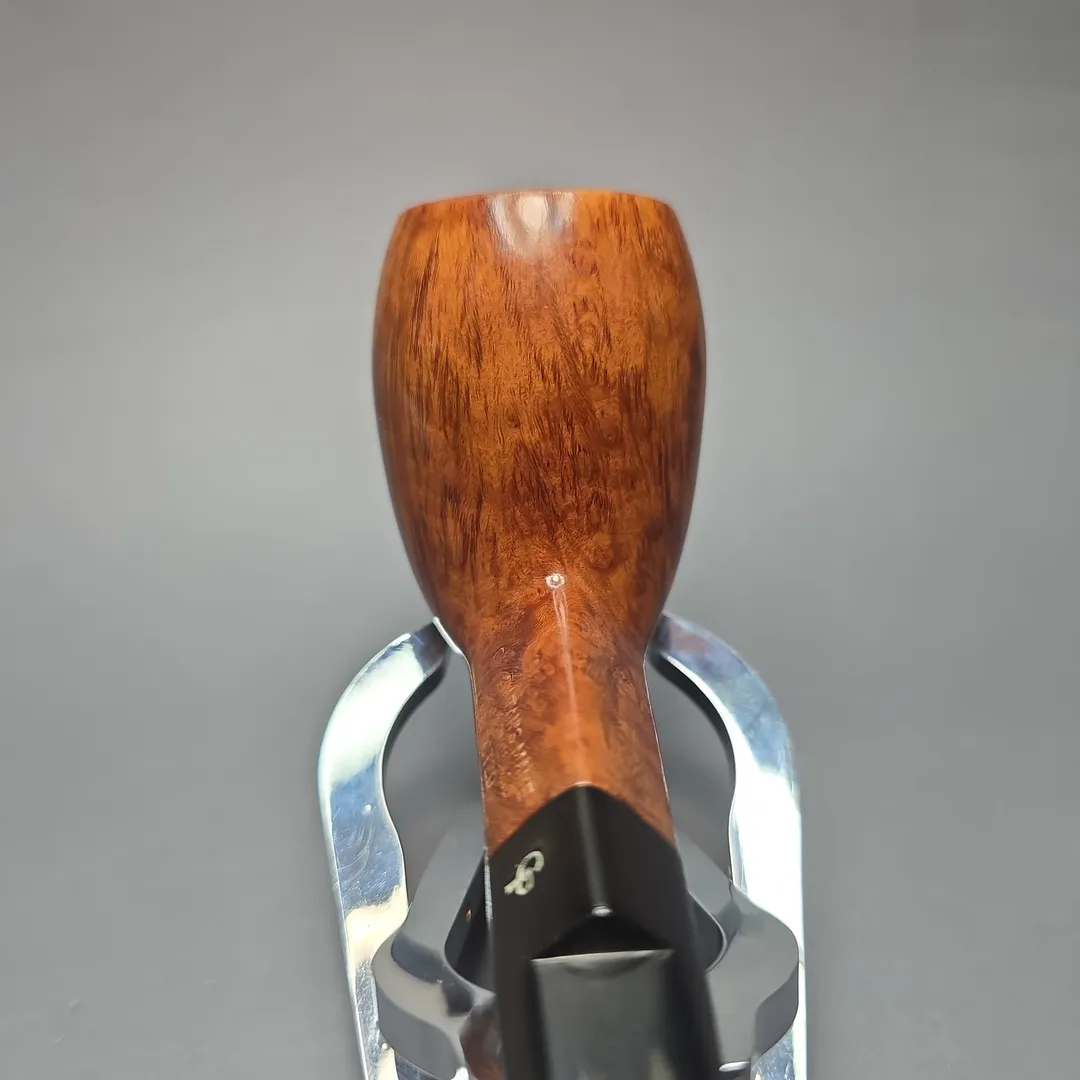
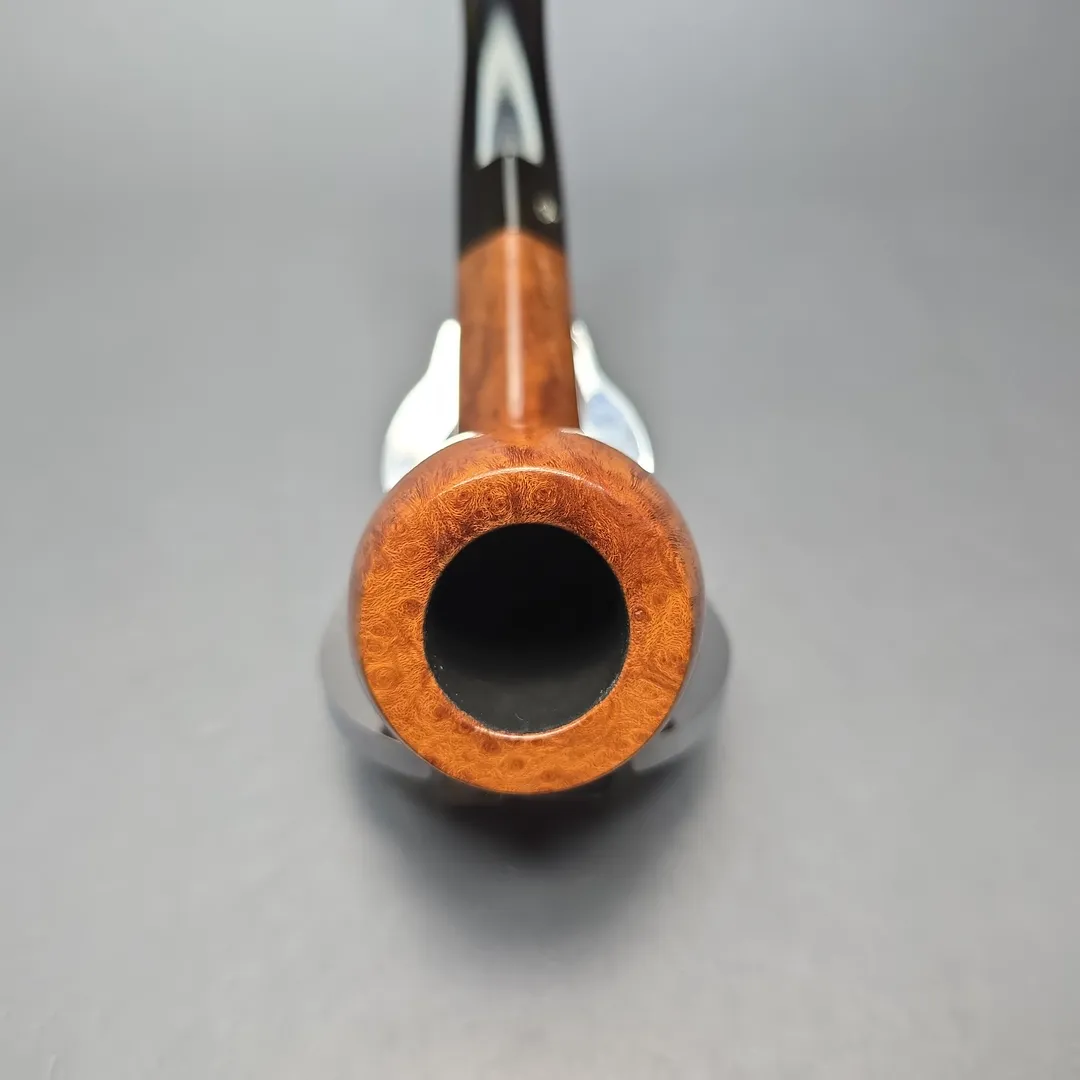
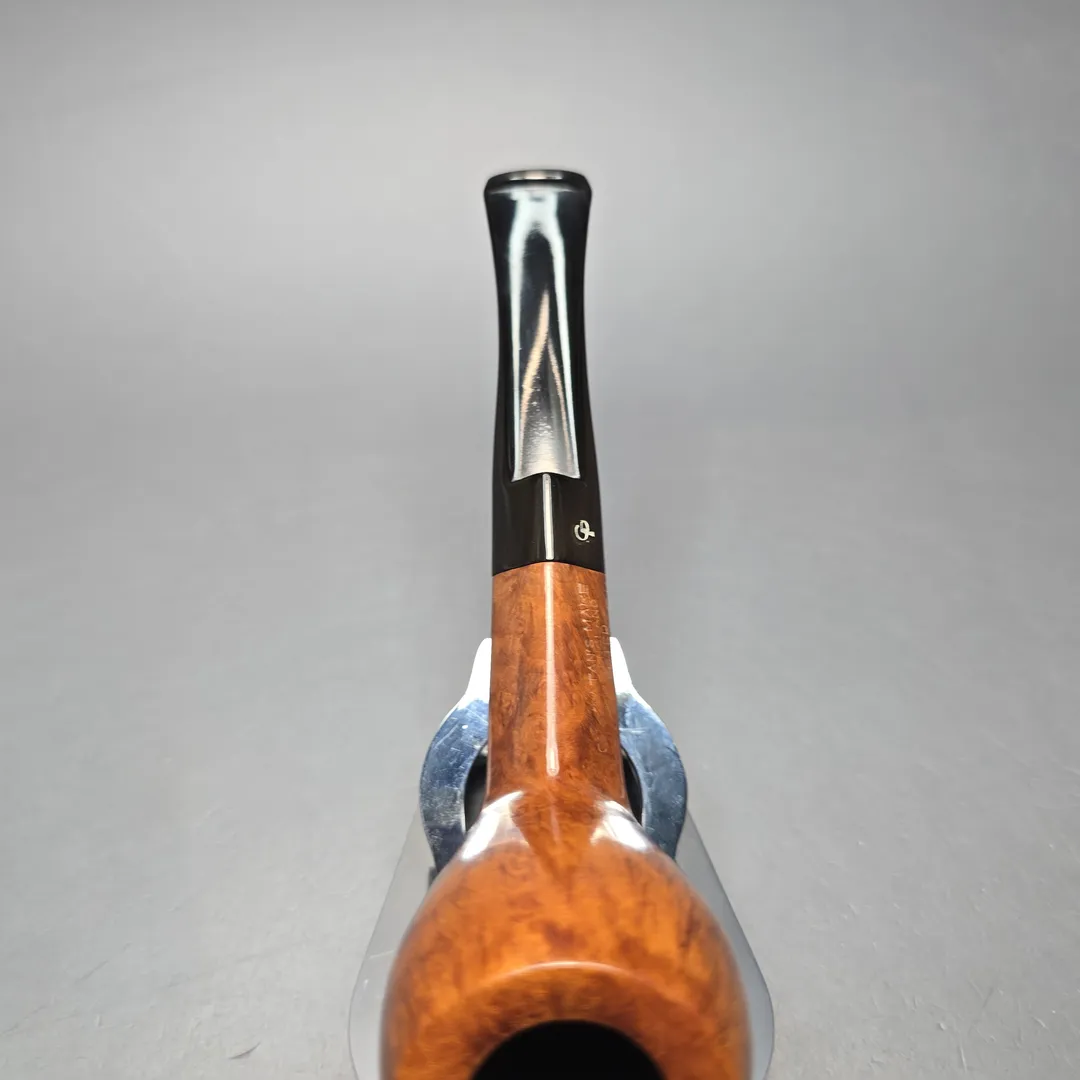
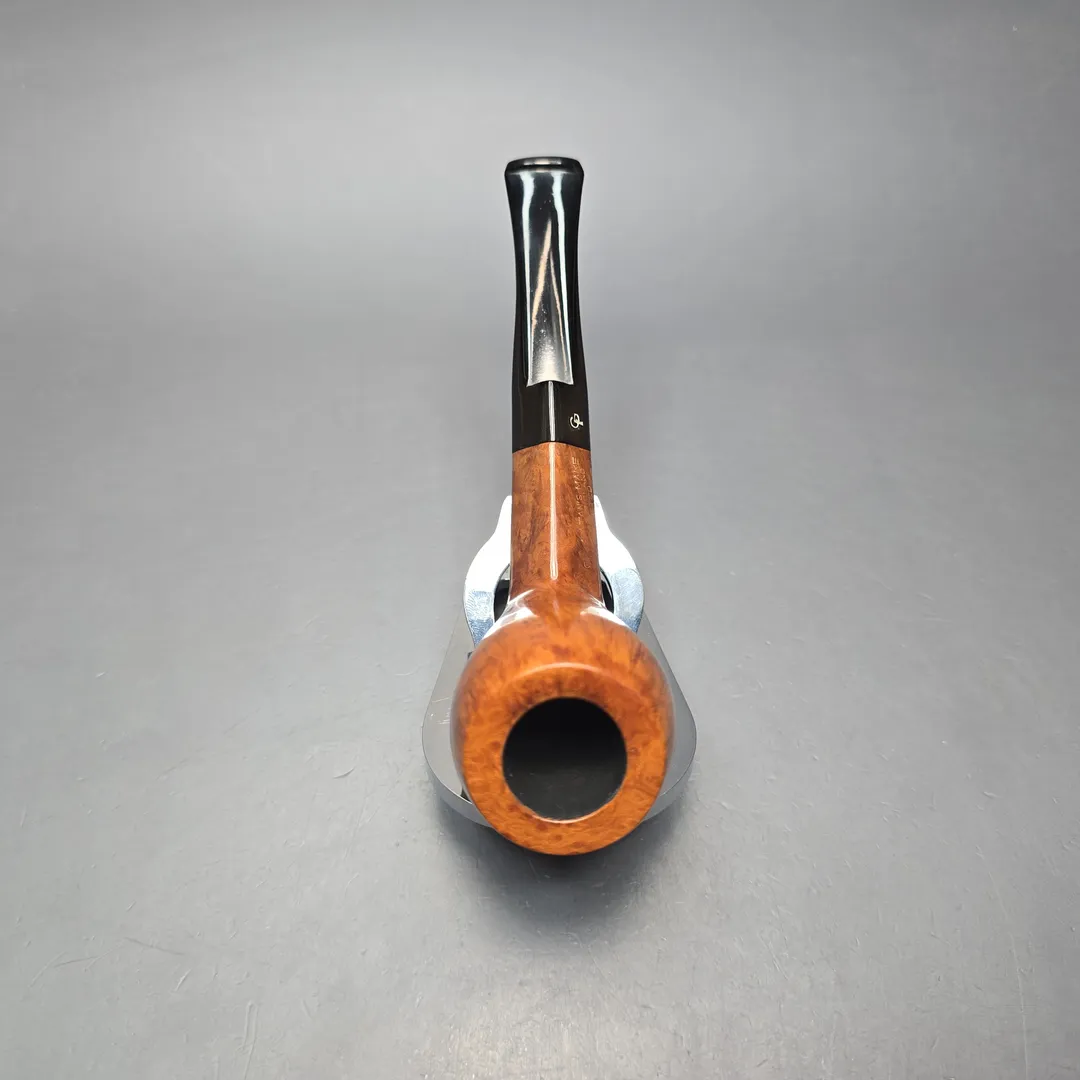
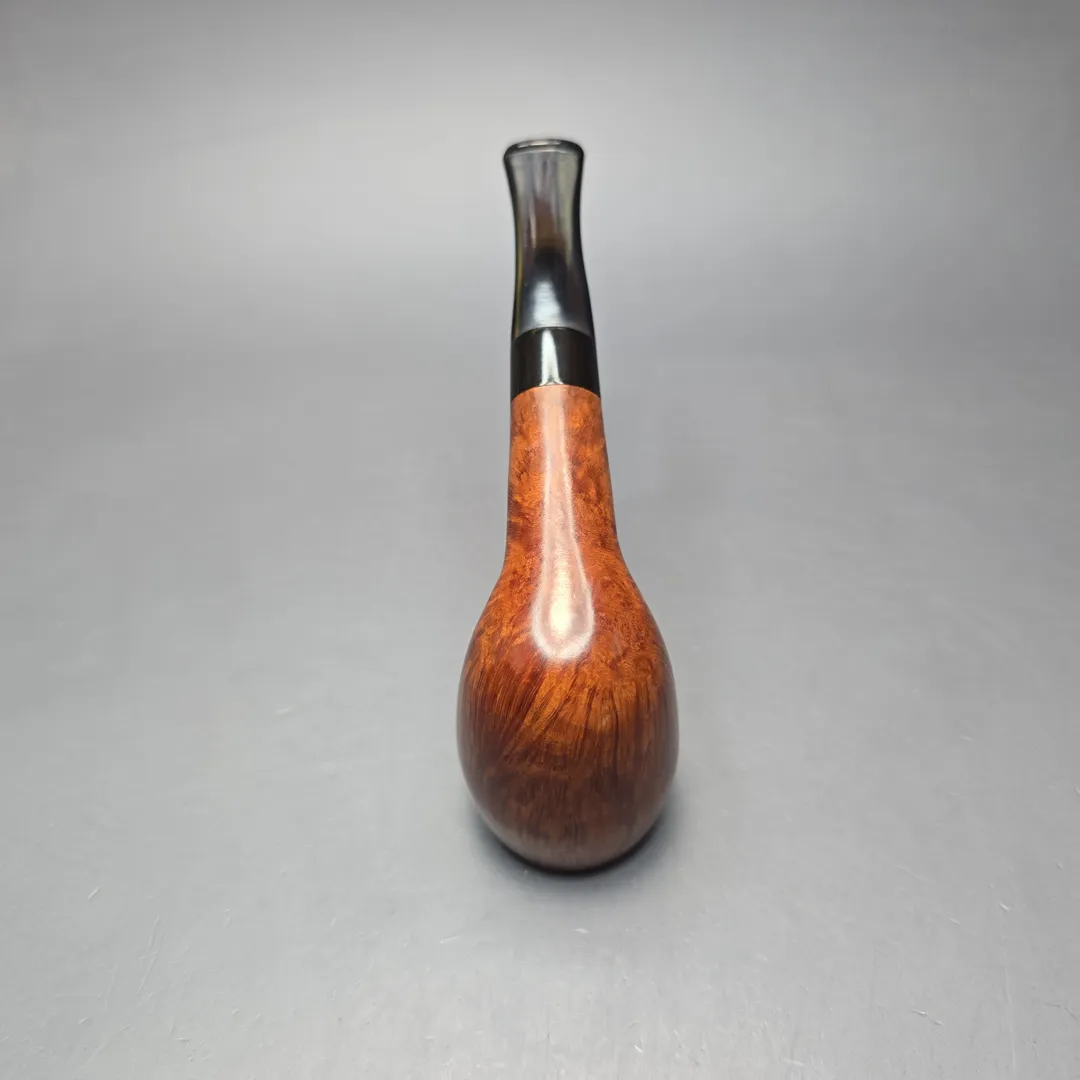
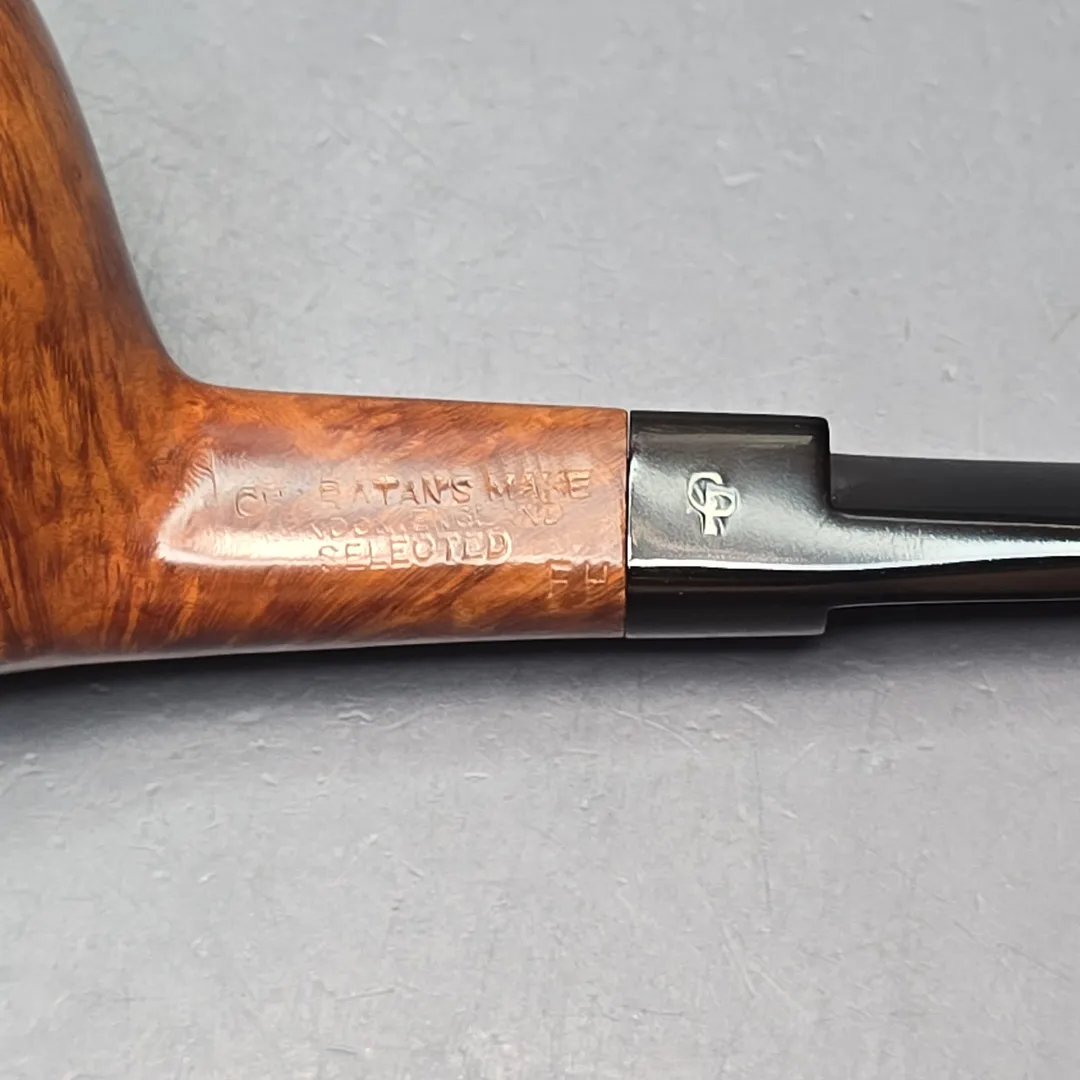
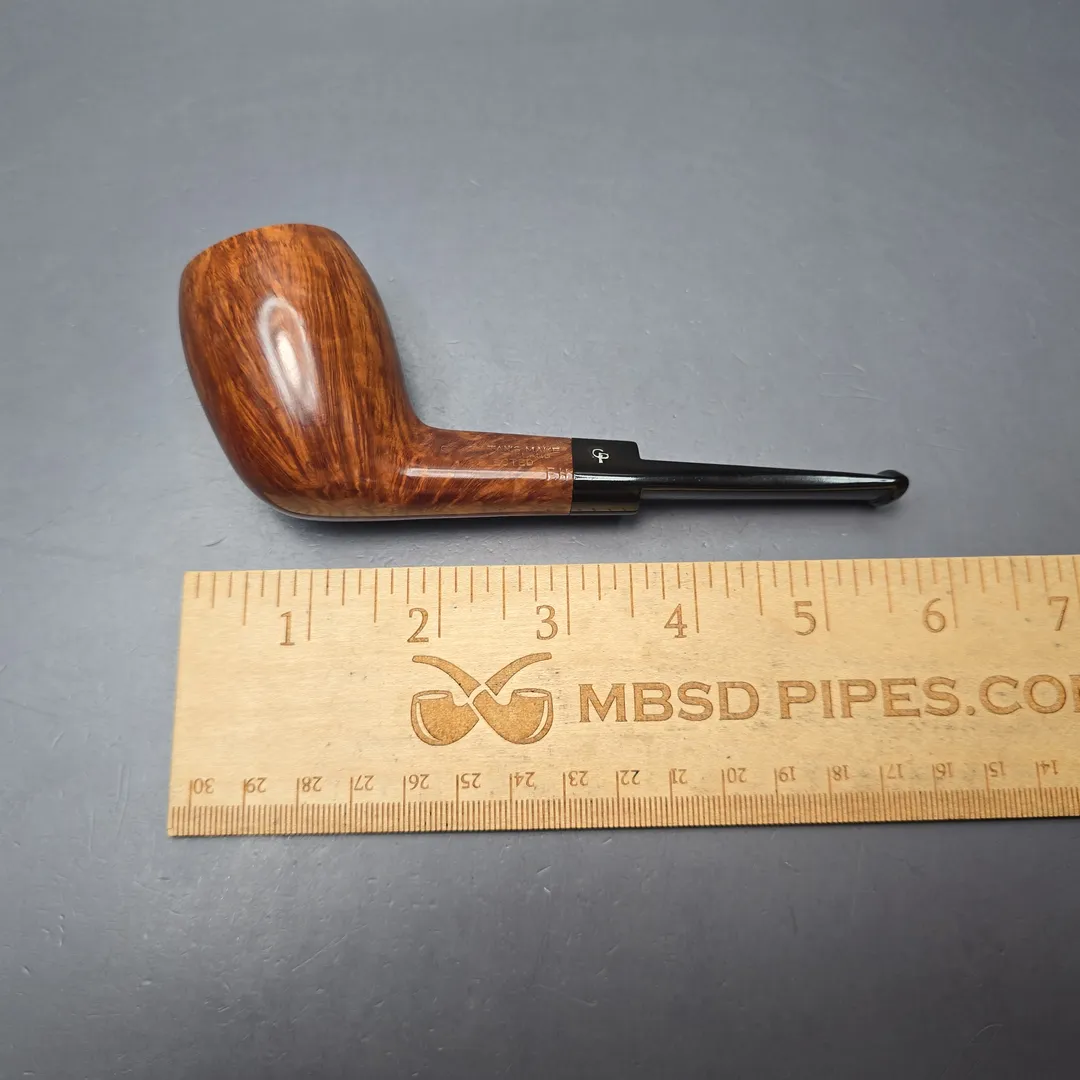
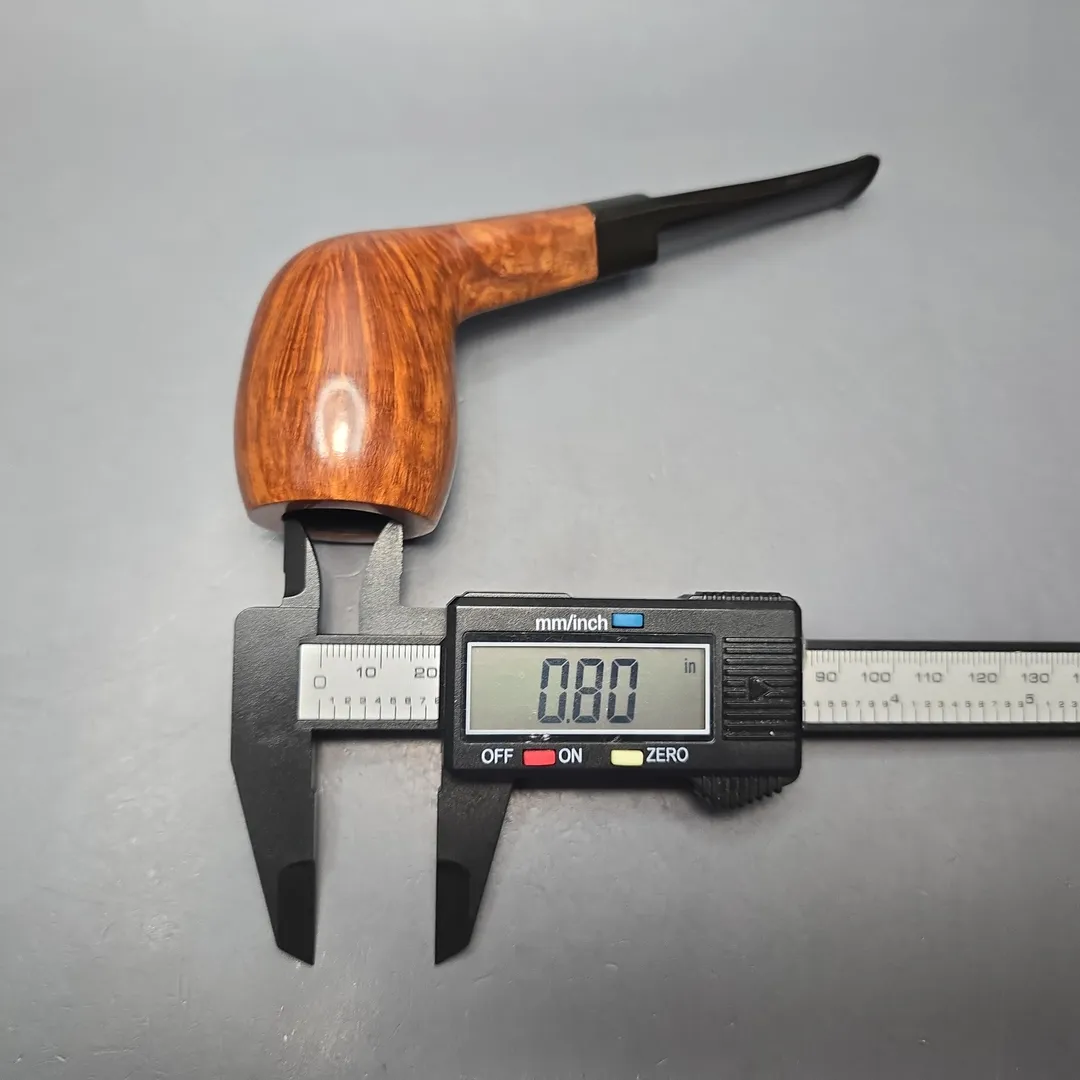
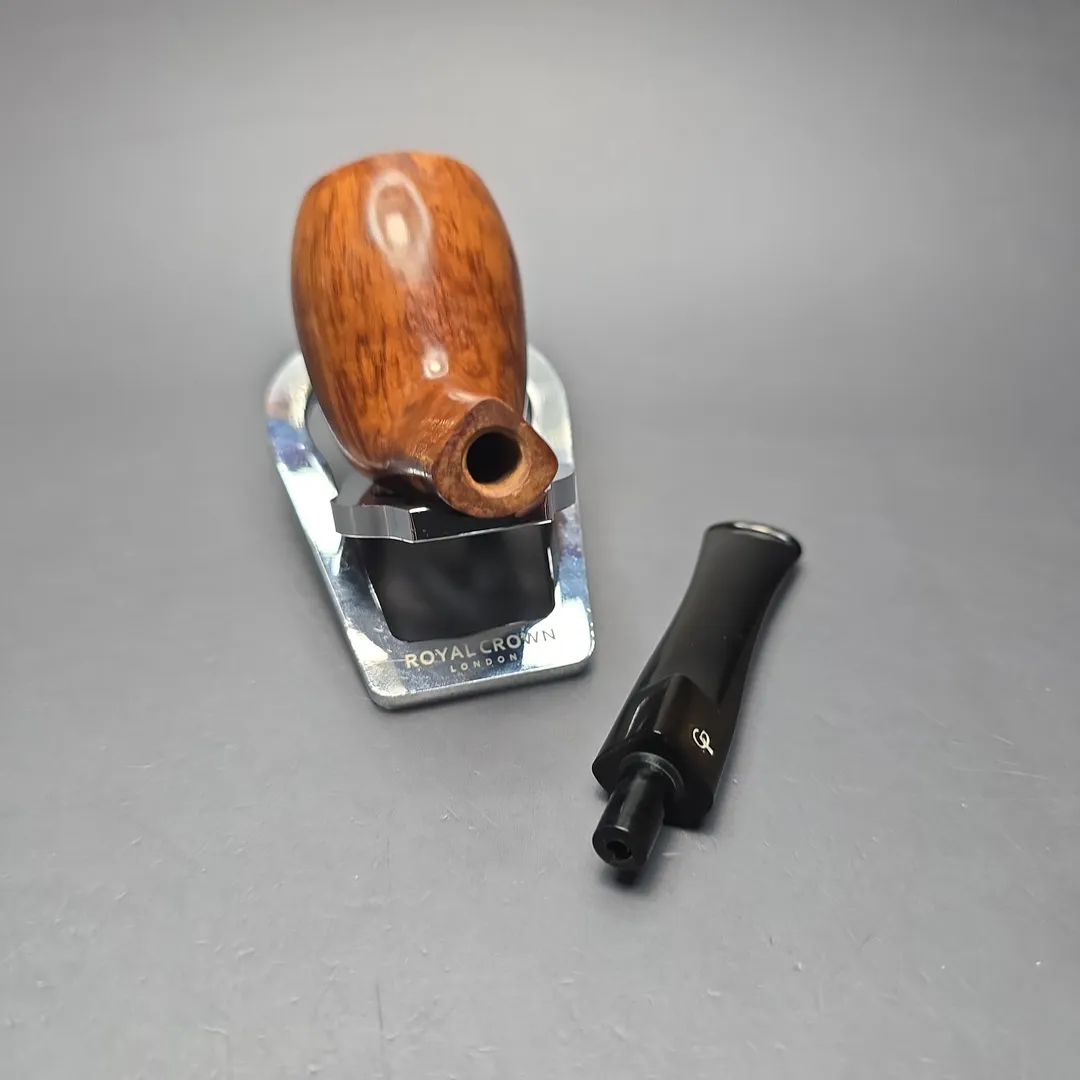
Charatan’s Make Reuben Era (c.1950s) Selected FH Smooth Freehand Cutty (Estate)
$650.00
1 in stock





While Dunhill may be Britain’s most famous pipe brand, Charatan is not only older, but has the honor of being the first to have made its pipes entirely in-house. “Charatan’s Make” referred to the fact that, at a time when other pipe companies were sourcing stummels and stems carved from other companies before assembling them in their factories and workshops, Charatan made every part of their pipes on the Charatan premises. So began a legacy of high-quality pipe-making under the Charatan name, one whose employees, at one time or another, included Joel Sasieni (who went on to work at Dunhill, before leaving again to start the Sasieni make), Dan Tennison, Stan Haney (later of Ashby Hall), and Ken Barnes and Barry Jones (later of James Upshall).
Just as the pioneering Danish post-war pipe makers crafted “freehand” pipes that were still relatively traditional compared to what followed, most of Charatan’s first “freehands” were not wildly different from the catalog shapes that preceded them. In other words, there was a kind of “transitional” period in the emergence of the English freehand, just as there had been for the Danish variety, one situated between the consolidation of classic, Anglo-French shapes in the first half of the 20th century, and the grandiose forms of the second. It could be argued that the very beginnings of this transition occurred at Barling (not to be confused with the make’s other, more famous “transition” in ownership and management), with the Freaks and Quaints made from the 1920s onward, but in the context of Charatan, this occurred in the 1950s, during the last years of the “Reuben era.” While the first Charatan “freehand” pipe was made during Reuben’s tenure as owner and overseer of F. Charatan & Son, this event took place against a backdrop of decades spent achieving national acclaim for expertly made, and often peerlessly grained, traditional pipes. Thus, while the first Charatan “freehand” is reported to have been Barry Jones’s famous “Cup and saucer,” created on a whim during the late Reuben era, Kennedy Barnes would note that much of the early “freehand” output that was still comprised of “‘free-hand’ orthodox models.” Ultimately, Reuben Charatan opted for a more unorthodox design approach for his new freehand workshop, which continued under his successor Herman Lane, but, nonetheless, the Charatan freehand as we know it did not sprout up overnight.
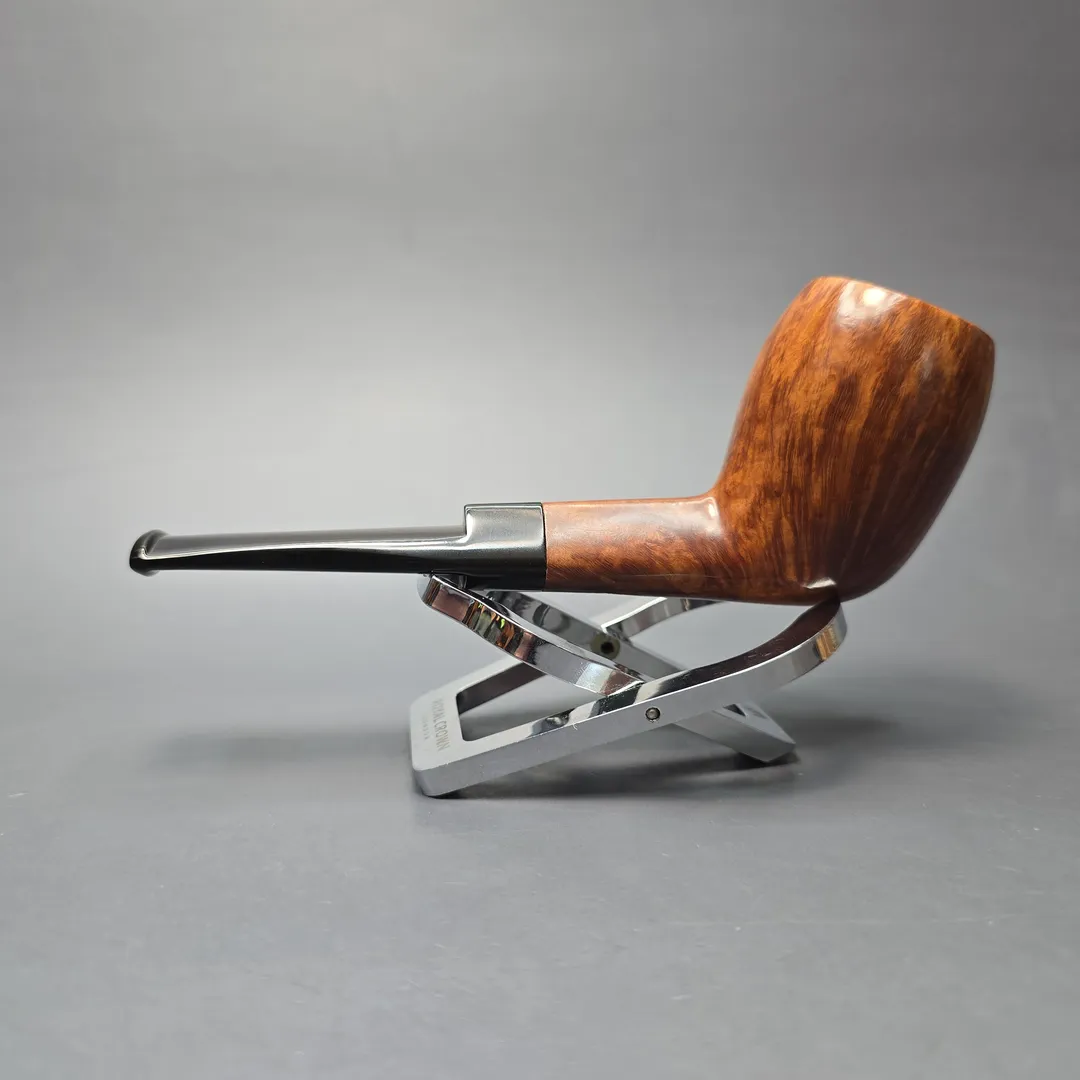
This particular Charatan freehand appears to be from the transitional period mentioned, taking the form of a distinctive, though not too unusual, diamond-shanked, stacked cutty, or Belge (the diamond shank being a sign of things soon to come for the Charatan aesthetic). According to Ken Barnes, it was Reuben, Dan Tennison, and Barry Jones who turned these pipes, for which the “FH” (as in “Free Hand”) stamp was introduced as an early designation. This would ultimately be replaced by a “MADE BY HAND” designation, which, at least according to the Charatan historian Mathias Acciai, was introduced around 1958. When exactly the first freehand was carved at F. Charatan and Son has been a source of debate, though we can be confident that this pipe was made no later than the end of the 1950s, at the very least. As for grading, the pipe is a Selected, would be just shy of the top of Charatan’s system (represented by the Supreme) at the time it was made.
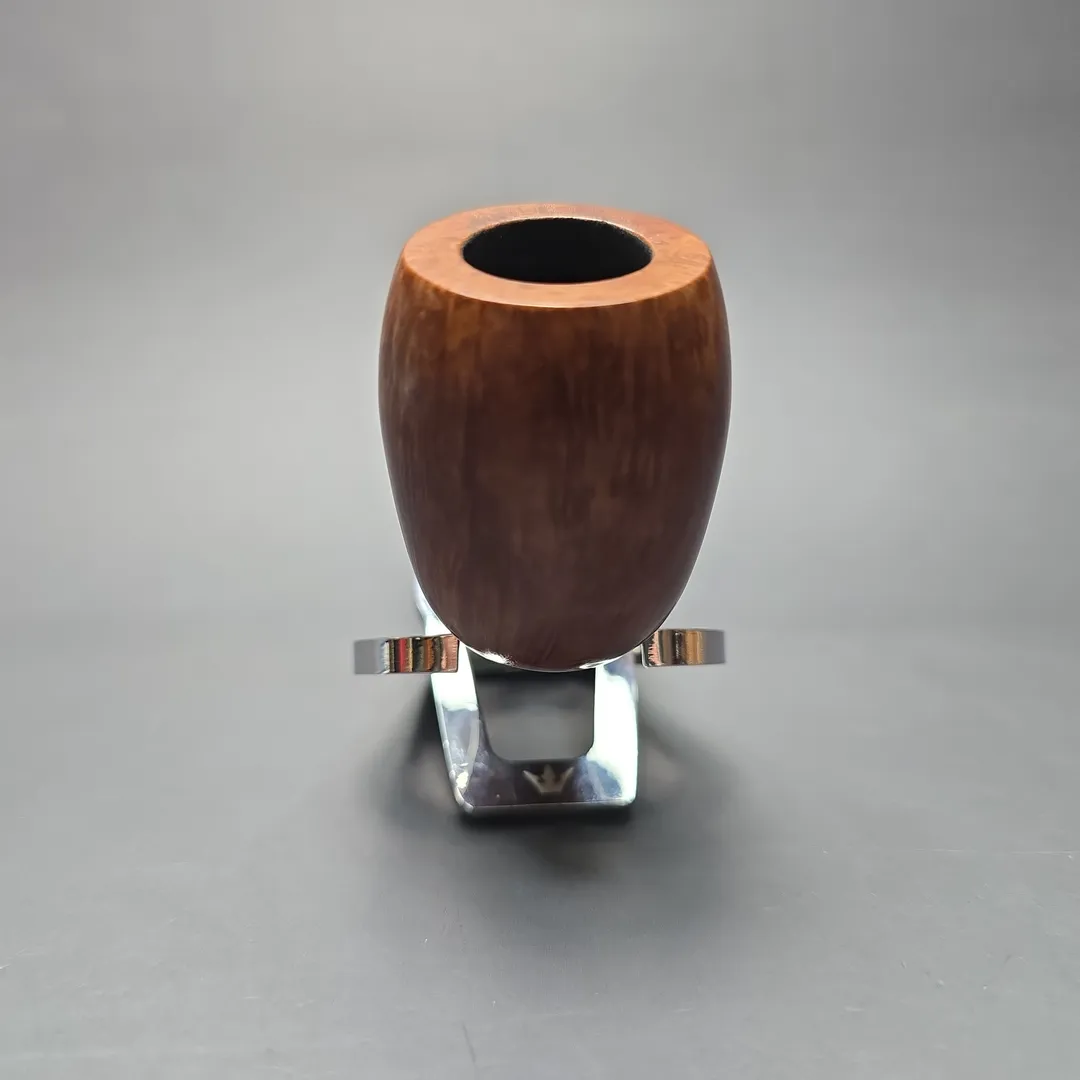
The condition is very good. Minor rim darkening, a couple of small scratches on the bowl, and stem slightly over-buffed at the base.
Details:
Length: 5.7″ / 144.7mm
Bowl Width: 0.80 / 20.32mm
Bowl Depth: 1.71″ / 43.43mm
Weight: 1.5oz / 44g
| Weight | 15 oz |
|---|
| Condition | Used |
|---|---|
| Notes | Refurbished. |


