
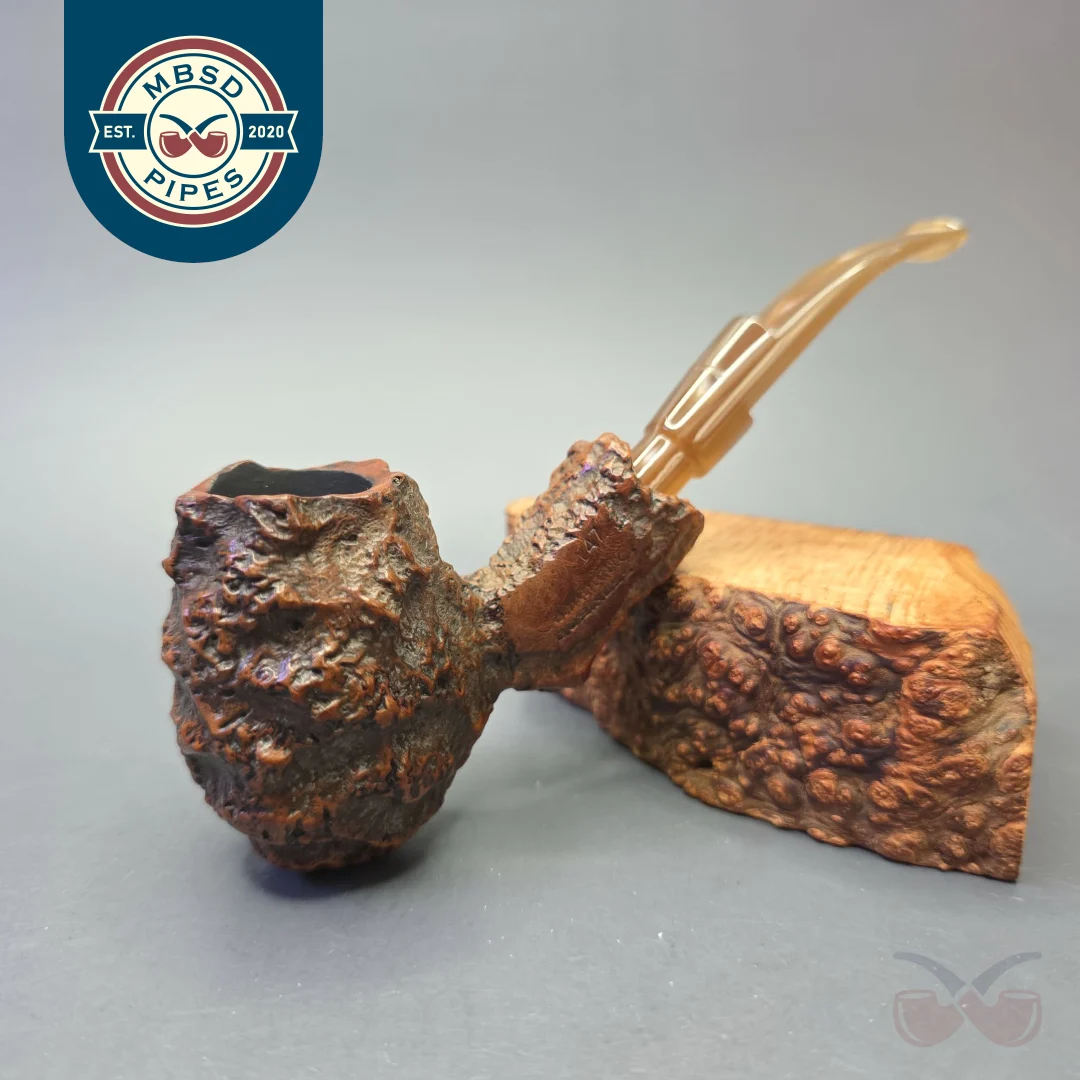
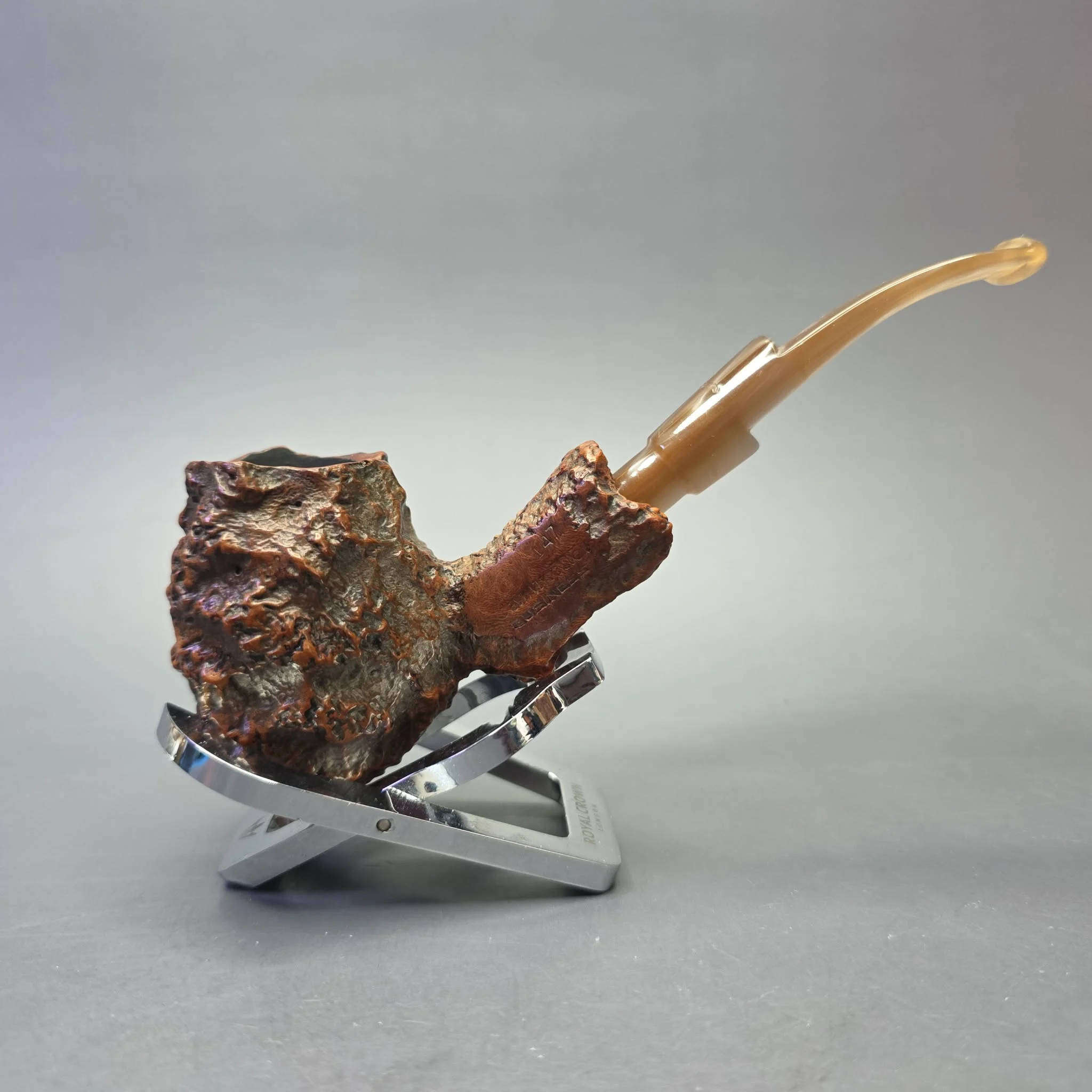
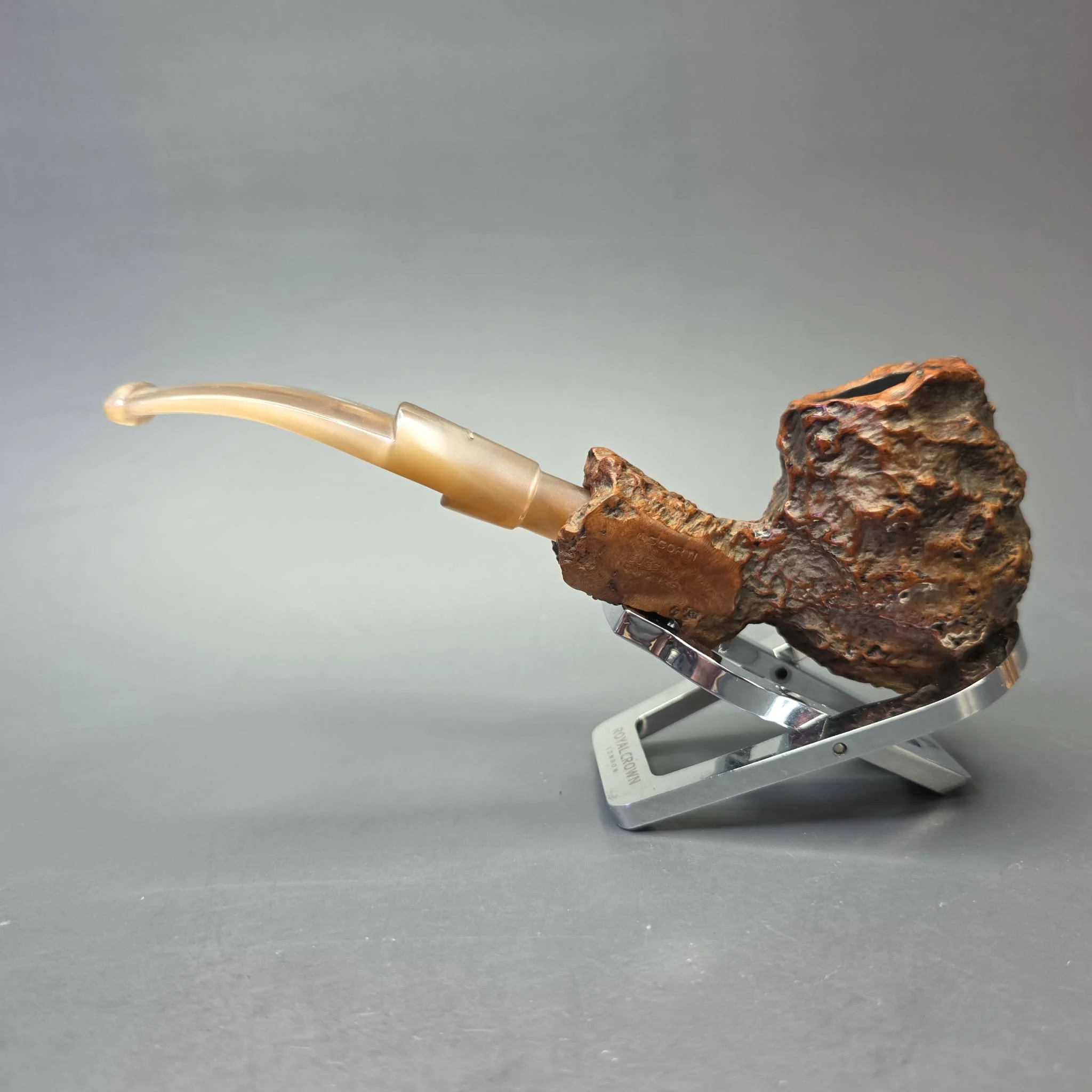
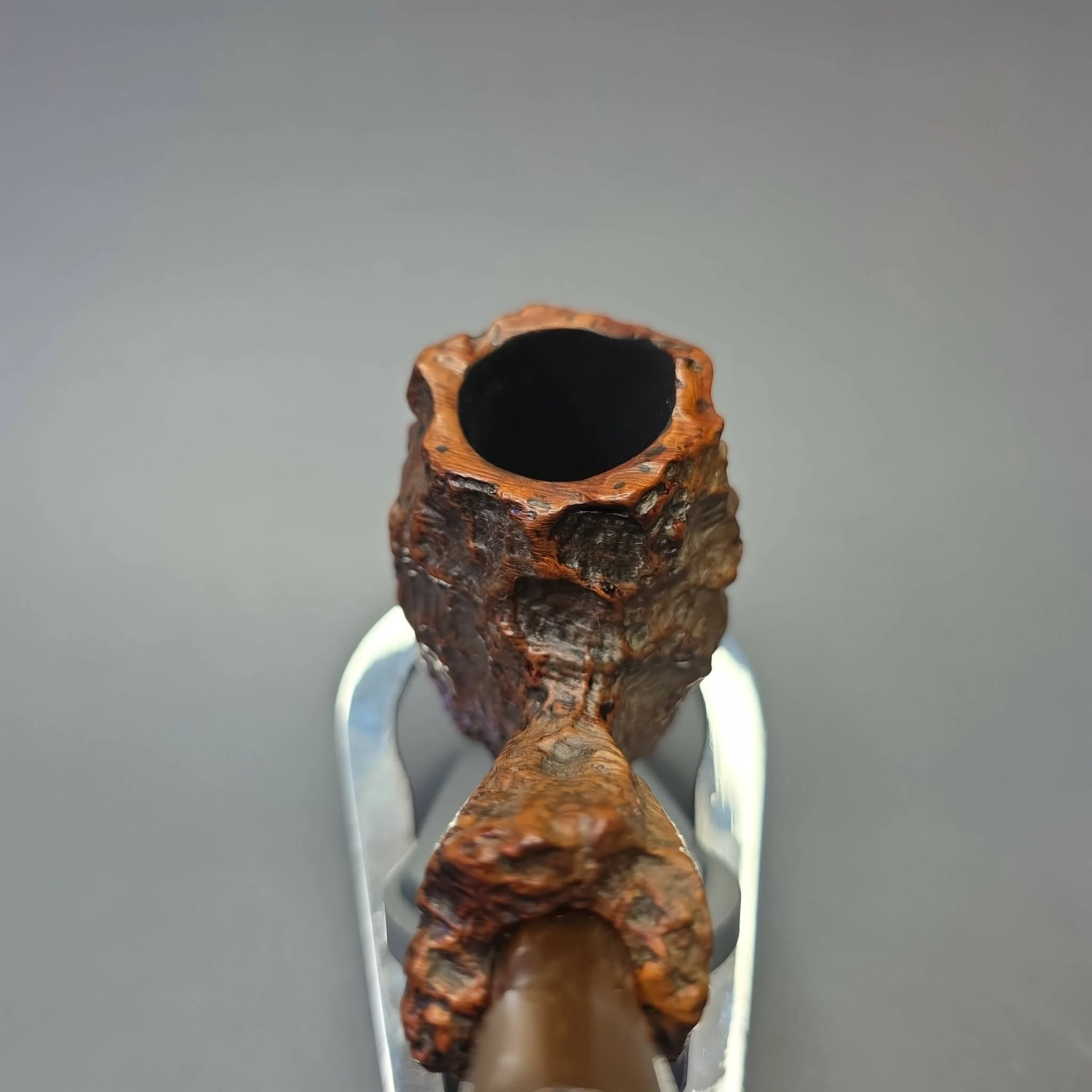
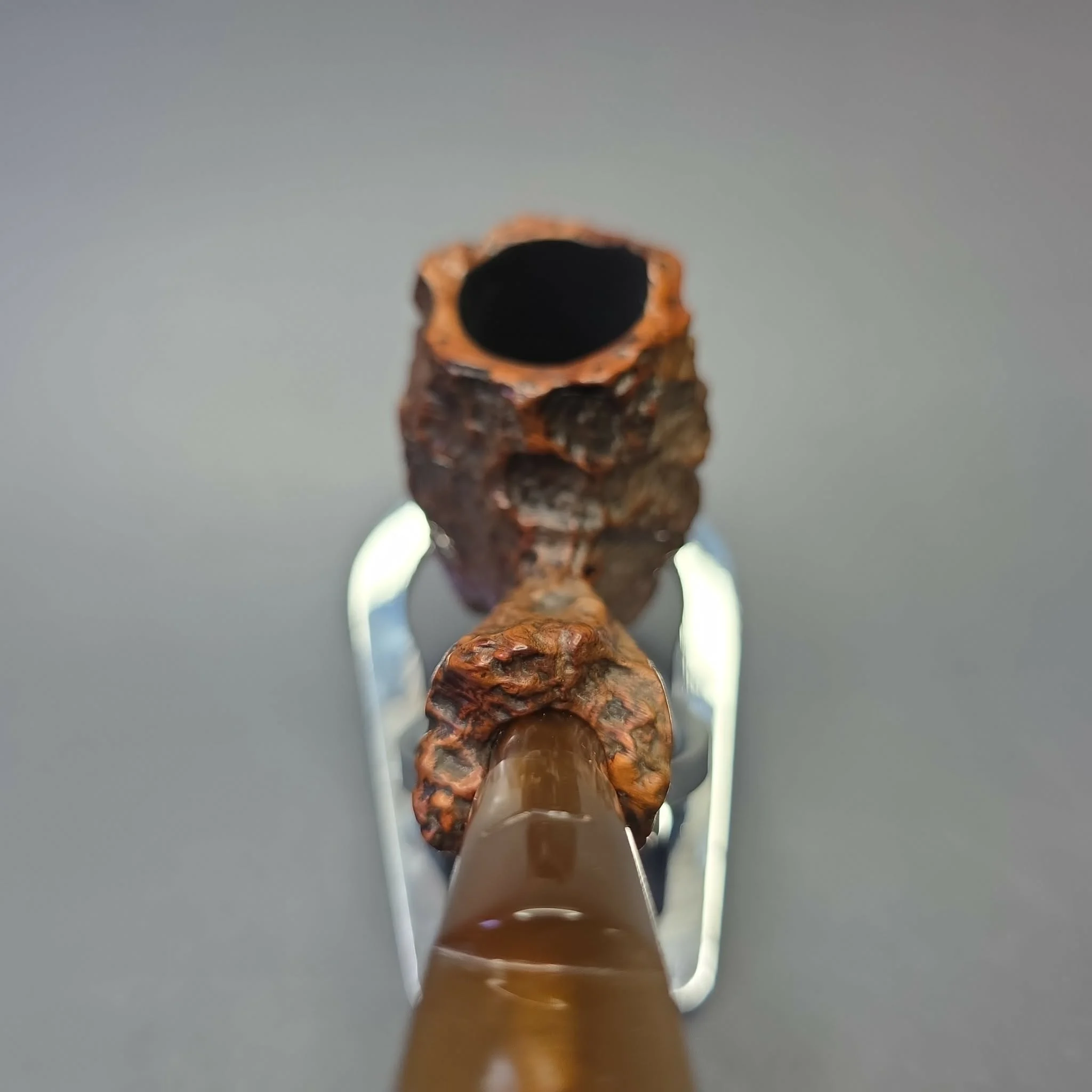
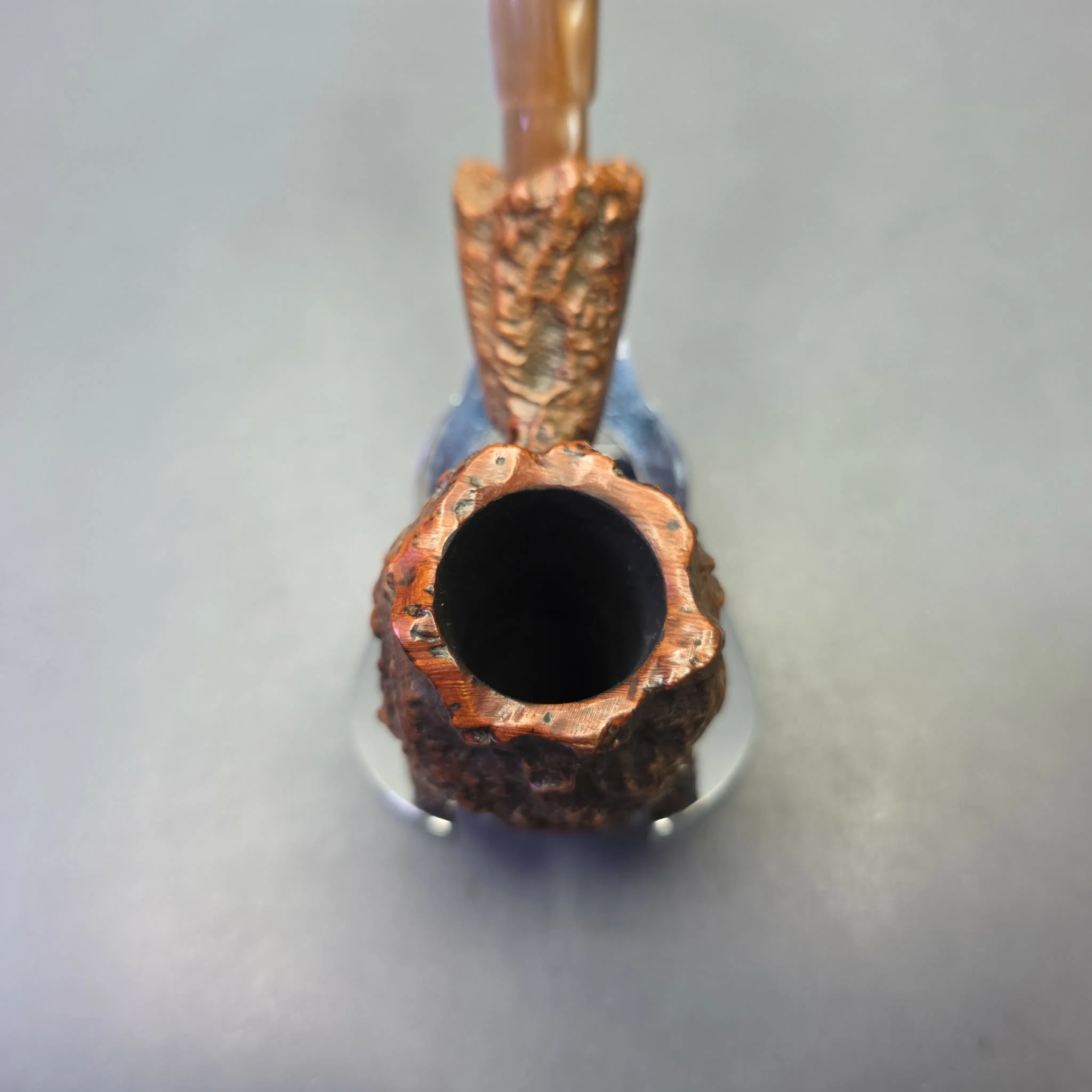
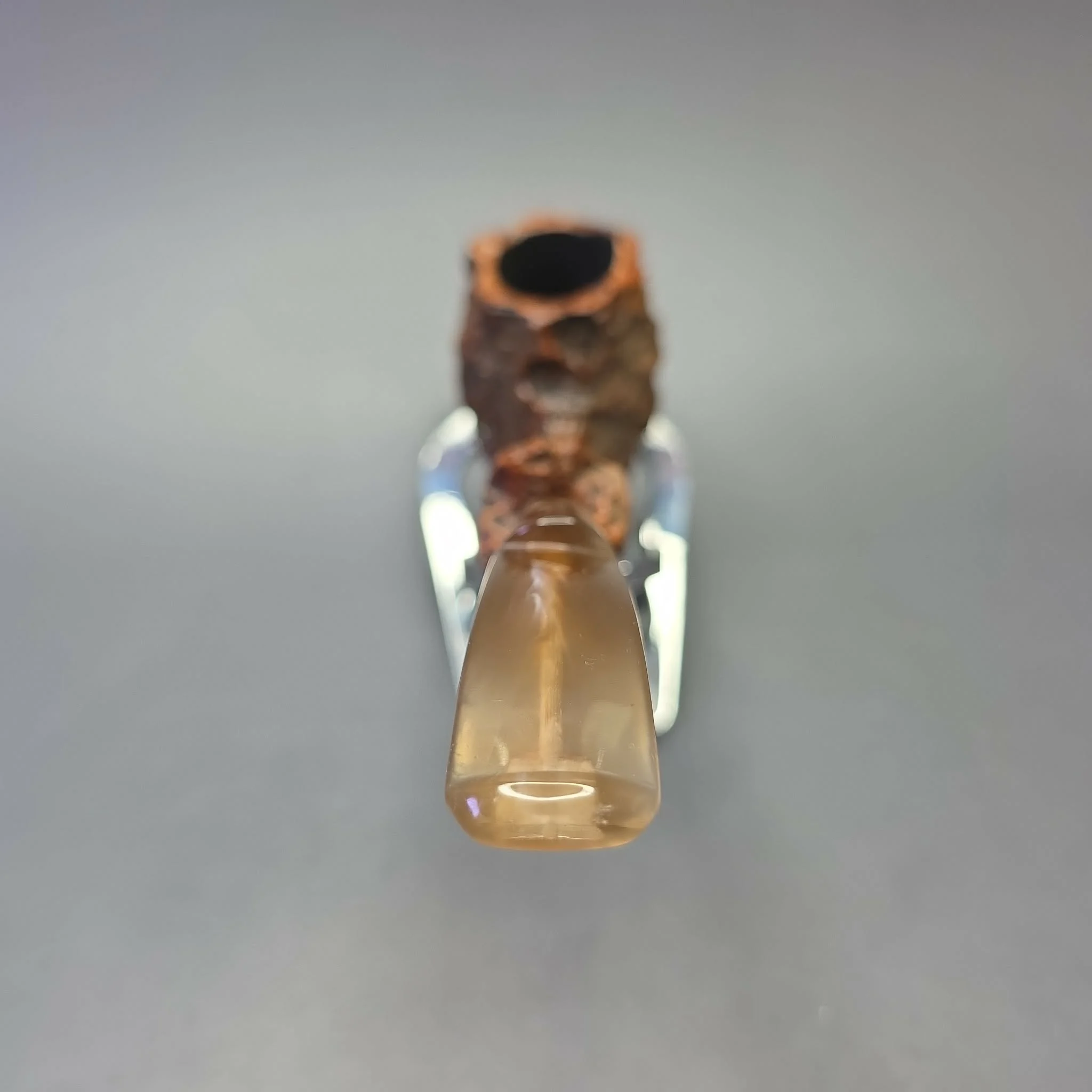
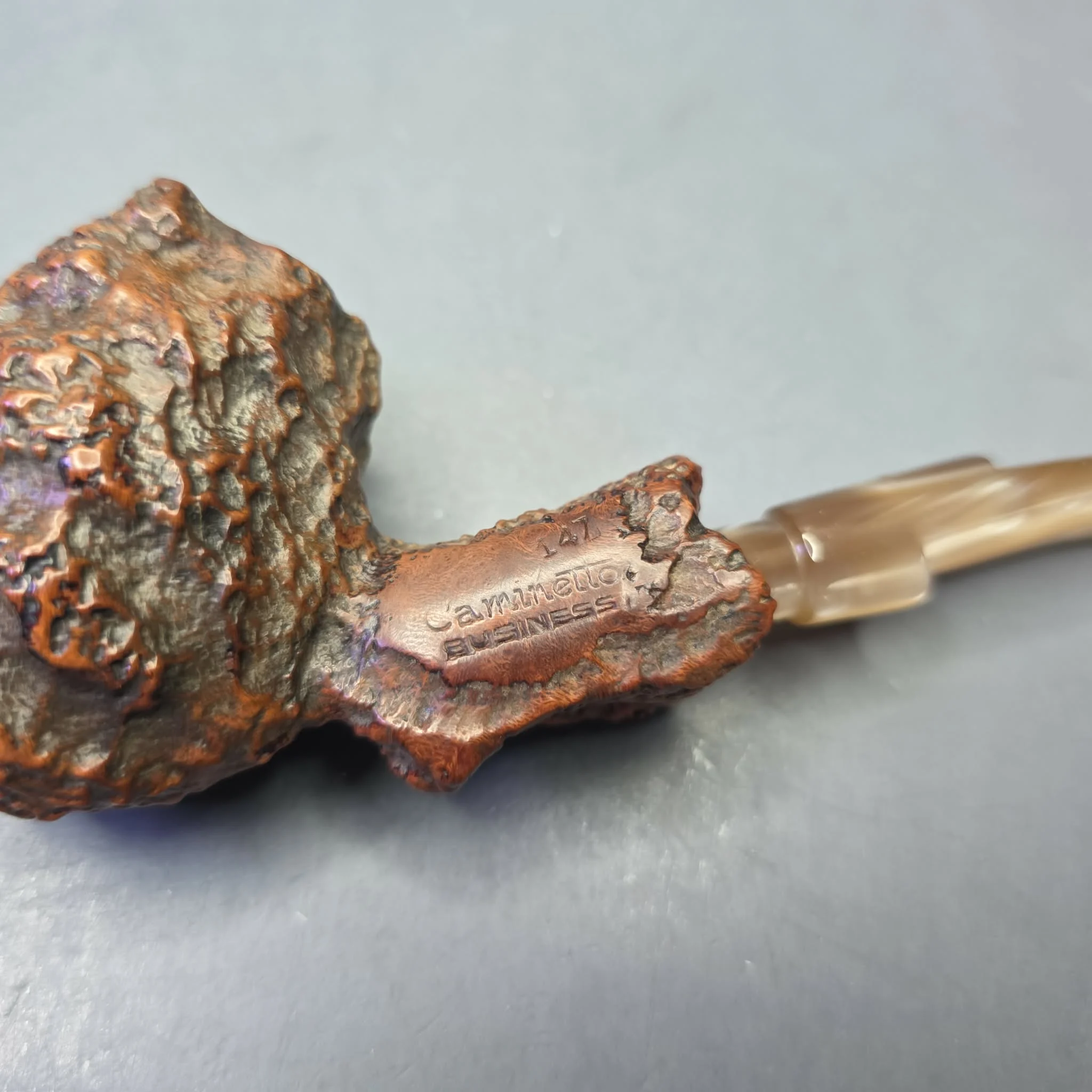
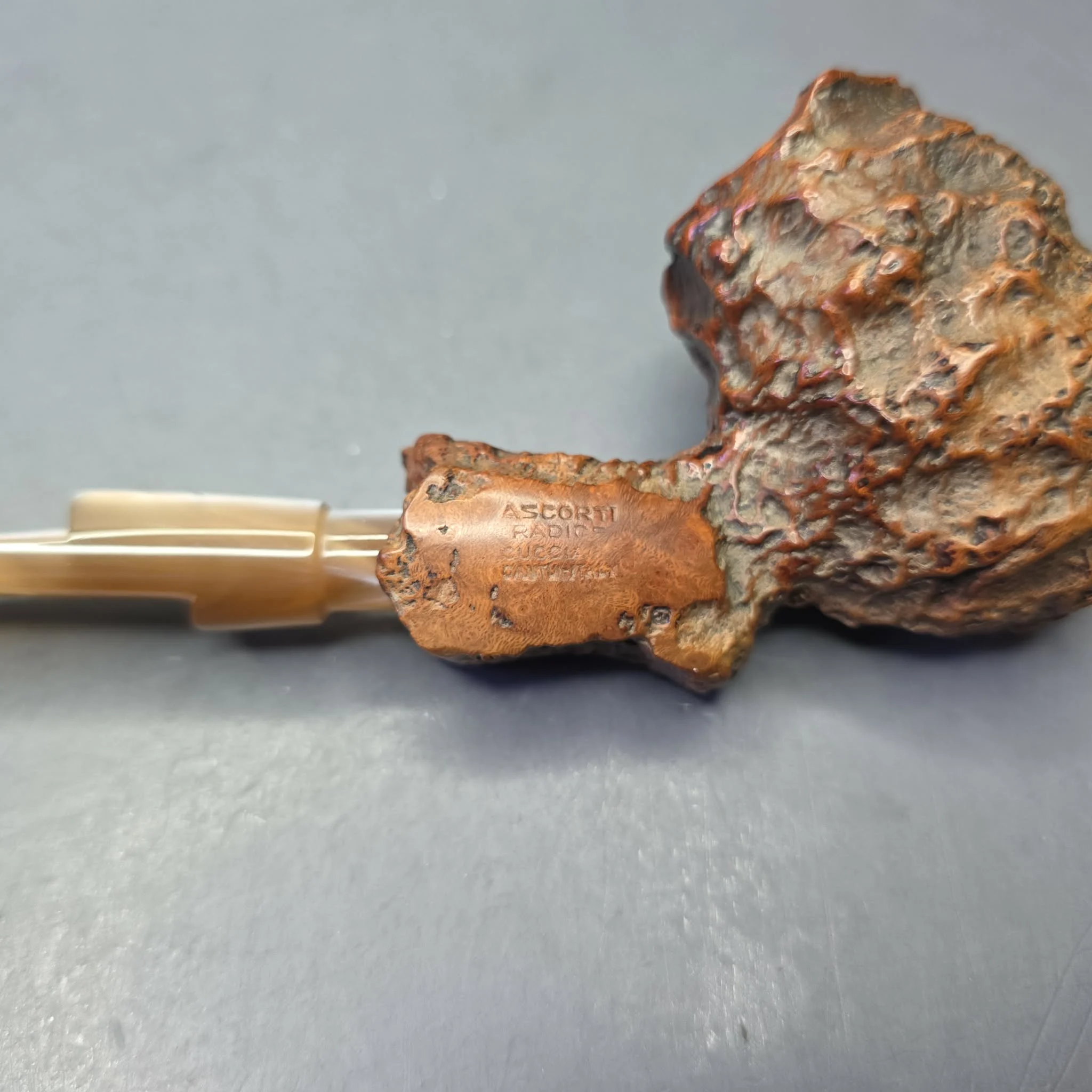
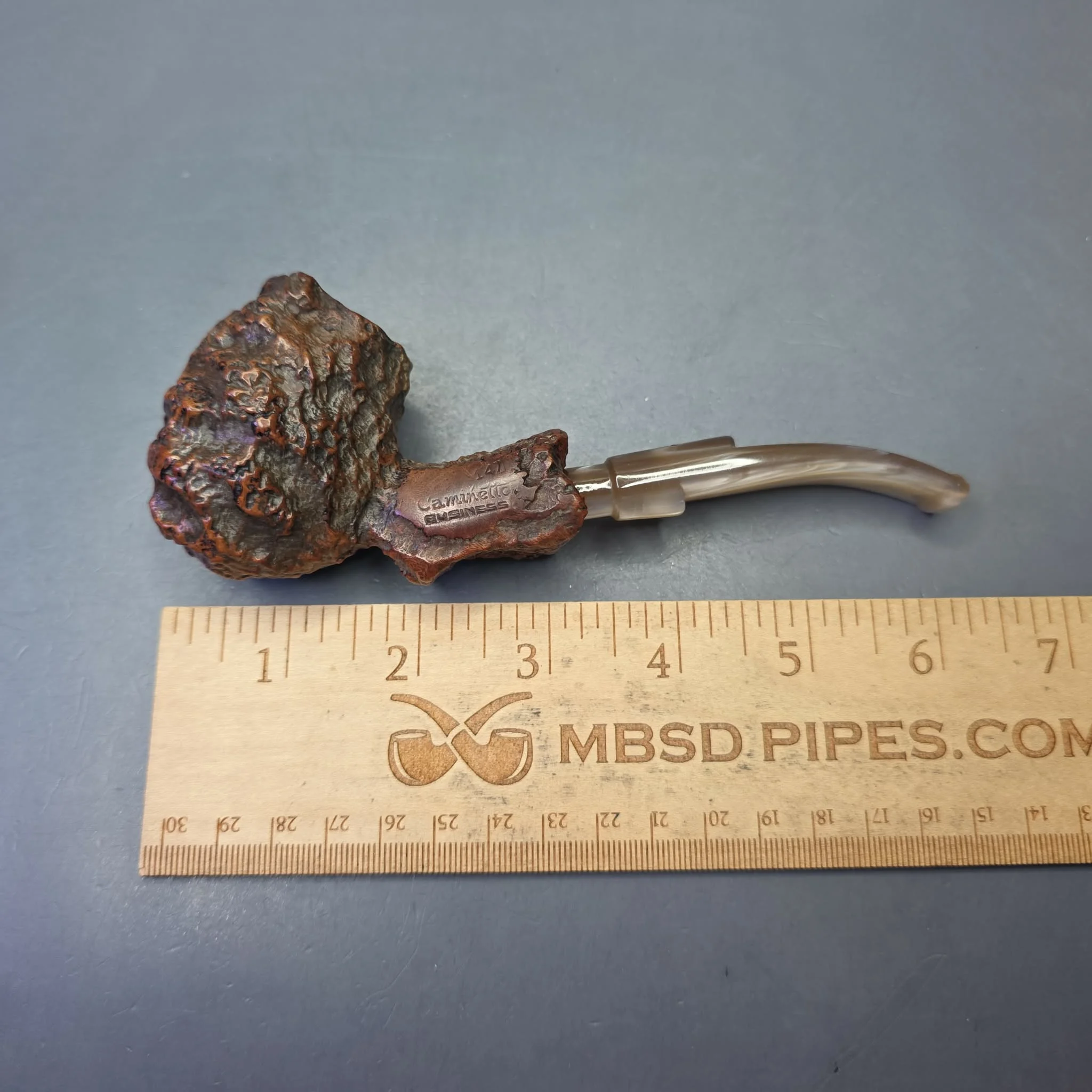
Caminetto (Ascorti-Radice Era) Business 147 Rusticated Egg (Estate)
$300.00
1 in stock





Caminetto was, and is to this day, a decisive figure in the history of Italy’s pipe workshop tradition. After spending time developing their skills in the Castello workshop, Guiseppe Ascorti and Luigi Radice left to found their own venture, which they named, “Caminetto.” Here, Ascorti and Radice were able to create their own now-classic shapes and finishes, such as the rusticated “Business,” and the carved, wax-drip “New Dear.”
Among the pipes that have come out of the Caminetto workshop over the last half-century, there is one subset that has become a singular focus for collectors, perhaps more so than any other. That subset is early Caminetto pipes or, rather, the earliest Caminetto pipes. These pipes belong to what has come to be known as the “Ascorti Radice,” or “Ascorti/Radice” era, for reasons that will soon become apparent.
Caminetto was founded around 1968, beginning as a small workshop with Guiseppe Ascorti and Luigi Radice as its principal pipe makers. A third individual, Gianni Davoli, entered the picture shortly thereafter, acting as a distributor and sales representative for Ascorti and Radice’s pipes. These pipes were incredibly successful, leading to expansions of the workshop and, ultimately, a production model that didn’t suit either of its founders. While the workshop was by no means a factory in the traditional sense, the manufacturing of Caminetto pipes was standardized and compartmentalized, meaning Ascorti and Radice didn’t have the same control over the pipes they made as had been the case when they started. The stamping of the pipes is typically taken to be reflective of this, with the earliest Caminetto pipes bearing the names of Ascorti and Radice, and later pipes dropping this convention (even while the two were still an integral part of the workshop).
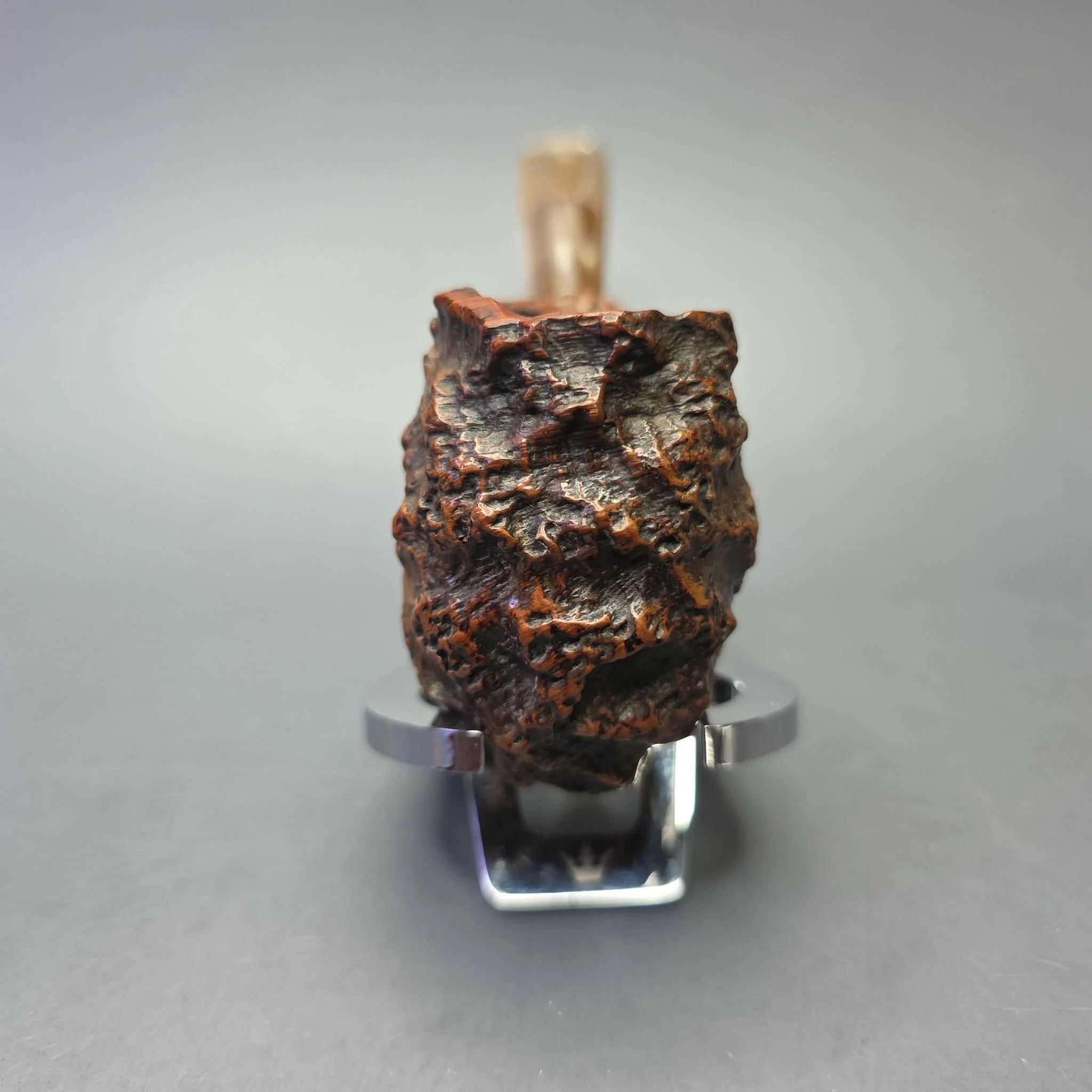
This particular pipe comes from the very beginnings of Ascorti and Radice’s venture, and is stamped as such. It is an early example of the two’s signature rusticated finish, the New Dear, through which they sought an even more rugged approach to stony rusticated finishes than they had worked with back at Castello. Similar early hallmarks of the Caminetto aesthetic can be found in the pipe’s brash and bulbous shaping (the “147” would ultimately become a mainstay in the workshop’s output) and in its asymmetrically cut, golden Lucite mouthpiece.
The condition is very good. Minor rim darkening and some finish fading, though the pipe does not appear to have been smoked much.
Details:
Length: 6.3″ / 160.0mm
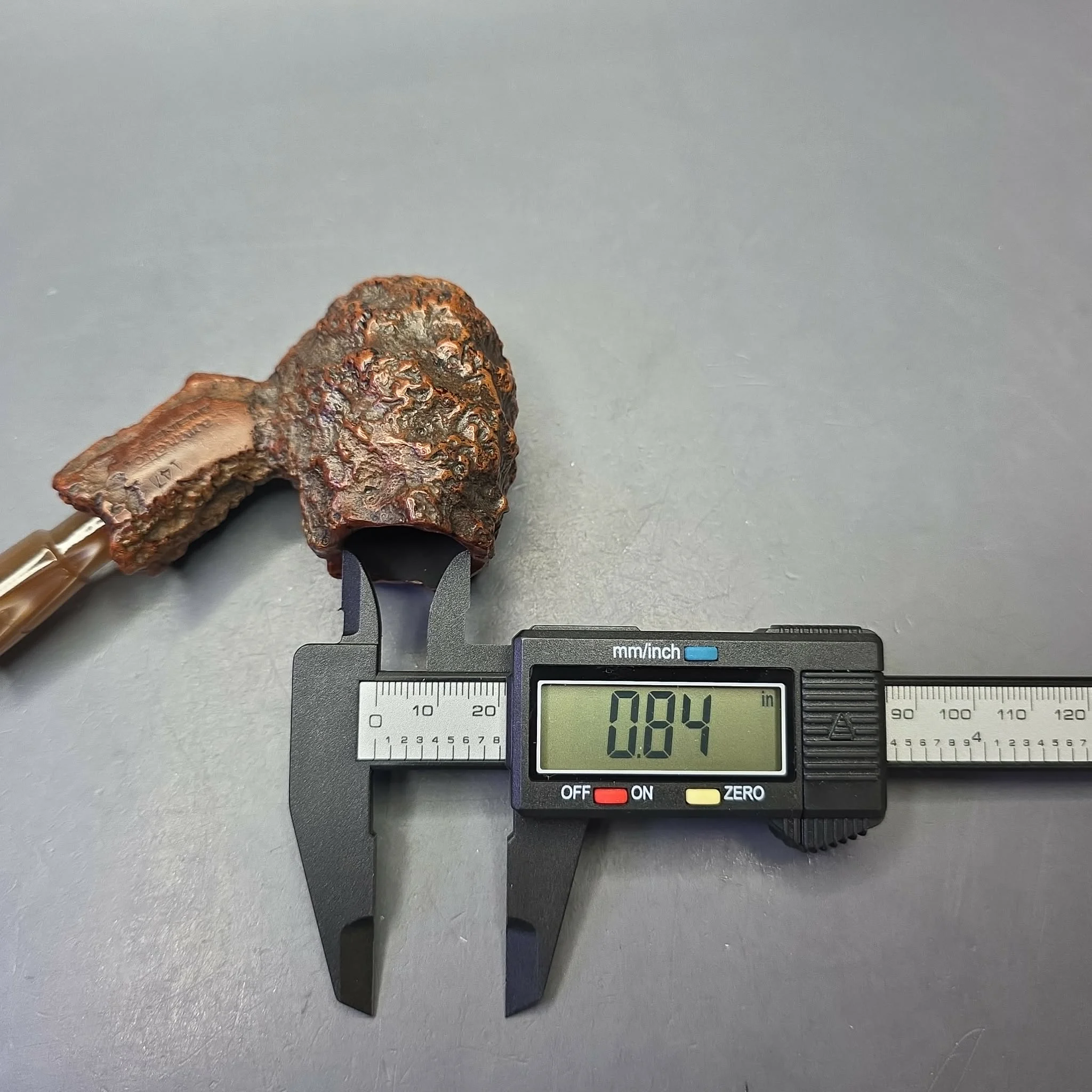
Bowl Width: 0.81 / 20.57mm
Bowl Depth: 1.81″ / 45.97mm
Weight: 1.6oz / 48g
| Weight | 15 oz |
|---|
| Condition | Used |
|---|---|
| Notes | Refurbished. |


