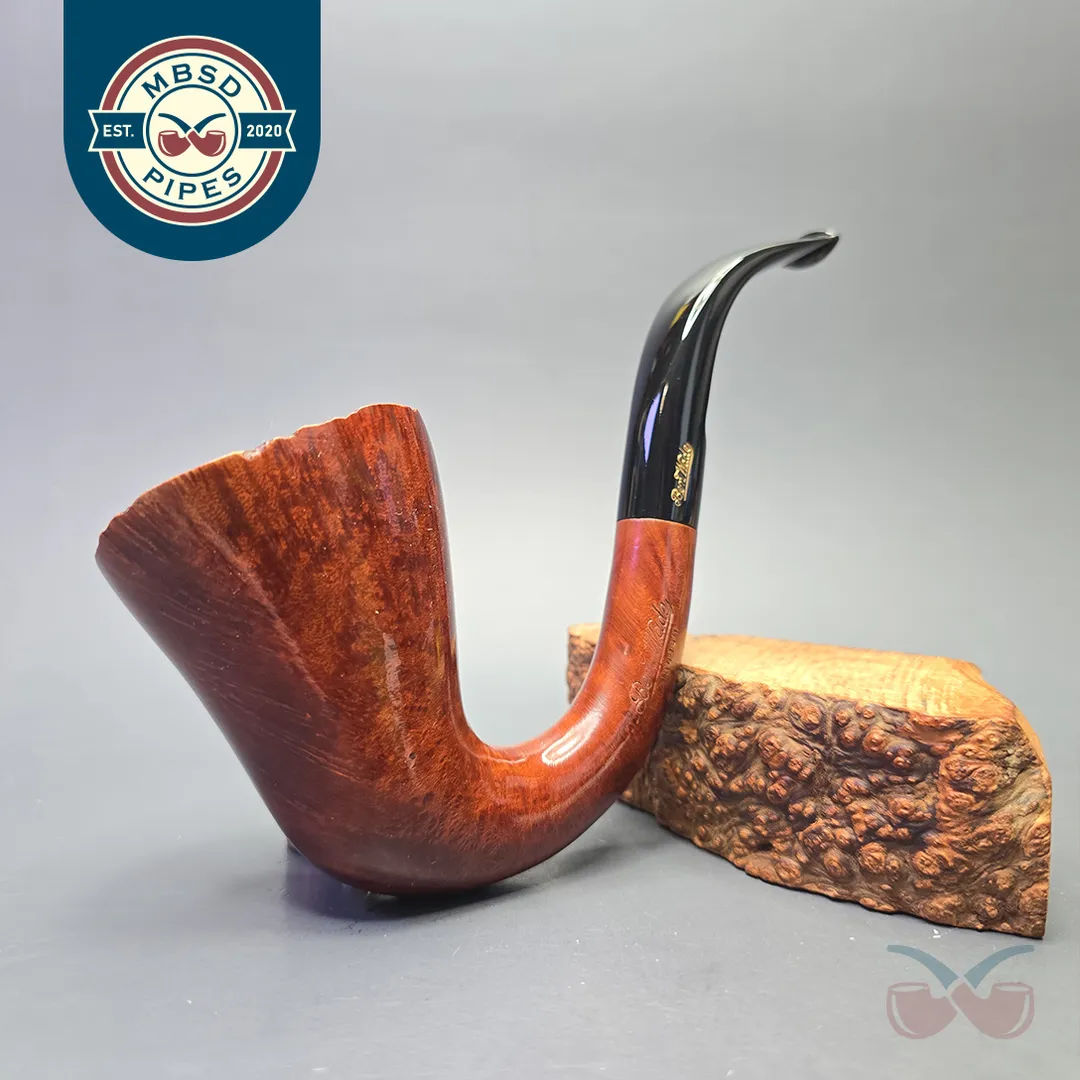
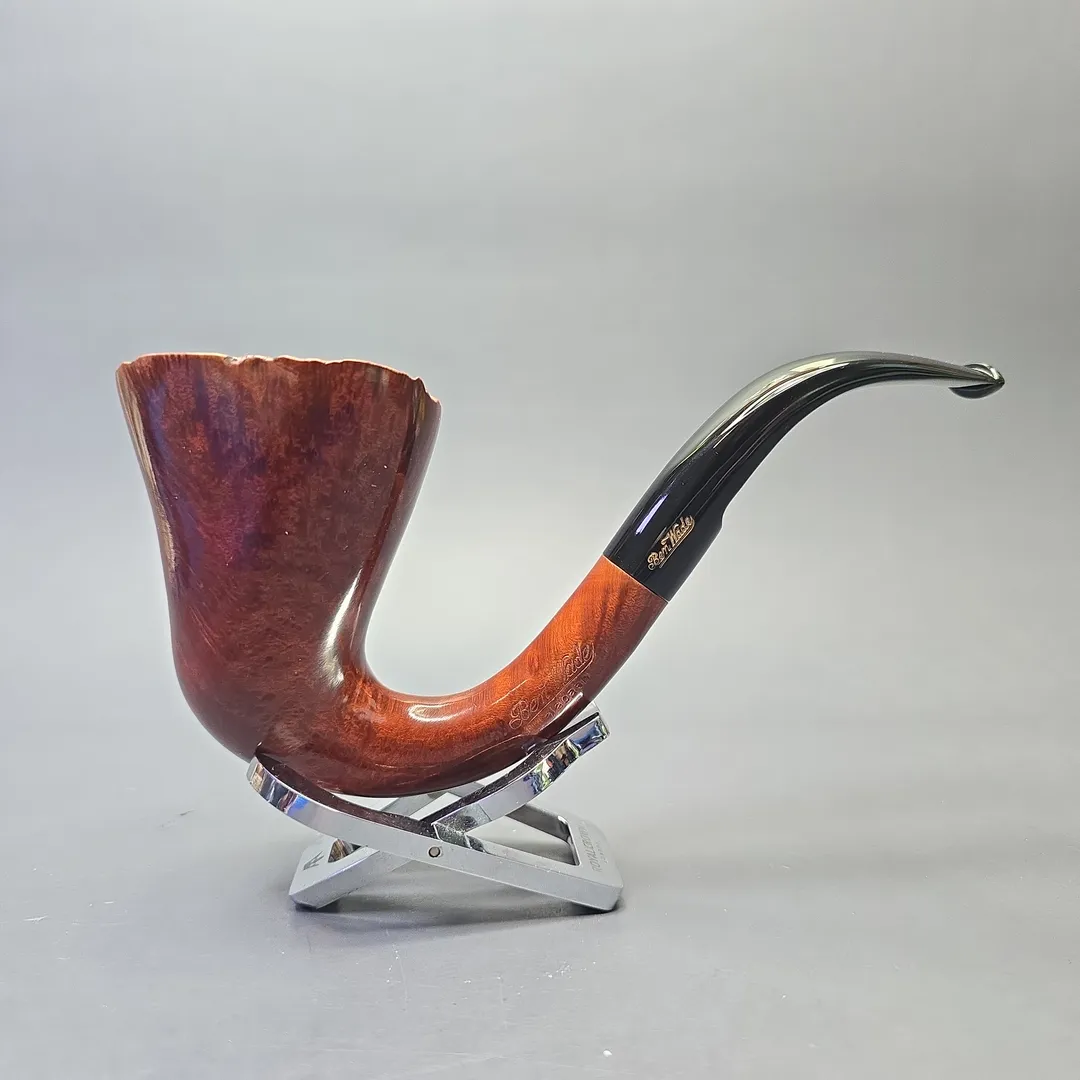
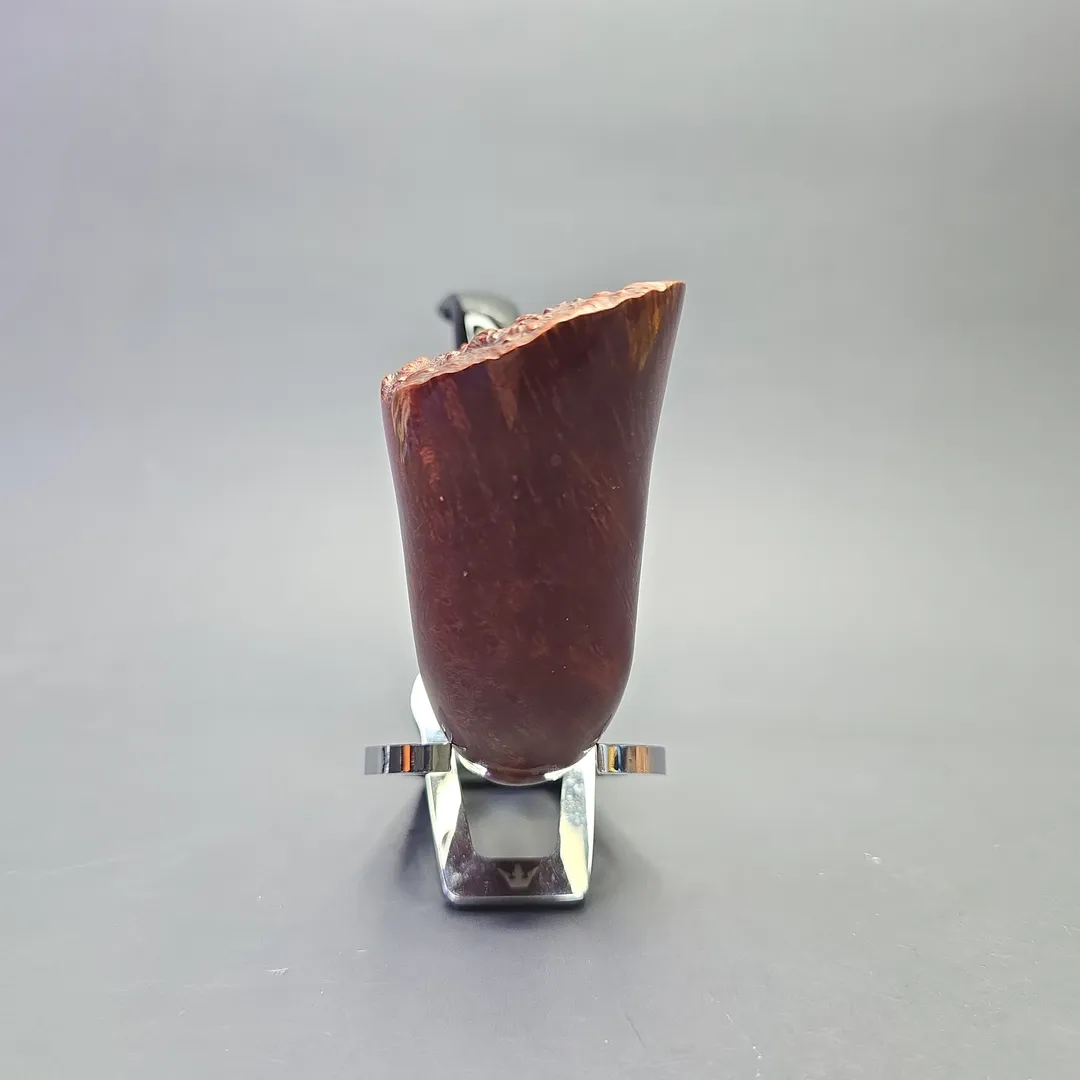
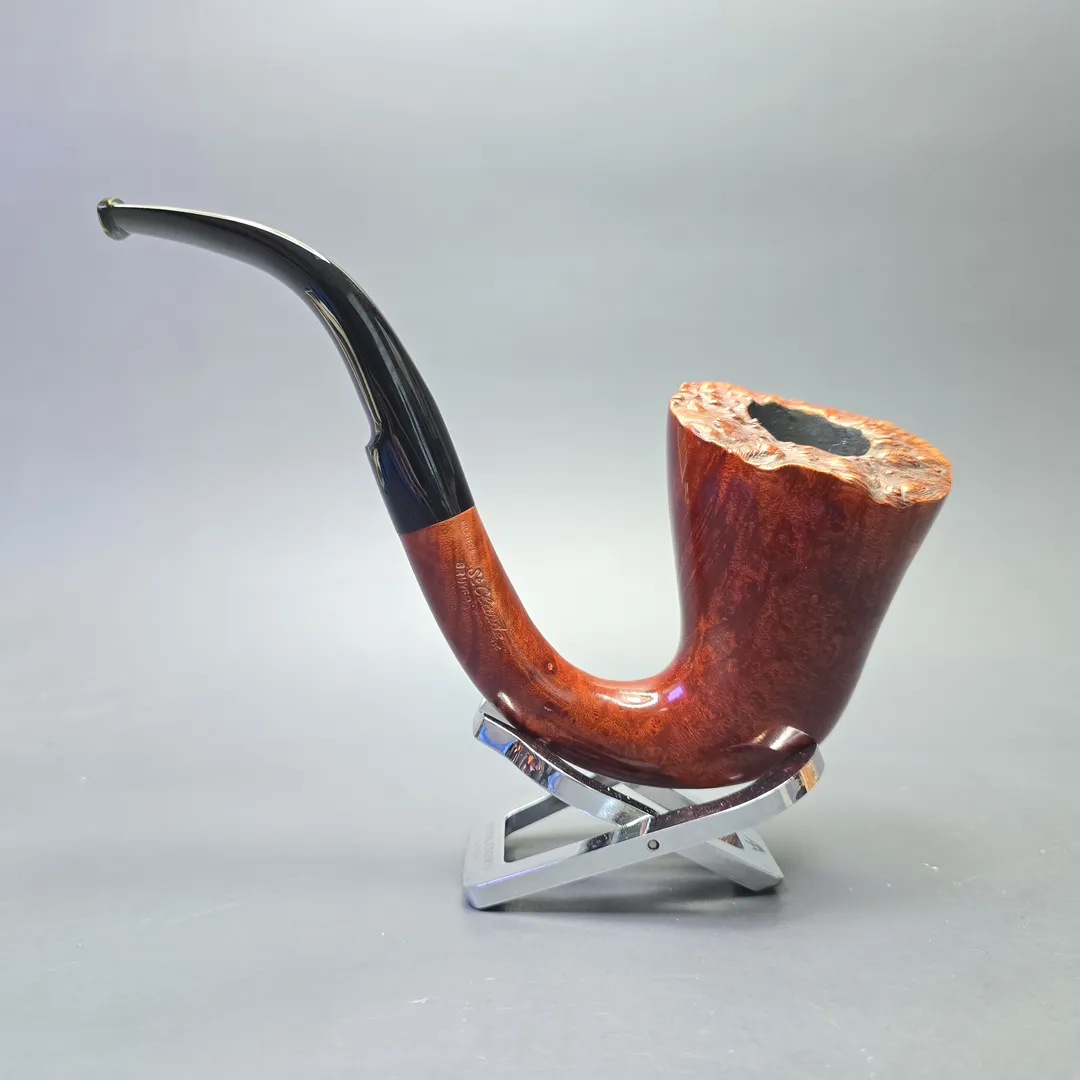
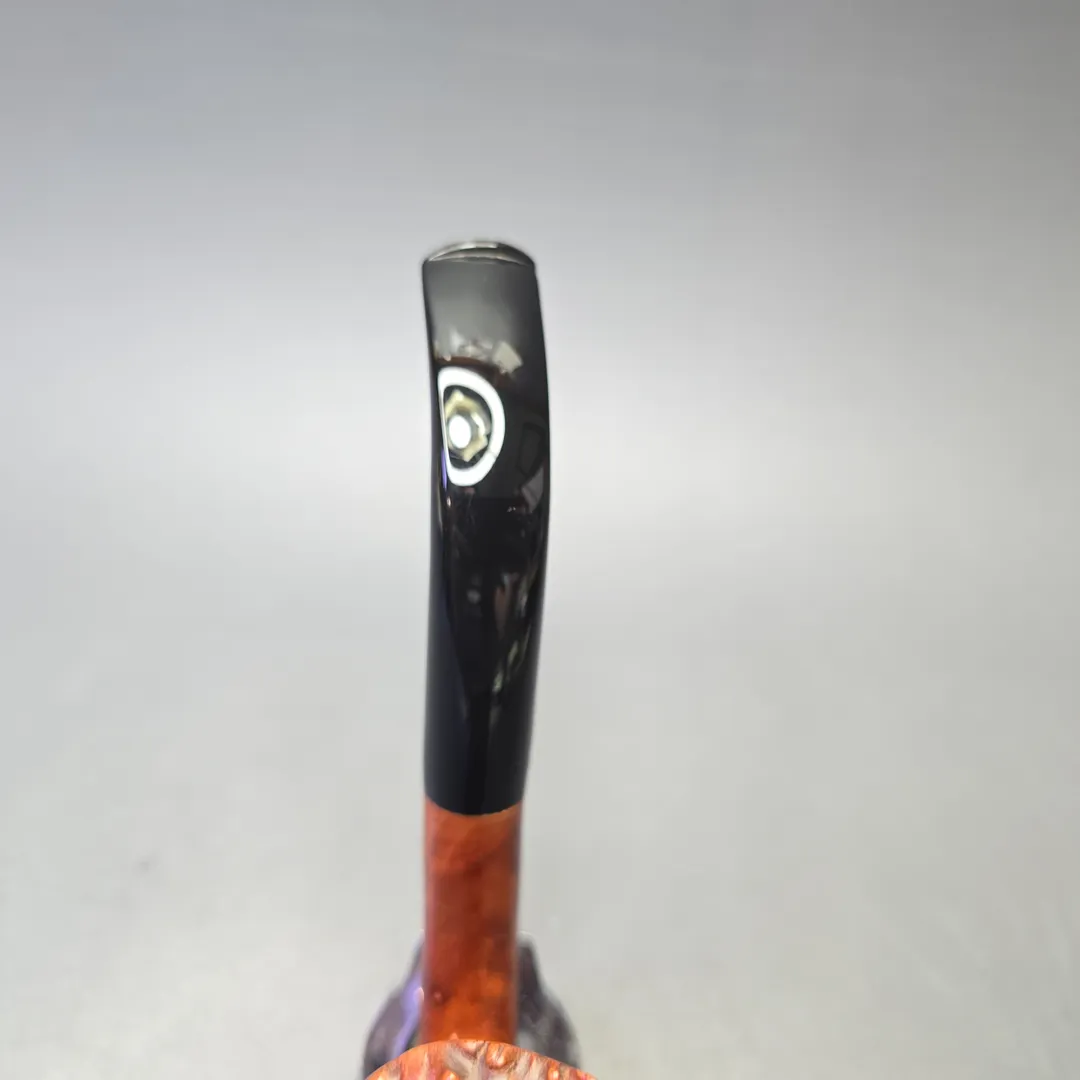
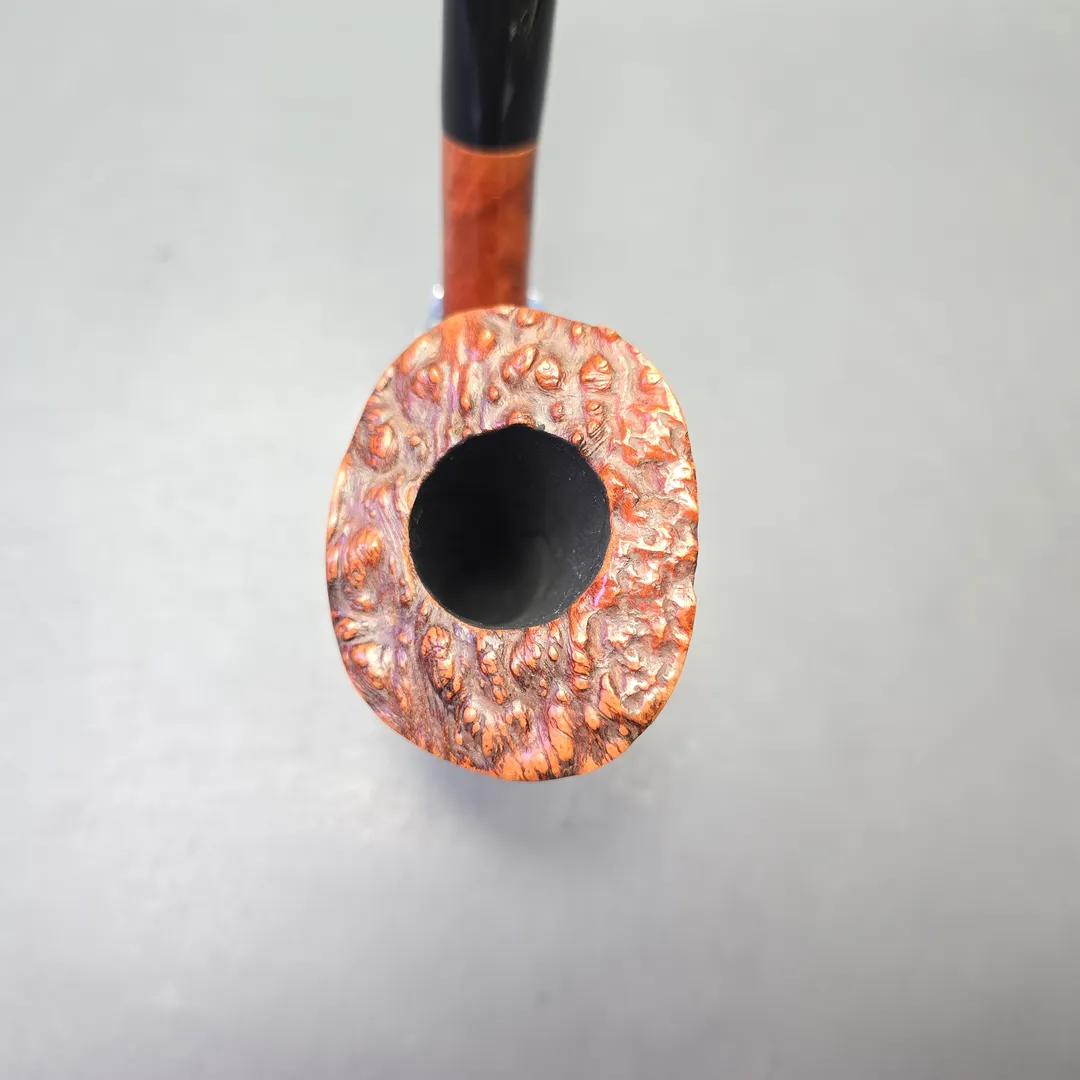
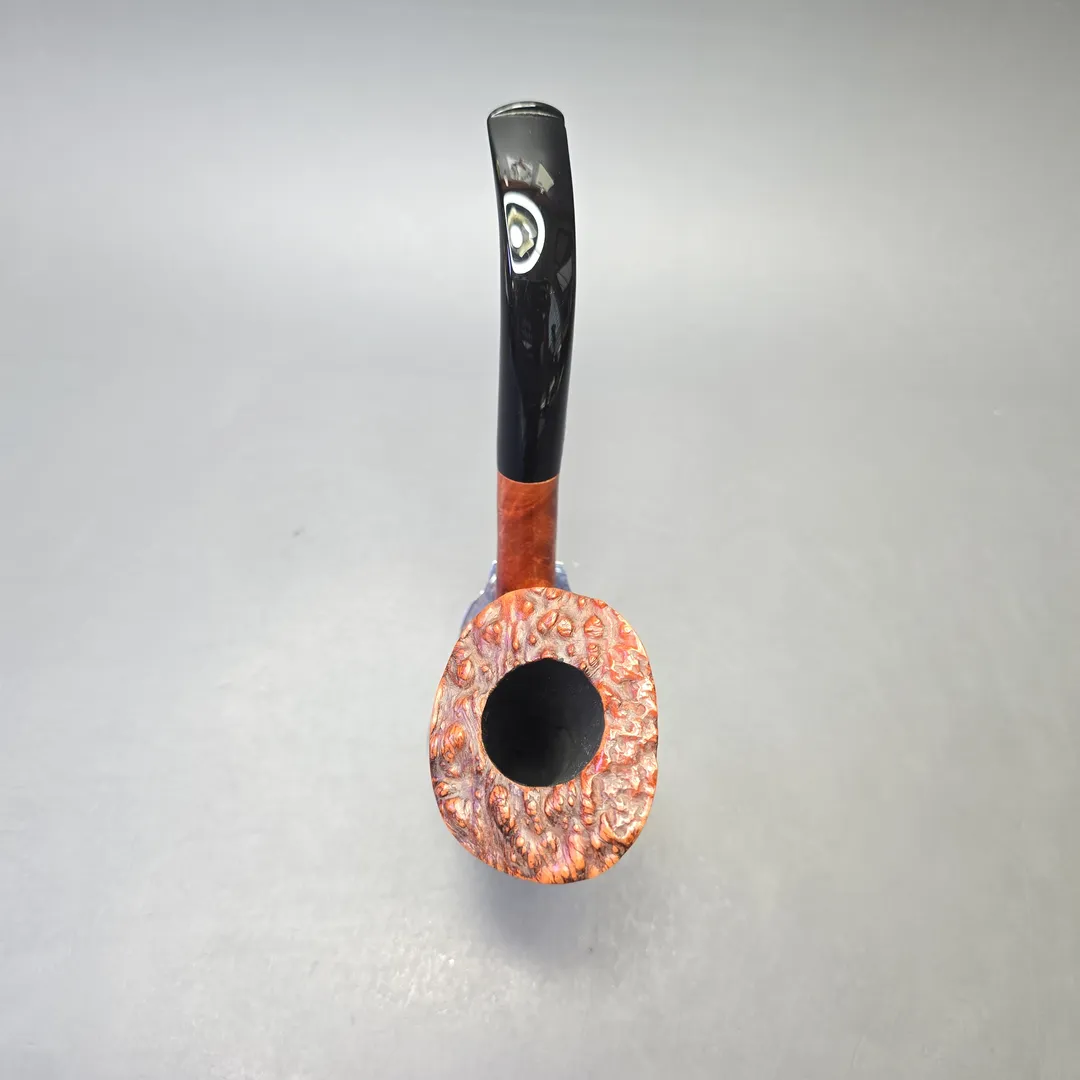
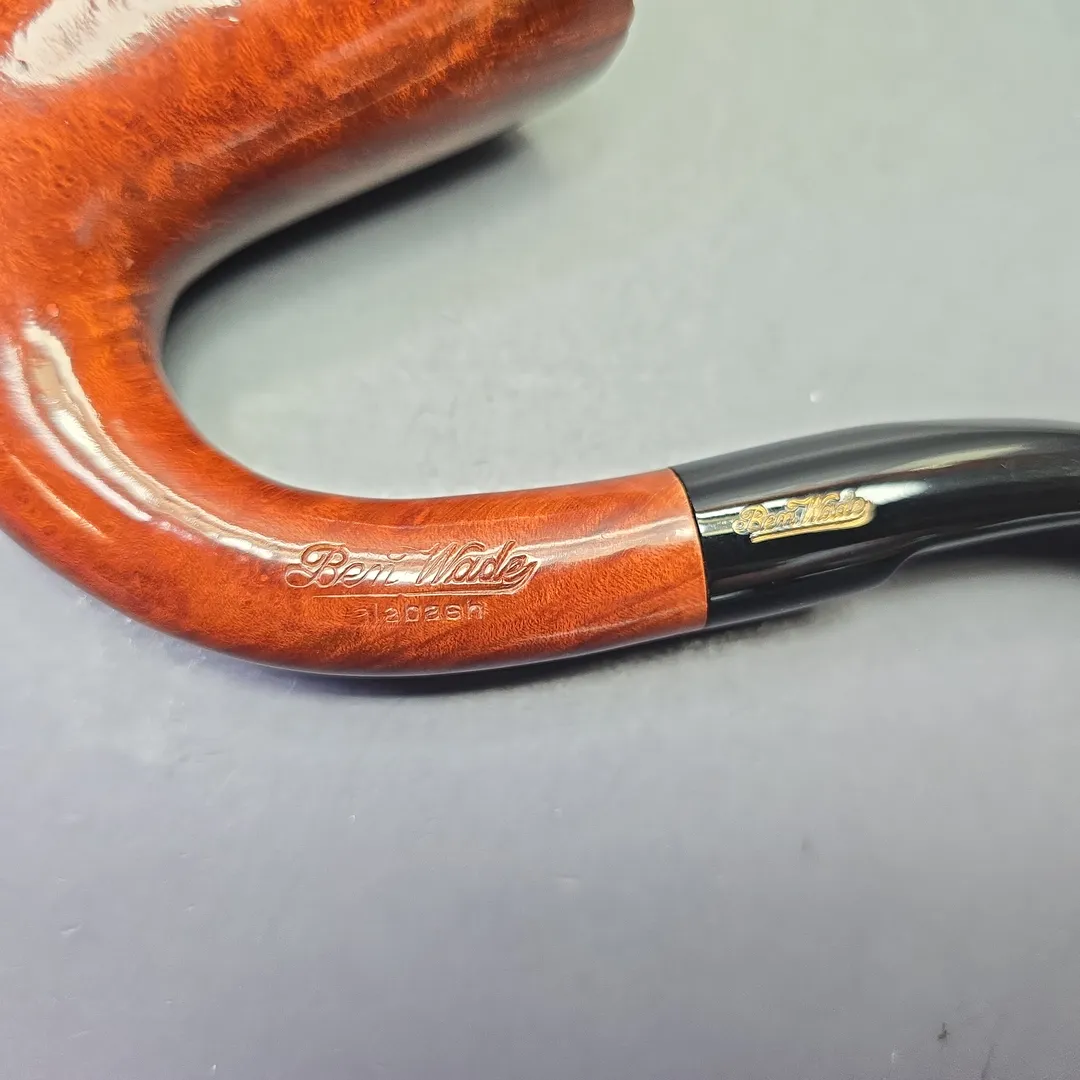
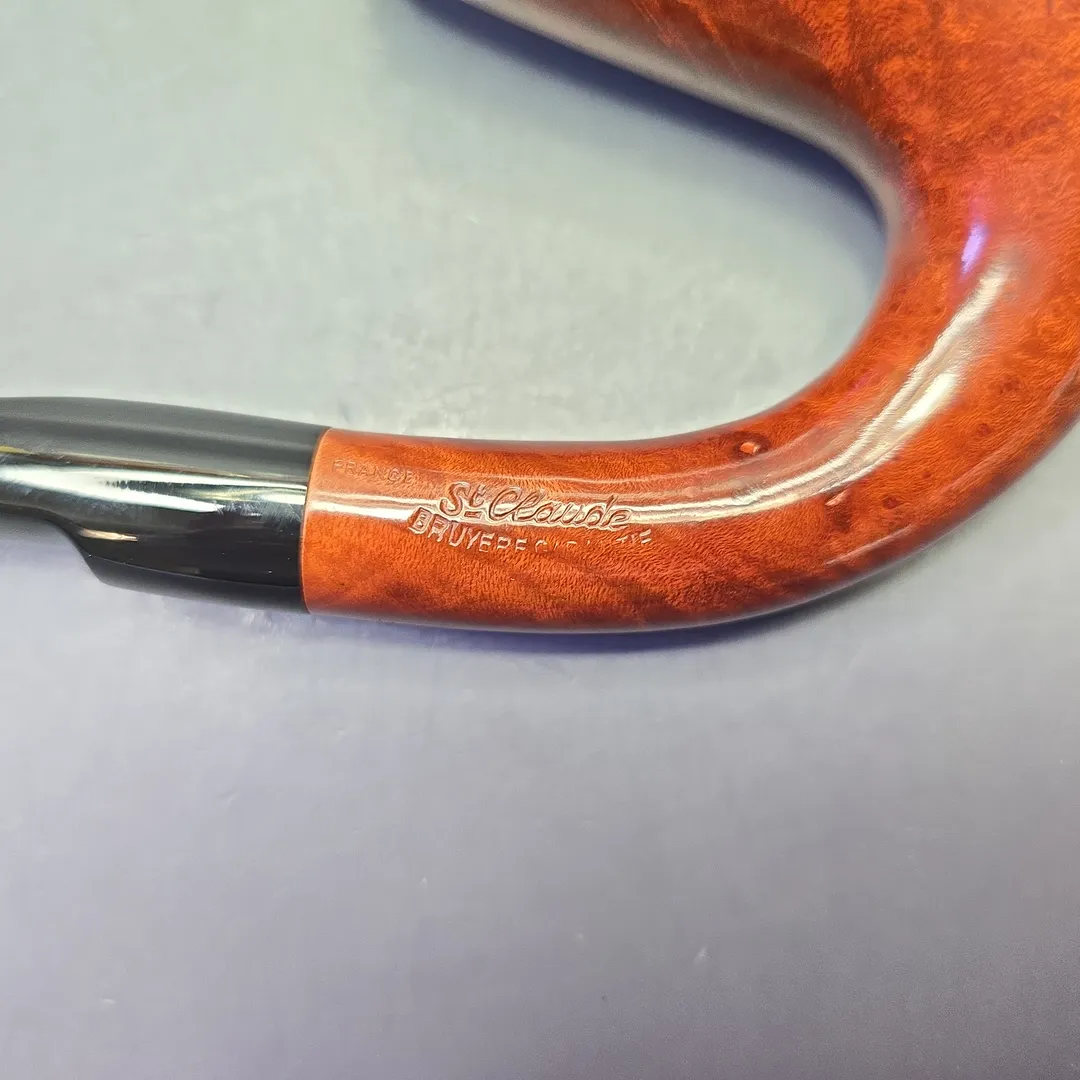
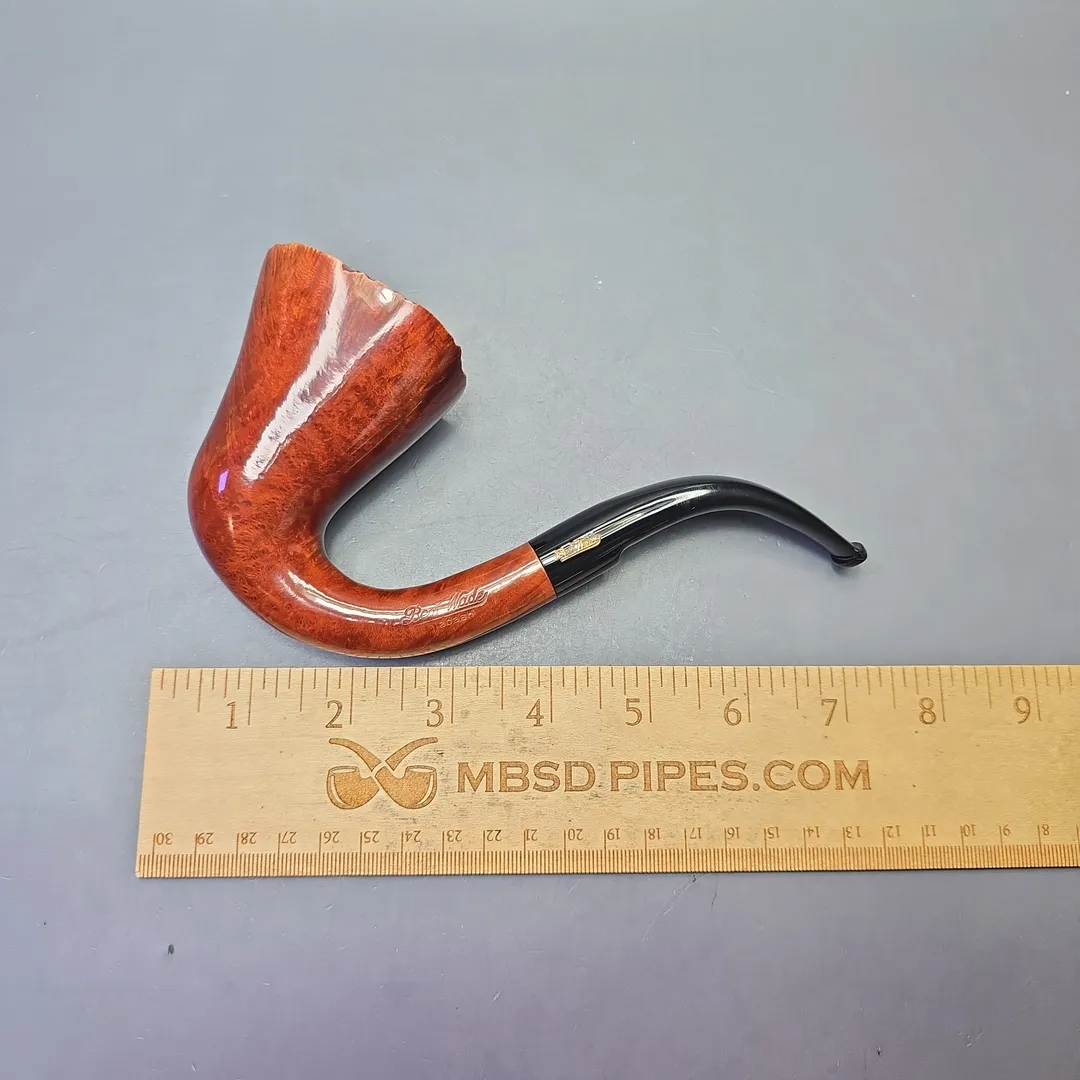
Ben Wade (French Production) Smooth Calabash (Estate)
Out of stock
New pipes go up nightly at 9 PM. Join our newsletter to hear first.





About this pipe:
As is the case for so many of the historic makes of 19th and 20th century briar pipes, Ben Wade has had numerous different owners since its founding. As such, Ben Wade pipes have been manufactured in many different styles by many different people, and have served different purposes within the broader scheme of those responsible for them.
For example, when the make was founded by Leeds-based English pipe merchant Benjamin Wade in 1860, Ben Wade pipes were classical in style (reflecting the design trends of the time), manufactured in a family-owned, Northern English factory, and were renowned for their high-quality. After the make was purchased with Lane Ltd. in the mid-20th century, however, Ben Wade became a sub-brand for Charatan (which Lane also owned), meaning the pipes were made in London in accordance with the latter’s shaping conventions, as they were now essentially Charatan pipes that didn’t quite make the grade to become Charatans proper.
Later still, Lane Ltd. used the Ben Wade make to market Danish Fancy freehands. The quality of Ben Wade pipes became significantly higher, as they were now made in the workshop of Preben Holm, but they were stylistically completely different from their origins, or indeed anything typically “English.”
Preben Holm’s passing in 1988 did not signal the end of Ben Wade pipes, however. As we’ve seen with some recent estates listings, the last Ben Wade pipes to be made were the project of Peter Wilson, an English pipe maker affiliated with Duncan Briars, but between Holm’s Danish-made Ben Wades and Wilson’s English-made ones, there were a few other minor revivals of interest. Perhaps the second-strangest, after Ben Wade went fully “Danish,” was a brief period when Ben Wade pipes went French.
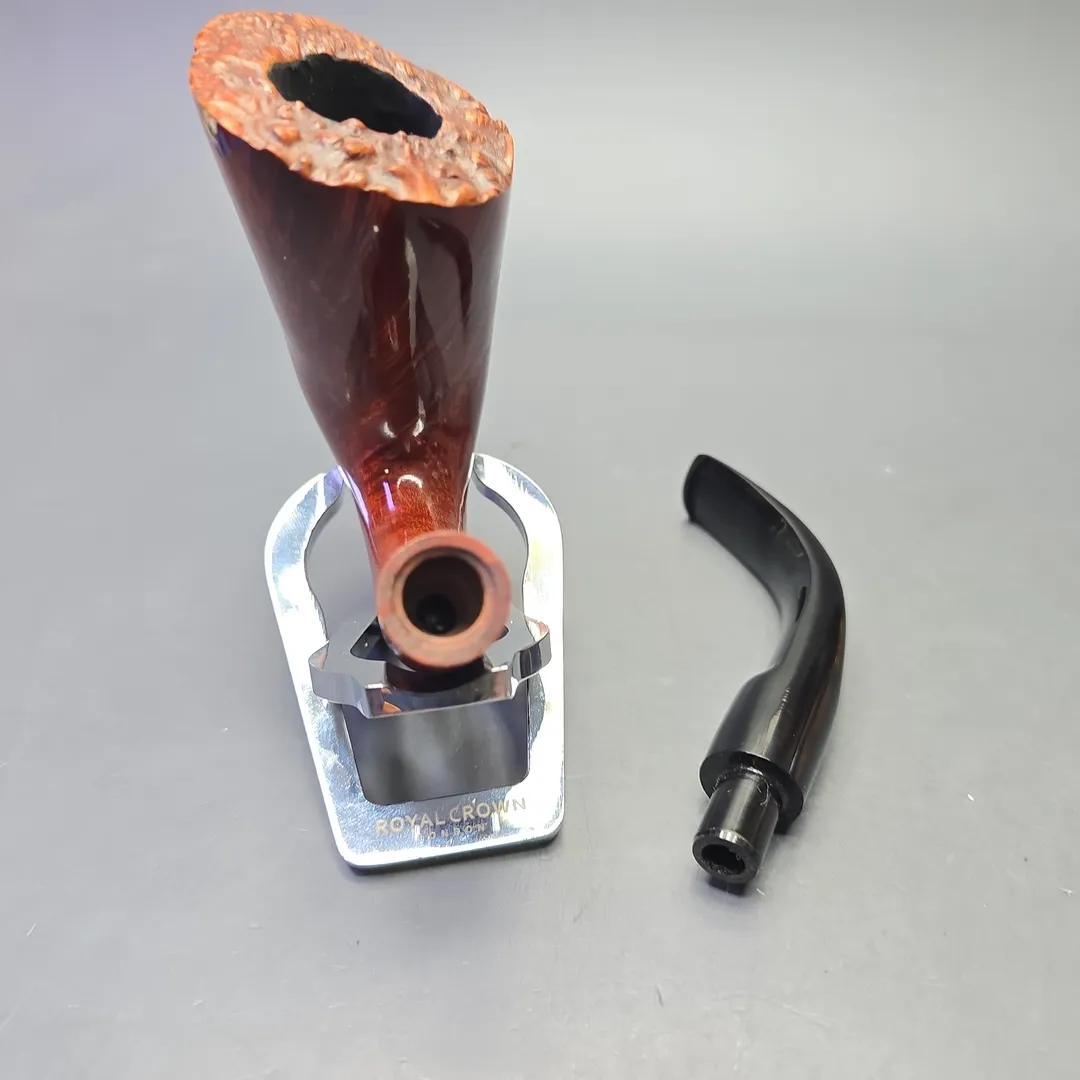
The “Calabash” was a line of these French-made Ben Wade pipes. Embodying the stature and figure of a traditional calabash (even if they lacked the shape’s historical cap), one of the most interesting things about these pipes was “under the hood,” as it were. Rather than a standard, straight bore, a specialized flexible drilling technique was used on them, allowing a curved draft hole to be achieved. Such techniques are not unheard of within pipe making, though they are still very rarely used, with only a small number of workshops and artisans still utilizing them today. Those workshops are largely concentrated in Italy and—of course—France, such as the Chapuis-Comoy campus. I do wonder if the latter might have been enlisted for the making of this pipe.
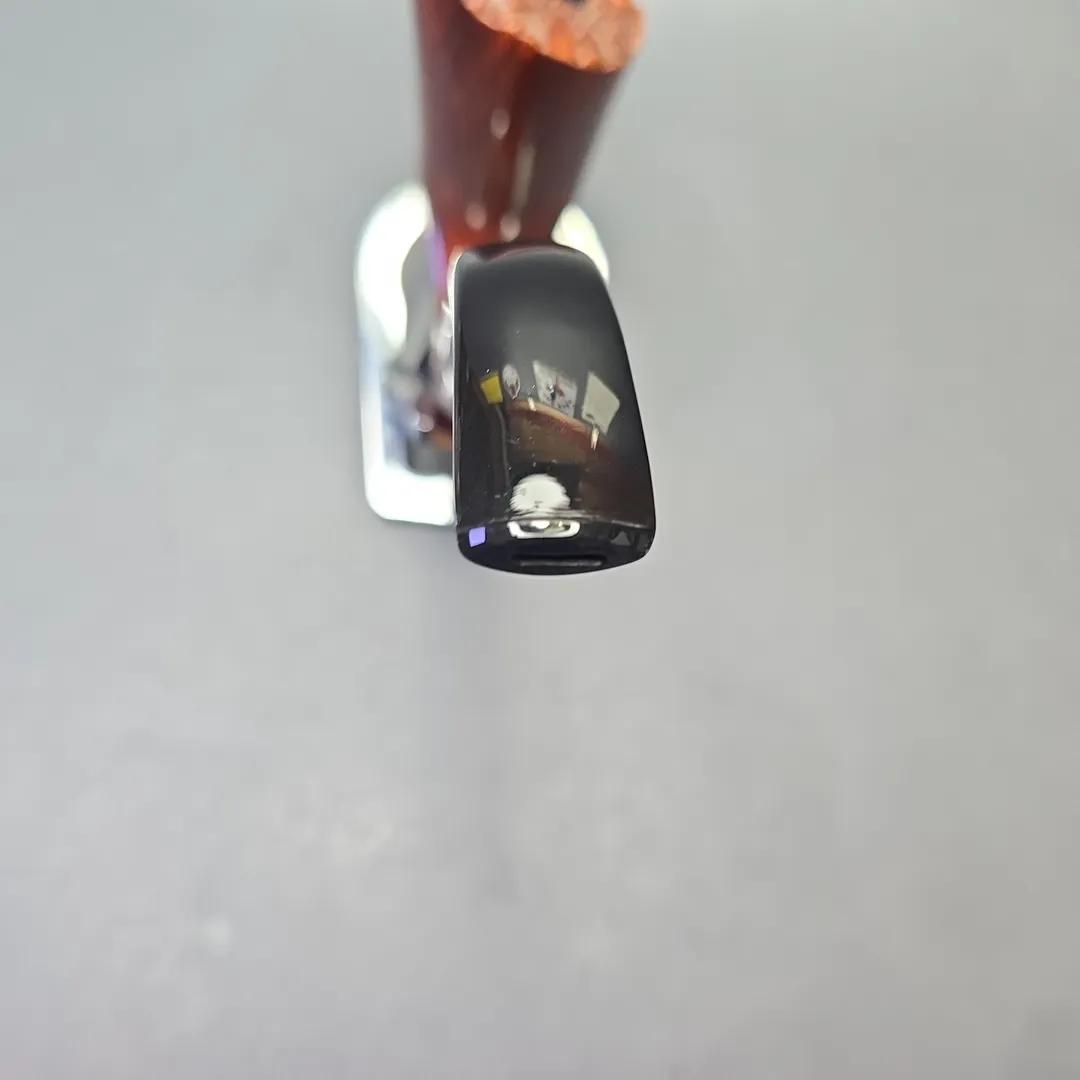
The condition is great. Slight finish fading and a couple of worn out fills.
Details:
Length: 7.2″ / 182.8mm
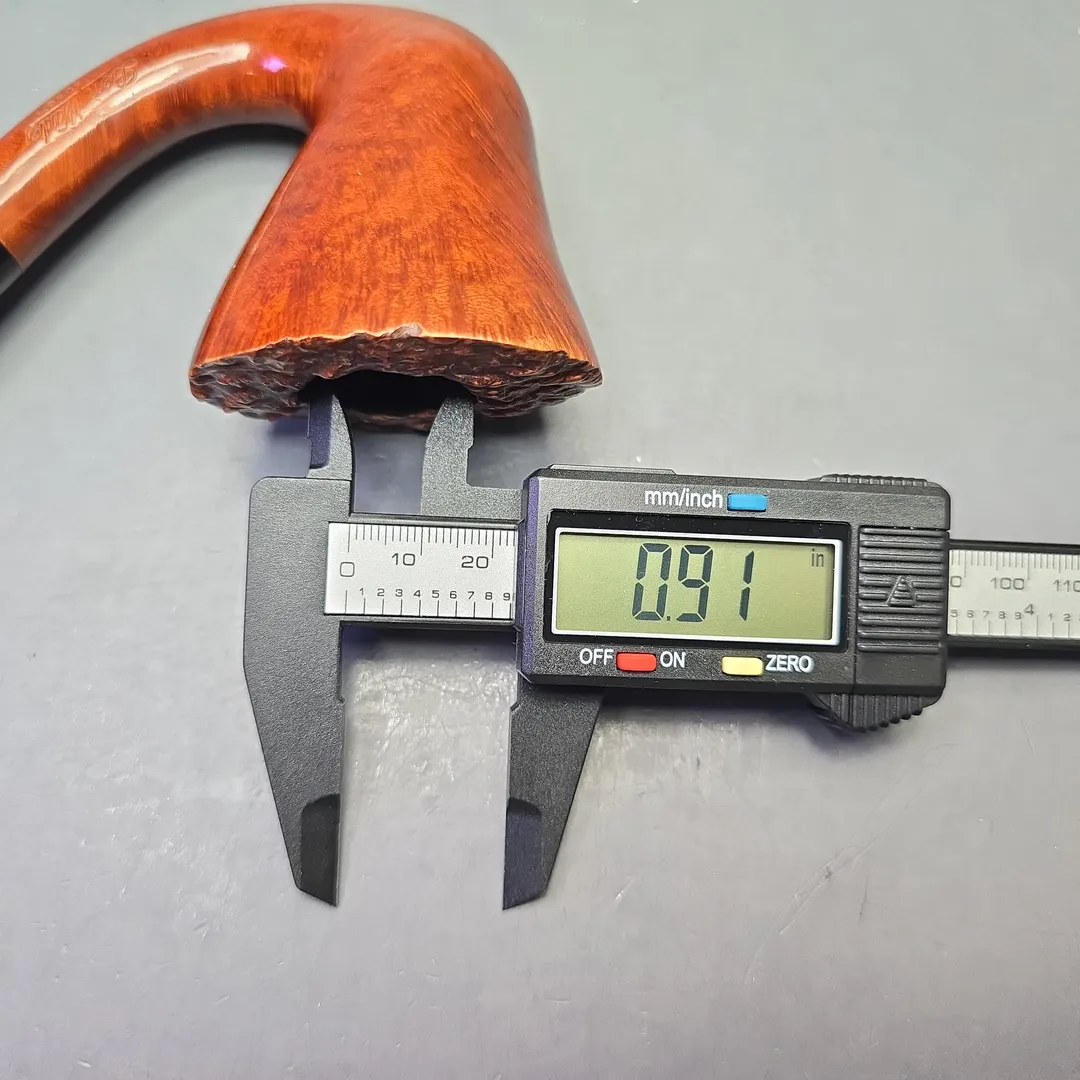
Bowl Width: 0.91 / 23.11mm
Bowl Depth: 2.77″ / 70.35mm
Weight: 3.0oz / 86g