
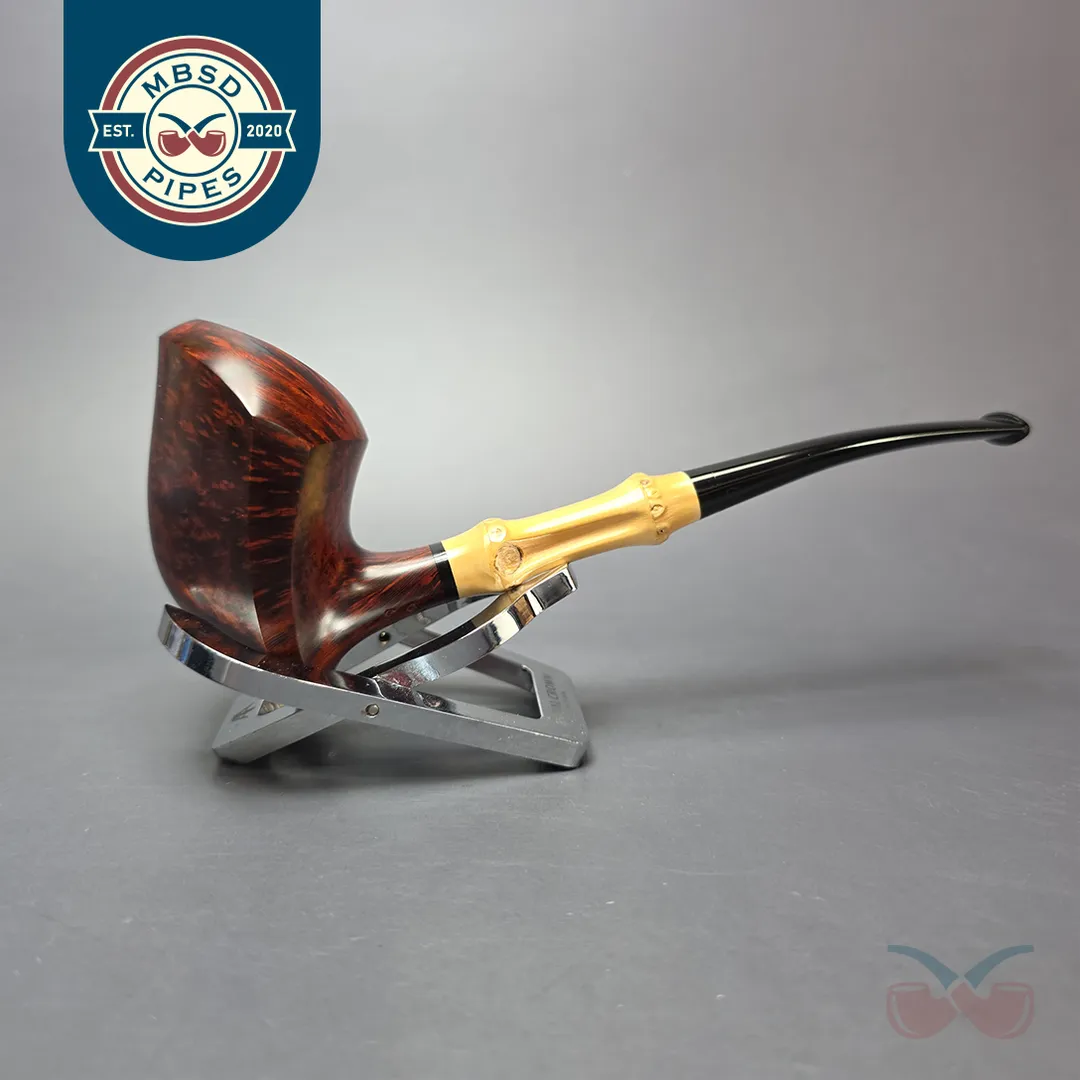
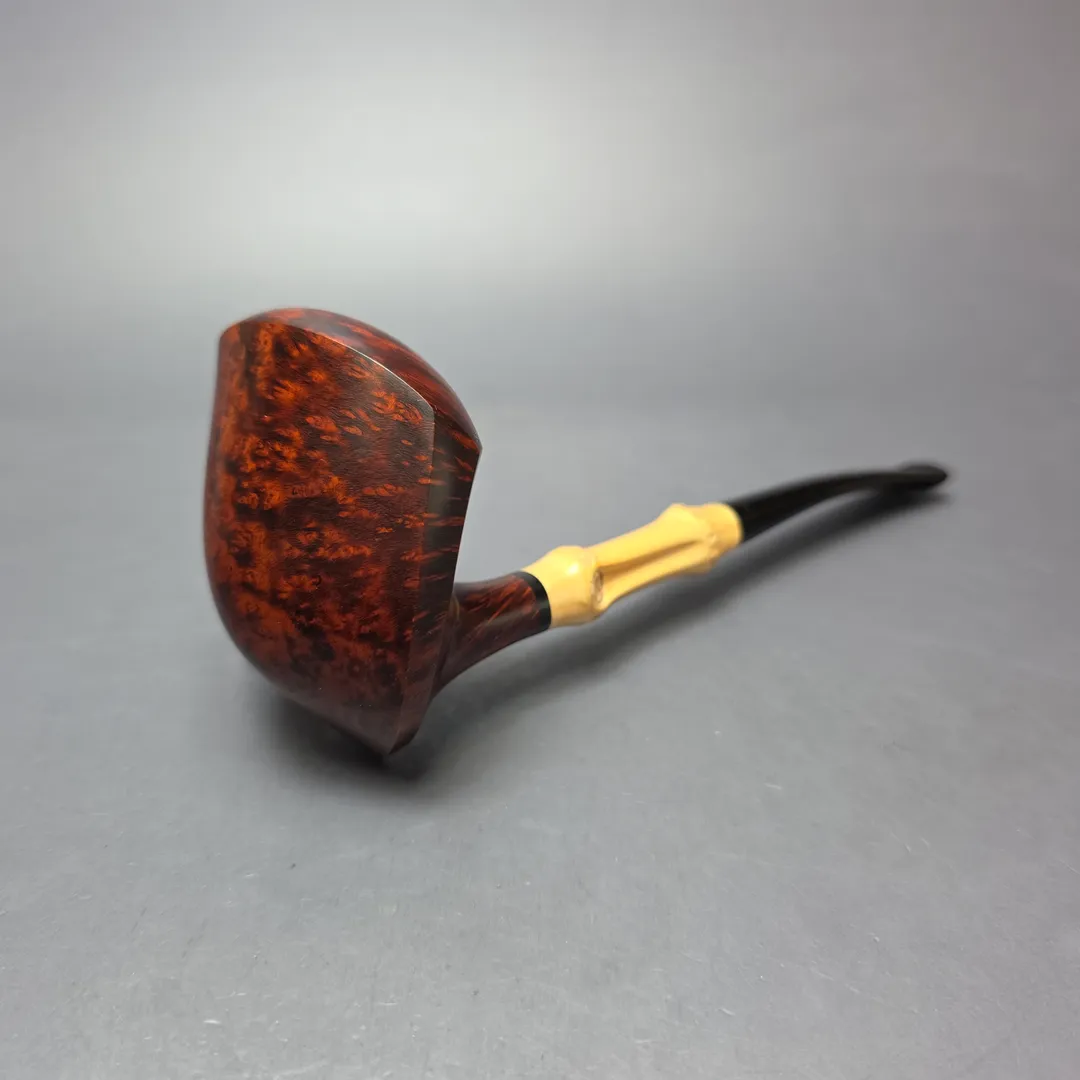
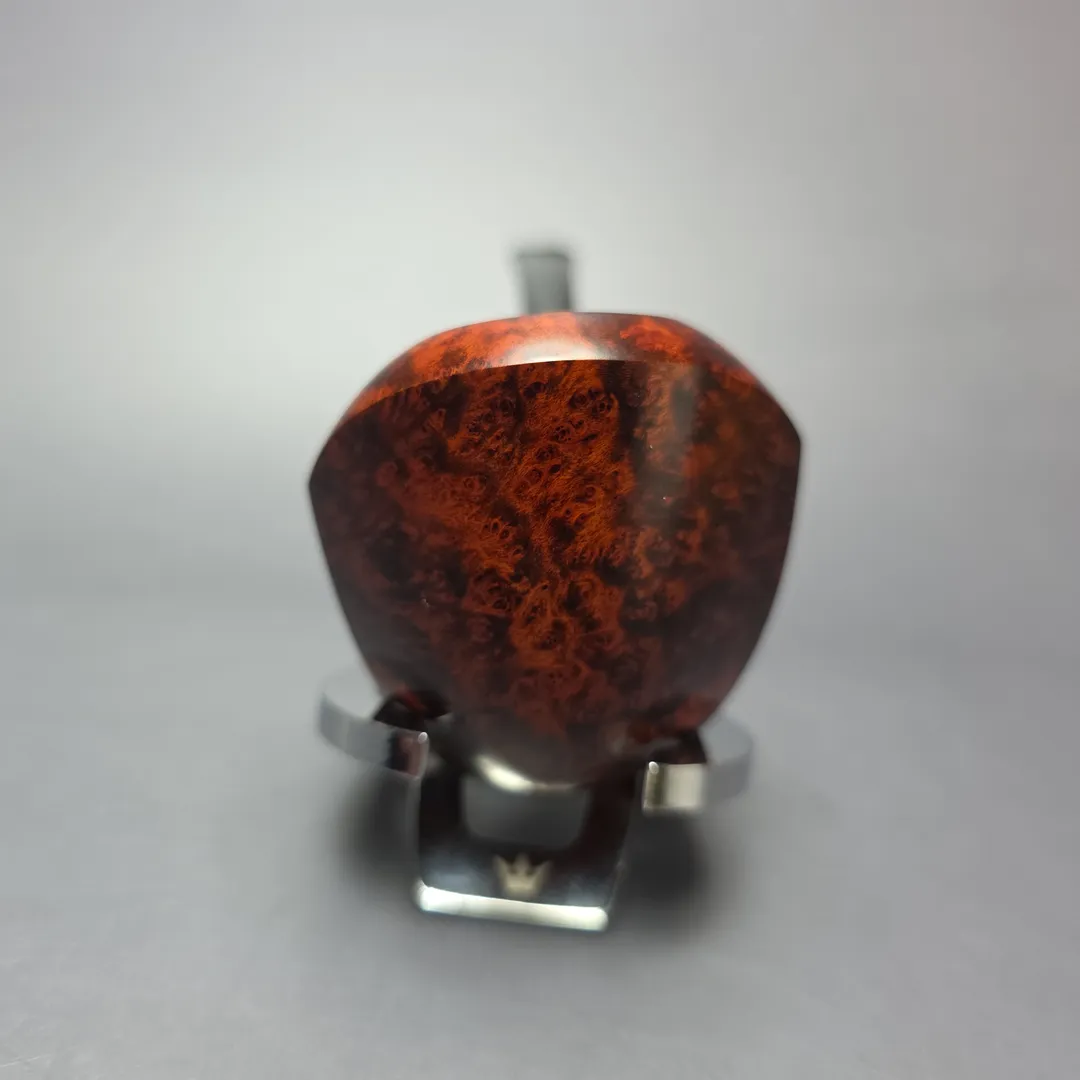
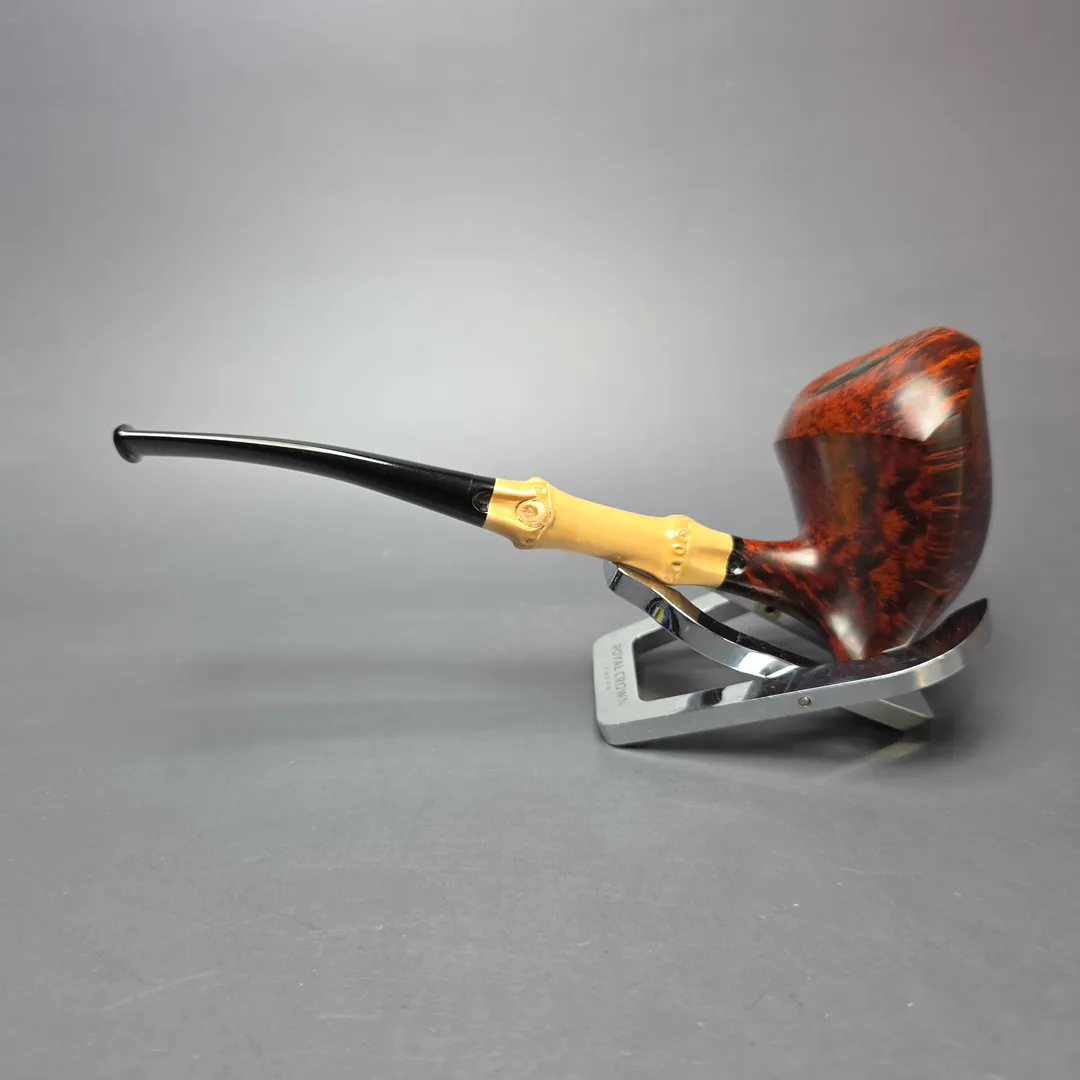
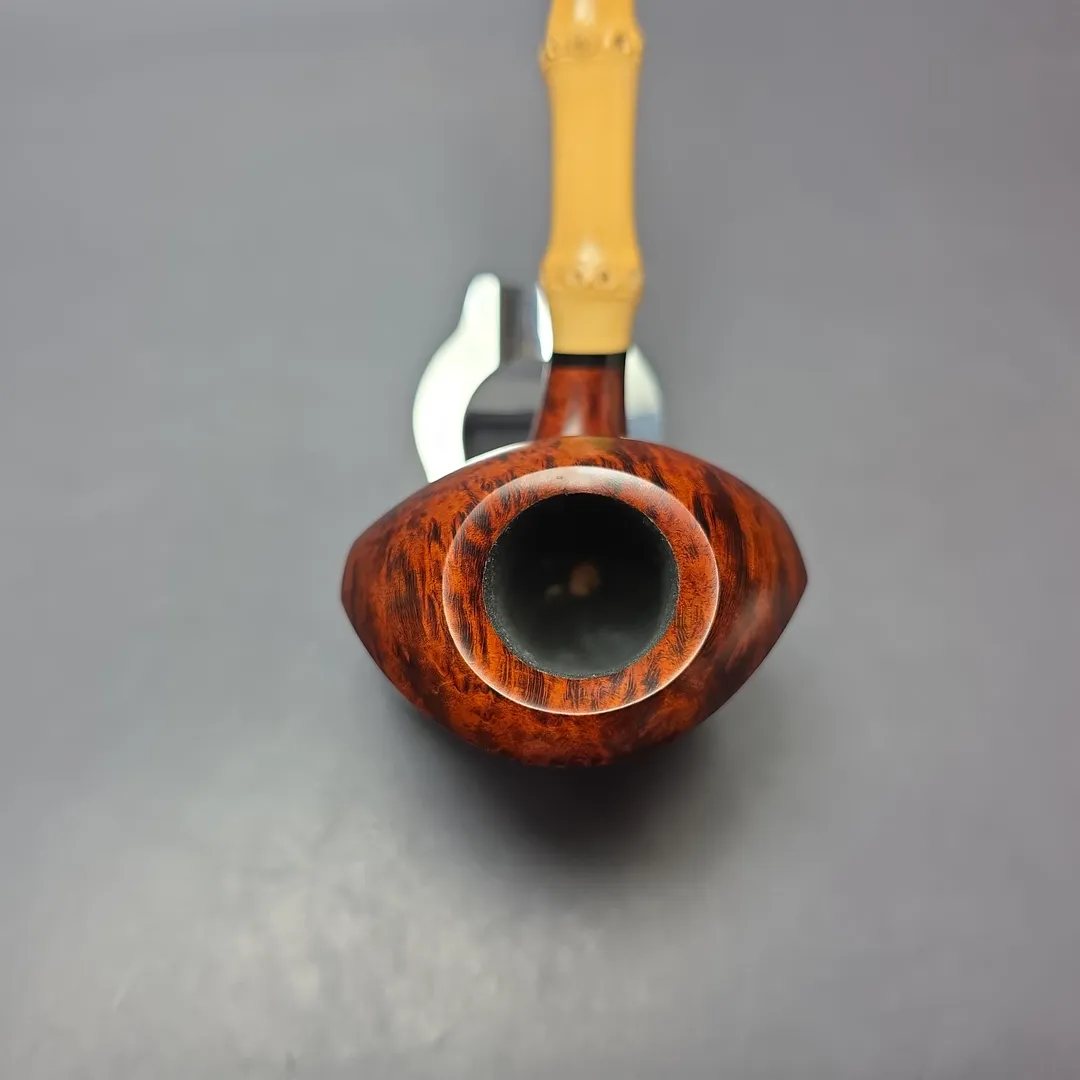
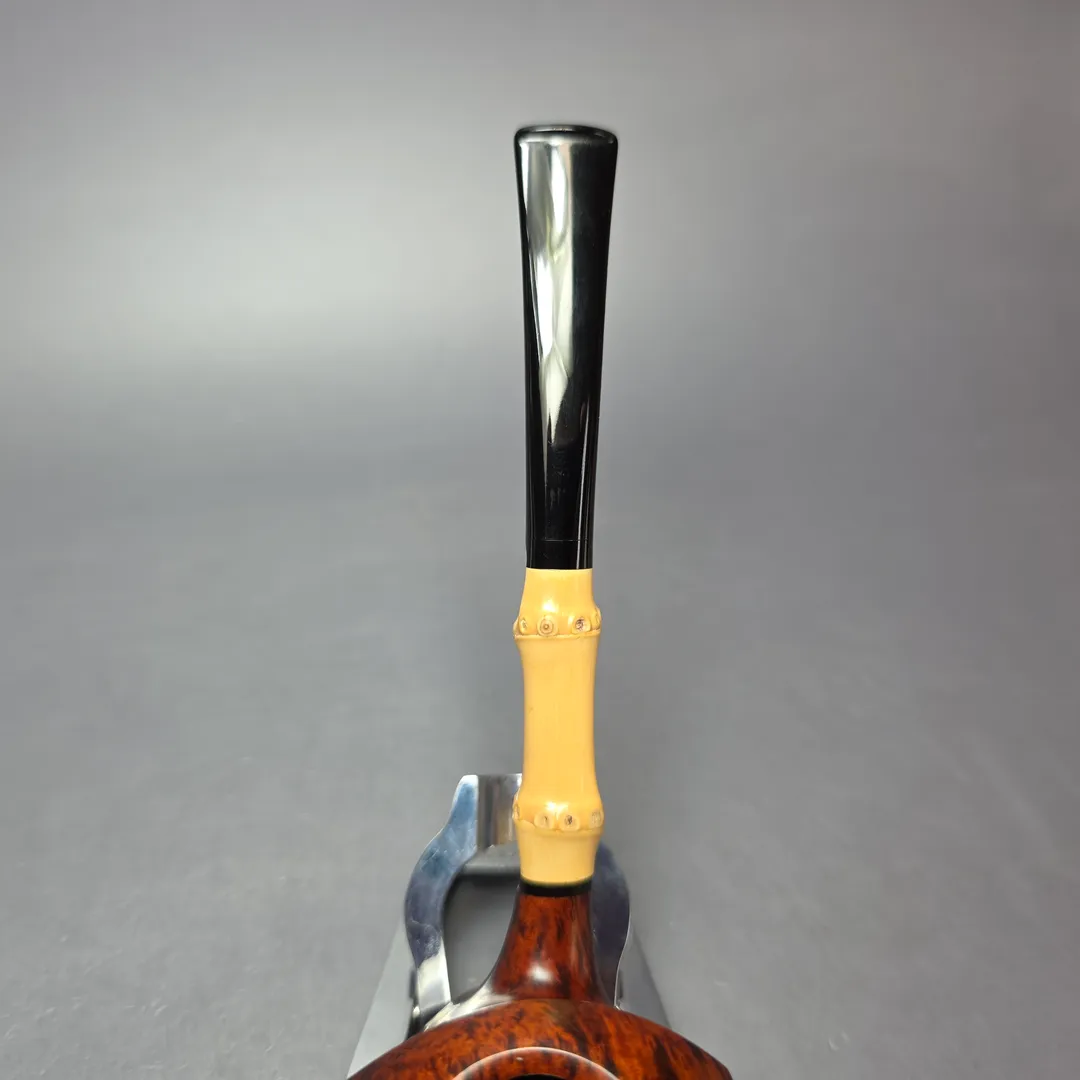
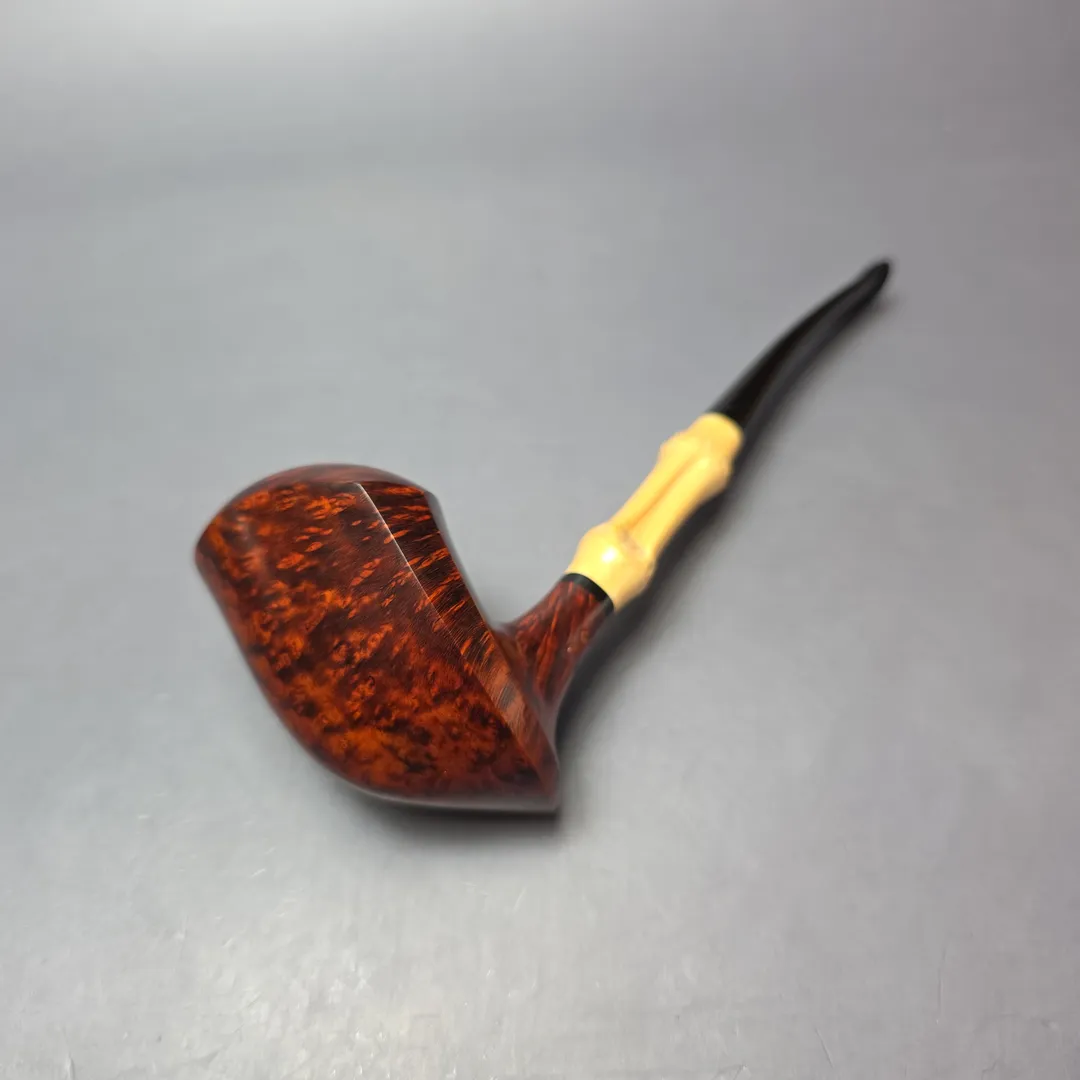
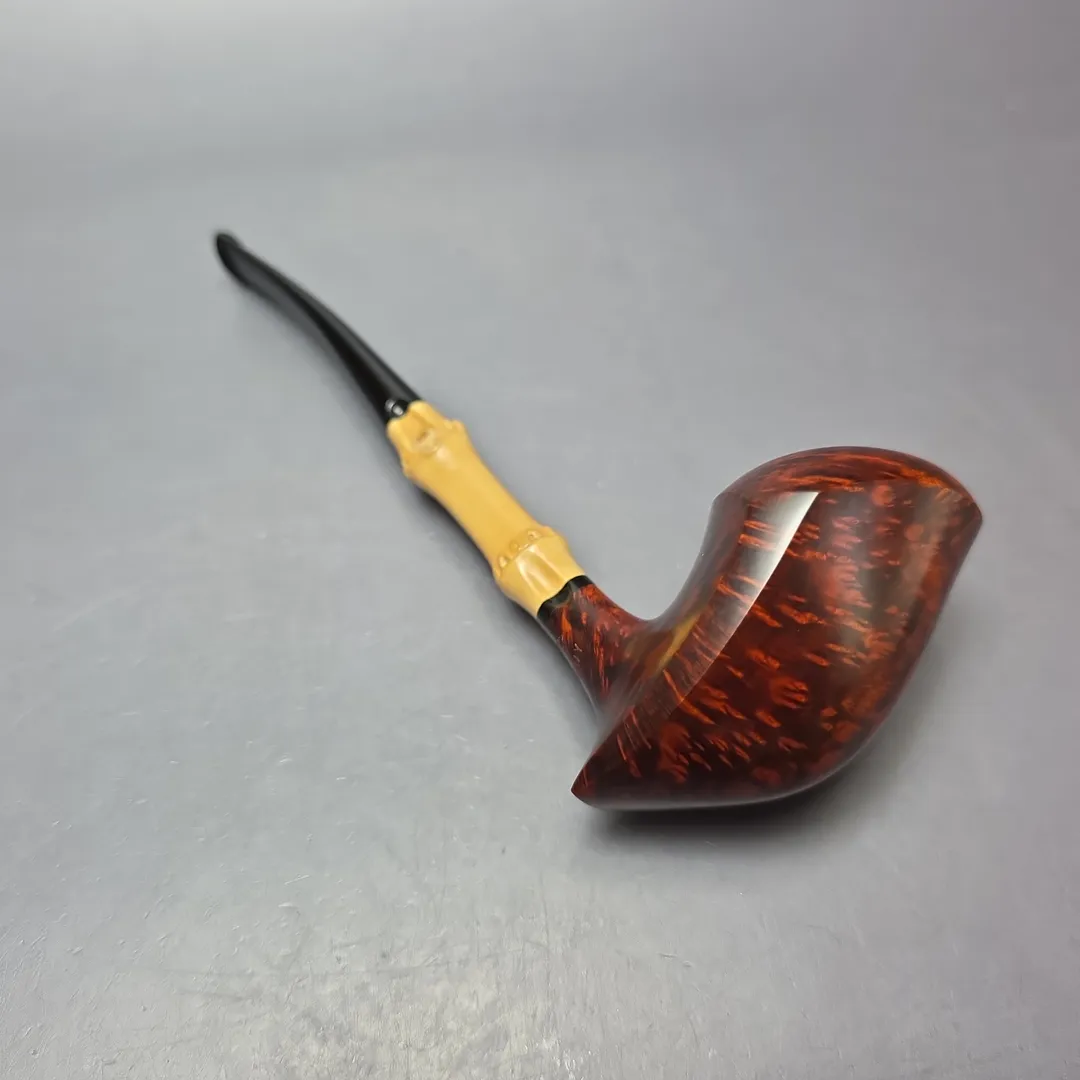
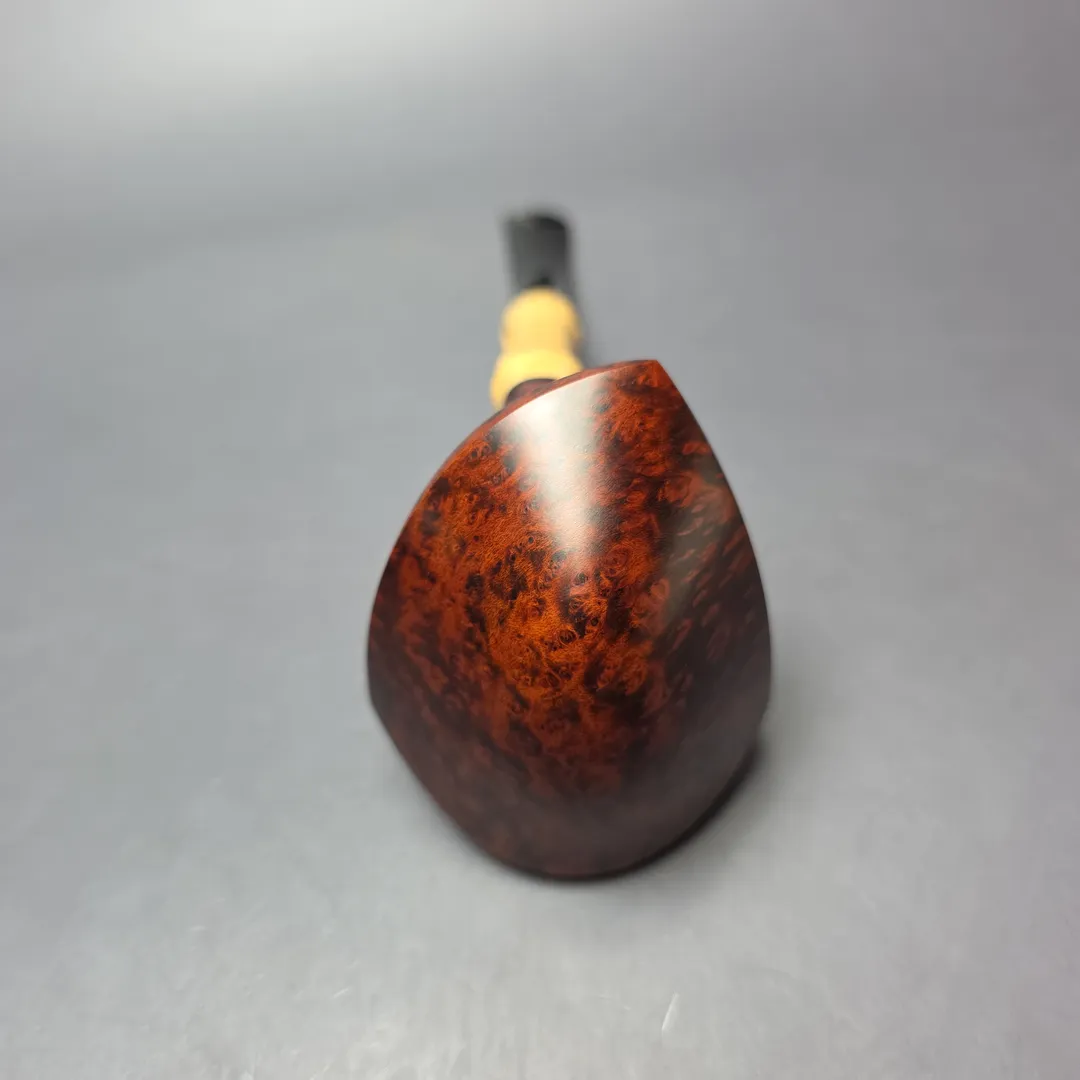
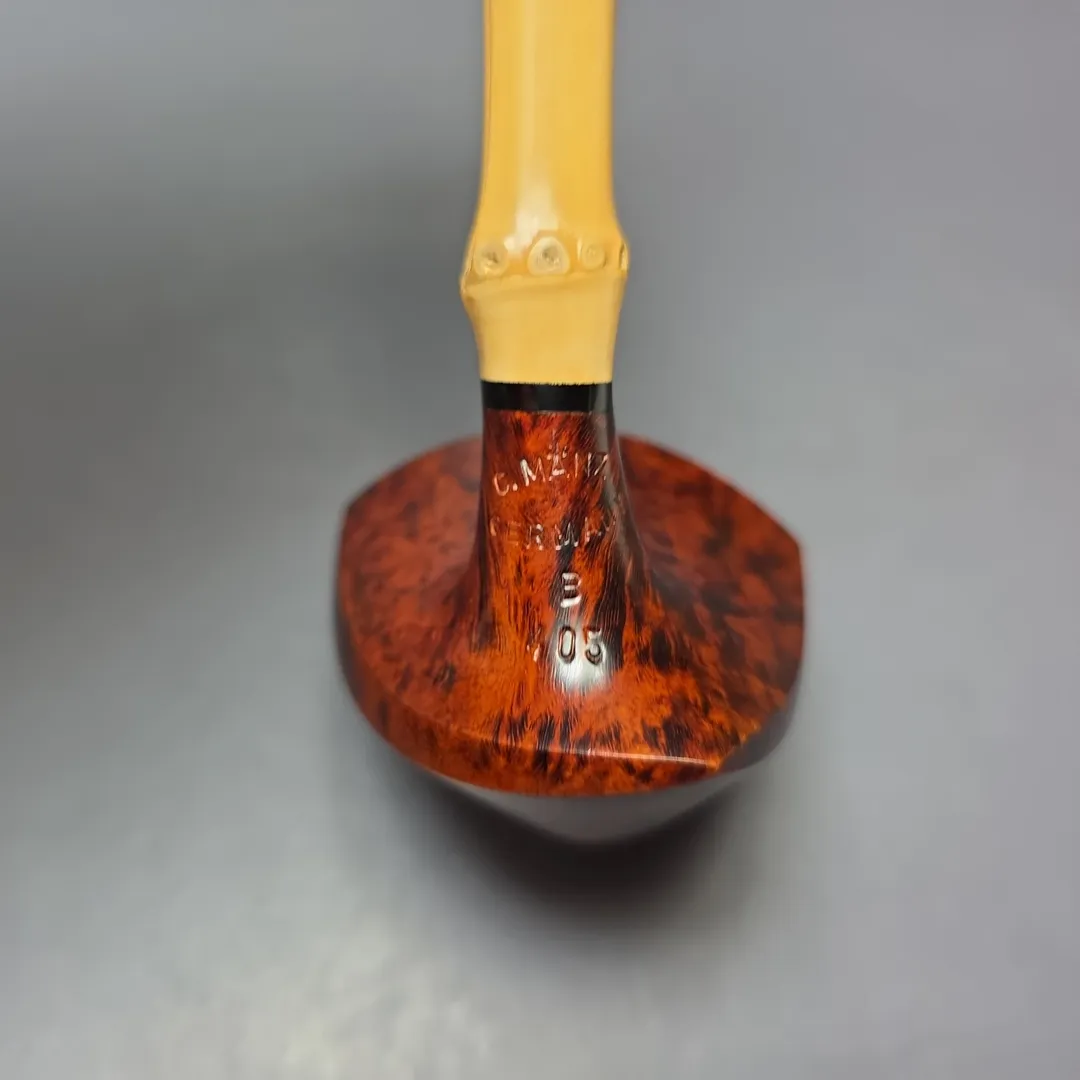
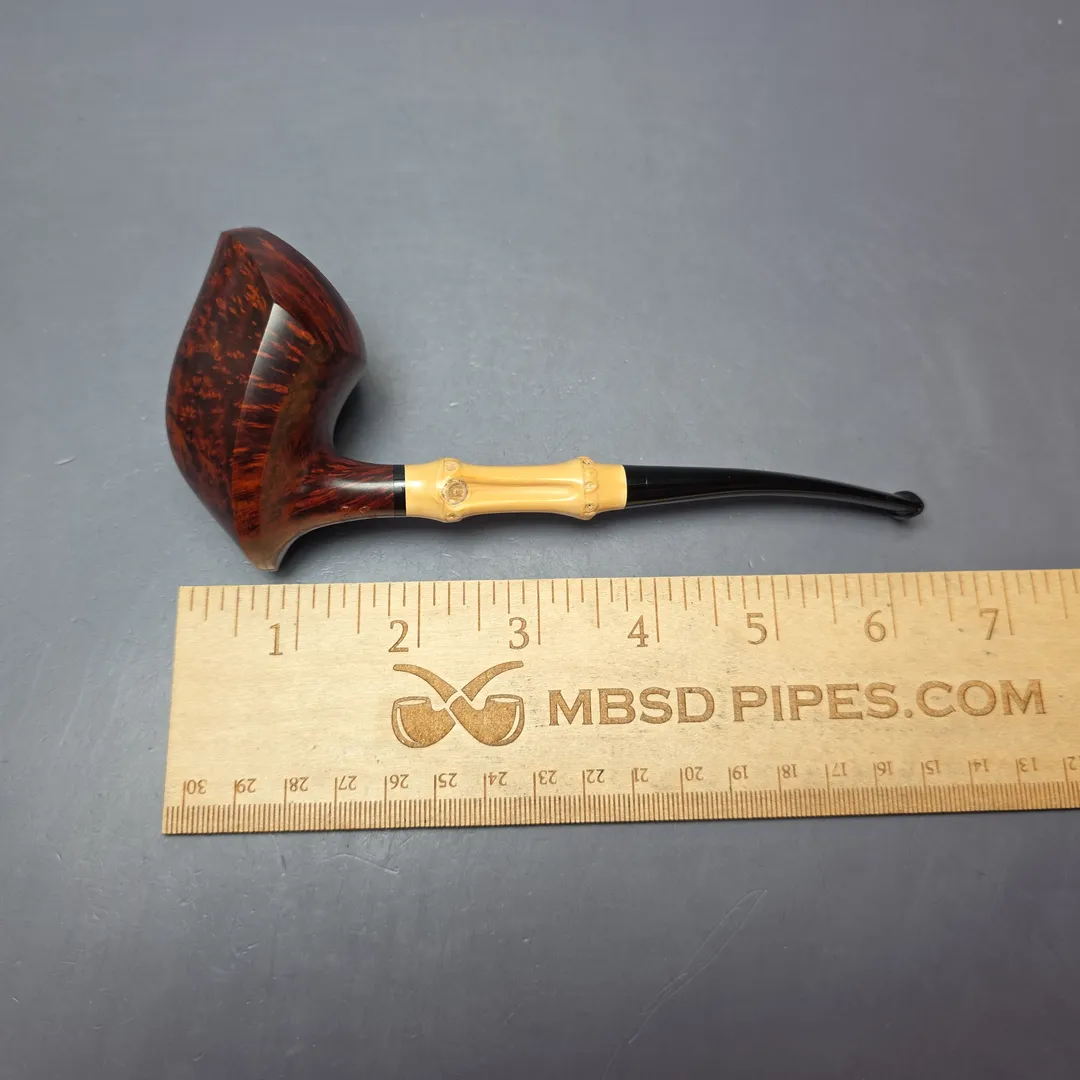
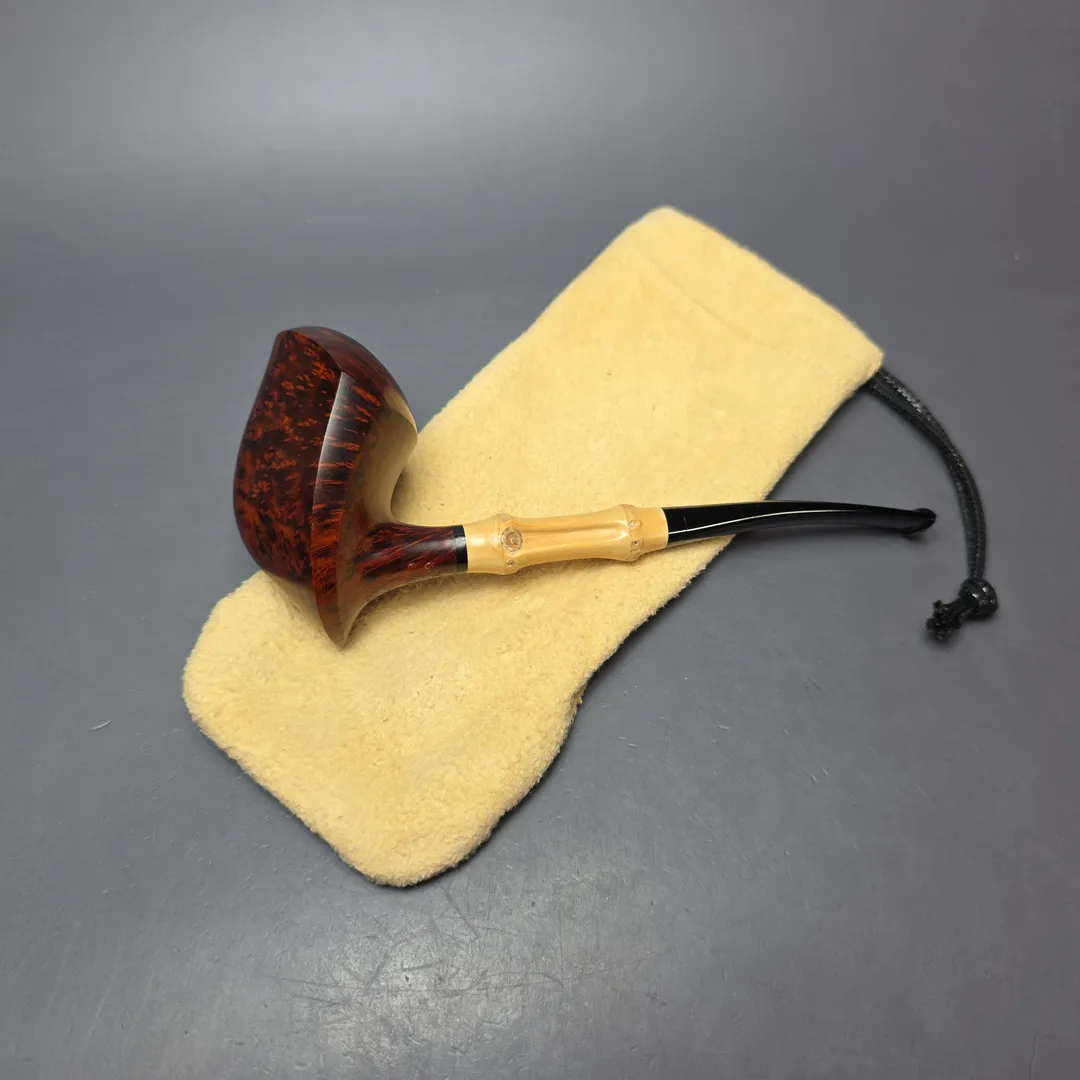
Cornelius Manz Smooth Asymmetric Elephant’s Foot Estate Briar Pipe, Unsmoked
Out of stock
Description
Few pipe makes can claim to have experienced such a meteoric rise as Cornelius Mänz. From the sheer level of recognition and acclaim his work receives, one could be forgiven for thinking that he, like his fellow German peers Rainer Barbi or Karlheinz Joura, had been making pipes since the 1970s. But this is not the case; Mänz began selling pipes just after the turn of the new millennium, but he quickly achieved a stature comparable to others who had been in the industry for decades. In fact, among the many outspoken admirers of Mänz’s pipes, one finds the late Rainer Barbi and Bo Nordh, as well as Tom Eltang.
As is often the case with highly successful pipe makers, pipes were not Cornelius Mänz’s first art. As a child, he took up painting, drawing, and woodworking; as an adult, he worked as an industrial designer with a focus on textiles, back during a time when such designs were largely created by hand (i.e., before computer aided design became a cornerstone of the profession). Mänz worked on things like furniture and wallpaper, and had partnerships with major companies, such as IKEA.
Amidst all this, Mänz was, of course, also a pipe smoker, and had been fascinated by pipes from an early age. While he was very successful as an industrial designer, and while he very much enjoyed the work, he had always wanted to try his hand at pipe making. In the late 1990s, he began tinkering with pre-drilled hobby blocks and, around that time, he was able to meet one of Germany’s pipe making superstars, Wolfgang Becker. As Mänz’s would later recall, Becker taught him everything he knew about pipe making, providing him with the guidance necessary to move beyond pre-drilled hobby kits and begin making pipes from scratch—from briar blocks, ebonite rods, and all else that goes into a high-grade smoking instrument.
Mänz’s formal debut came in 2001, where he presented 20 of his pipes at a prominent German pipe club and left having sold 15 of them. This was certainly an impressive achievement, but it was also nothing compared to what he would soon achieve. Mänz’s immense success as a pipe maker over the ensuing years, along with a downturn in the textile industry, led to him retiring from the latter to pursue the former full-time. And the pipe world was richer for it, with Mänz’s works being among the most sought after of any living artisan.
This particular Mänz exemplifies his wholly hand-shaped approach to carving briar, as well as his affinity for asymmetric designs. As Mänz once explained, “From my perspective there is always a more common slightly bent style that exposes itself in the grain and it is much more easy and more sensible for me, to follow those natural briar lines in an asymmetric way.” The result here is an Elephant’s Foot of sorts, not unlike those pioneered by Bo Nordh, with a touch of the Potato Sack conceived by Nordh’s fellow post-war Scandinavian pioneer, Sixten Ivarsson. The key difference, of course, is in the lines and angles, with Mänz’s interpretation even more closely following the morphology of the briar itself, into its distinctive, off-centered conclusion.
This pipe is completely unsmoked, with an original bowl coating. It comes with its original sleeve.
Details:
Length: 6.3″ / 160.0mm
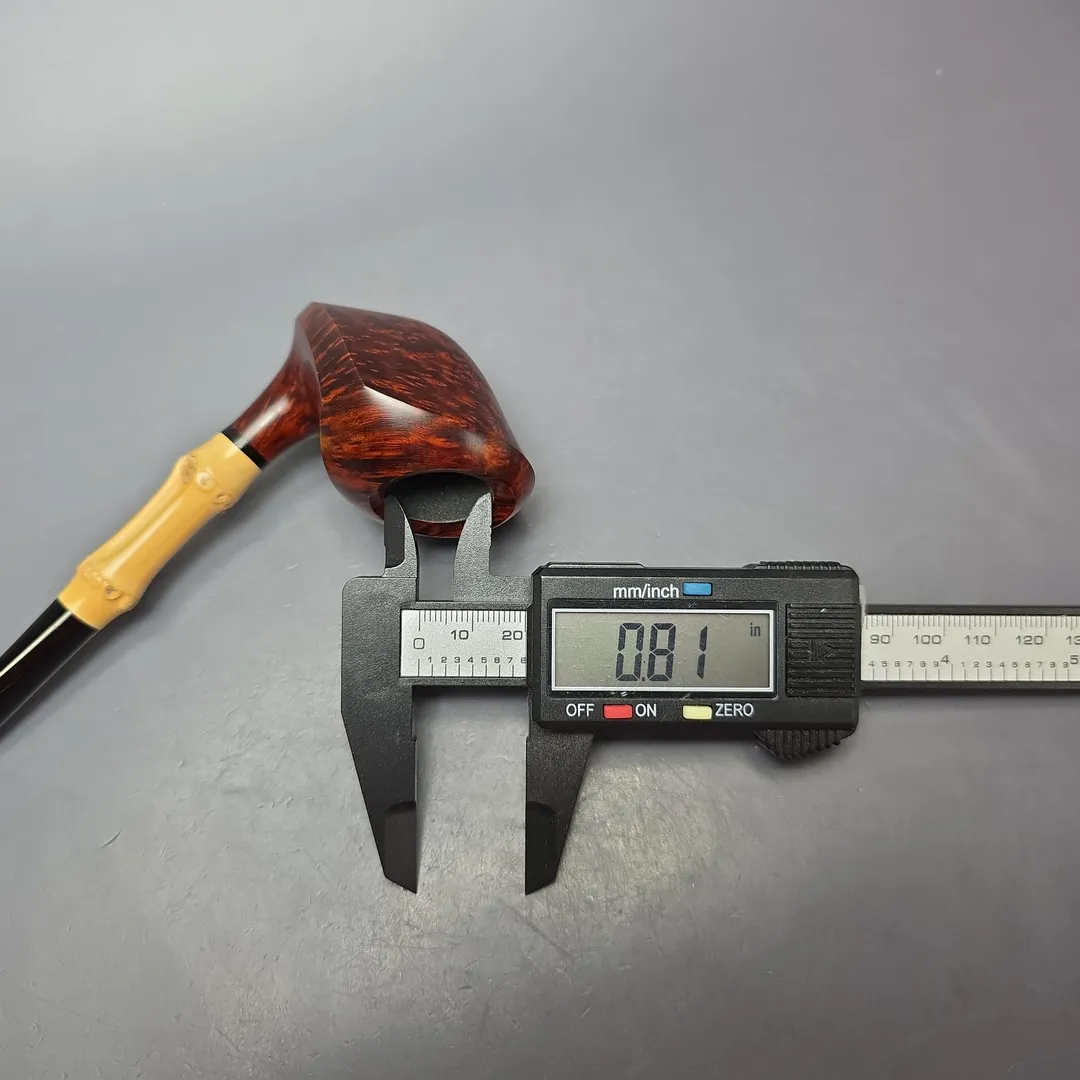
Bowl Width: 0.81 / 20.57mm
Bowl Depth: 1.7″ / 43.68mm
Weight: 1.6oz / 46g
Additional information
| Weight | 15 oz |
|---|
| Condition | Used |
|---|---|
| Notes | Unsmoked estate. |