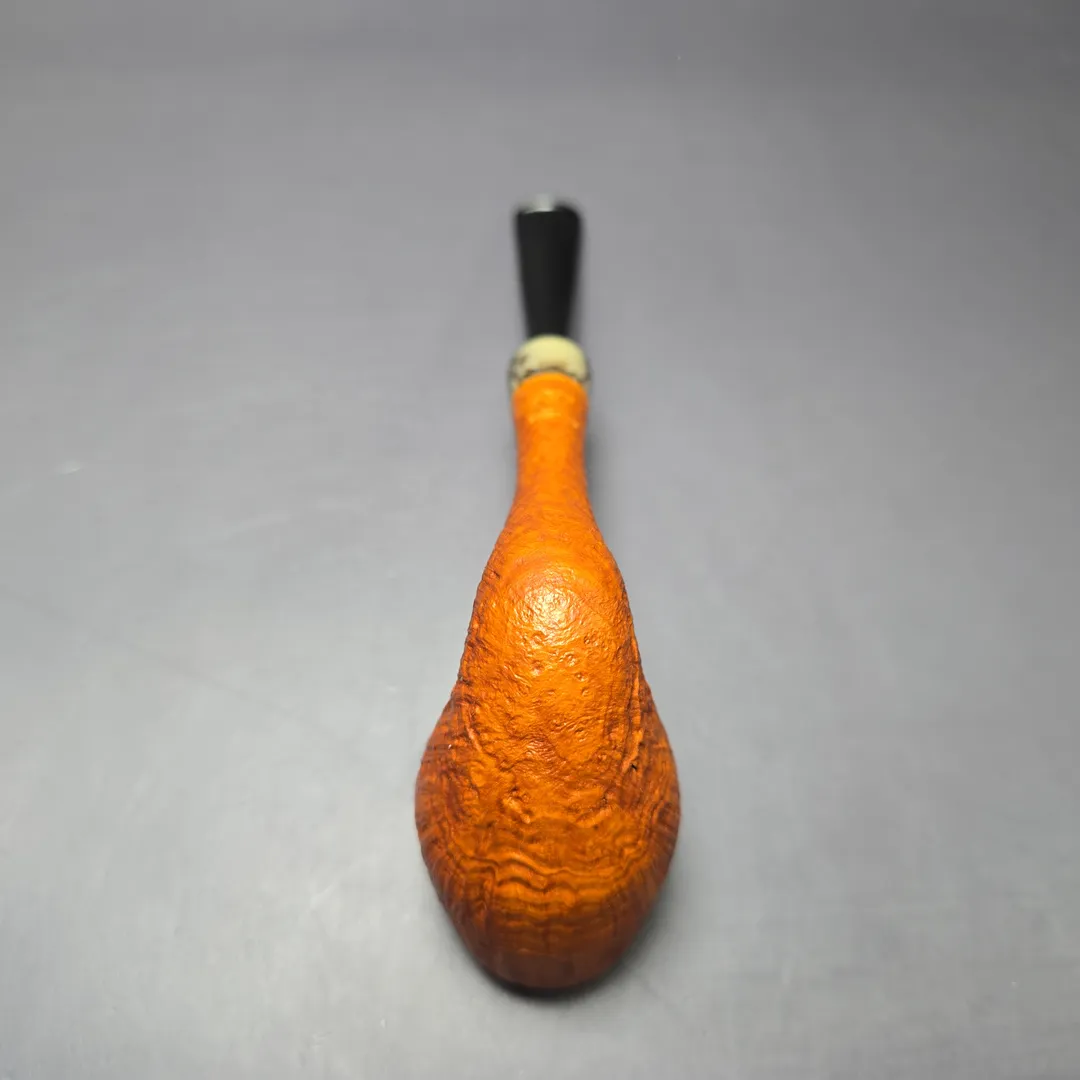
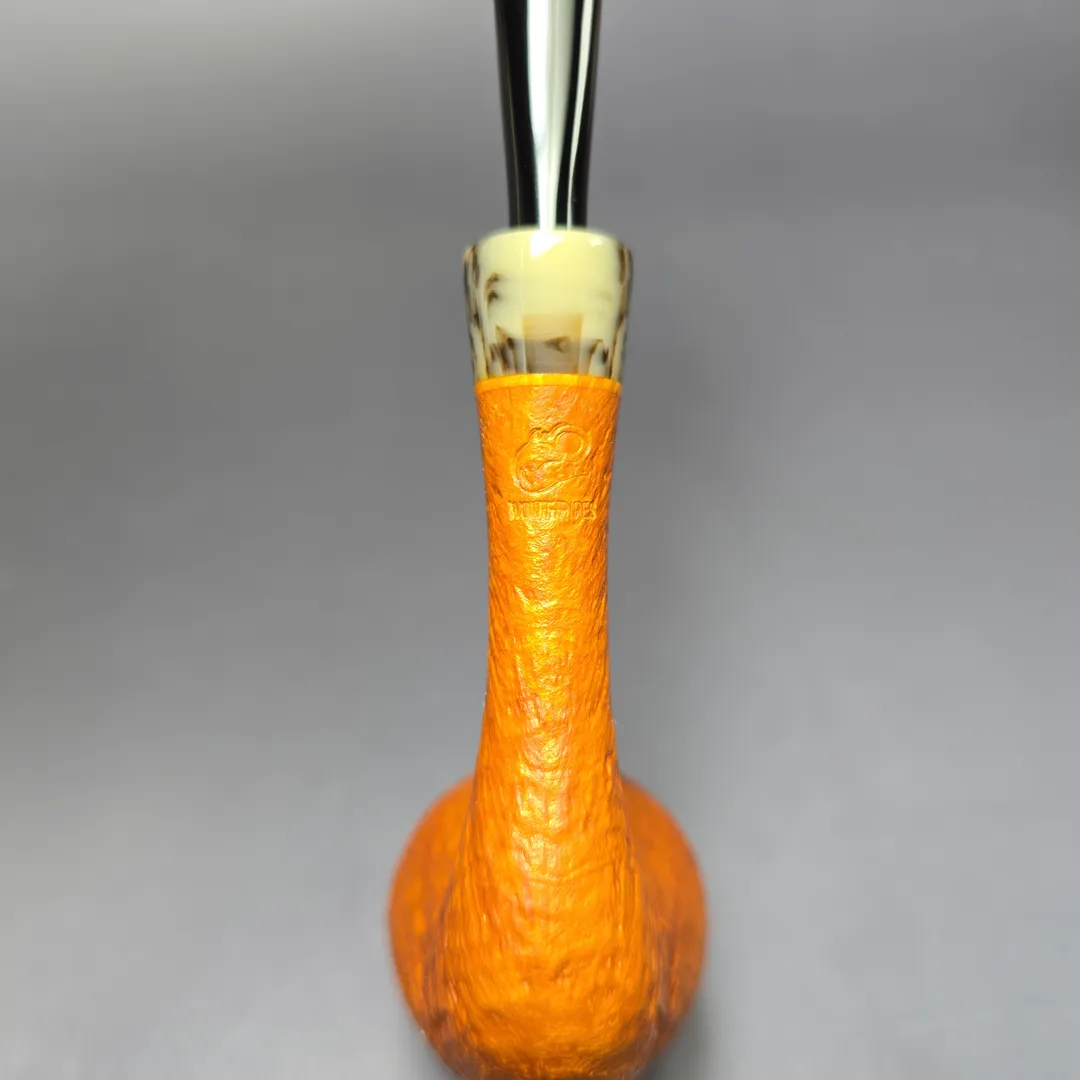
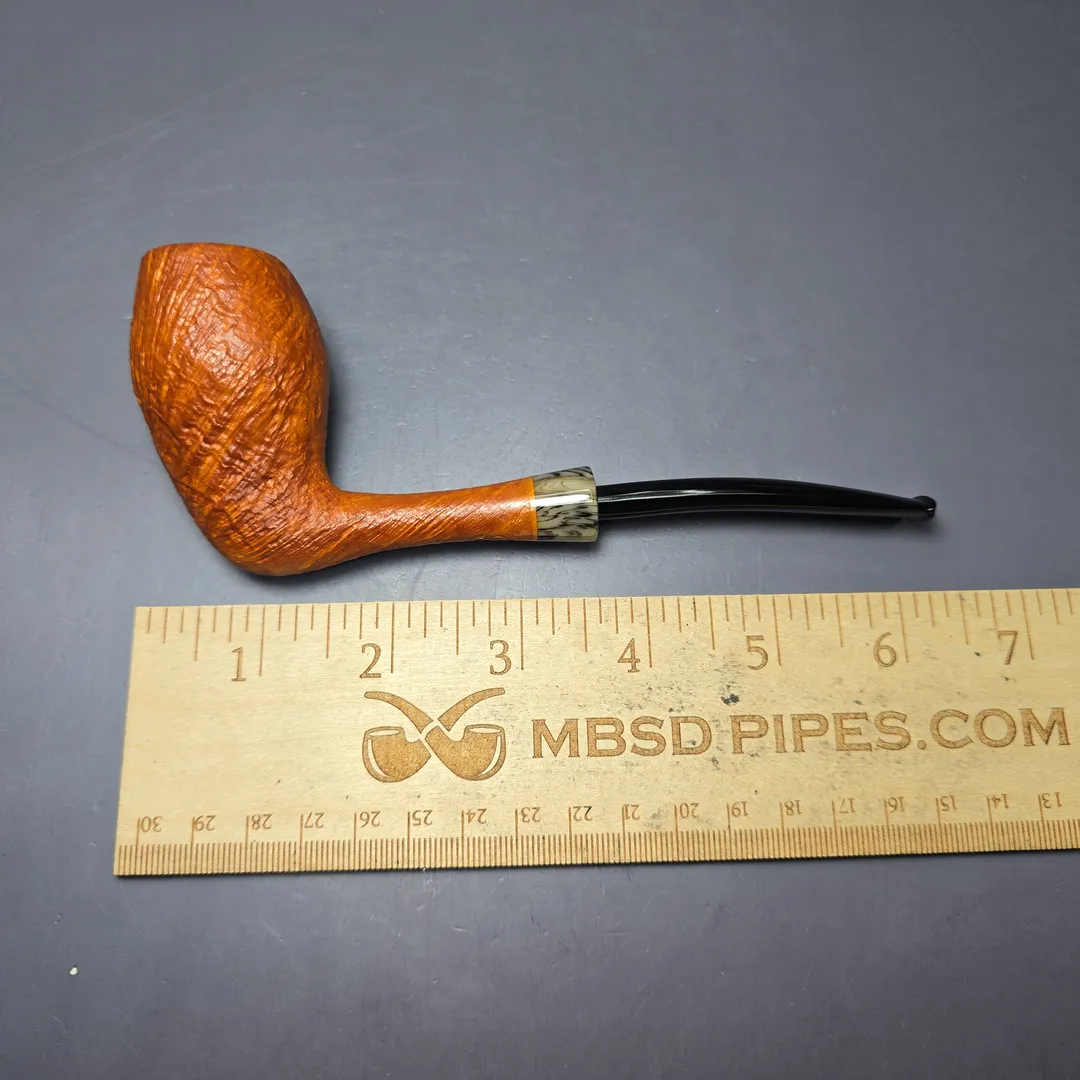
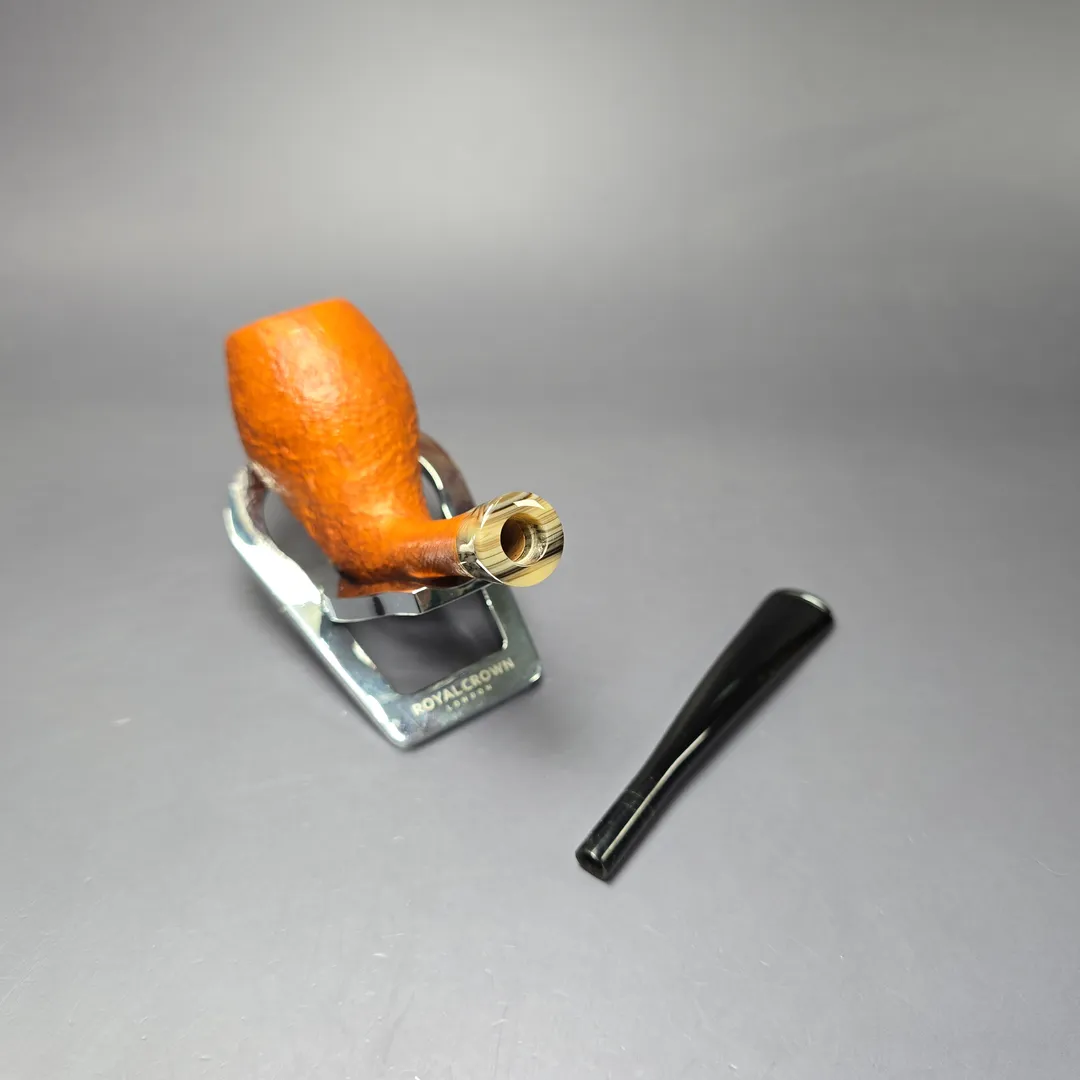
Christophe Wolff Sandblasted Cutty Egg Handmade Briar Pipe, New
Out of stock




France appears to be undergoing something of a revival recently when it comes to its maîtres-pipiers. Chapuis-Comoy & Cie., which manufactures Chacom, Ropp, and other pipes, is, of course, still going strong with two centuries of history at its back. But there is also a growing number of native and expatriate solo pipe makers in France today, many of whom have already demonstrated their prowess on the world stage. These include members of the old guard of French artisanry, such as Pierre Morel and Pierre Voisin, as well the newer generation, comprised of figures such as as Tristan Lefebvre, Joseph Rimbaud, Belgian-born Bruno Nuttens, and English-born Chris Herriot. Christophe Wolff is another example of the latter. A former mechanic and machinist, Wolff would later study aspects of high-grade pipe making with Jean-Luc Rochat and Bruno Nuttens, culminating in the creation of Wolff Pipes. Wolff is highly skilled in both traditional and free-hand pipe making, crafting expert renditions of Anglo-French classics, as well as more modern designs, including his own interpretations of the Morelian fleur.
While the shapes of the most renowned Scandinavian pipe makers, such as Bo Nordh, Lars Ivarsson, or Tom Eltang, have rightly earned a place in the informal charts of contemporary artisans, there are others that are, sadly (and undeservedly, I would say) often overlooked within the latter. These shapes belong to what might be considered a “transitional” period between the early, neoclassical beginnings of the post-war Danish style and its apogee around the 1970s and 80s. And if one wishes to go looking for exemplars of the style of this transitional period, the best place to look would be the catalogs of Pibe-Dan (later known as Pipe Dan).
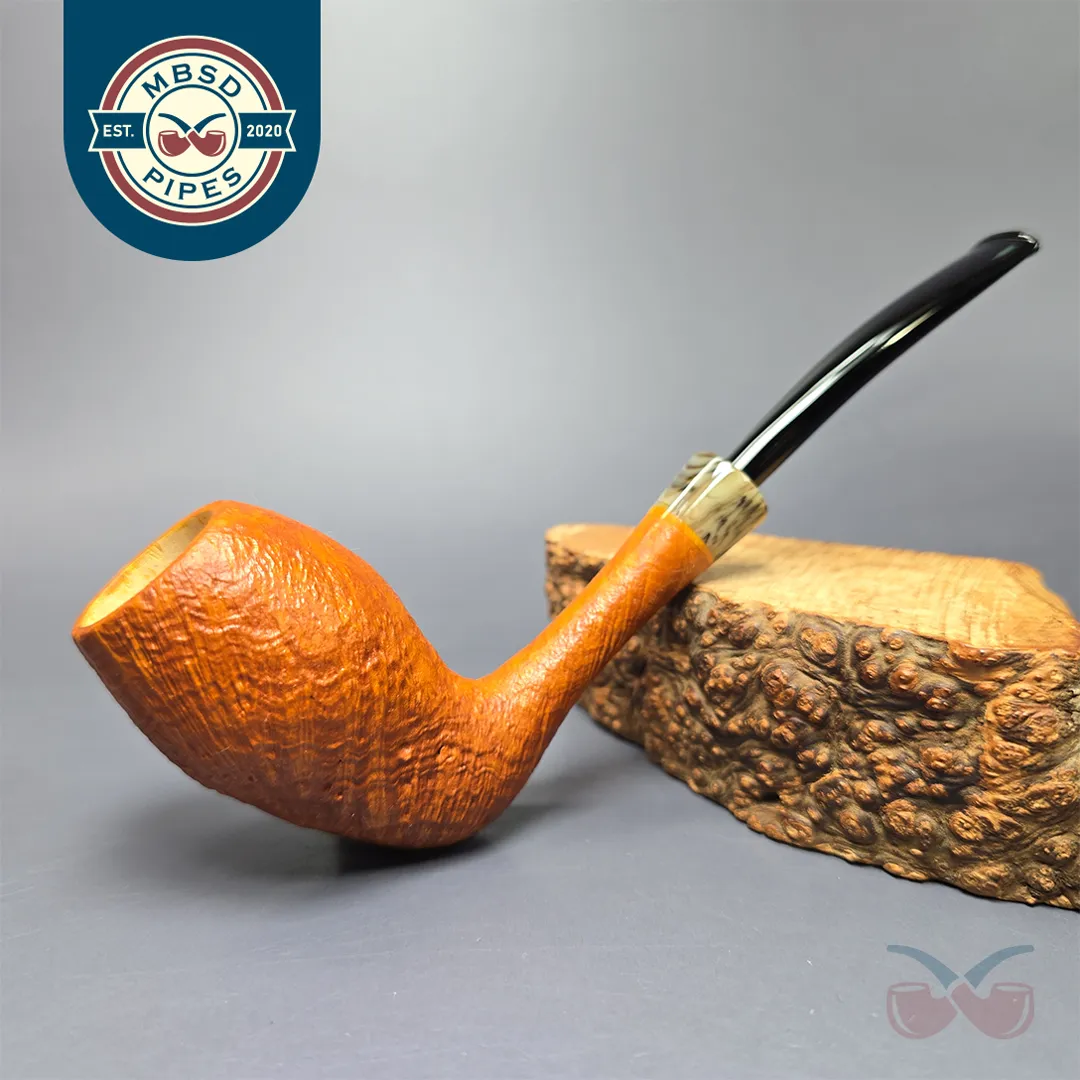
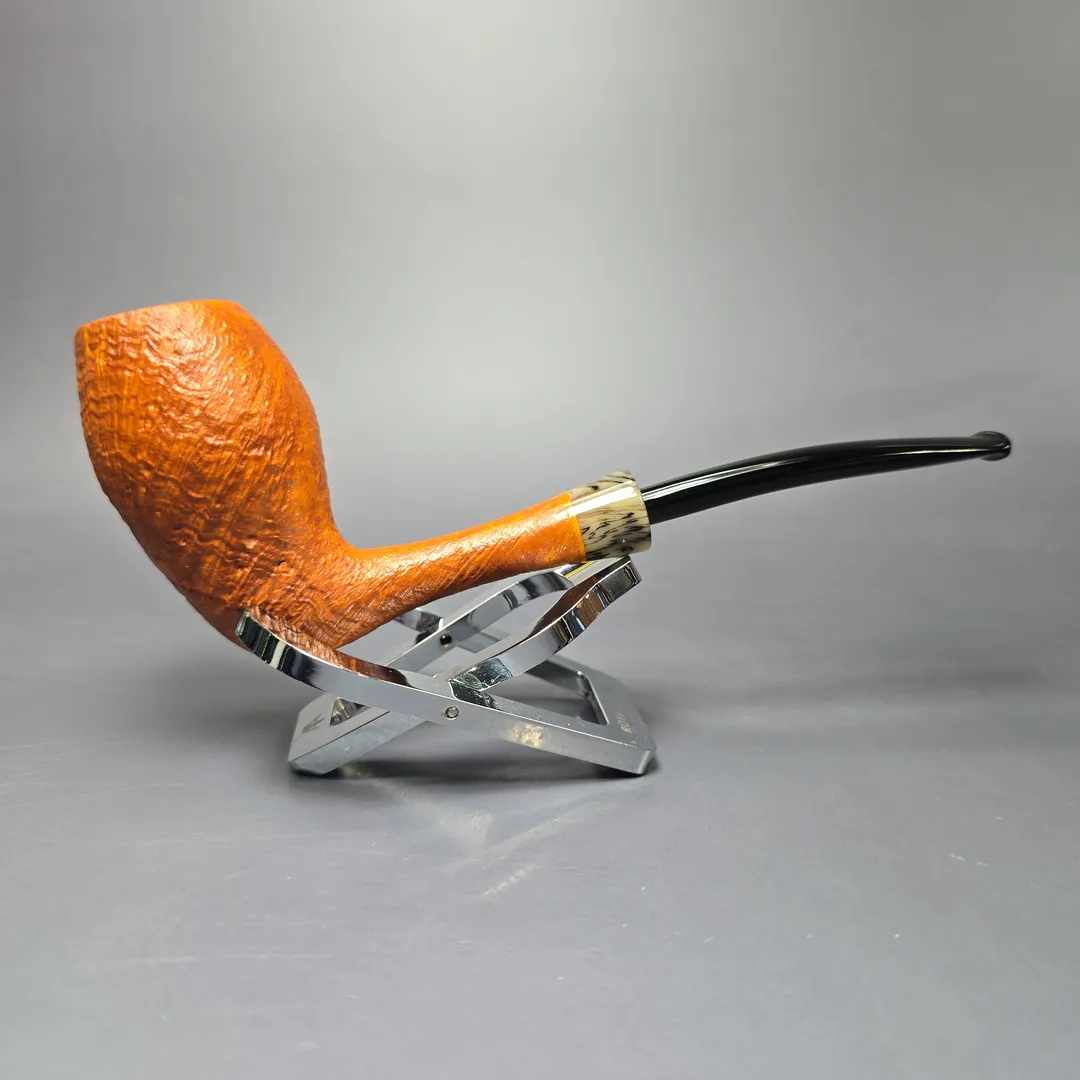
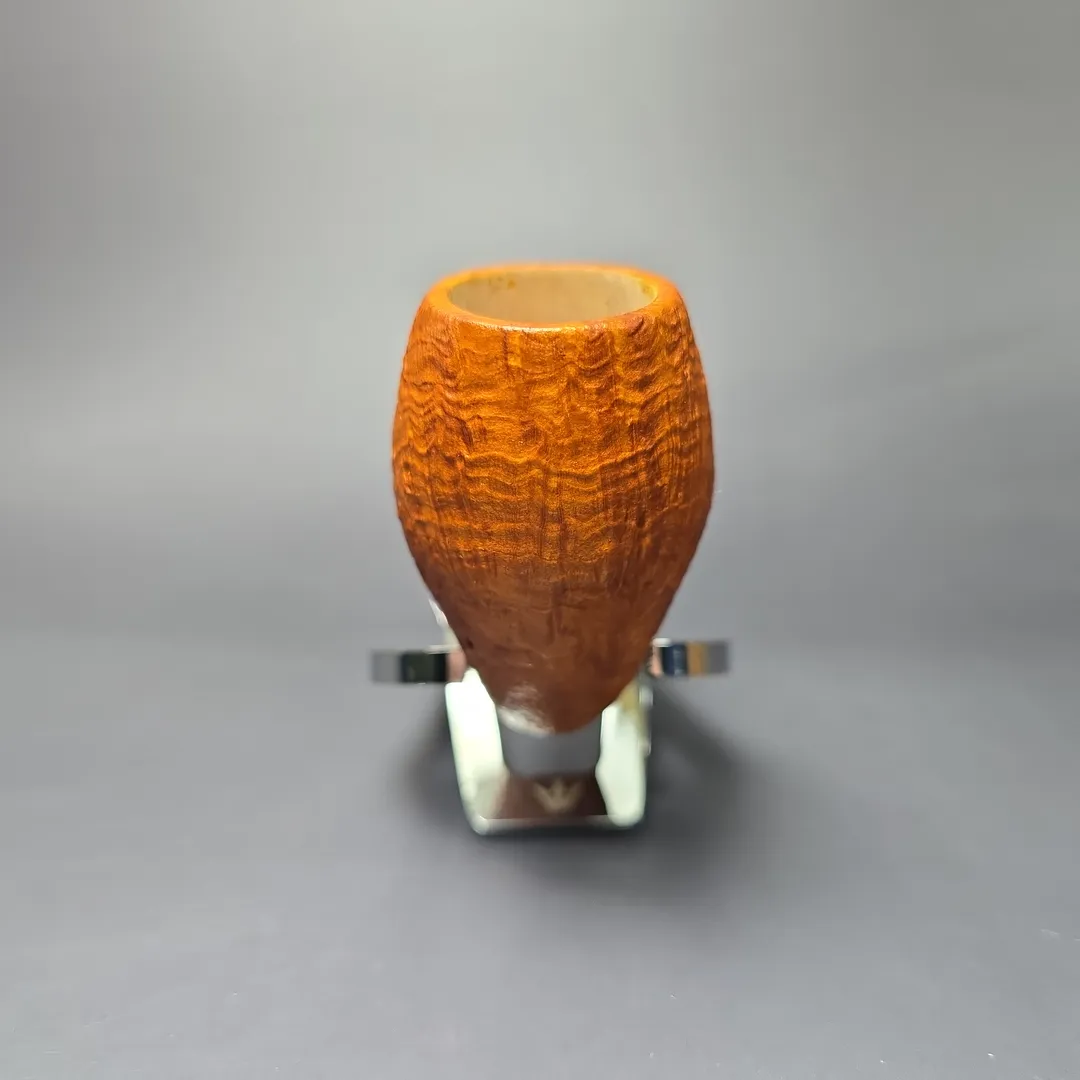
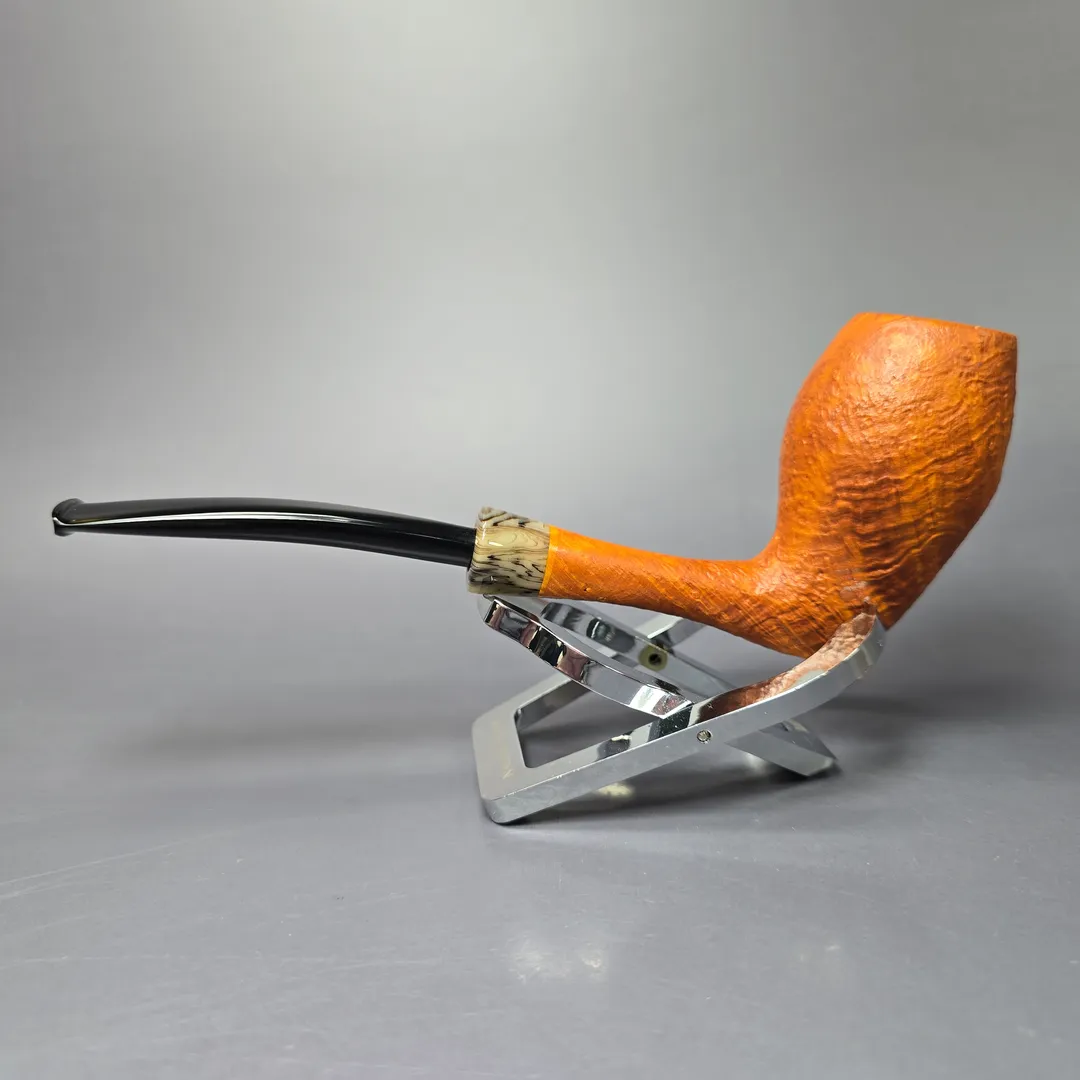
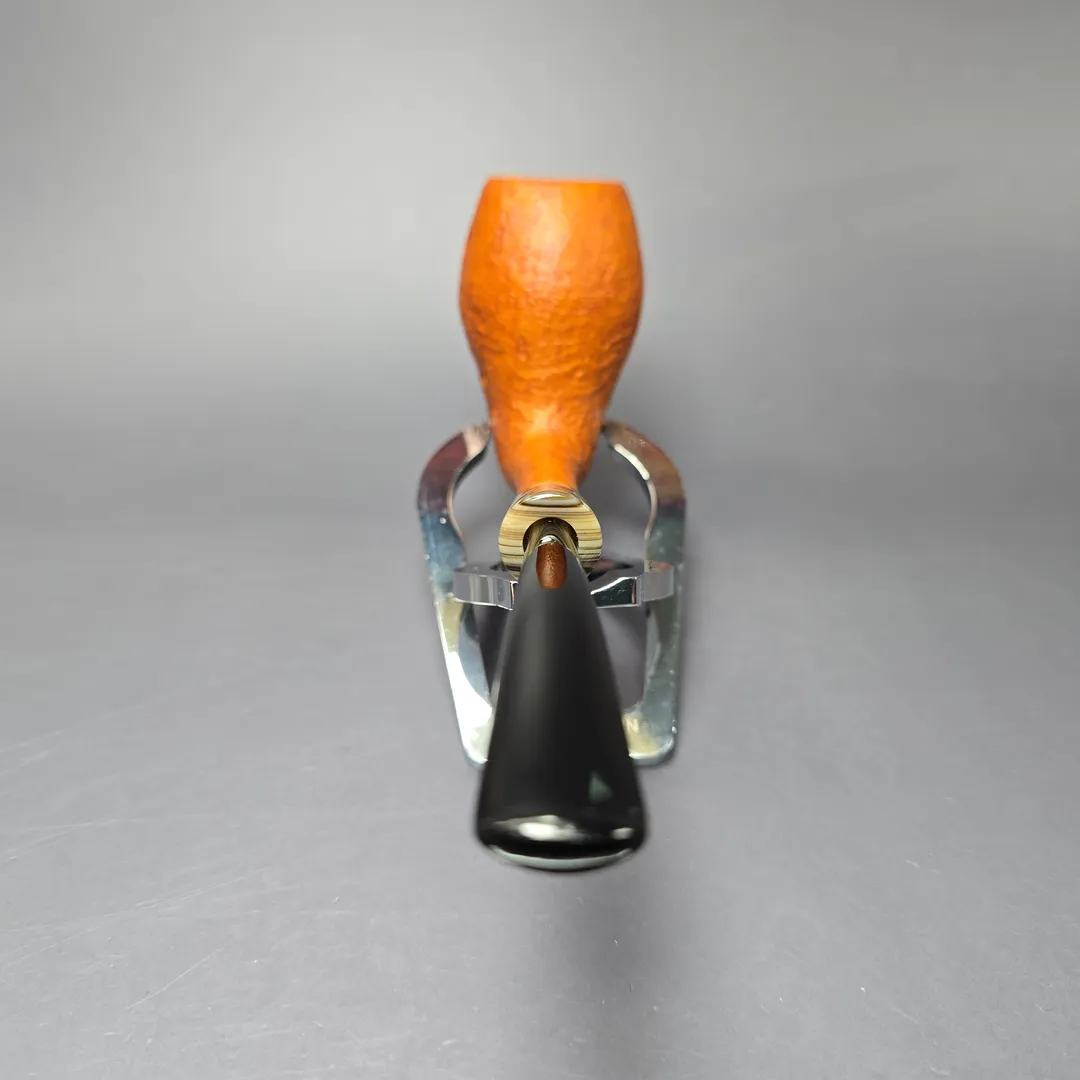
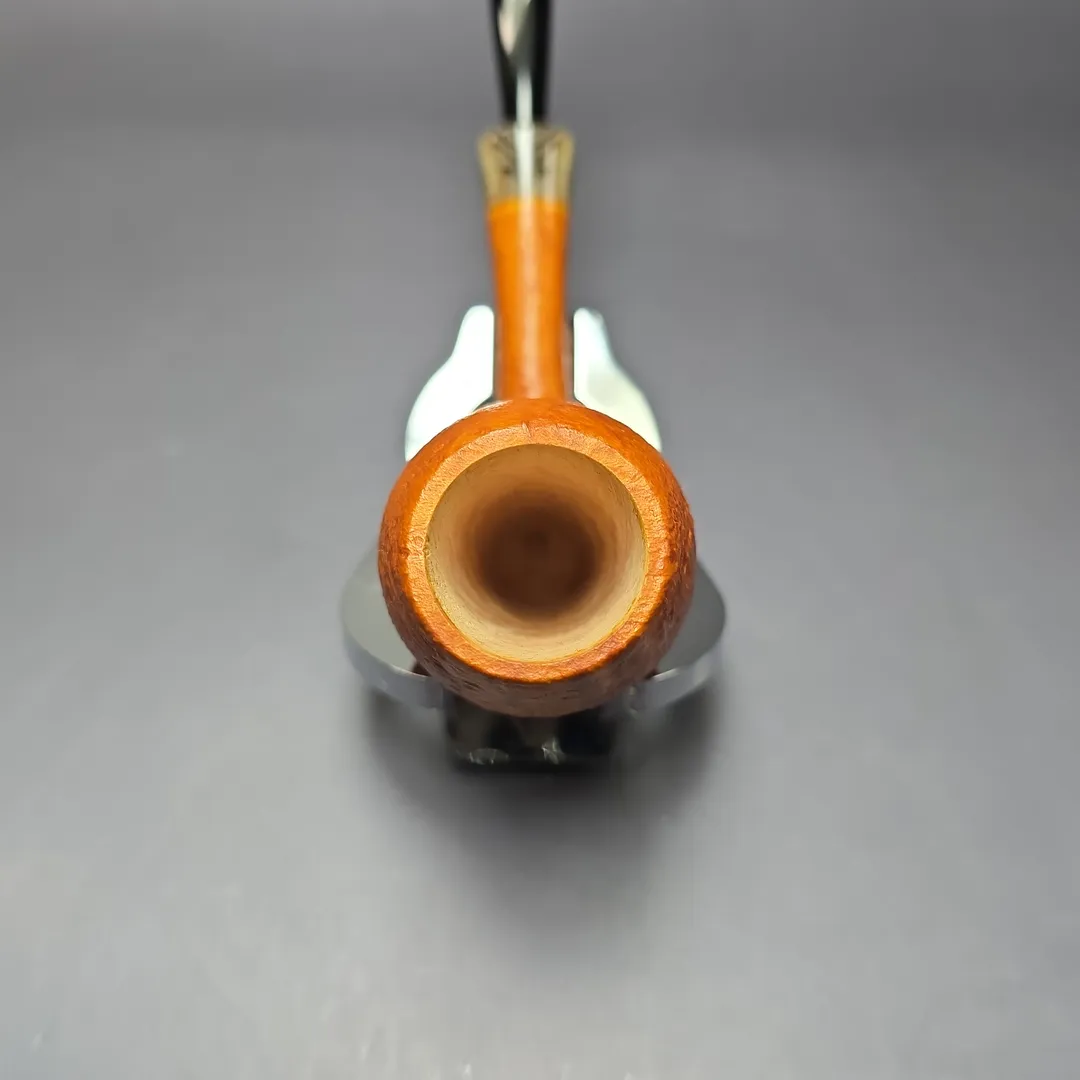
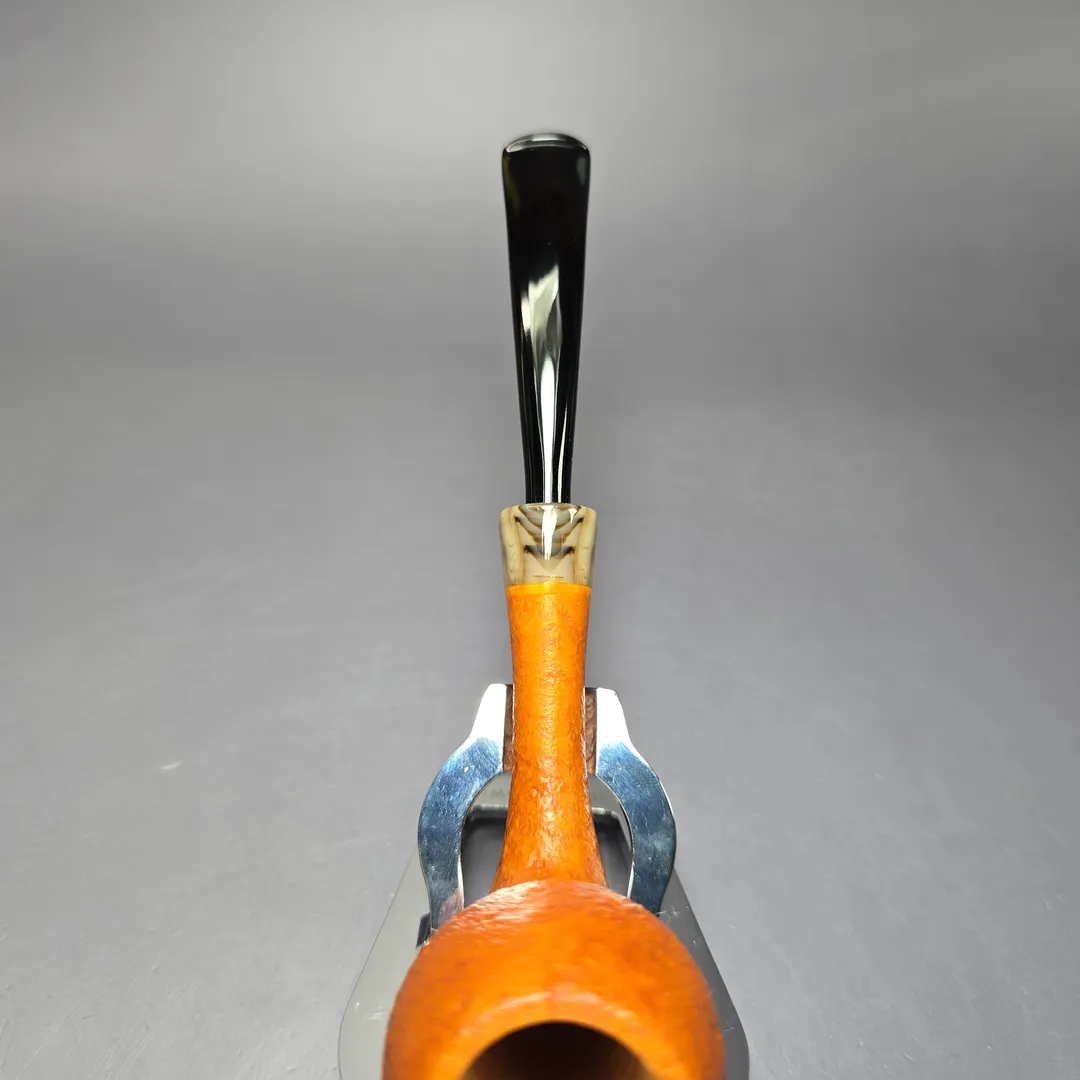
This “Cutty Egg” from Christophe Wolff has its precedent not in the pipes of Danes like Eltang, Former, or their other contemporaries, but, rather, in those of Sven Knudsen, Ib Loran, and Gert Holbek. In particular, its precedents are to be found in the designs the latter produced and sold at Pibe-Dan around the 1960s. Its stacked, slightly bulbous bowl, for example, evokes Knudsen’s Duck and Swan, but even more so, Holbek’s Ambassador, Laertes, as well as the various Dan Shapes the two worked on. Rather than a 1-1 rendition, Wolff’s design plays with the shaping of Pibe-Dan stalwarts but ultimately moves in its own direction, adding a faux-horn military style push mount and his own favored miel (honey) sandblast finish, along with its more modern SEM ebonite stem.
Details:
Length: 6.3″ / 160.0mm
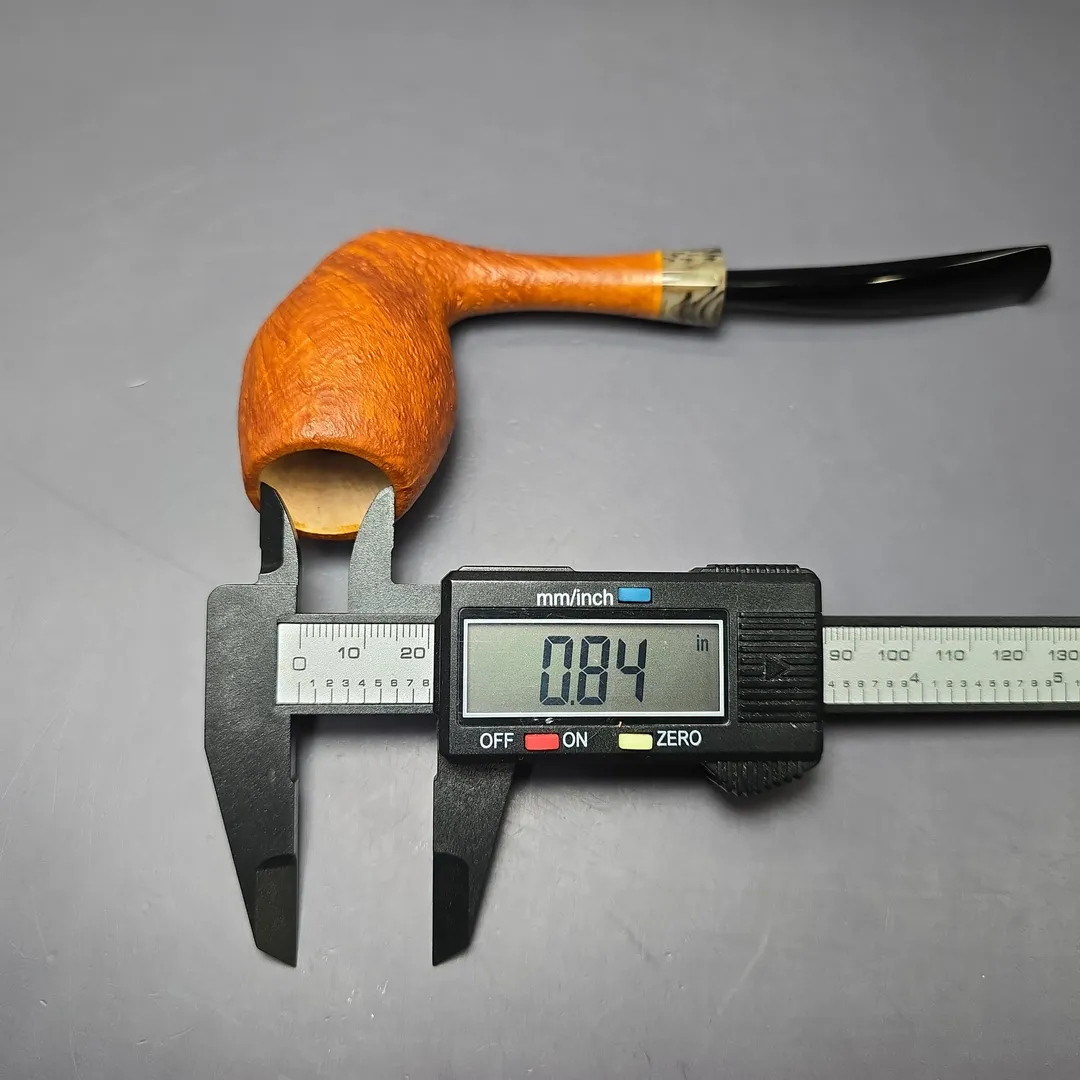
Bowl Width: 0.84 / 21.33mm
Bowl Depth: 2.16″ / 54.86mm
Weight: 1.2oz / 36g
| Weight | 15 oz |
|---|
| Condition | New |
|---|


