
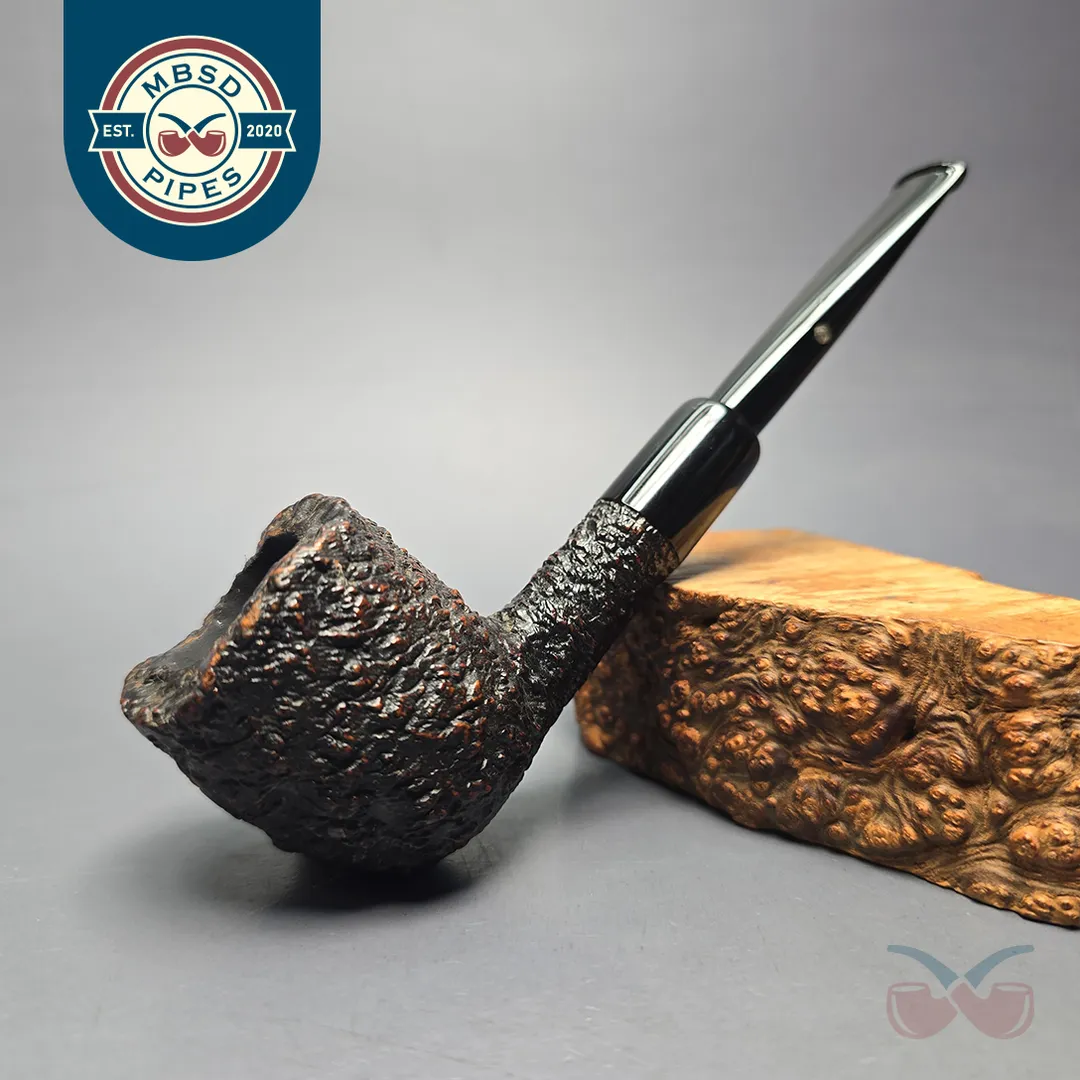
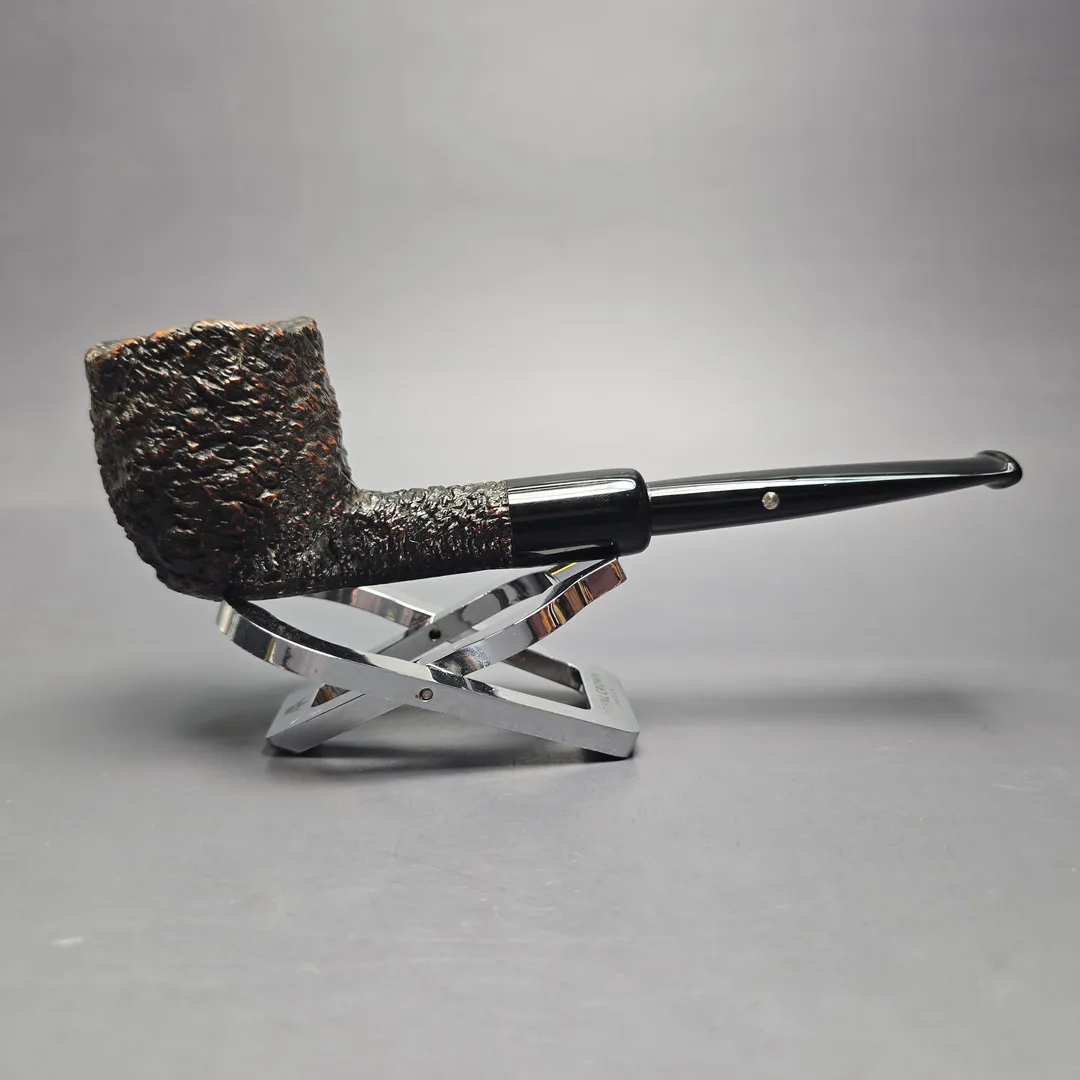
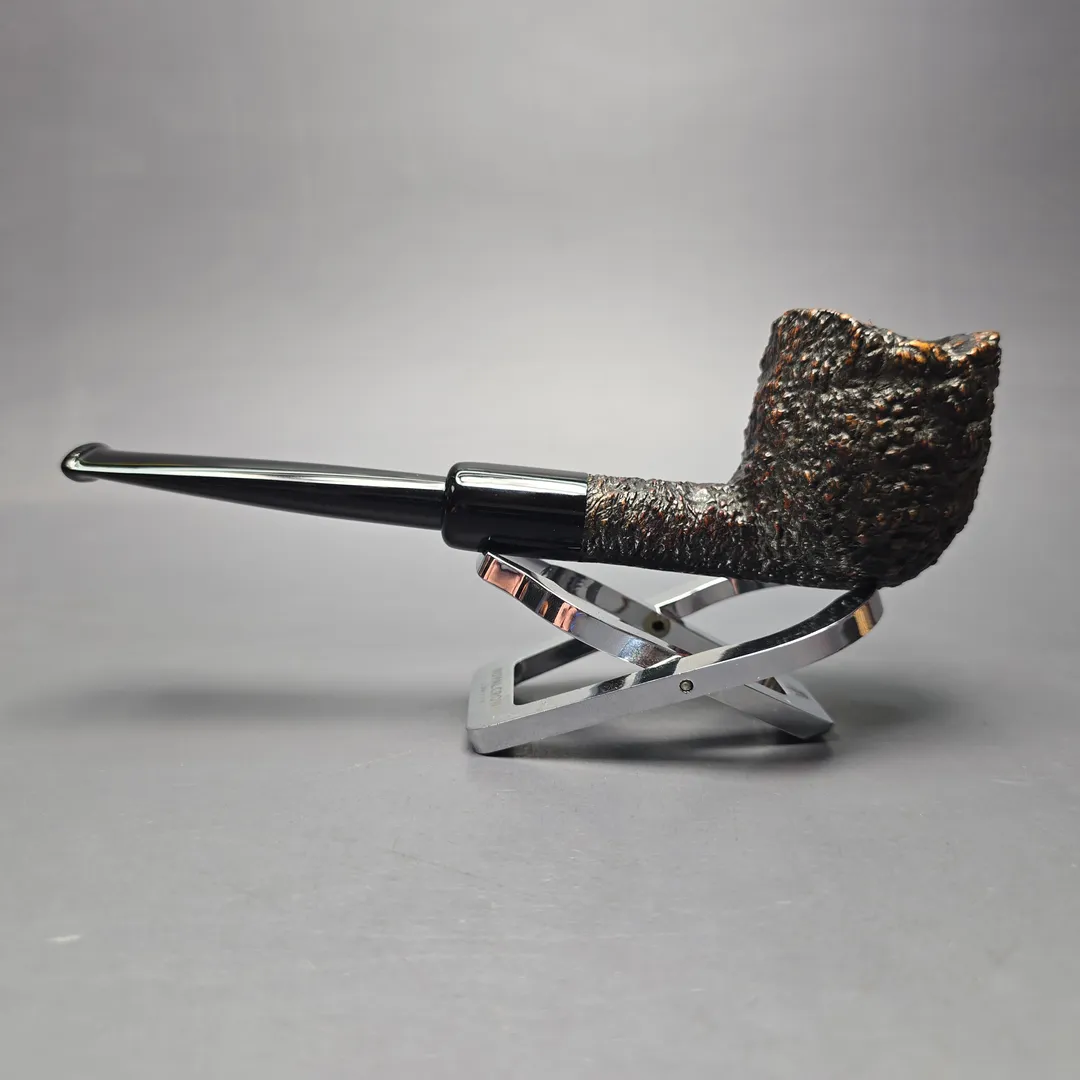
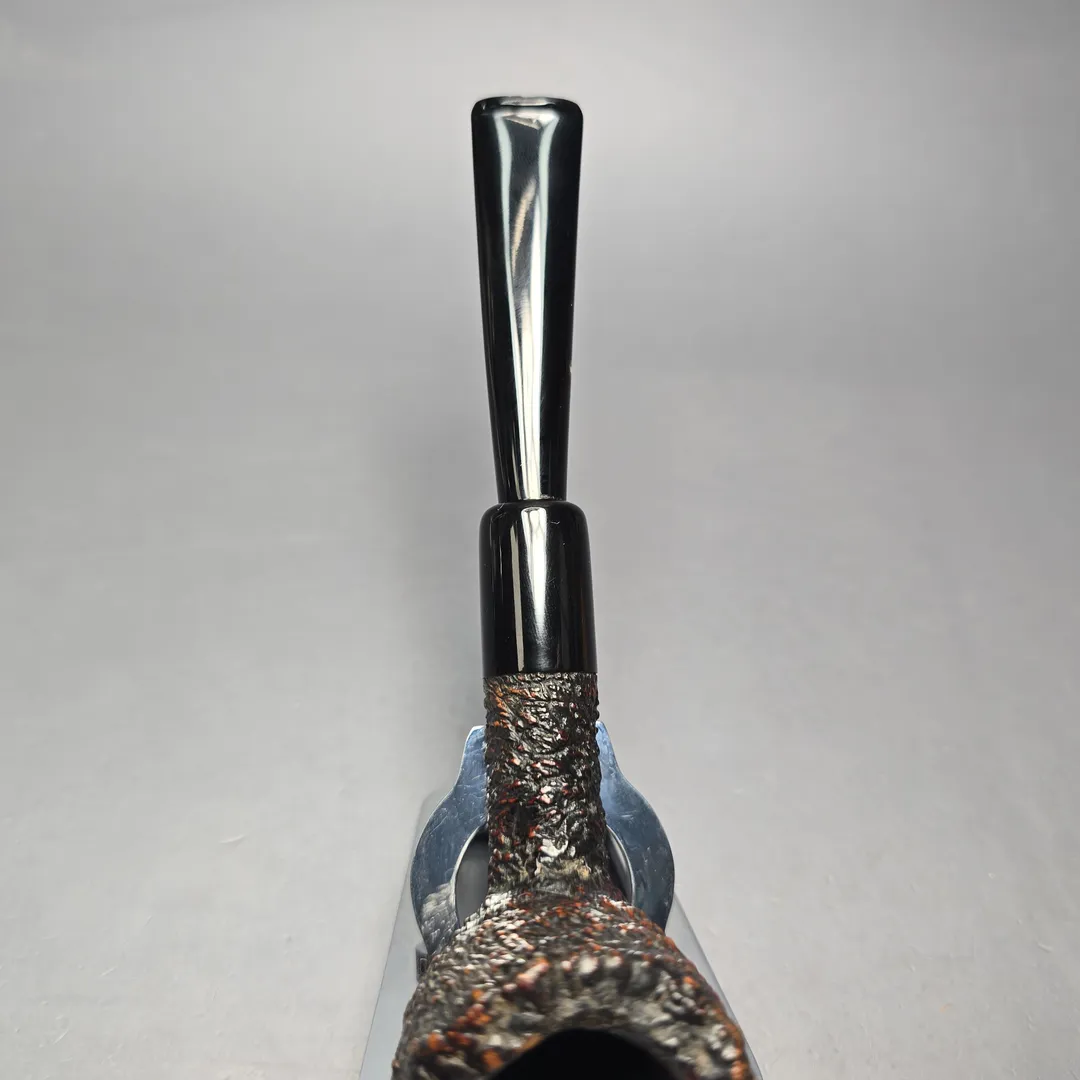
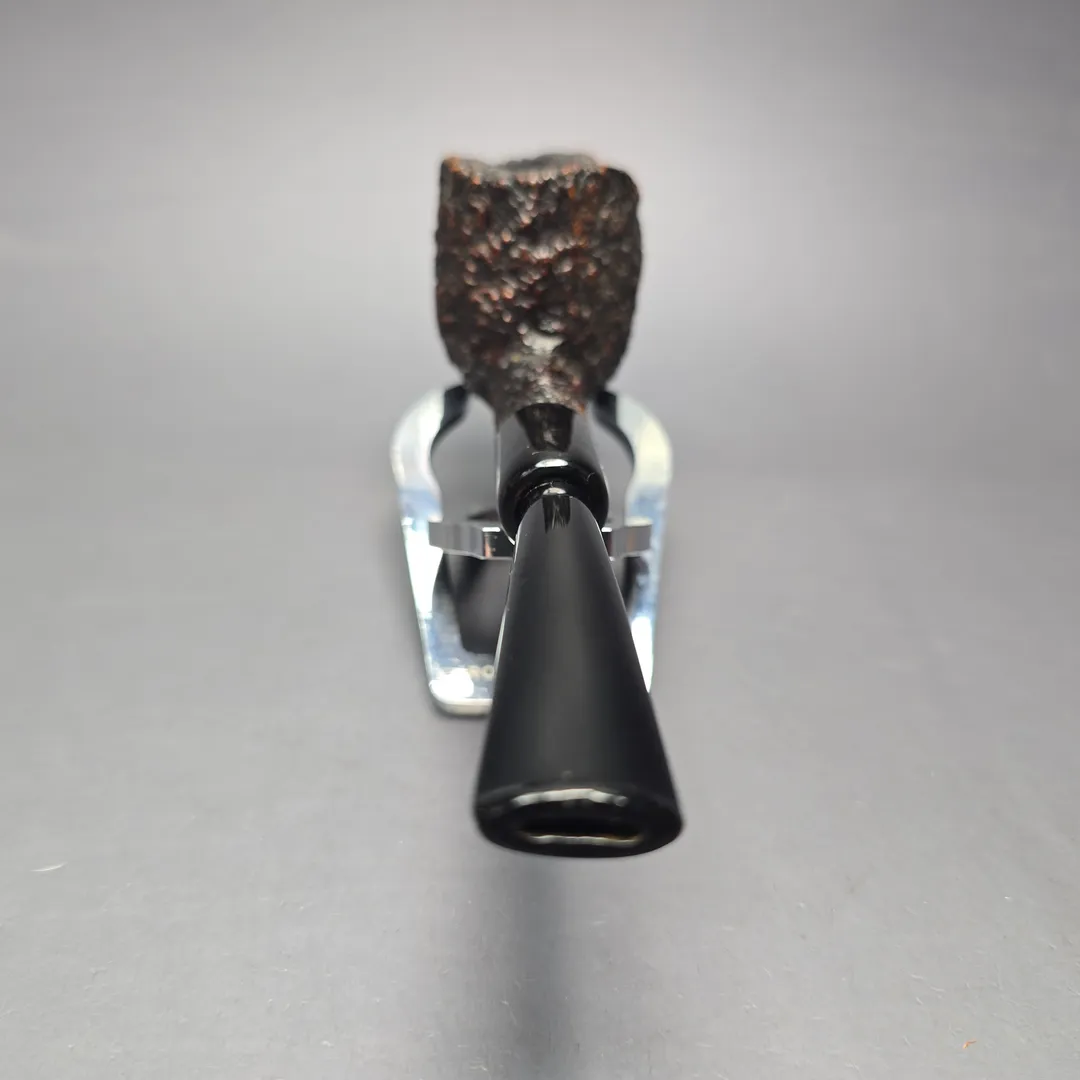
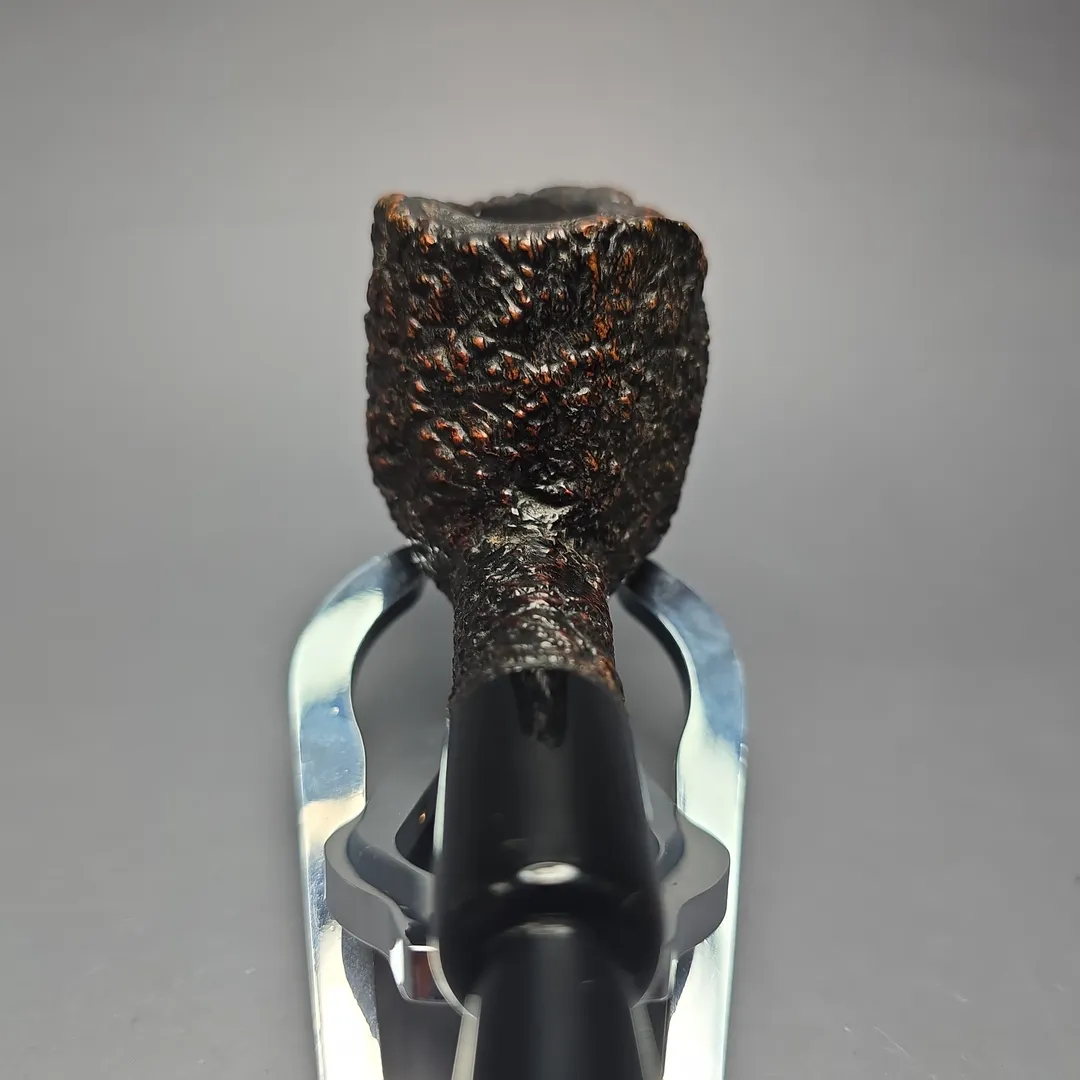
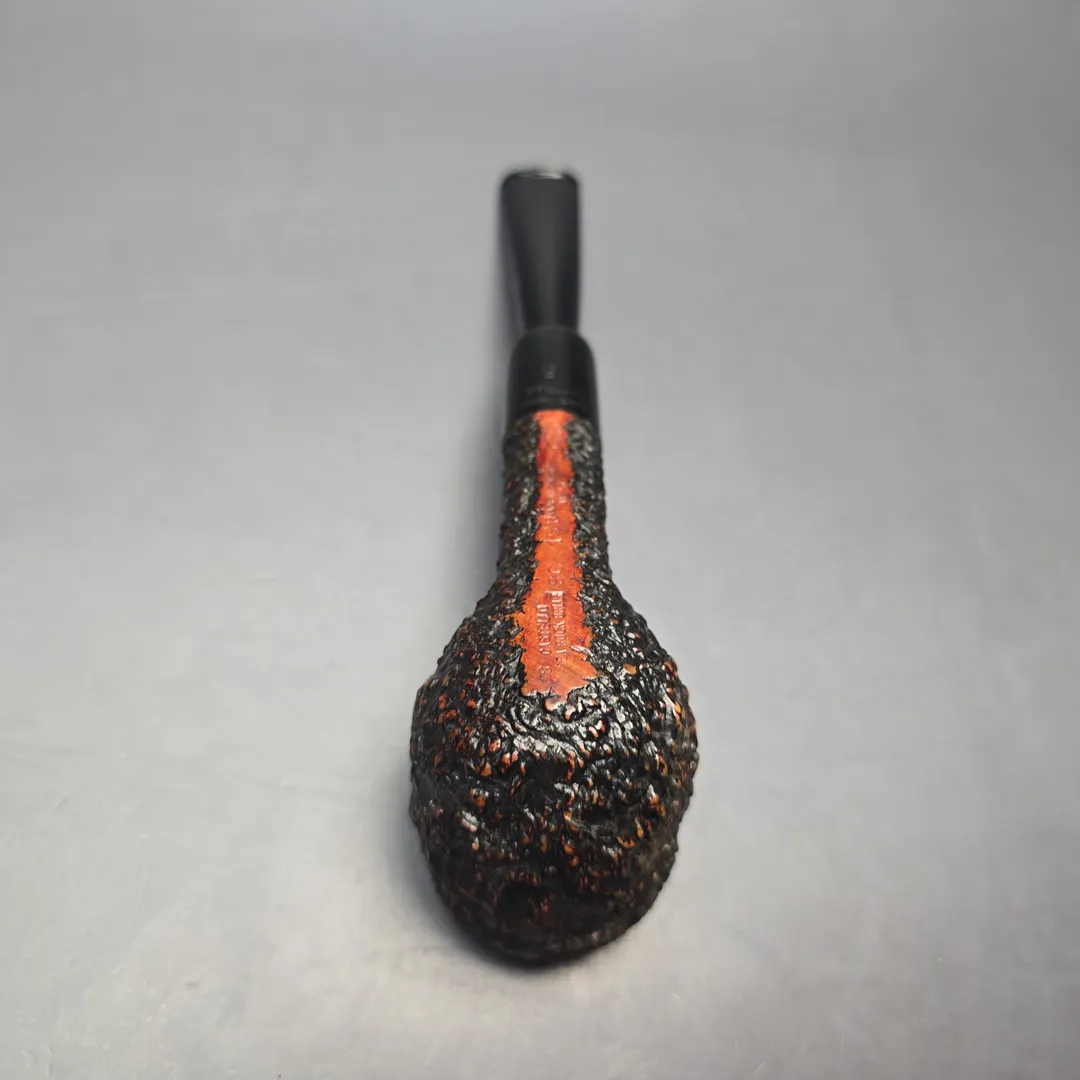
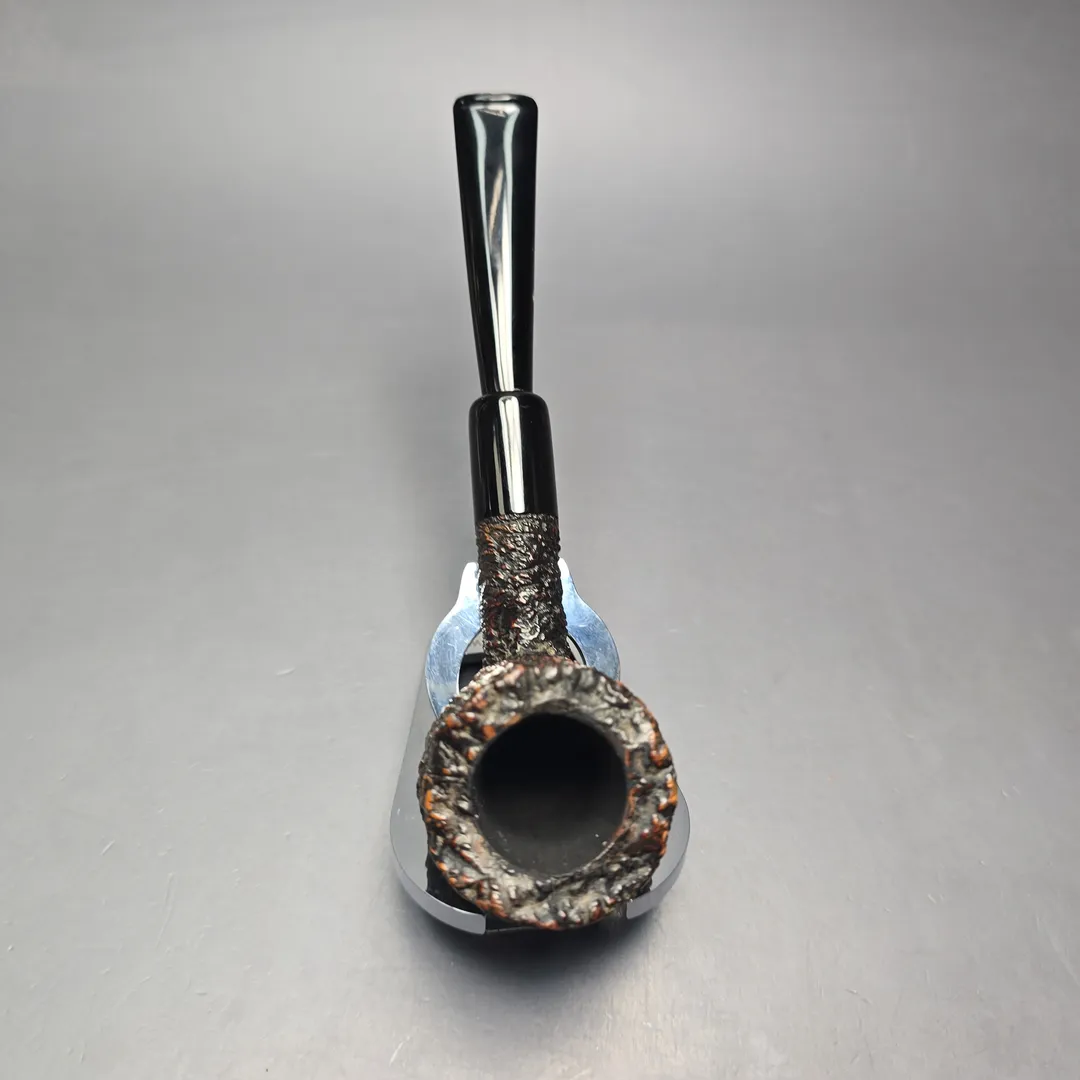
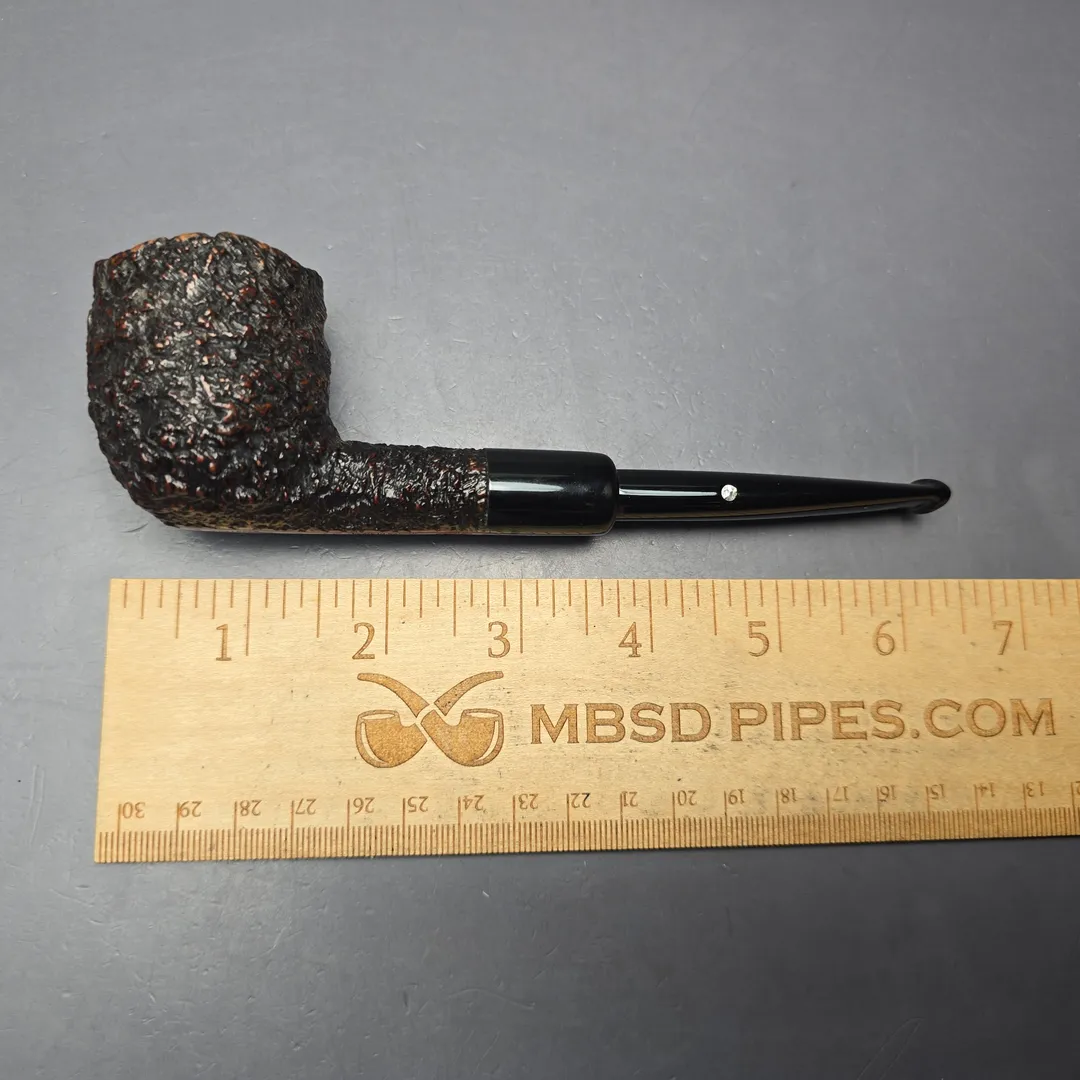
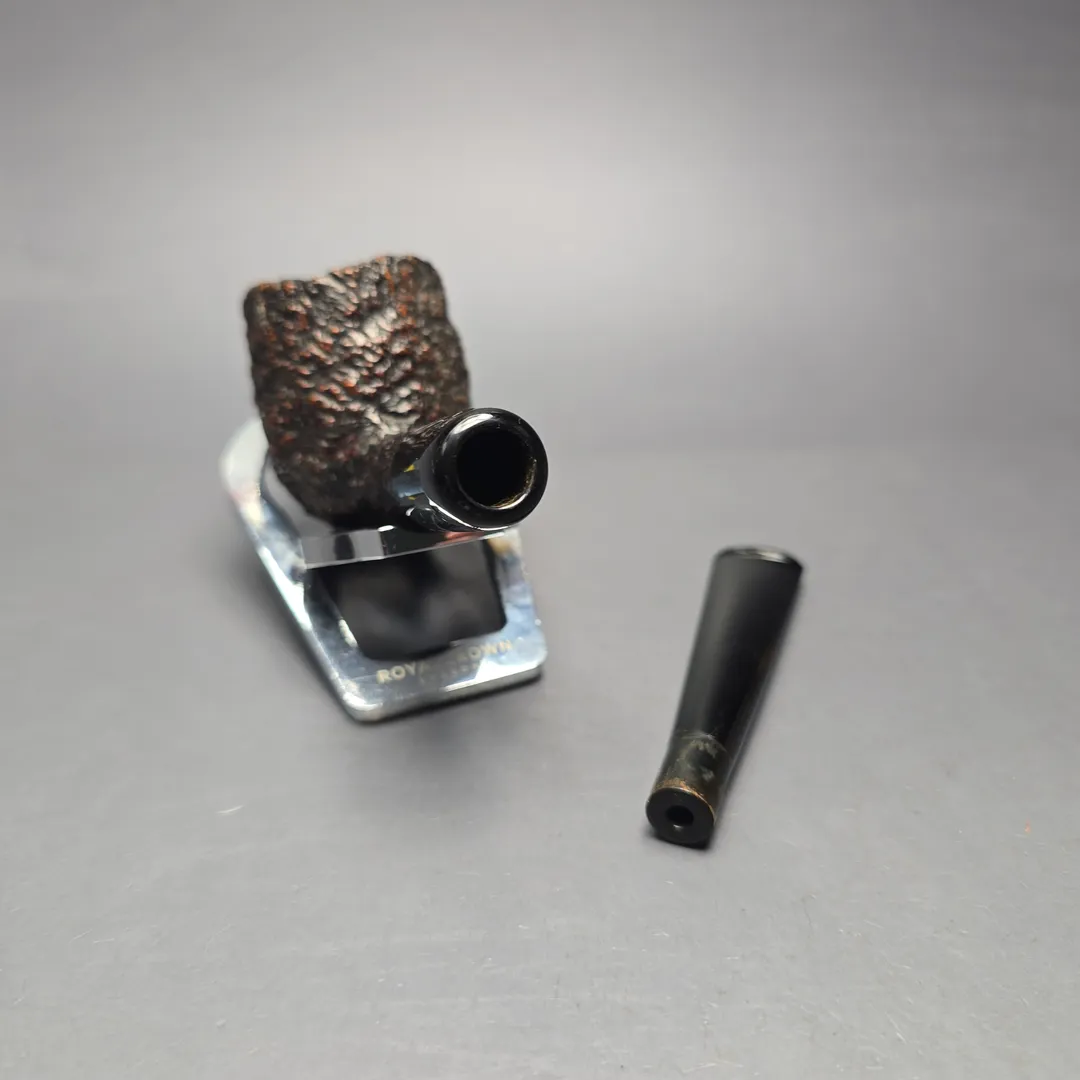
Castello (c.1950s-60s) Sea Rock Briar SC 15F Rusticated Pot w/ Lucite Mount Estate Briar Pipe, Italian Estates
Out of stock





In the world of pipes, Italy is famous for its workshops—institutions that operate at a smaller scale to factories, but in which expert artisans work tirelessly to create pipes entirely by hand. Founded in 1947 by Carlo Scotti, Castello is one of the oldest and most renowned of these workshops, and Castello pipes are often spoken of as Italy’s answer to England’s famous Dunhill pipes. Known for its equally high-grade smooth, sandblasted, and rusticated finishes, Castello’s legacy is felt not only in the continued success of the make itself, but also in the various, similarly high-end workshops founded by former Castello craftsmen, such as Caminetto, Radice, and Ascorti.
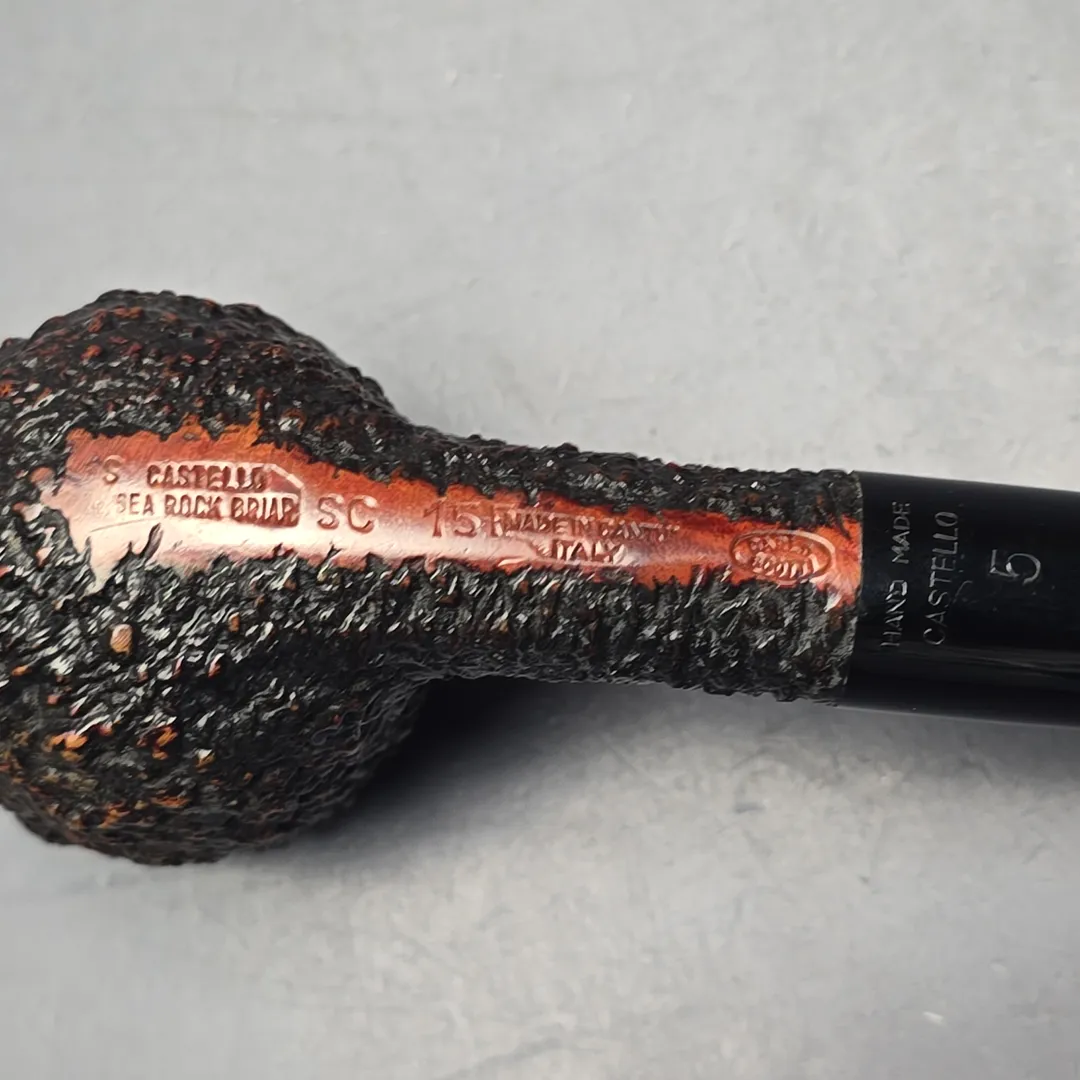
The Castello workshop crafts pipes in a number of finishes, but if there’s one finish that has come to define to define the venerable Italian make, it’s the Sea Rock. It may well be Castello more than anyone else that has proven that rusticated pipes can be as high-grade as their smooth and sandblasted counterparts. Based on the pipe’s size group nomenclature, this particular Castello is a very early example of the workshop’s Sea Rock Briar line and, based on its stem inlay, it will have been one of the US-market pipes that played a significant role in making Castello the name it is today. The “S” size group system (ascending from “SA,” to “SB,” and so on, to represent increases in size) predated the “k” and “G” used on Castello pipes today, having been implemented around the late 1940s and discontinued around the end of the 1960s (becoming primarily an uppercase “K” system, before it was switched again to a lowercase “k” around 1982), while the rhinestone stem inlay was adopted back when Castello pipes were first being imported into the US, due to trademark conflicts over the workshop’s signature white bar stem inlay.
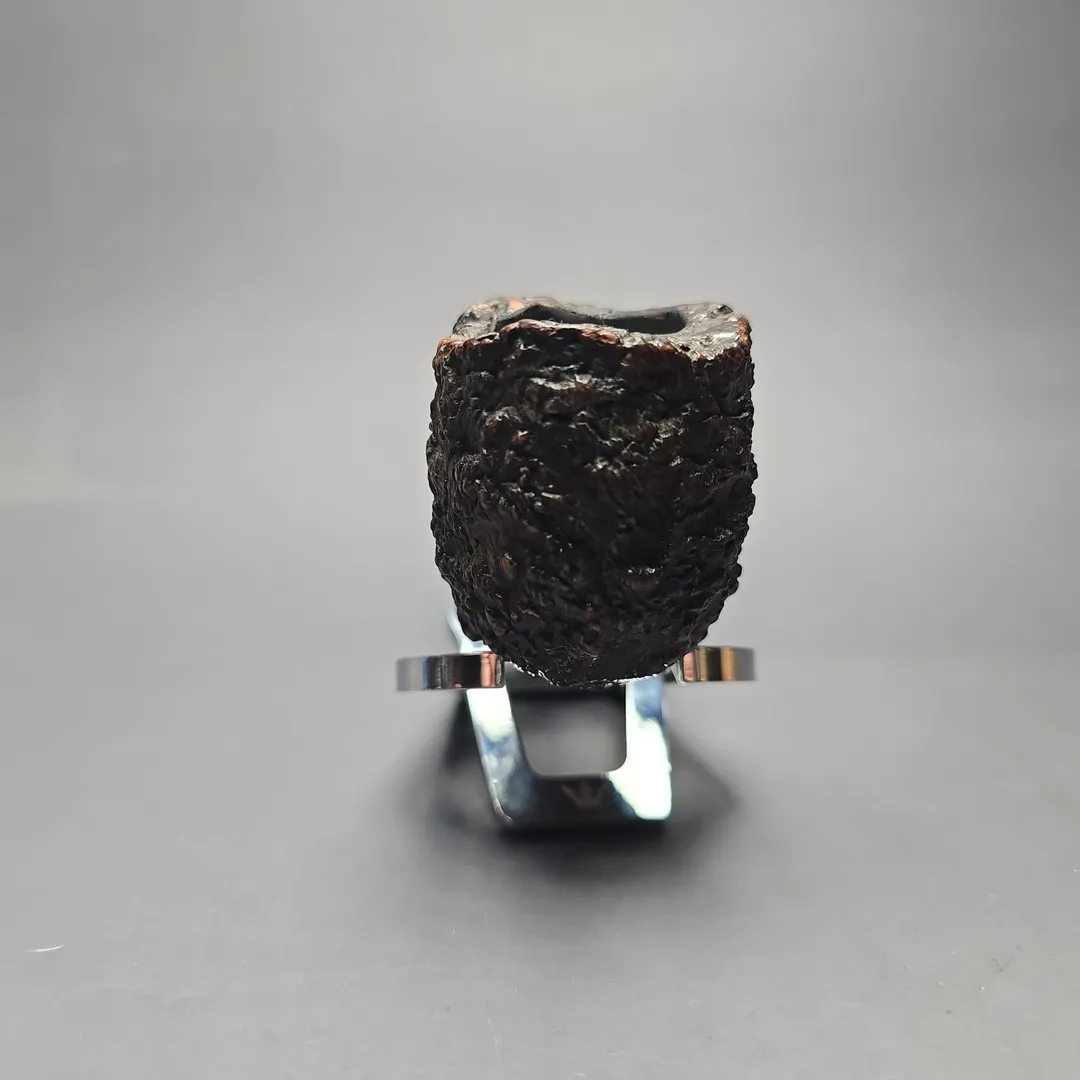
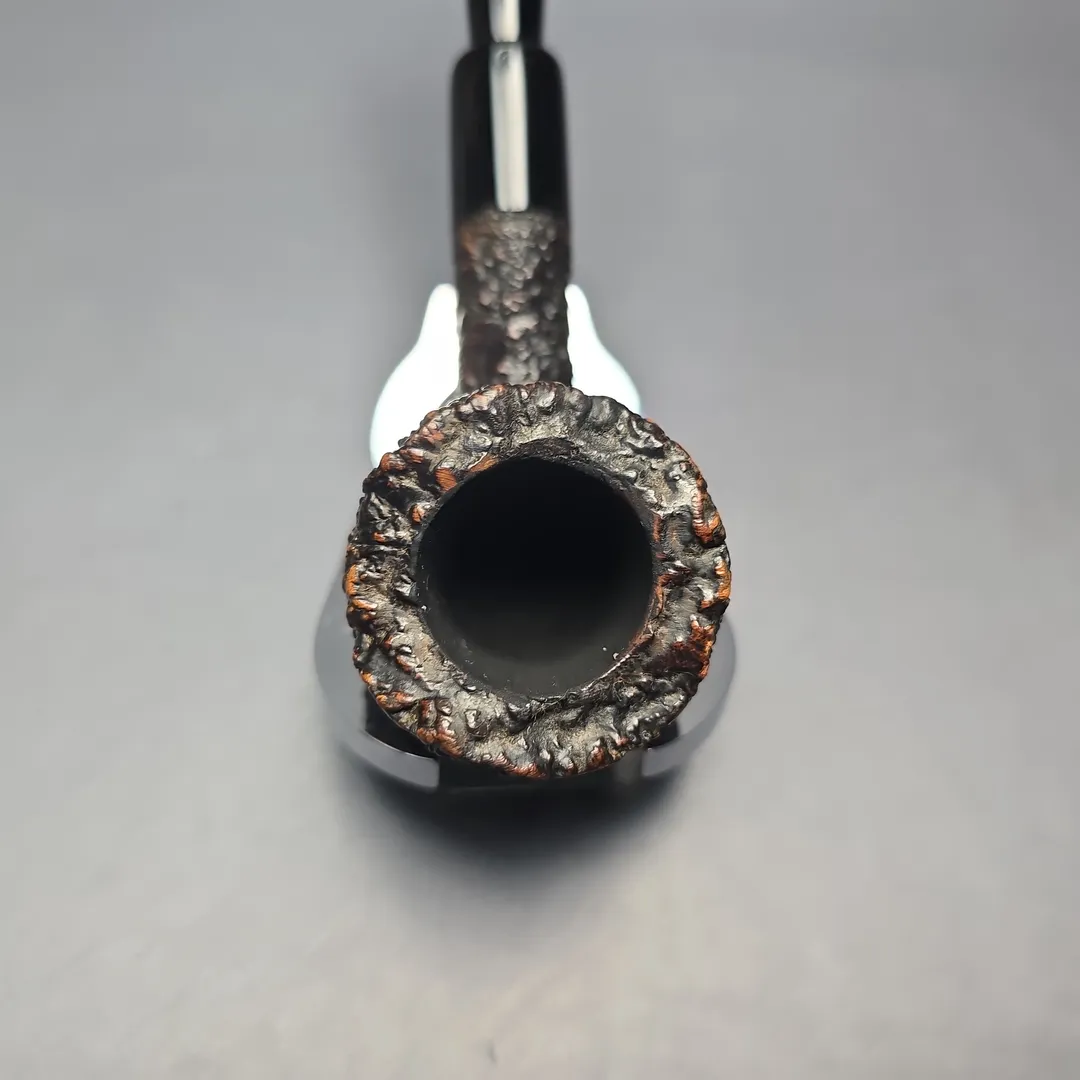
As for the main design, of note is the Sea Rock Briar finish itself, which was originally much more rugged and less granular than it is today, as seen very nicely on this one. The Lucite mount is another interesting addition, being more common back in the workshop’s early decades (designated by an “F” after the shape code, for the Italophone pipe term floc). Last is the pipe’s “wavy,” asymmetric rim, something not standard for Castello pipes, but which is used, here and there, on some designs to lend a little extra distinction.
The condition is good. Some rim charring, finish fading, and minor tooth marks.
Details:
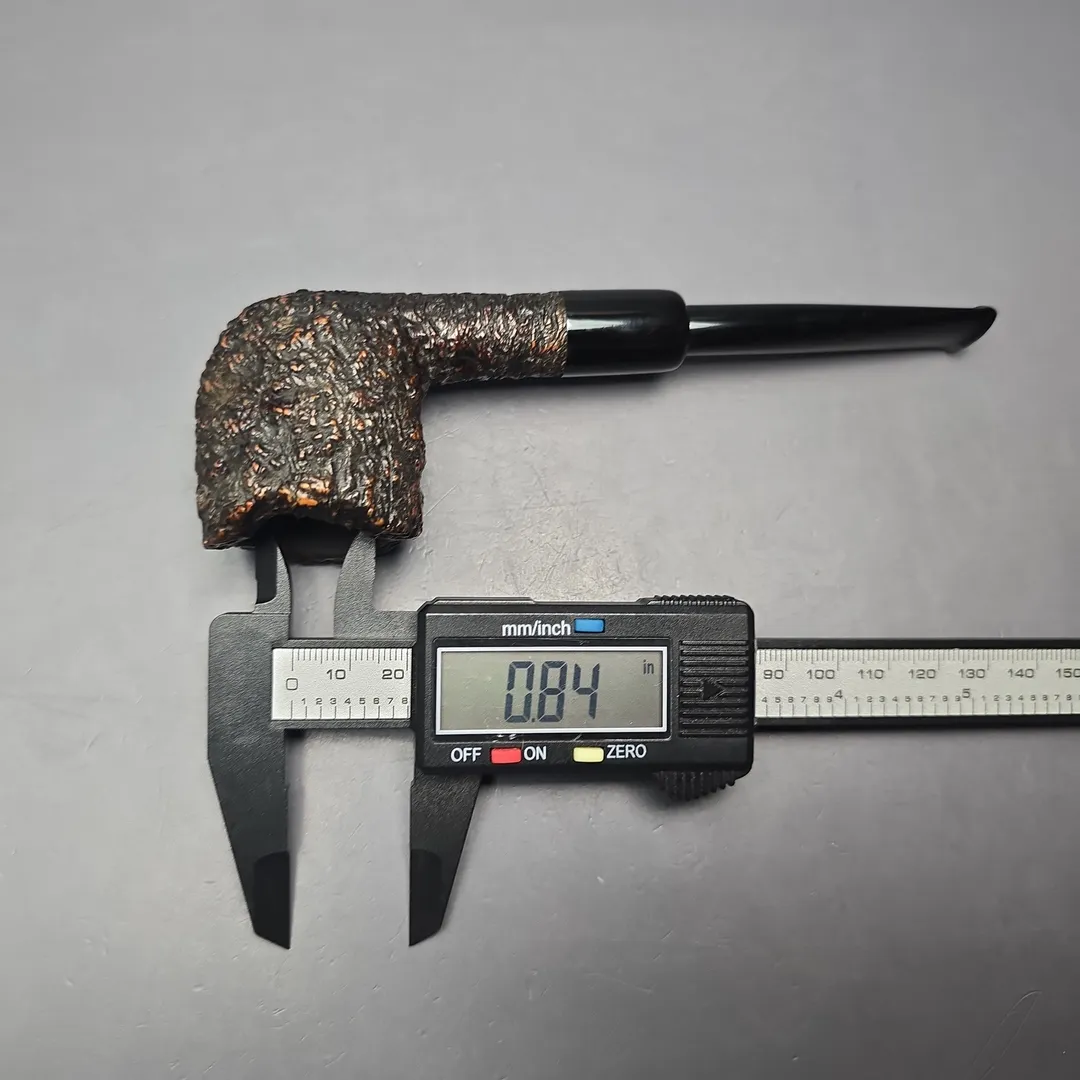
Length: 6.5″ / 165.1mm
Bowl Width: 0.84 / 21.33mm
Bowl Depth: 1.37″ / 34.79mm
Weight: 1.5oz / 44g
| Weight | 15 oz |
|---|
| Condition | Used |
|---|---|
| Notes | Refurbished. |


