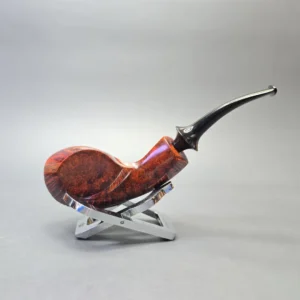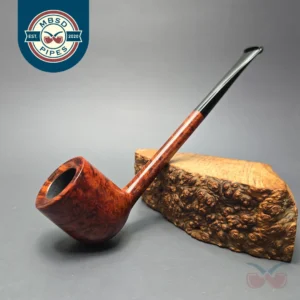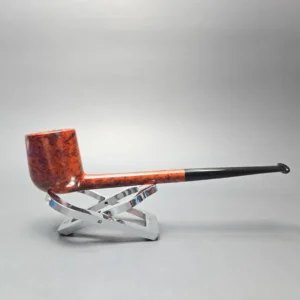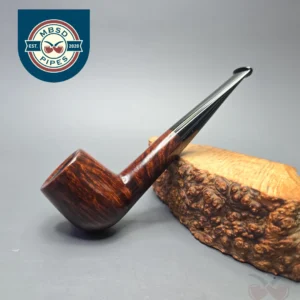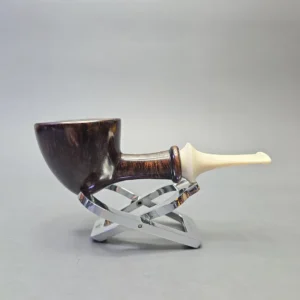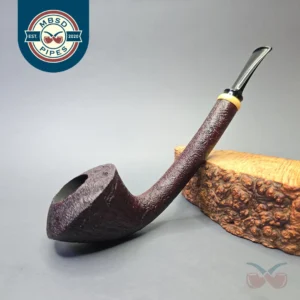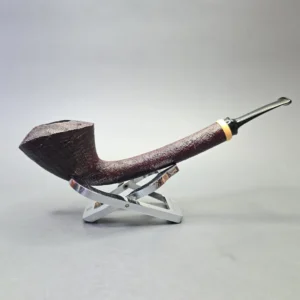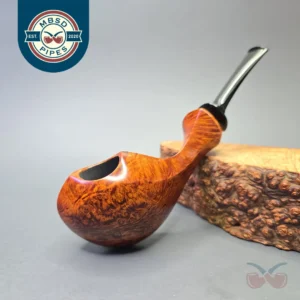
Artisan Pipes

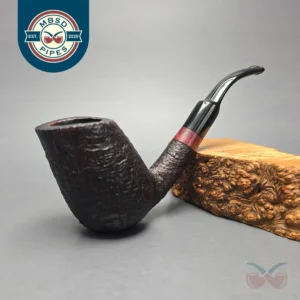
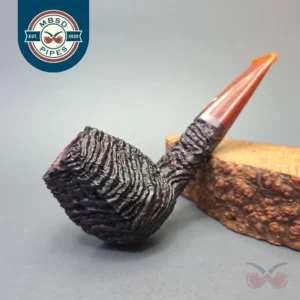
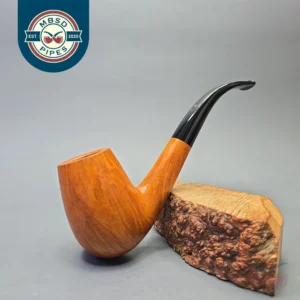
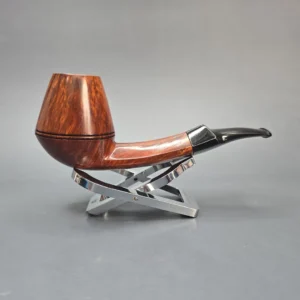
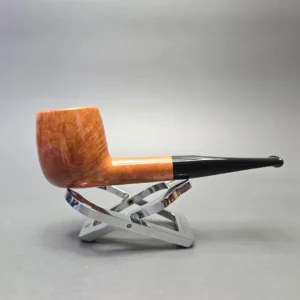
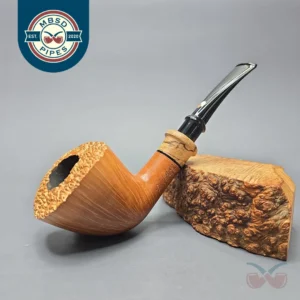
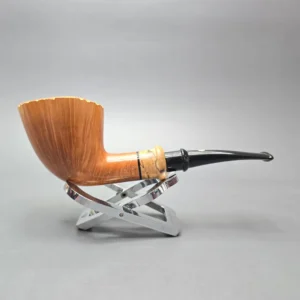
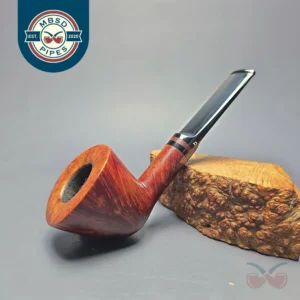
Artisan tobacco pipes combine practical engineering with the individual vision of the maker. Each pipe reflects its artisan’s approach to shaping, balance, drilling, finishing, and stem work, resulting in everything from refined interpretations of traditional forms to original freehand designs.

MBSD Pipes offers a changing selection of new and estate artisan pipes from respected makers around the world. We are selective about the artisans we feature, paying close attention to construction, airflow, comfortable mouthpieces, precise stem-to-shank fitting, chamber geometry, and overall balance. Our collection includes established masters, historically important carvers, and talented emerging makers whose work meets our standards for quality and engineering.

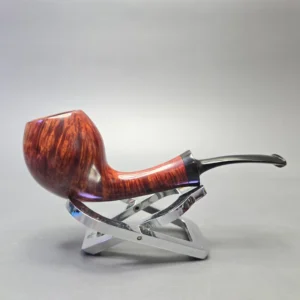
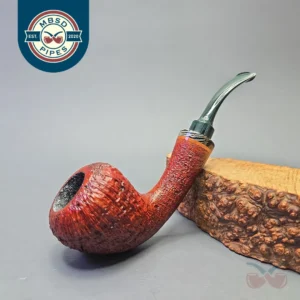
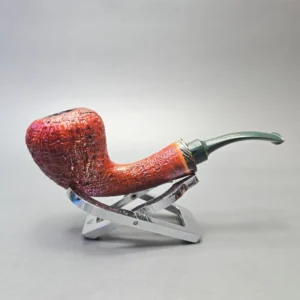
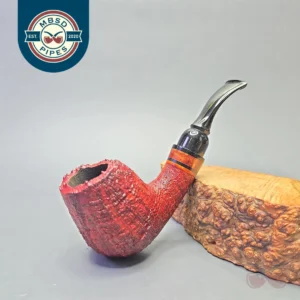
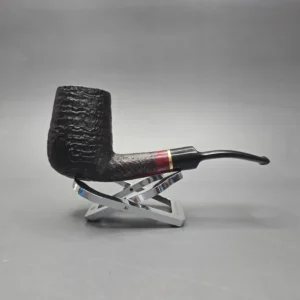
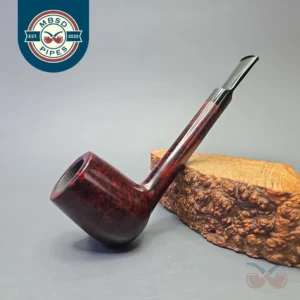
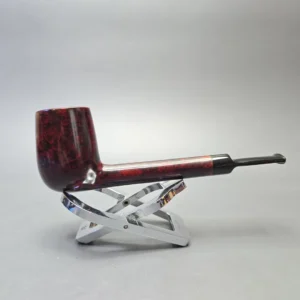
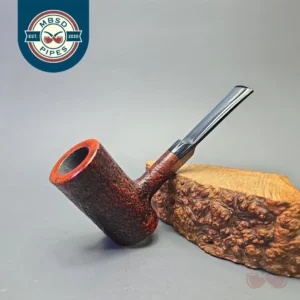
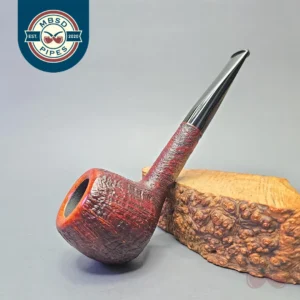
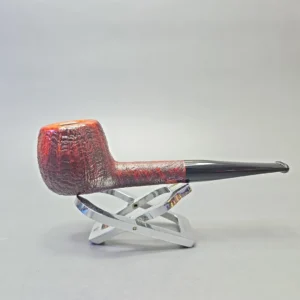
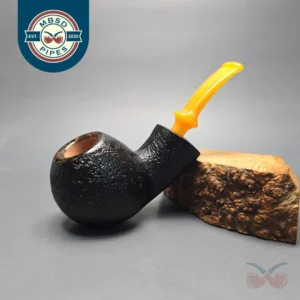
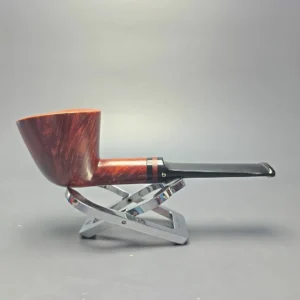
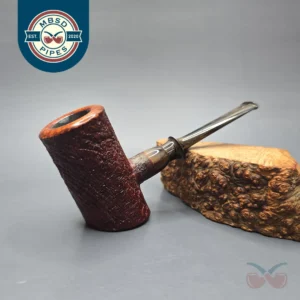
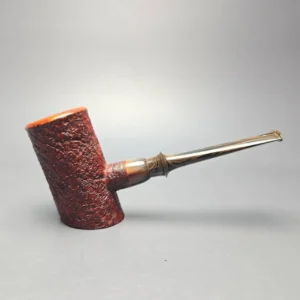
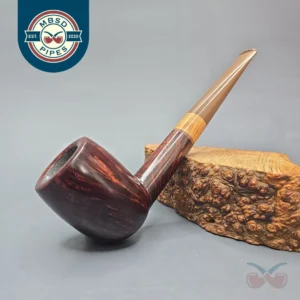
Because artisan tobacco pipes are generally handmade one at a time or produced in small numbers, availability changes frequently. Explore traditional and contemporary shapes in smooth, sandblasted, rusticated, and mixed finishes, with each listing providing detailed photographs, dimensions, materials, condition, and other characteristics unique to the individual pipe.

Showing 1–50 of 2167 resultsSorted by latest
Frequently Asked Questions About Artisan Pipes

An artisan pipe is made by an individual maker or a small workshop, with the maker directly responsible for its design and construction. The term describes an approach to pipe making rather than a regulated quality grade. Some artisans make every component themselves; others use prepared components for parts of the process.

Artisans generally have more freedom to adjust each pipe's shape, proportions, and finish as they work. Factories typically use established shapes and repeatable production methods. Both approaches can produce excellent pipes; an artisan name alone does not guarantee a better smoking experience.
No. Many artisans specialize in traditional shapes such as Billiards, Dublins, and Bulldogs. Others make sculptural freehands or work in both styles. A traditional shape can show considerable skill through its proportions, symmetry, transitions, and stem work.

Start with a shape, weight, and chamber size that suit your preferences. Examine the bowl-to-shank transition, stem fit, mouthpiece, and overall balance. Photographs and measurements help you compare pipes, though some aspects of drilling, airflow, and comfort are easier to assess in hand.

The category spans established masters, historically important carvers, and talented emerging makers. Makers seen here over time include Preben Holm, Kai Nielsen, Claudio Cavicchi, Michael Parks, Graziano Tendi, Grant Batson, and Pipa Croci.

Prices reflect the maker's experience and reputation, time spent on a piece, materials, design complexity, and demand. Exceptional grain or a particularly demanding shape may command more. A higher price can reflect rarity and collectibility as well as workmanship.

A smooth finish shows the briar's grain and any surface imperfections, so makers generally reserve it for blocks with attractive grain and few visible flaws. Shaping the pipe to display that grain also takes careful planning.

Briar that meets these standards is relatively scarce. Even a promising block can reveal a hidden flaw during carving, leading the maker to change the shape or finish.

The higher price reflects the selection of the wood, its appearance, and the maker's work. A smooth finish alone does not mean a pipe will smoke better than a well-made sandblasted or rusticated pipe.

Grading systems vary by maker and are not directly comparable. A stamp may identify the maker, year, series, or a distinction based on grain or workmanship. Some artisans use no formal grades. A letter, number, or symbol can mean something entirely different on another maker's pipe.

Many are unique, but artisans also revisit signature shapes and produce related series. Even when a design repeats, differences in the briar, dimensions, finish, and stem give individual examples their own character.

They can offer access to earlier work, discontinued designs, and makers whose new pipes are difficult to find. Compare condition, dimensions, originality, and price carefully. Estate pipes can be smoked or unsmoked, so check each listing's photographs and condition notes.

Both have never been smoked. The difference is where the pipe came from. A new pipe comes to us directly from the maker or their distributor. An unsmoked estate pipe comes from a collector, previous owner, estate, trade-in, or other secondary-market source, and its condition note says it is unsmoked.

Condition notes use grades such as good, very good, and great, followed by specifics like inner rim darkening, handling marks, or finish fading. Unsmoked pipes are noted as unsmoked, sometimes with an original bowl coating or sleeve.

We list artisan pipes as we find them, each with photos, measurements and condition notes. New pipes go up nightly at 9 PM ET, and our newsletter shares the week's highlights every Monday.

Yes, from a single pipe to a whole collection. We offer 50% of current retail in cash or 60% in store credit. Start with the quote form on our We Buy Smoking Pipes page, or trade toward your next pipe on our pipe trade-in page.

Get first look at new arrivals

Pipes sell fast. Our Monday newsletter rounds up last week's additions and previews the week ahead. One email a week, unsubscribe anytime.

Join the Monday Newsletter

Welcome back

Log in to save this pipe to your Wish List.

Create account

  • Save pipes to your wish list and see it on any device
  • See your orders and shipment tracking in one place
  • Check out faster with your saved address
0
0
My Cart
Your cart is emptyReturn to Shop