
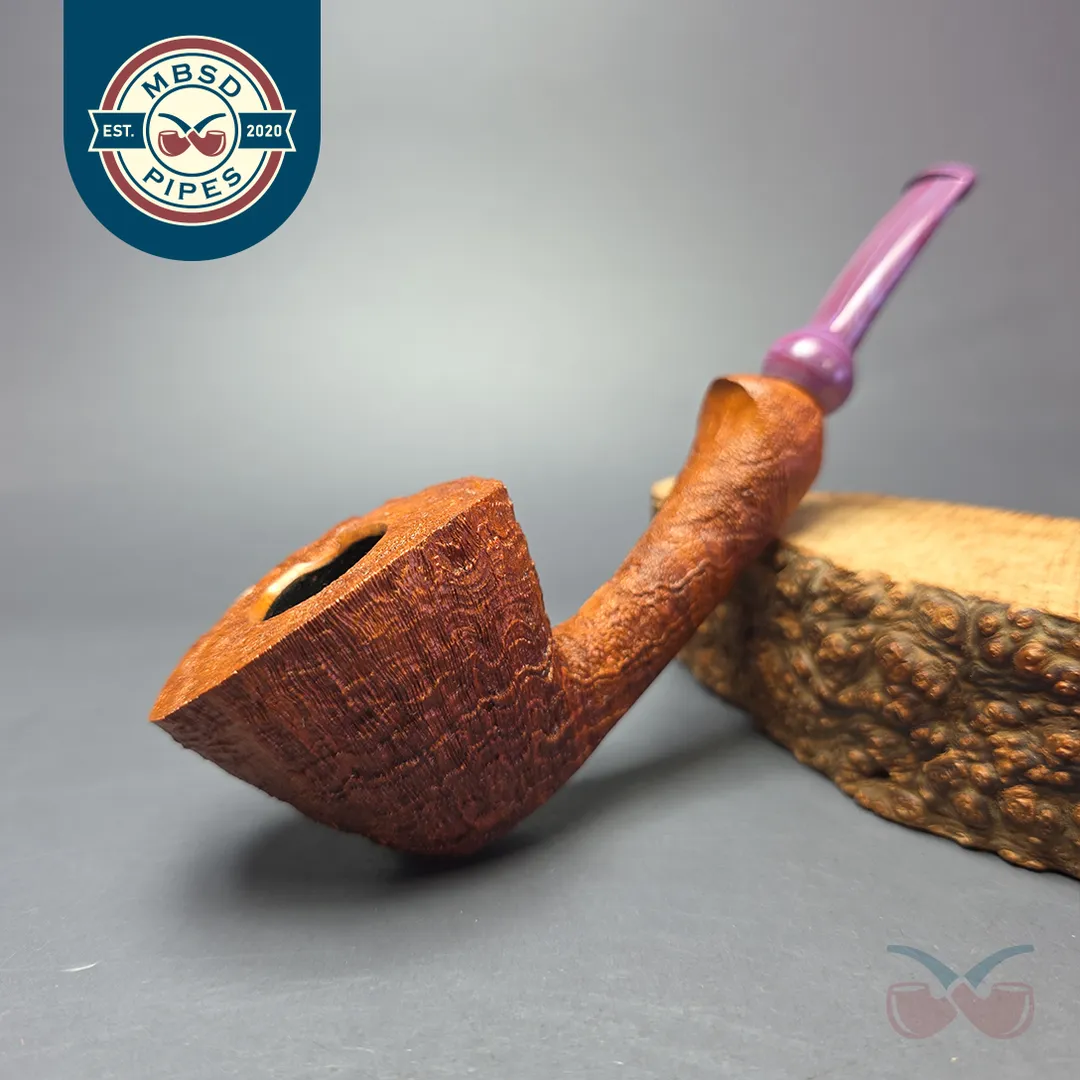
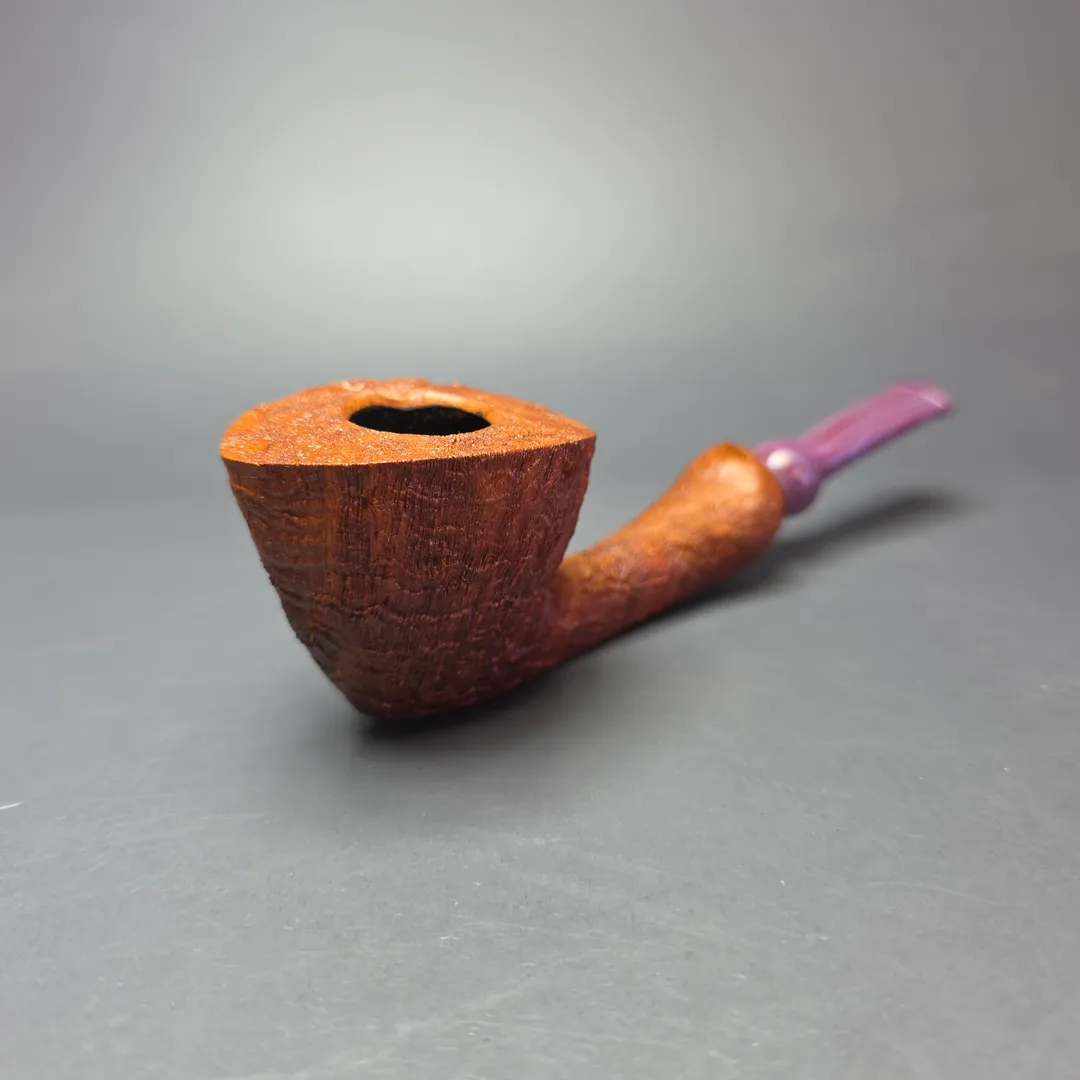
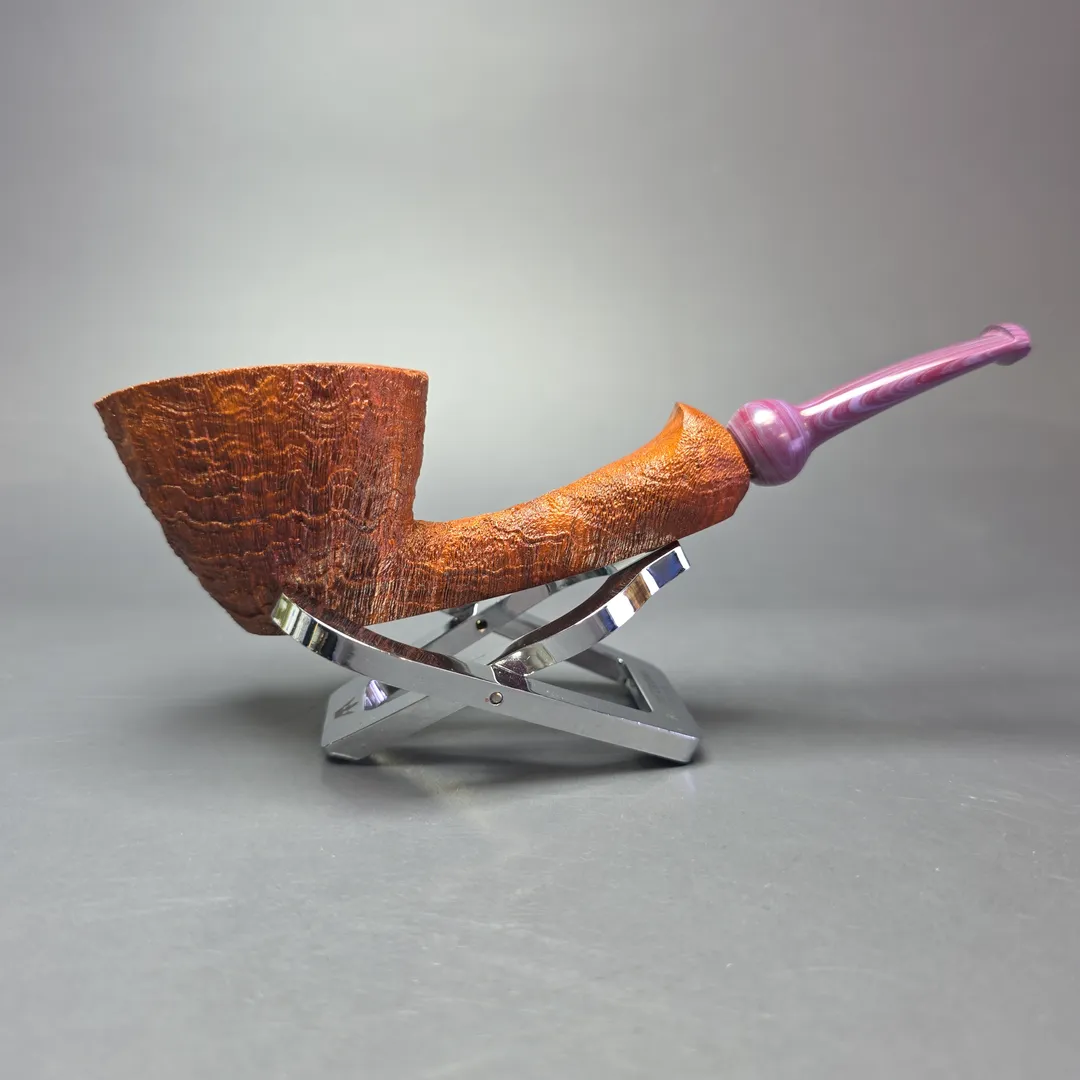
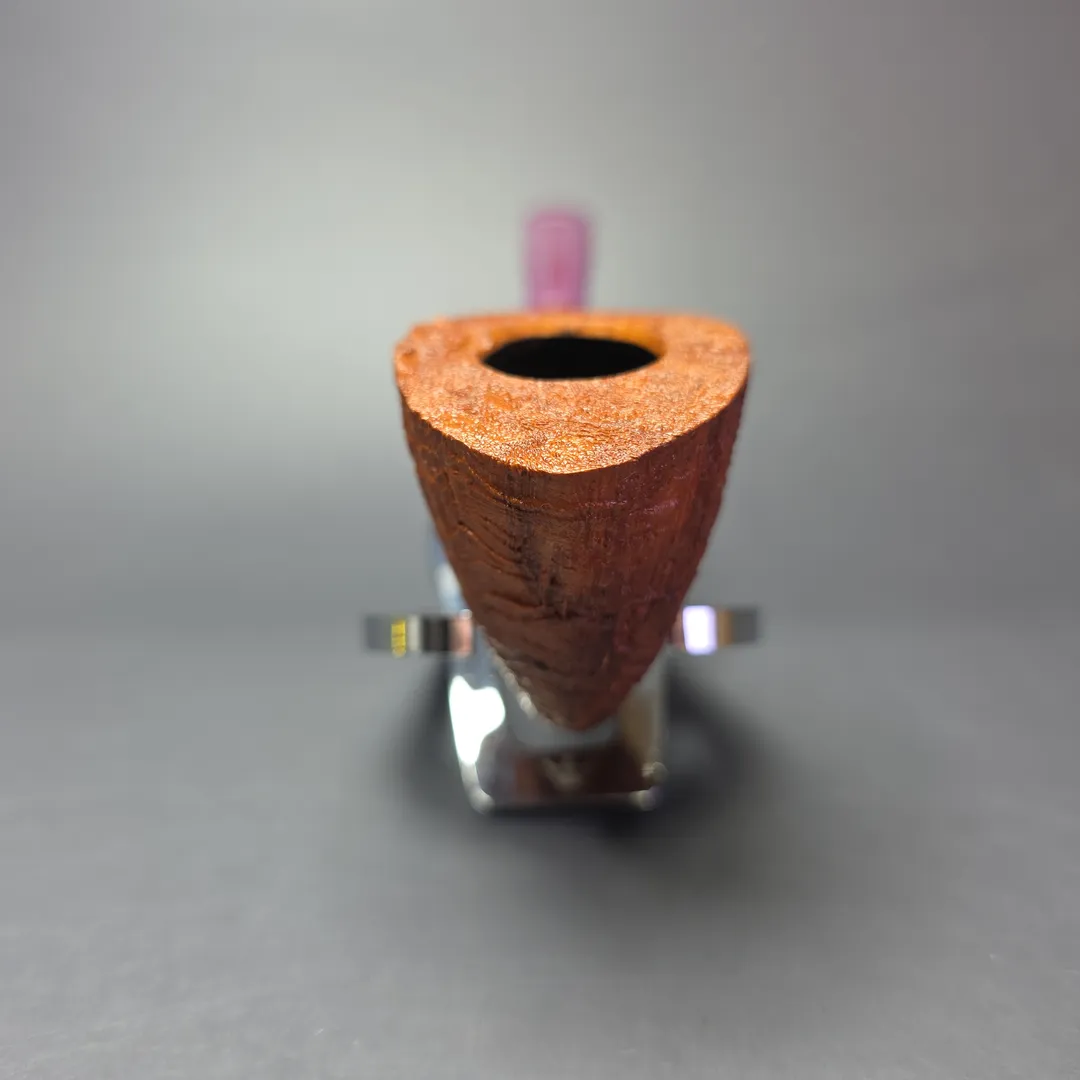
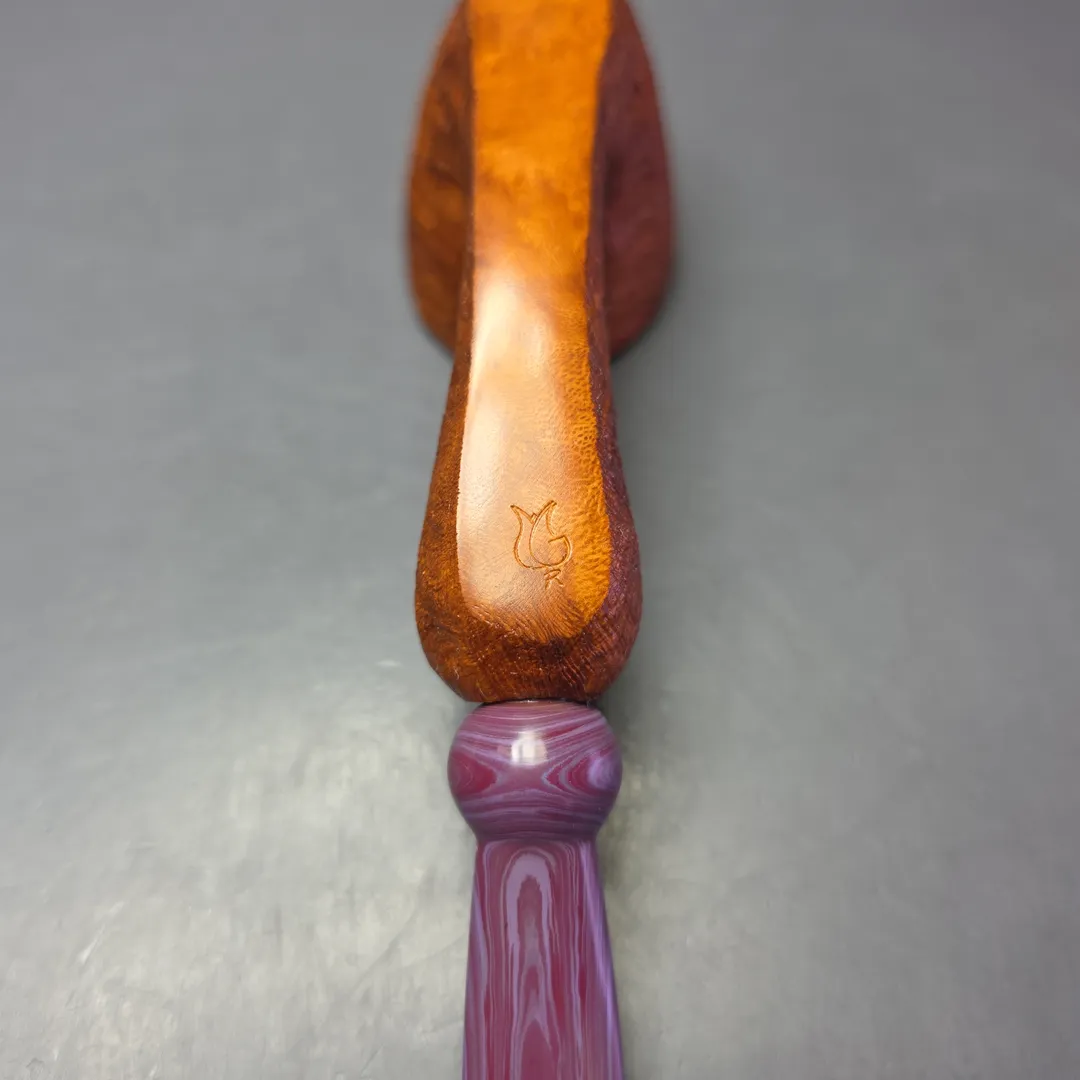
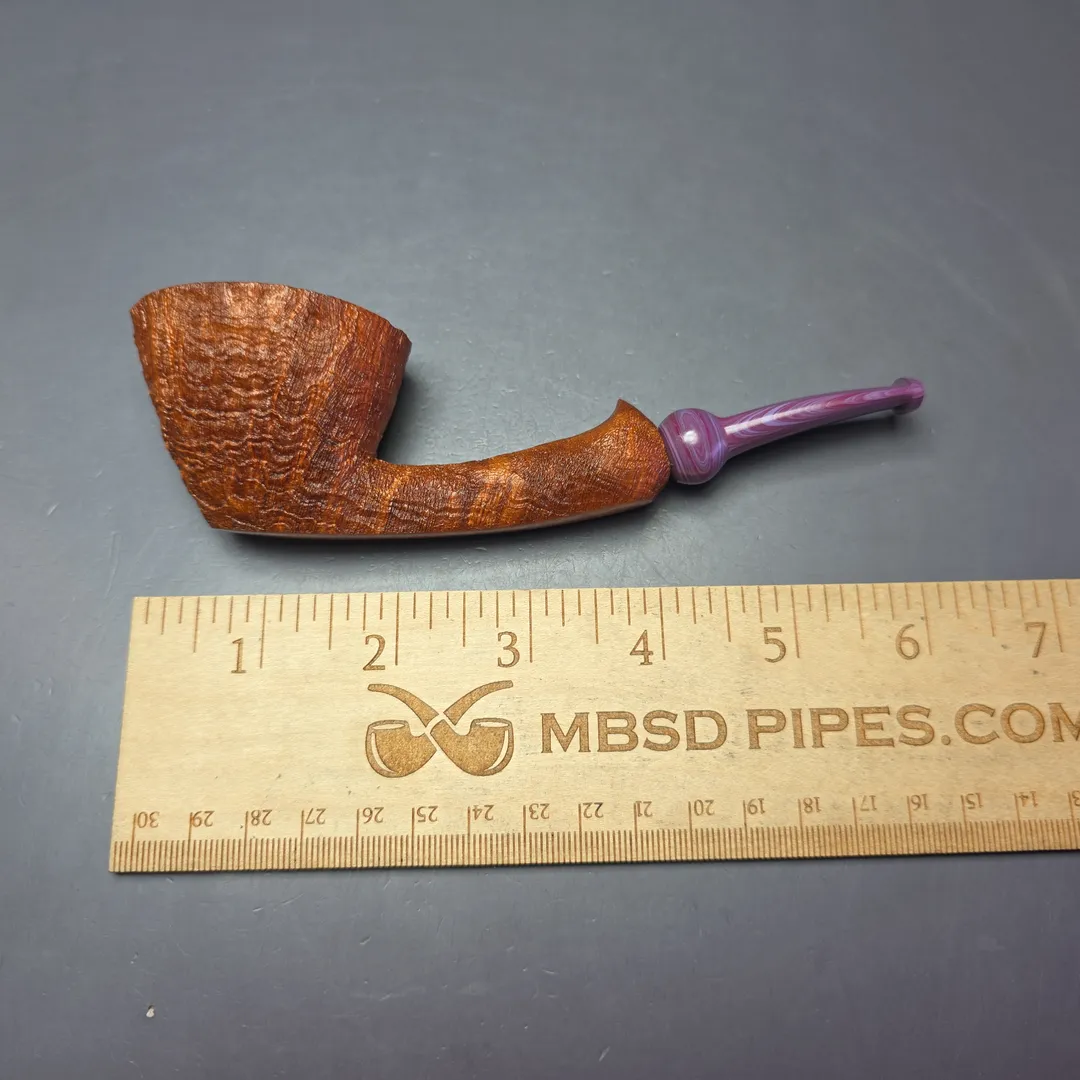
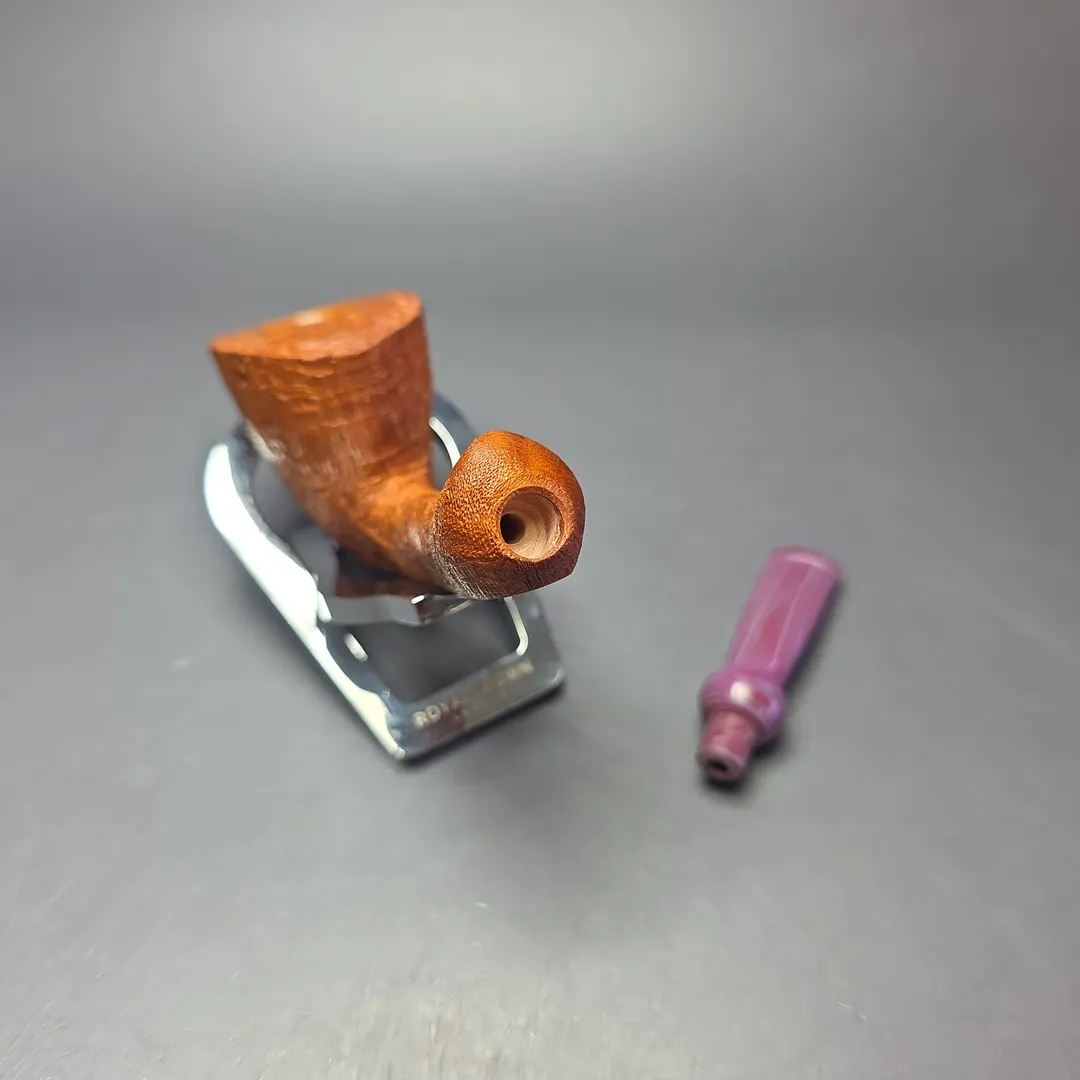
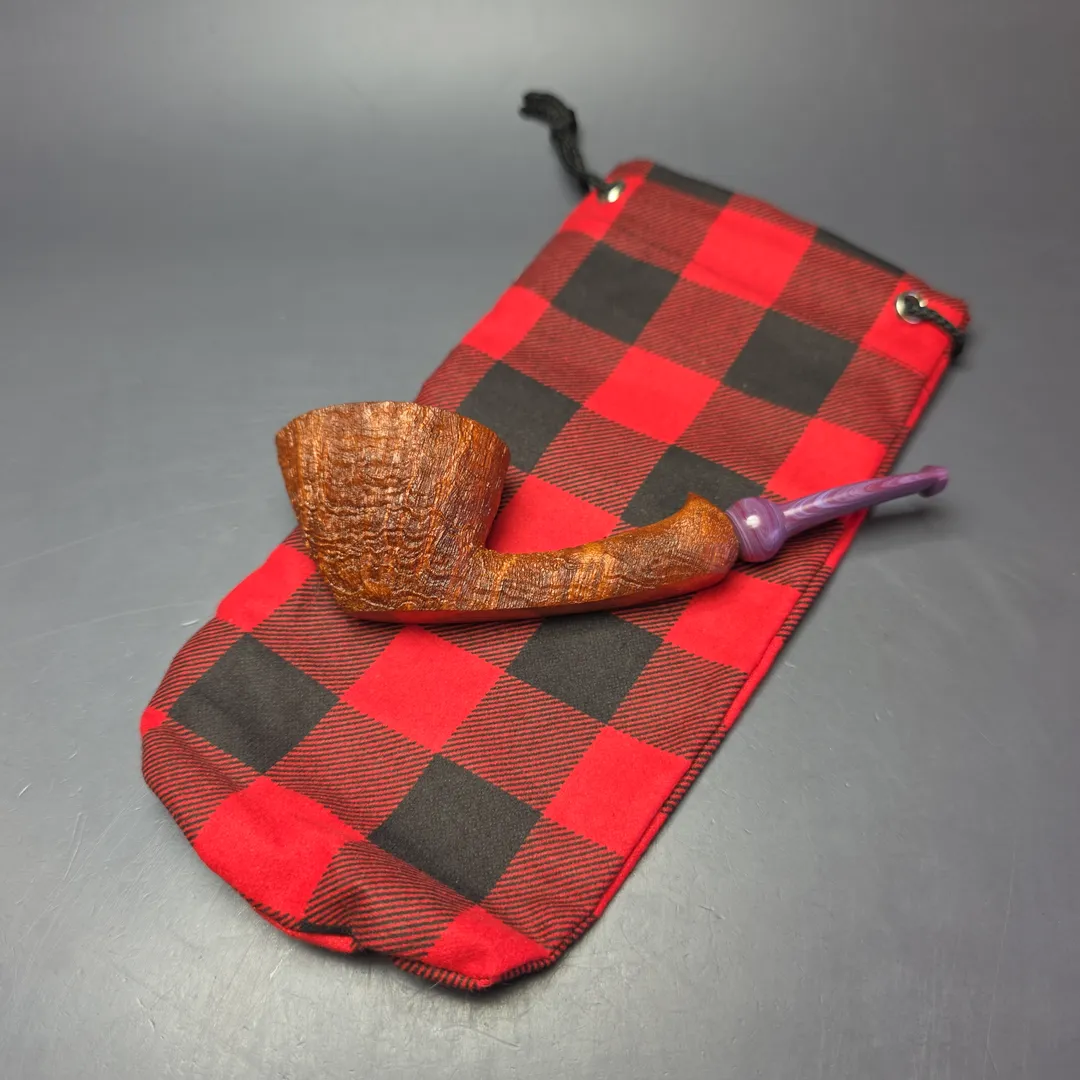
Nate Rose Sandblasted Long Shank Dublin Handmade Briar Pipe, New
Out of stock





As I always say, when it comes to pipe makers, what Canada lacks in quantity it more than makes up for in quality. Nate Rose is no exception. A former student of the legendary Canadian artisan Michael Parks, Rose first turned his expertise as an automotive engineer into a career as a pipe maker in the mid-2010s. One of his first endeavors in this vein was a collaboration with Michael Parks on the Commonweal project, which Parks personally selected Rose for. Commonweal pipes took their name from the British Commonwealth, as they were made from stummels turned by Les Wood, of Ferndown, which Parks finished and Rose cut stems for. Though he remains firm friends with Parks, Rose operates as a purely solo carver these days, putting out high-grade pipes via his Rose Pipes. Mixing a expressed fondness for classic Anglo-French shapes with a genuinely experimental streak, Rose can be counted alongside some of his fellow countrymen, such as Parks, Julius Vesz, and Todd Bannard, as well as others in the wider artisan scene, as a pipe maker at the very forefront of the contemporary neoclassical movement.
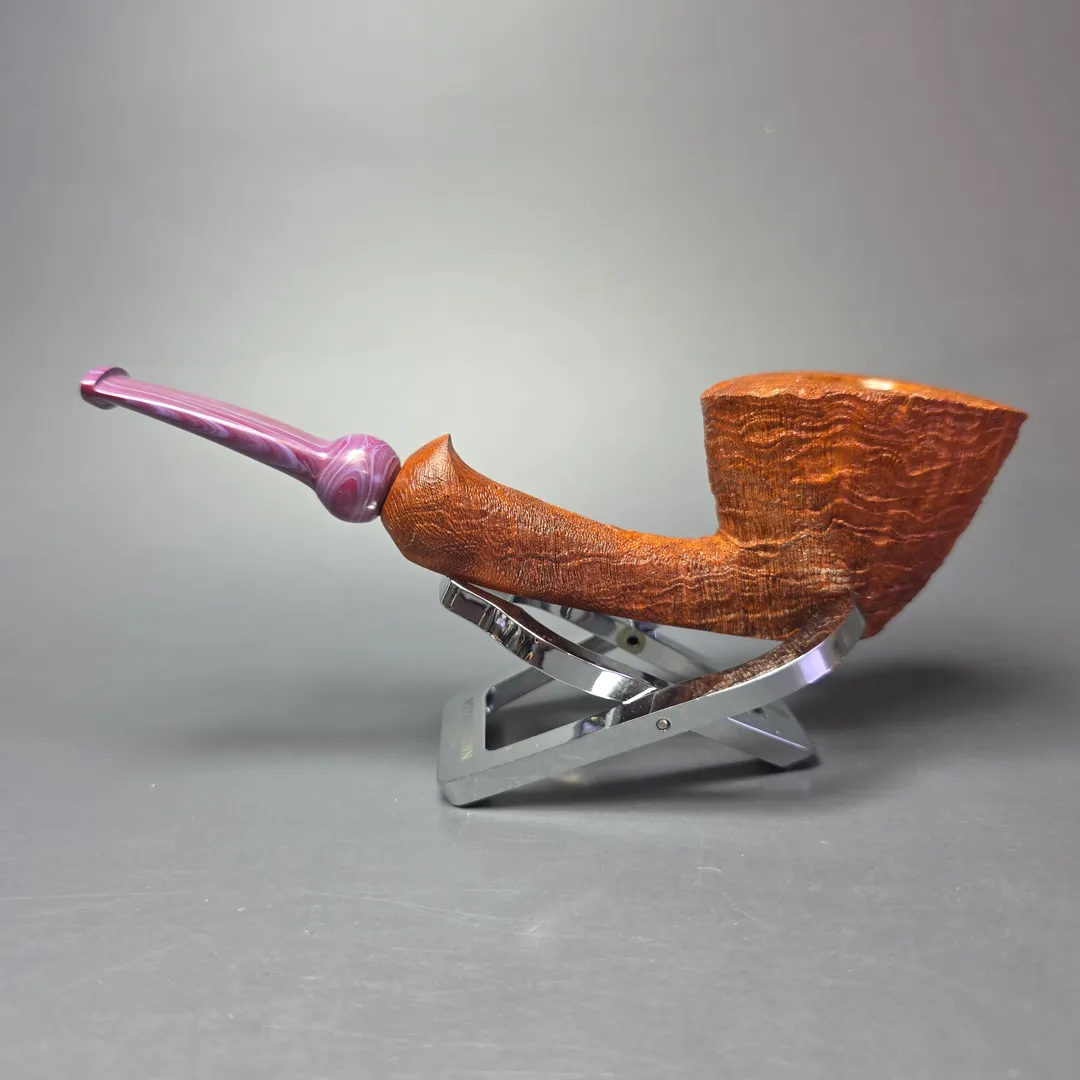
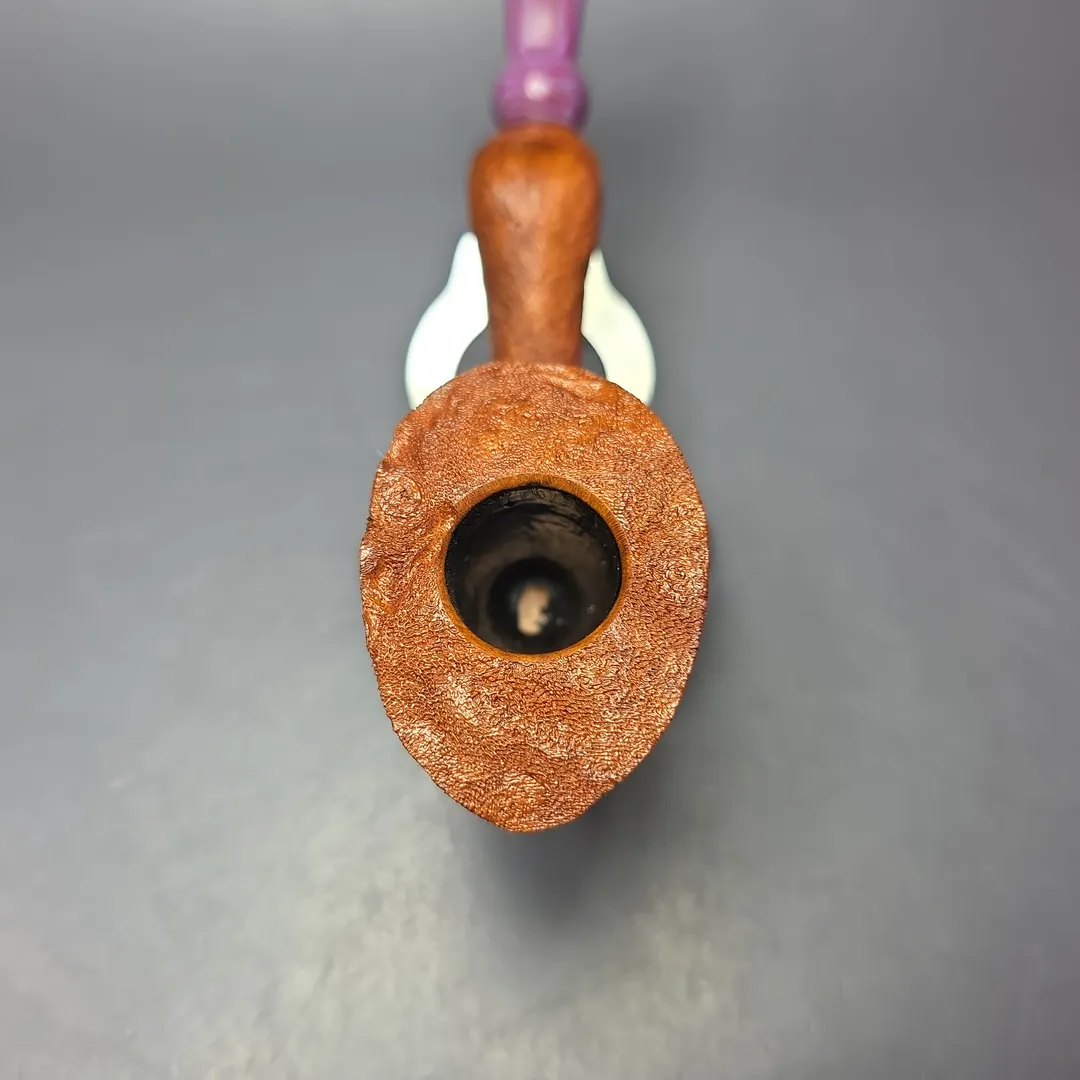
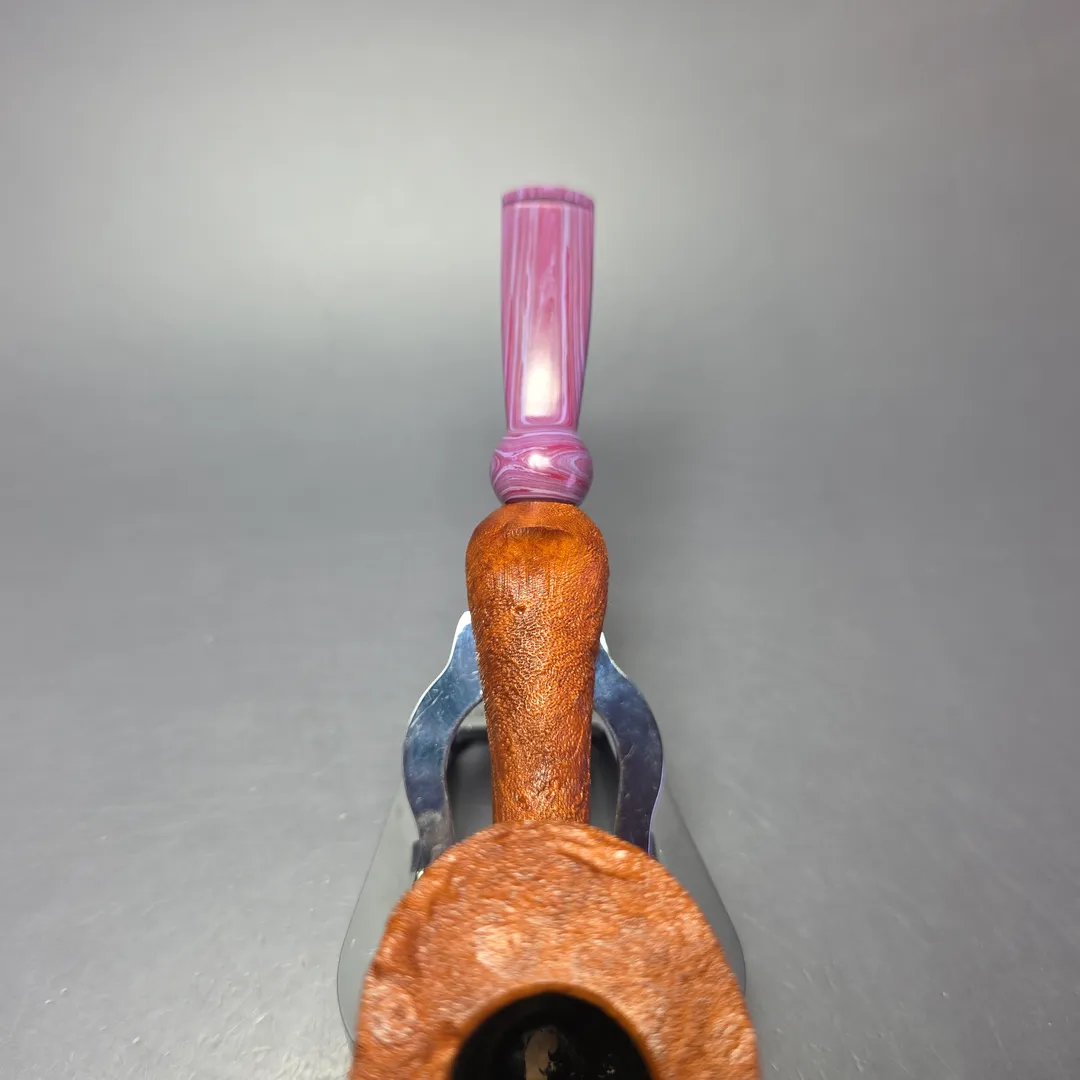
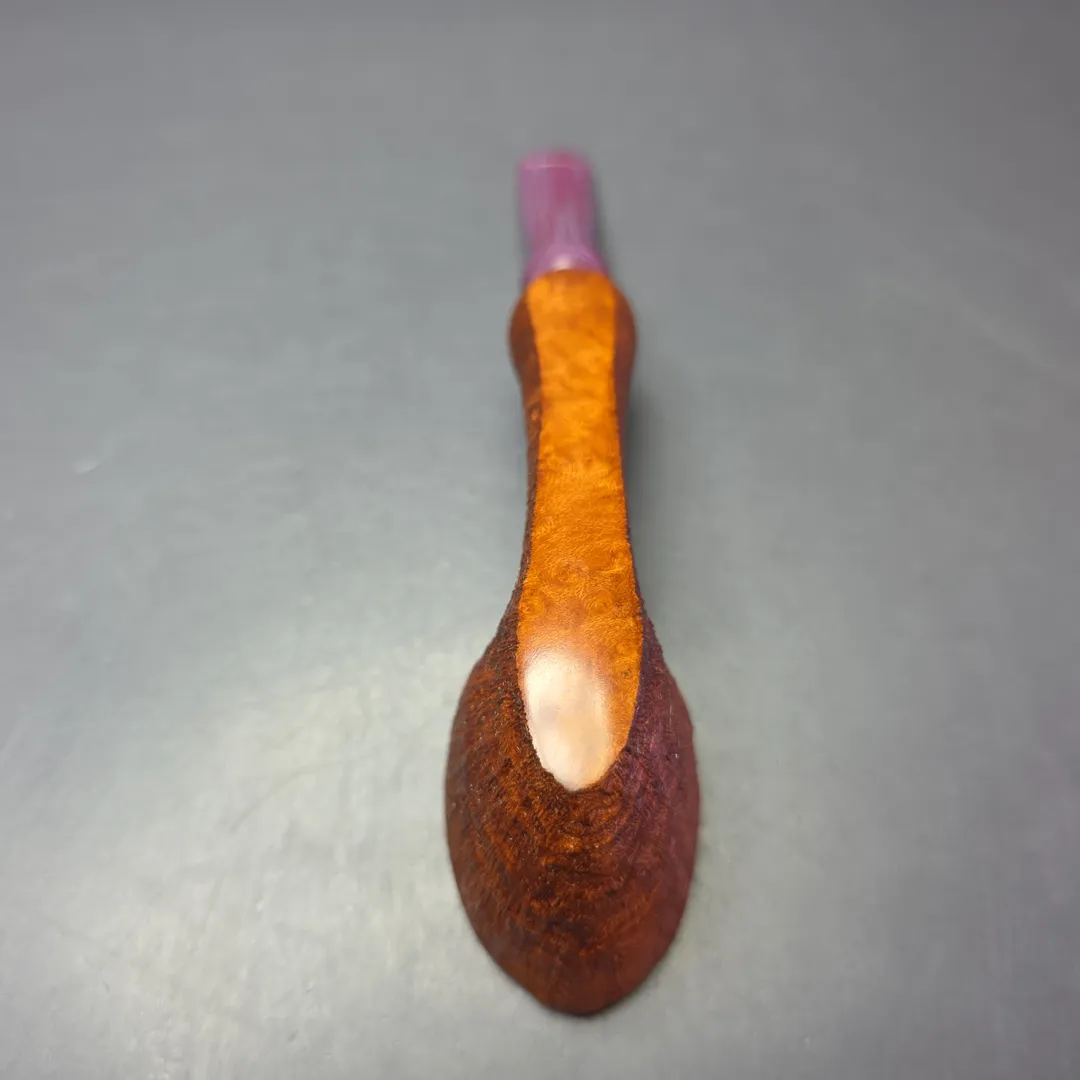
Nate Rose’s latest batch of pipes for us has included a good mixture of the traditional and the modern, and this one is most certainly an example of the latter, yet it nonetheless incorporates a motif found across Rose’s designs, whether past, present, or future oriented. That motif is ovoid, or elliptical, shaping. Whether it’s one of his signature opera or Canadian (or Canadian opera) shapes, or the way he turns his Scandi-style apples and Dublins, there’s often an oval of some variety involved. This particular pipe would be an example of the latter, and while its color palette is very contemporary, the form itself has a couple of very interesting precedents. Sixten Ivarsson, for example, was another pipe maker with a real fondness for narrow, almost maritime Dublin renditions, especially in the 1950s and 1960s (numerous Stanwell shapes attest to this, such as the 1950s numbers “20,” “50,” and “55”). On the other hand, the pipe also leans into a theme far more common in later Danish pipes, such as those of Lars Ivarsson and—when factoring in elliptical bowls, especially—Teddy Knudsen. In other words, there’s a fascinating mix of design elements at work here, all of which come together in a way that’s very distinct.
Details:
Length: 6.1″ / 154.9mm
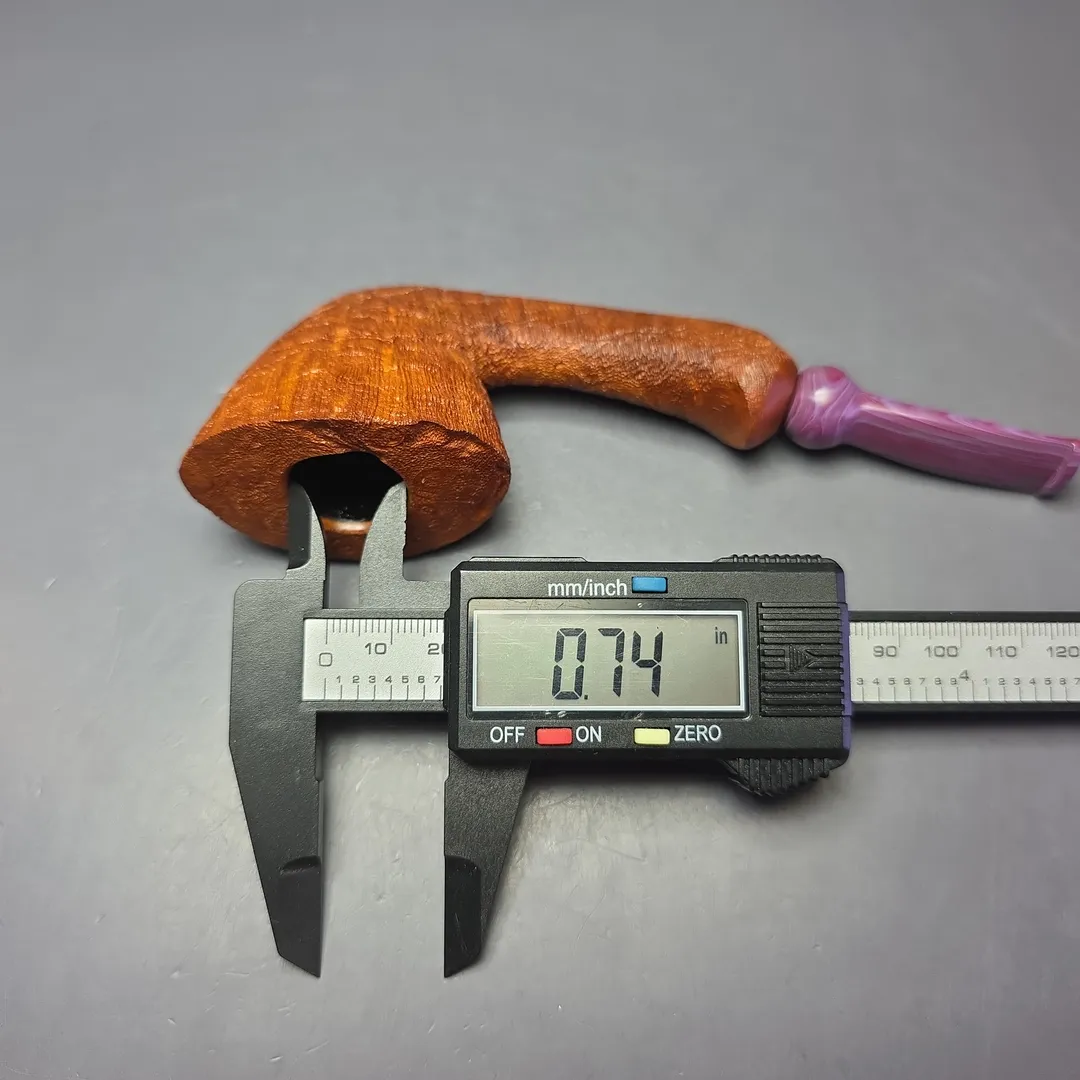
Bowl Width: 0.74 / 18.79mm
Bowl Depth: 1.48″ / 37.59mm
Weight: 1.5oz / 44g
| Weight | 15 oz |
|---|
| Condition | New |
|---|


