
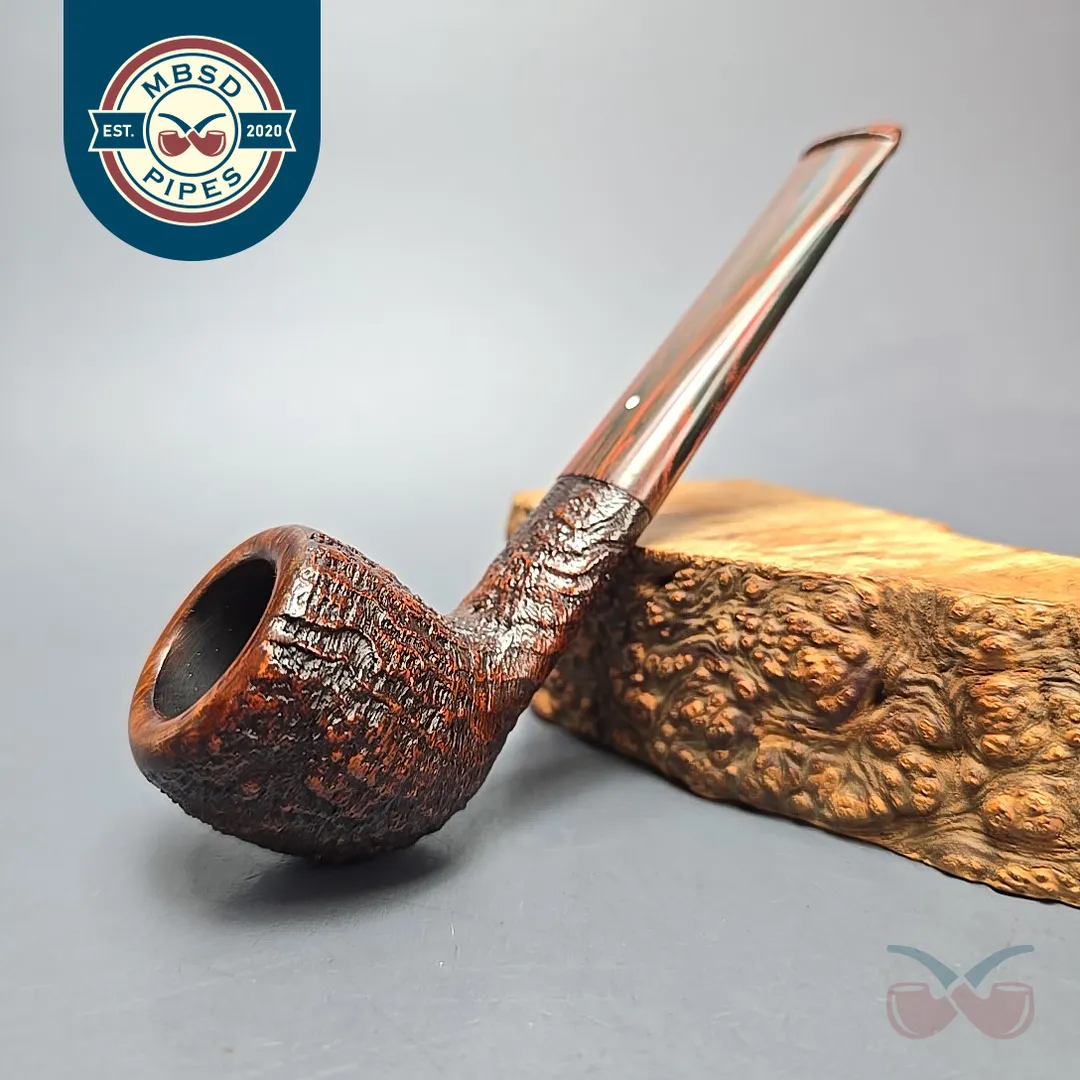
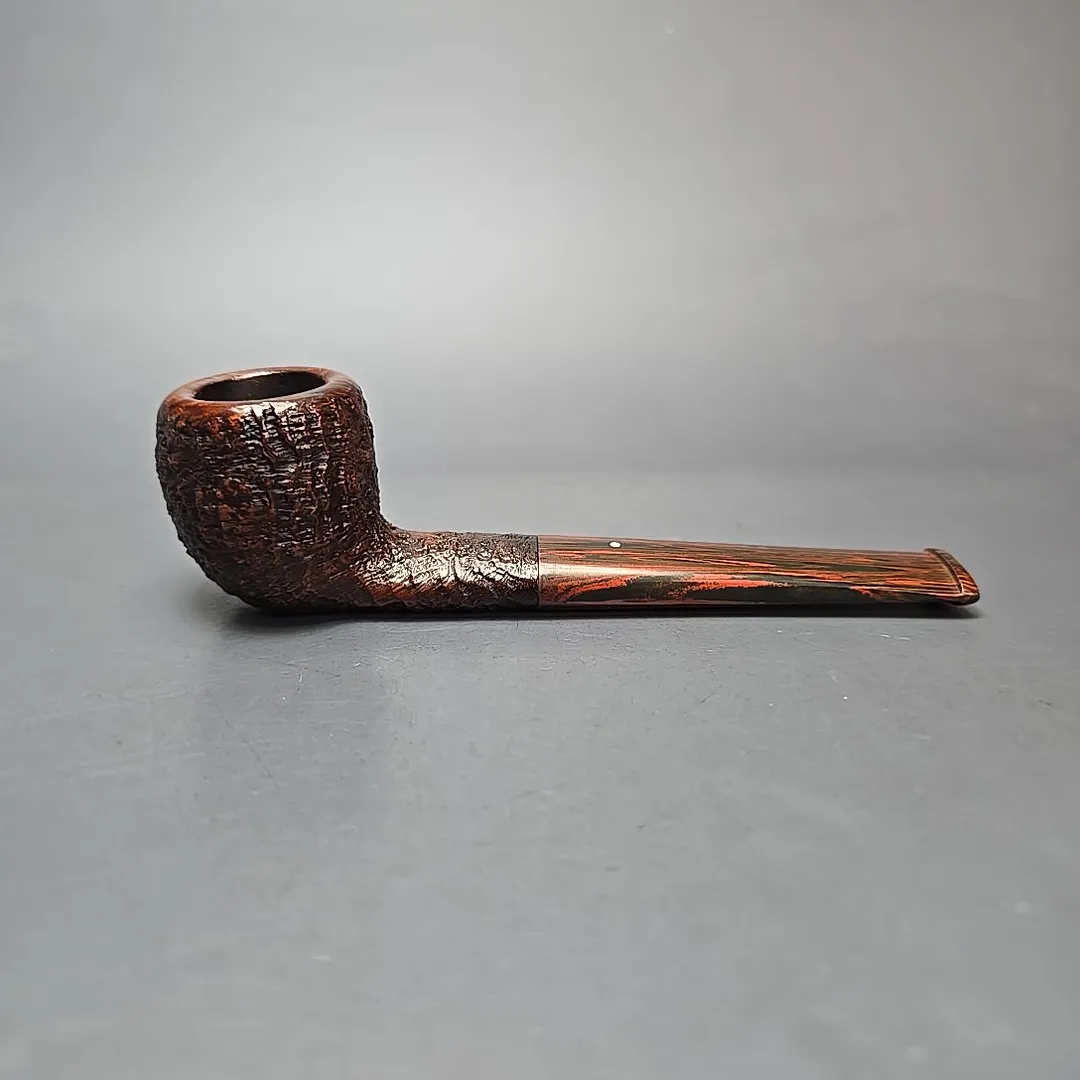
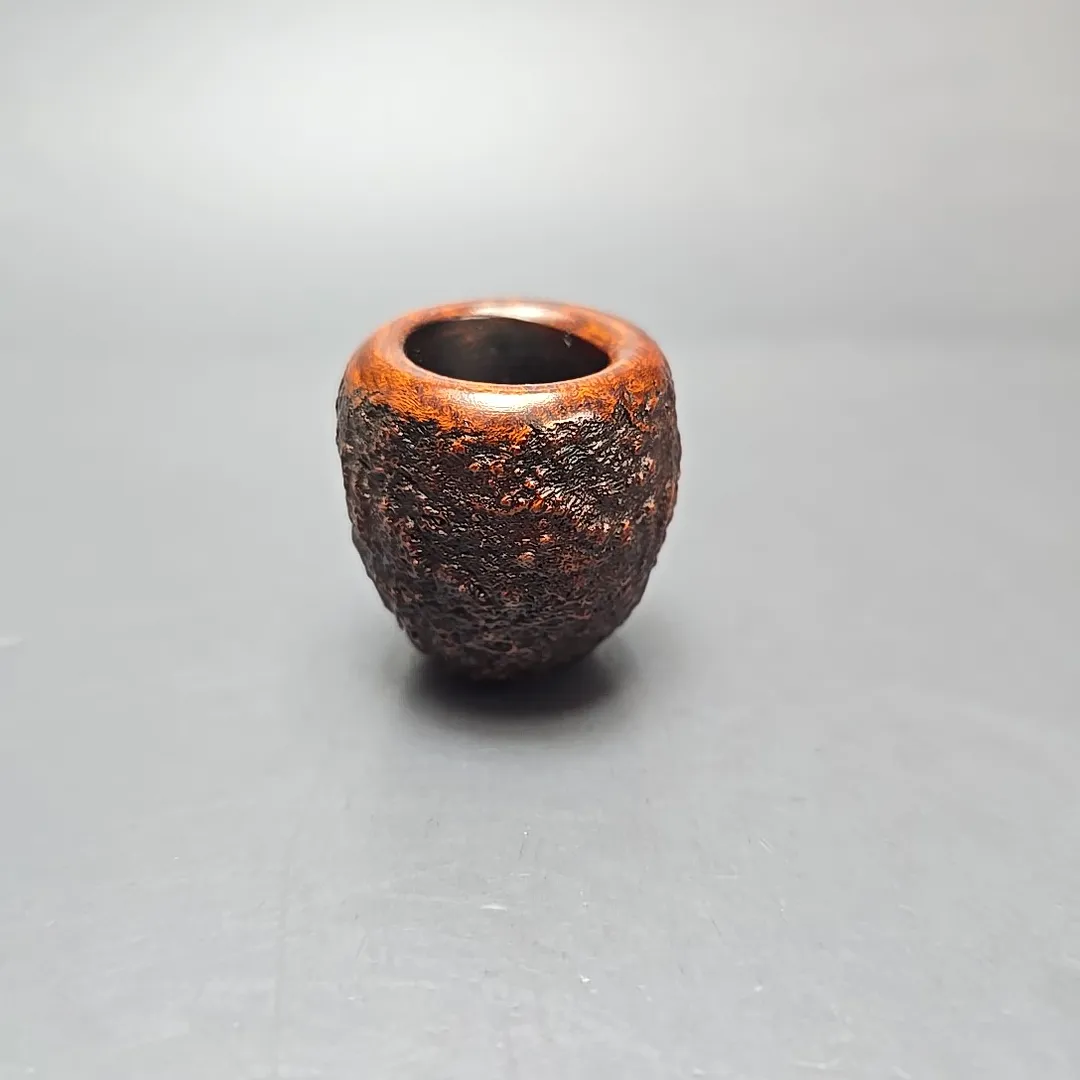
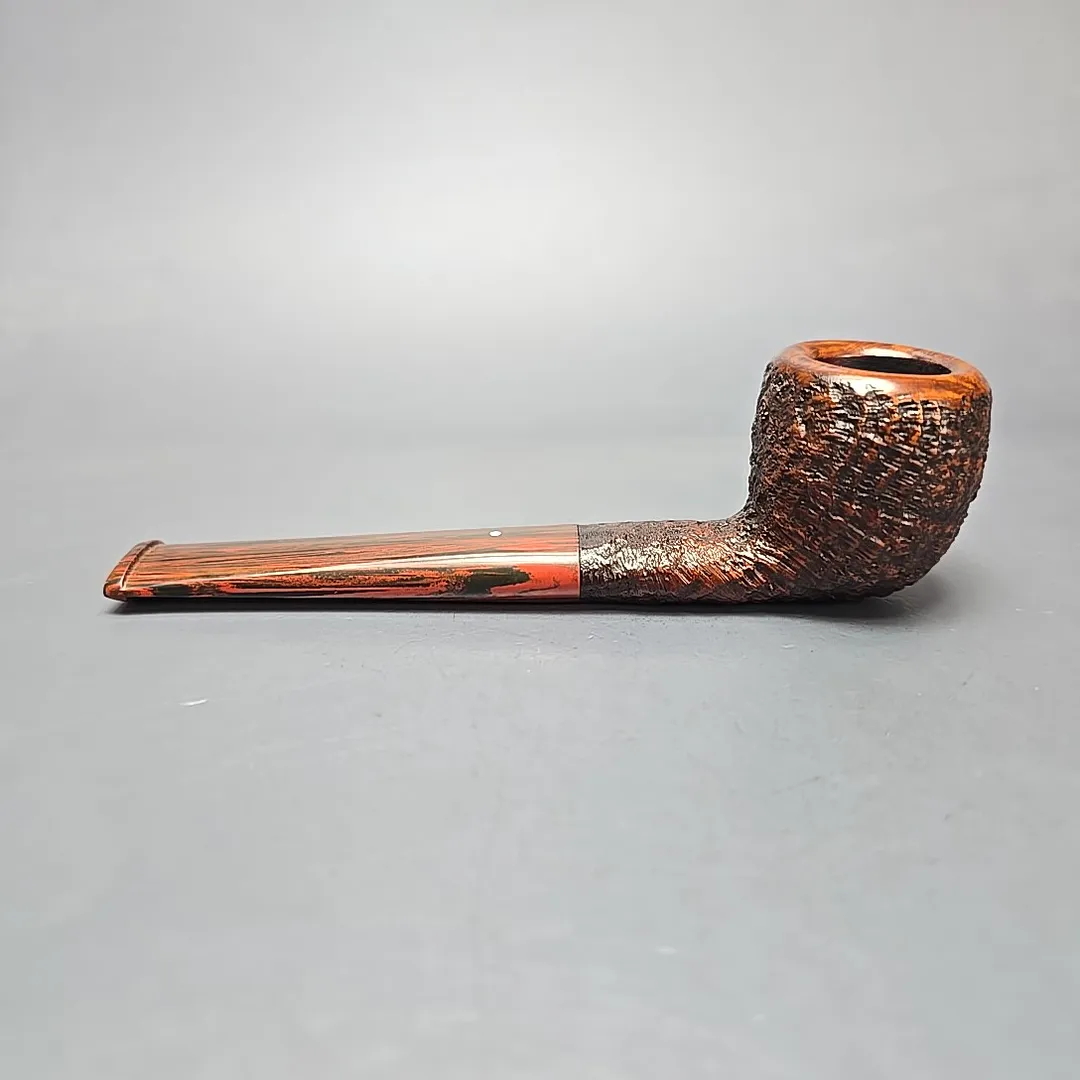
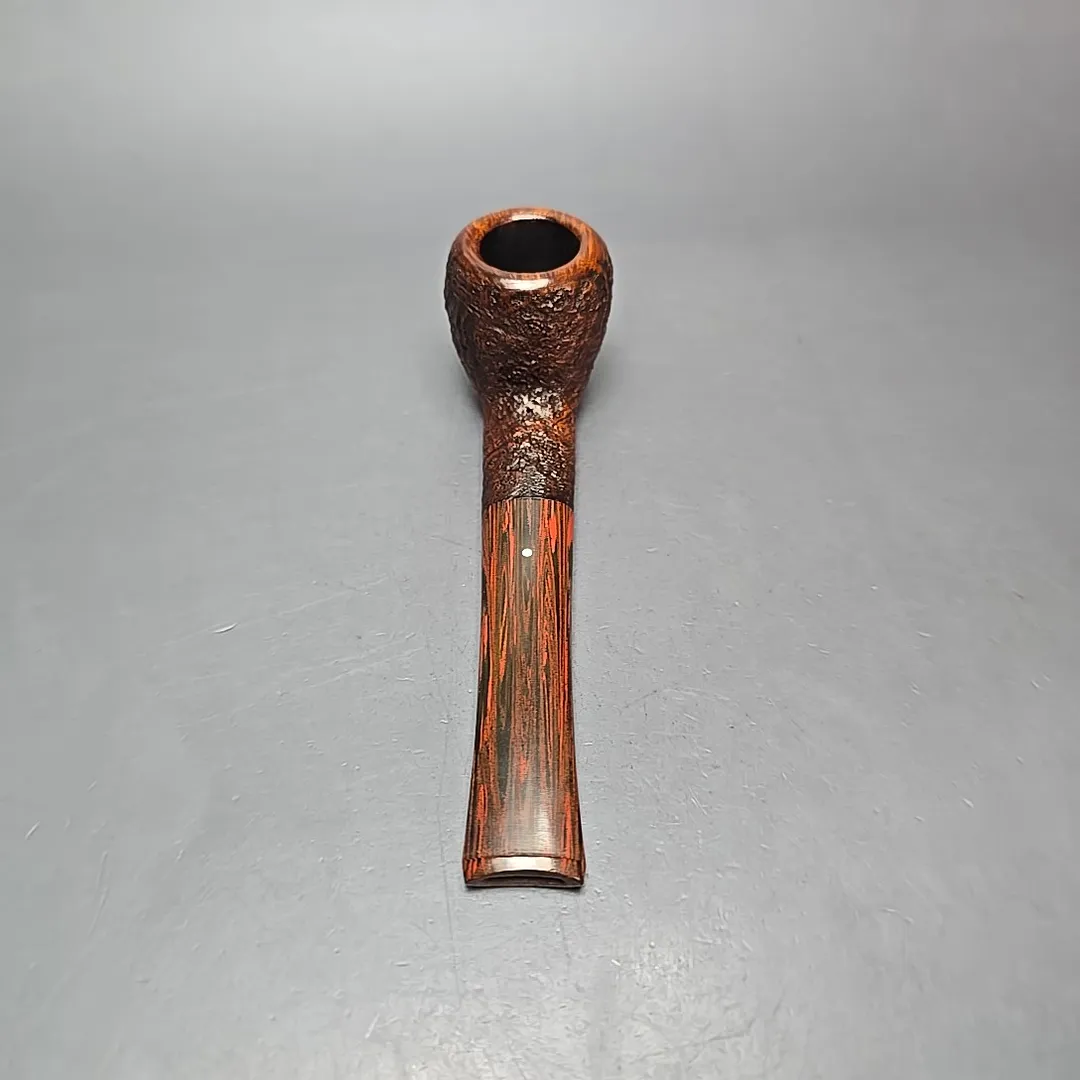
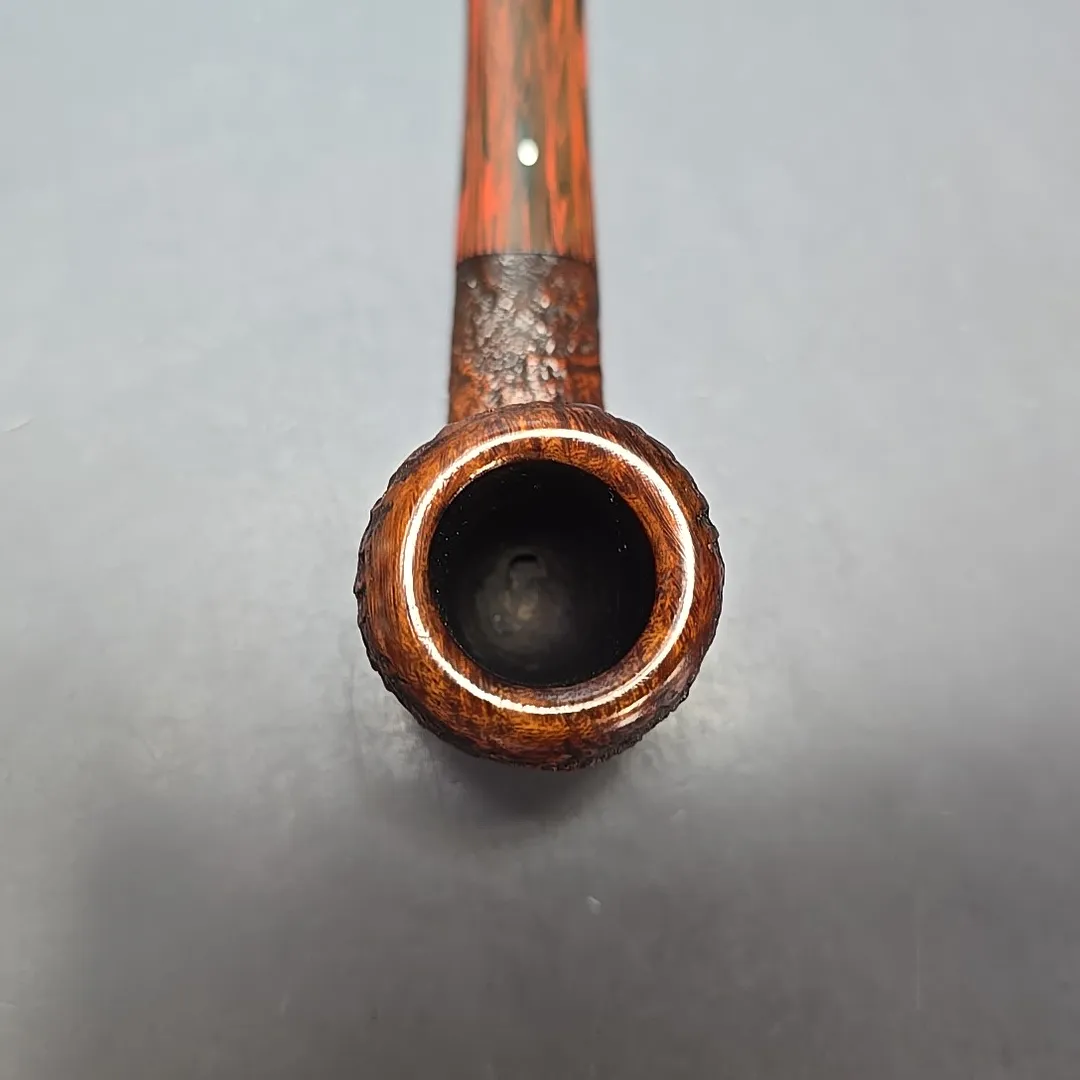
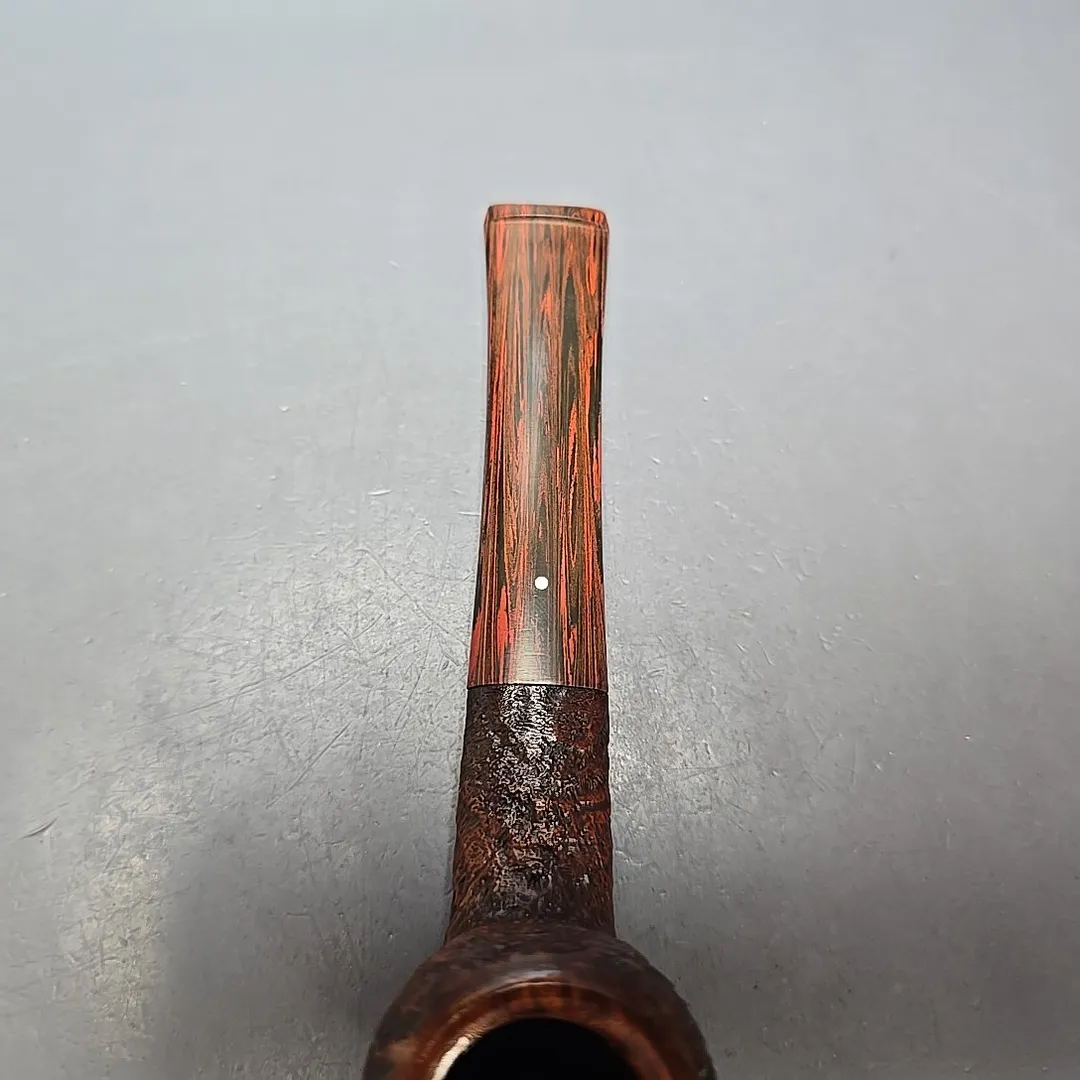
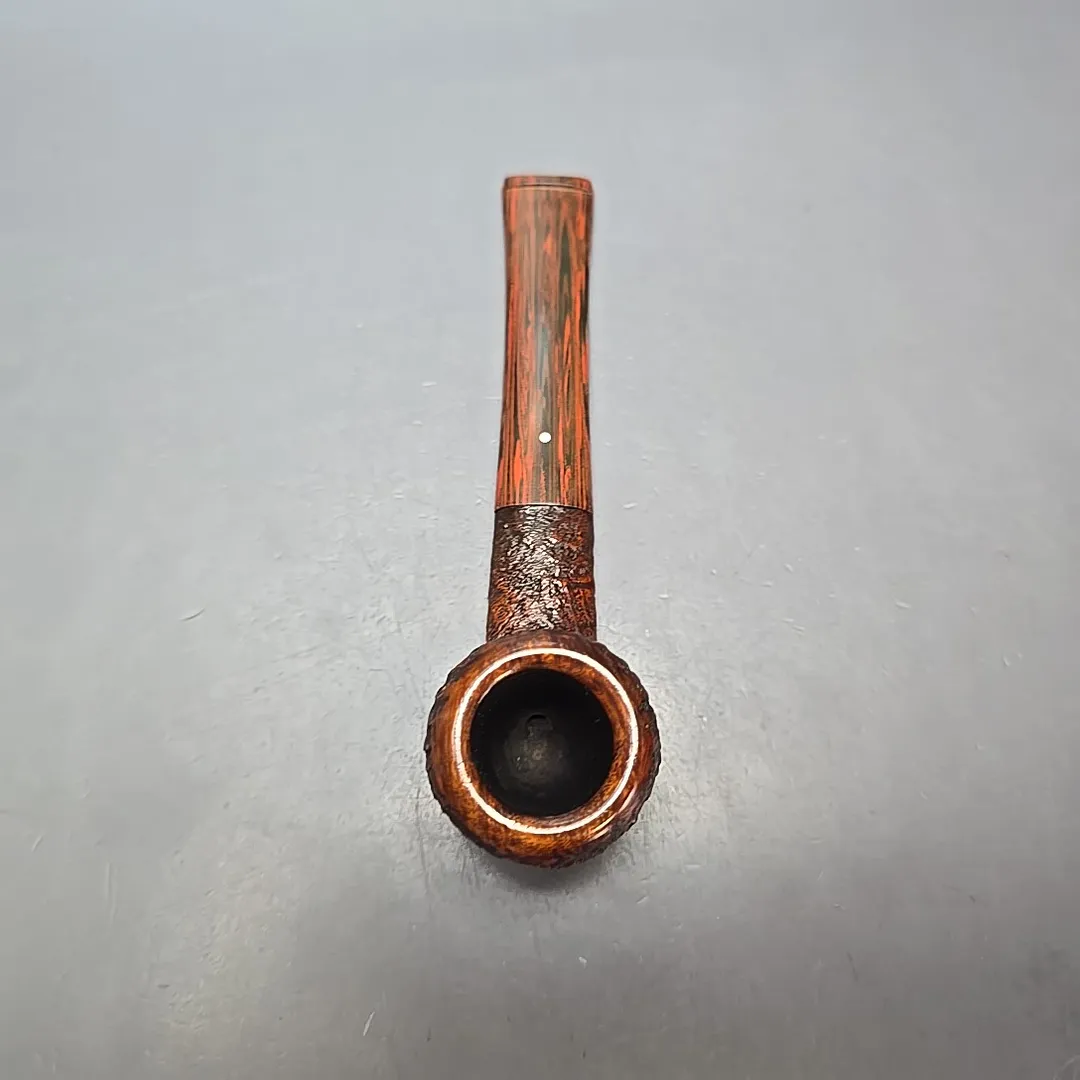
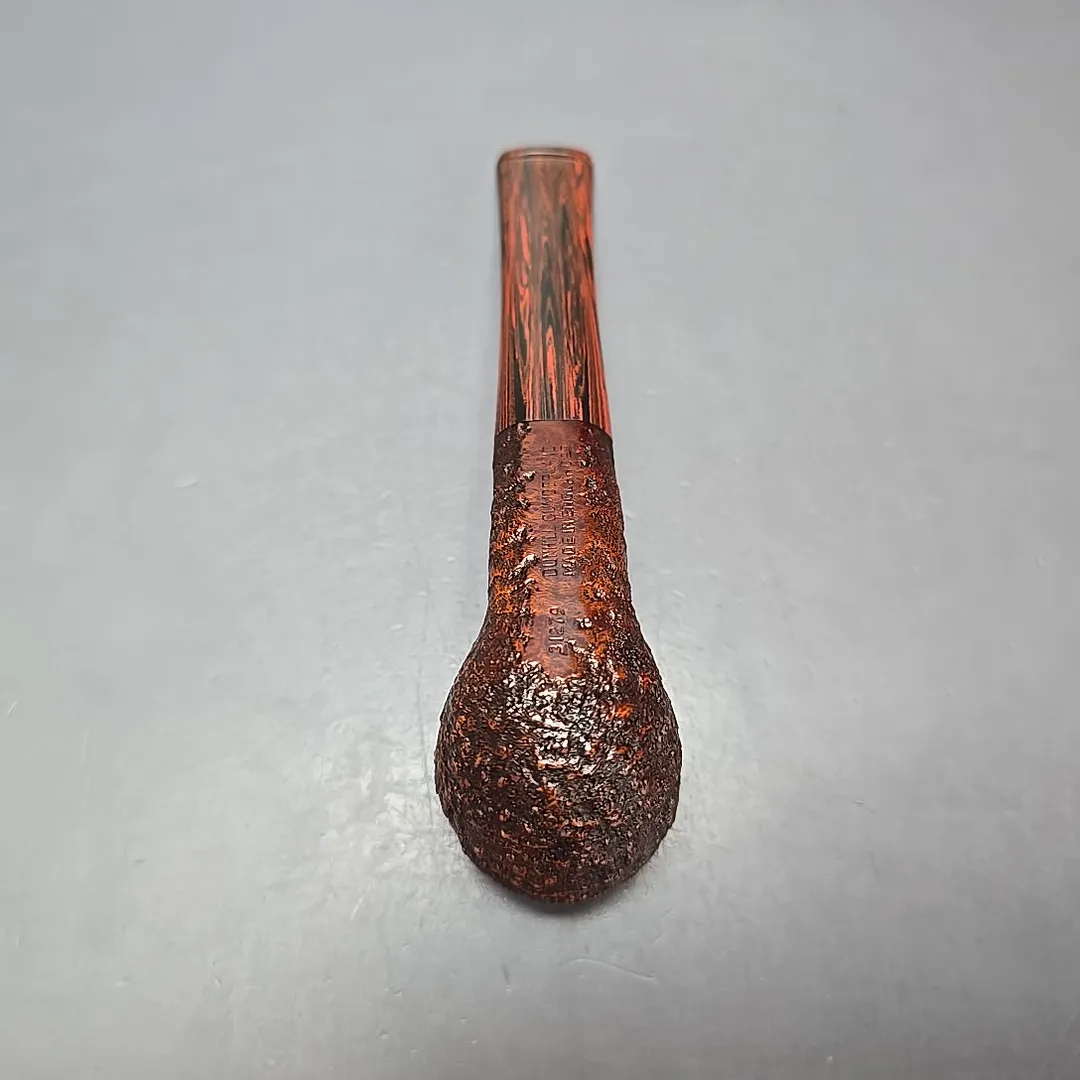
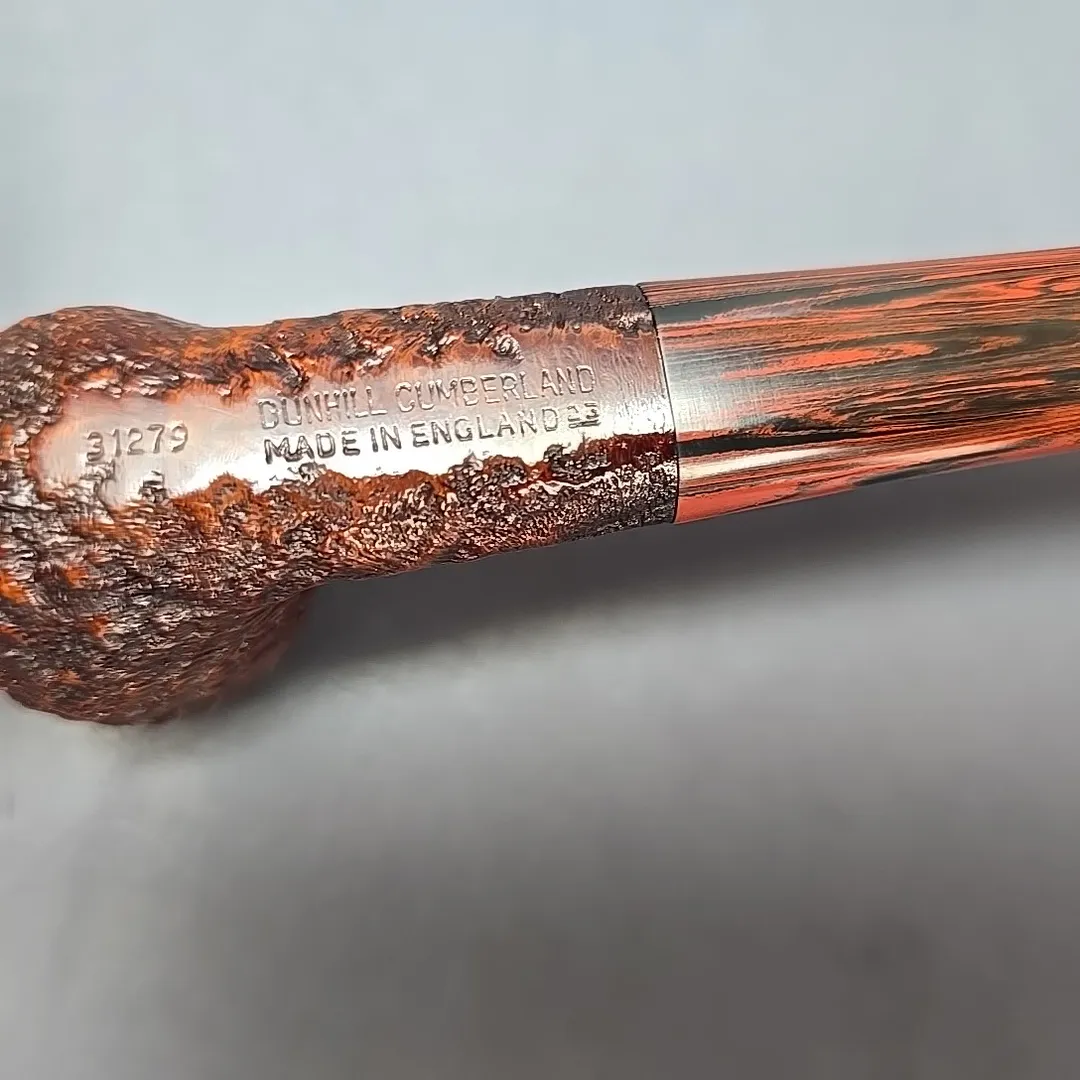
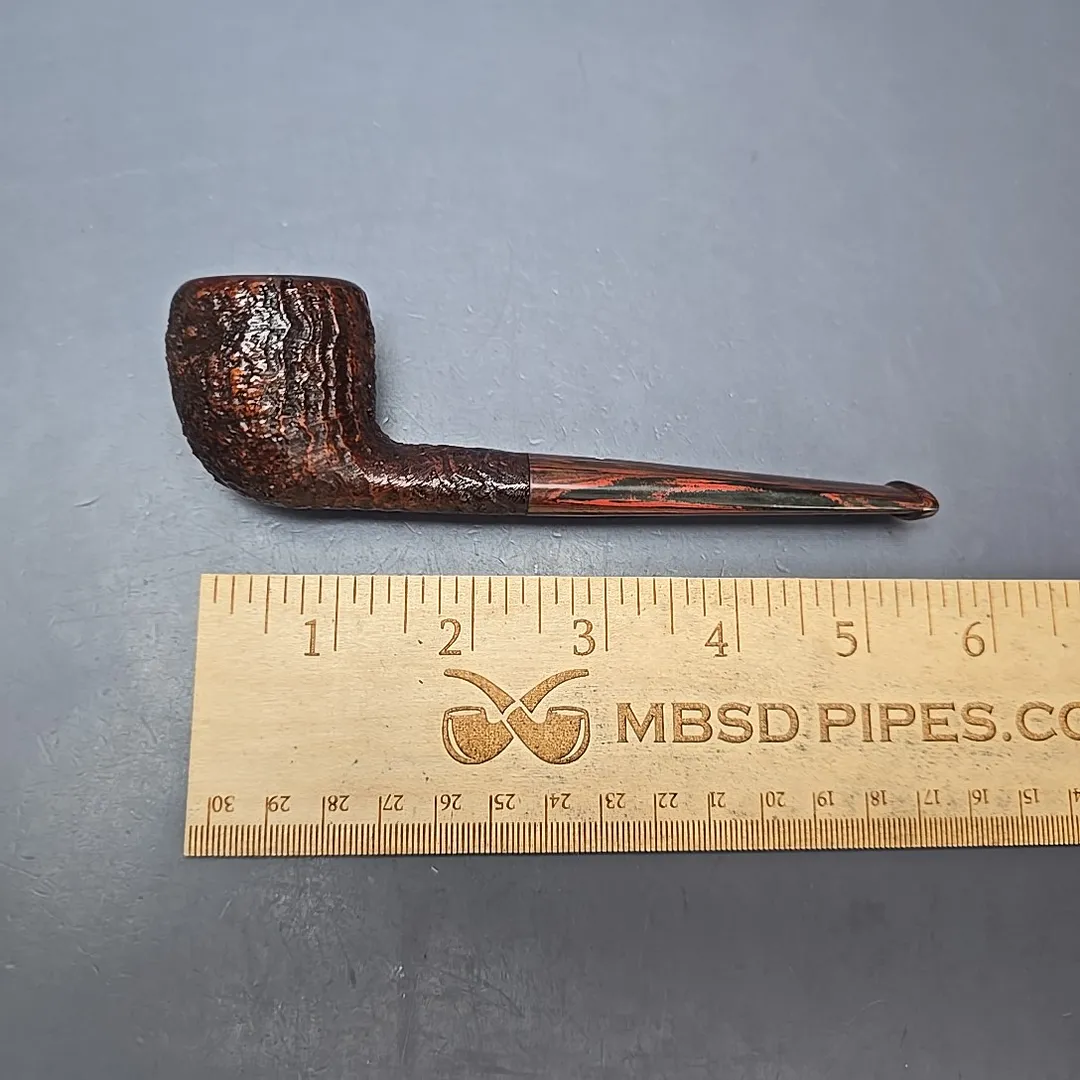
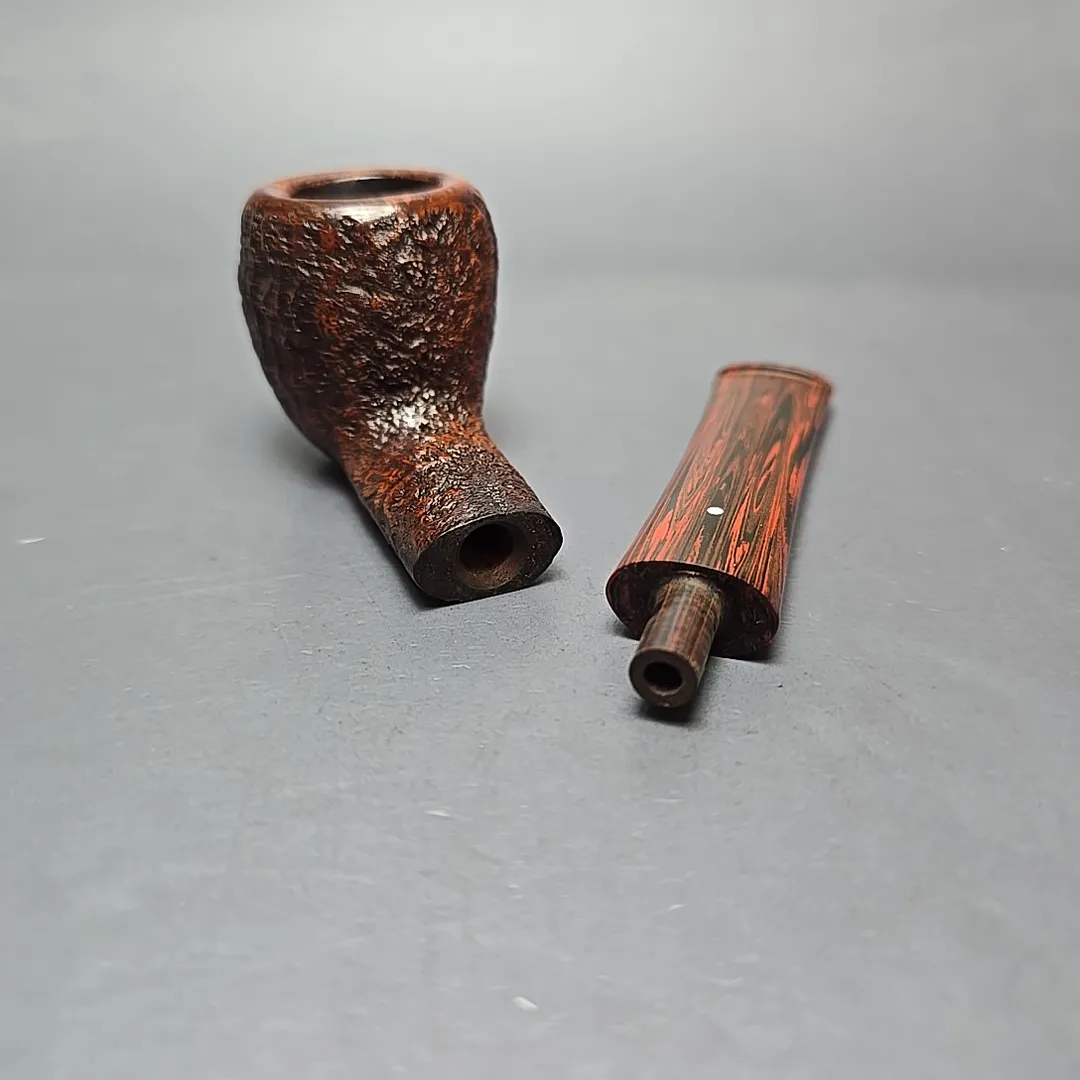
Dunhill 1983 Cumberland 31279 Partially Sandblasted Pear Estate Briar Pipe, Unsmoked, English Estates
Out of stock





To veteran pipe smokers, Dunhill needs no introduction. Beginning in 1907, Alfred Dunhill began selling Dunhill pipes at the tobacconist shop he owned on London’s Duke Street. Very quickly, these pipes gained the reputation of being the “Rolls-Royce” of pipes due to how expertly crafted they were. Today, Dunhill is likely Britain’s most famous pipe manufacturer, and continues to produce some of the most treasured pipes a smoker can buy.
Dunhill’s group six pipes, identified by the first digit of their shape code, are the largest pipes in Dunhill’s standard production (i.e., non-OD series, certain Quaint shapes, or special edition pieces). That said, they are much rarer than any other size group as far as production goes. Dunhill is, after all, a very traditional make, whose pipes are made in much the same traditional proportions as was the style a century ago, when the first Dunhill pipes were being manufactured. That this is a group 6 Dunhill is already a rare sight, though even rarer is its shape. Having been made in 1983, this Dunhill comes from the first phase of the company standardizing its designs using a simplified shape code system. Instead of having dozens of individual shapes with separate numbers, Dunhill began using a system where each design element in a shape would be tied to a single digit in a string of numbers, and where every standard-production pipe (hand-turned and OD shapes being some of the few exceptions) would have a 5-digit code. The 5-digit system only survived for a few years between the late 1970s and 1980s, before being simplified again into the 4-digit system we know today.
So, what’s the difference between a 5-digit system and a 4-digit one? The first 4 digits of the former specified a group size, bowl style, and the cut of the stem, which remains the case today in the latter. But the 5th digit denoted slight variations in the baseline shape denoted by the first four. This 31279 is a great example of that in action. At the time it was made, the first 4 digits denoted a group 3 size (“3”), taper stem (“1”), pear (“27”), just as they do today. The 5th digit, “9,” on the other hand, denoted a few more specific details about how that shape was rendered. In contrast to other Dunhill pear renditions, the bowl was slightly squat, the shank and stem were oval in form, and the overall shape was a straight one. In other words, it’s a very classical approach to the shape. These days, Dunhill’s 3127 pear (as well as its counterparts in the other group sizes) is quite flexible, meaning it can have a slightly bent figure (akin to a Zulu), a much taller bowl, and even a round shank, which does make me think that, at least in this instances, the added complexity of the 5-digit system had its advantages.
The condition is very good. Minor residual stem oxidation.
Details:
Length: 5.6″ / 144.7mm
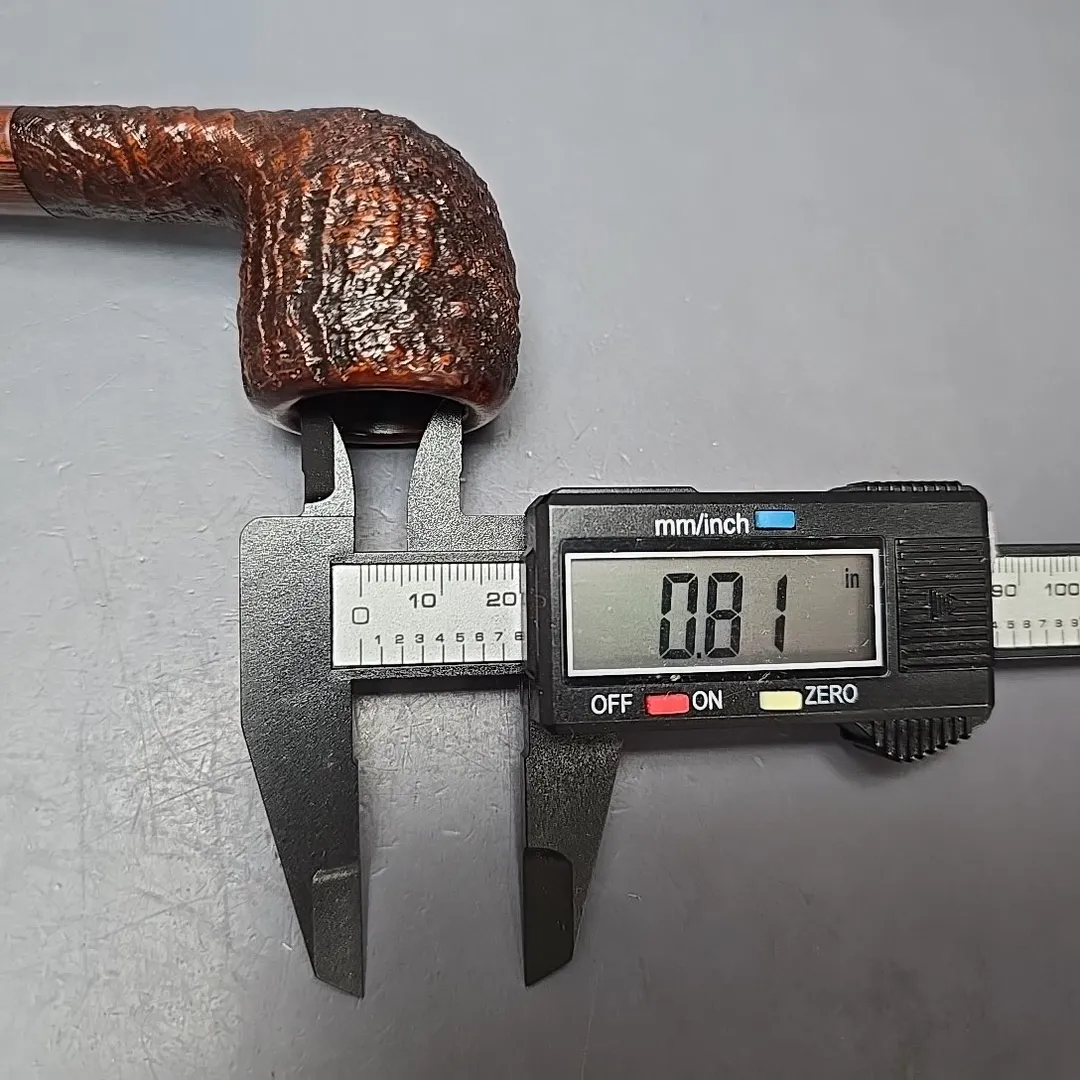
Bowl Width: 0.81 / 20.57mm
Bowl Depth: 1.30″ / 33.02mm
Weight: 1.2oz / 36g
| Weight | 15 oz |
|---|
| Condition | Used |
|---|---|
| Notes | Refurbished. |


