
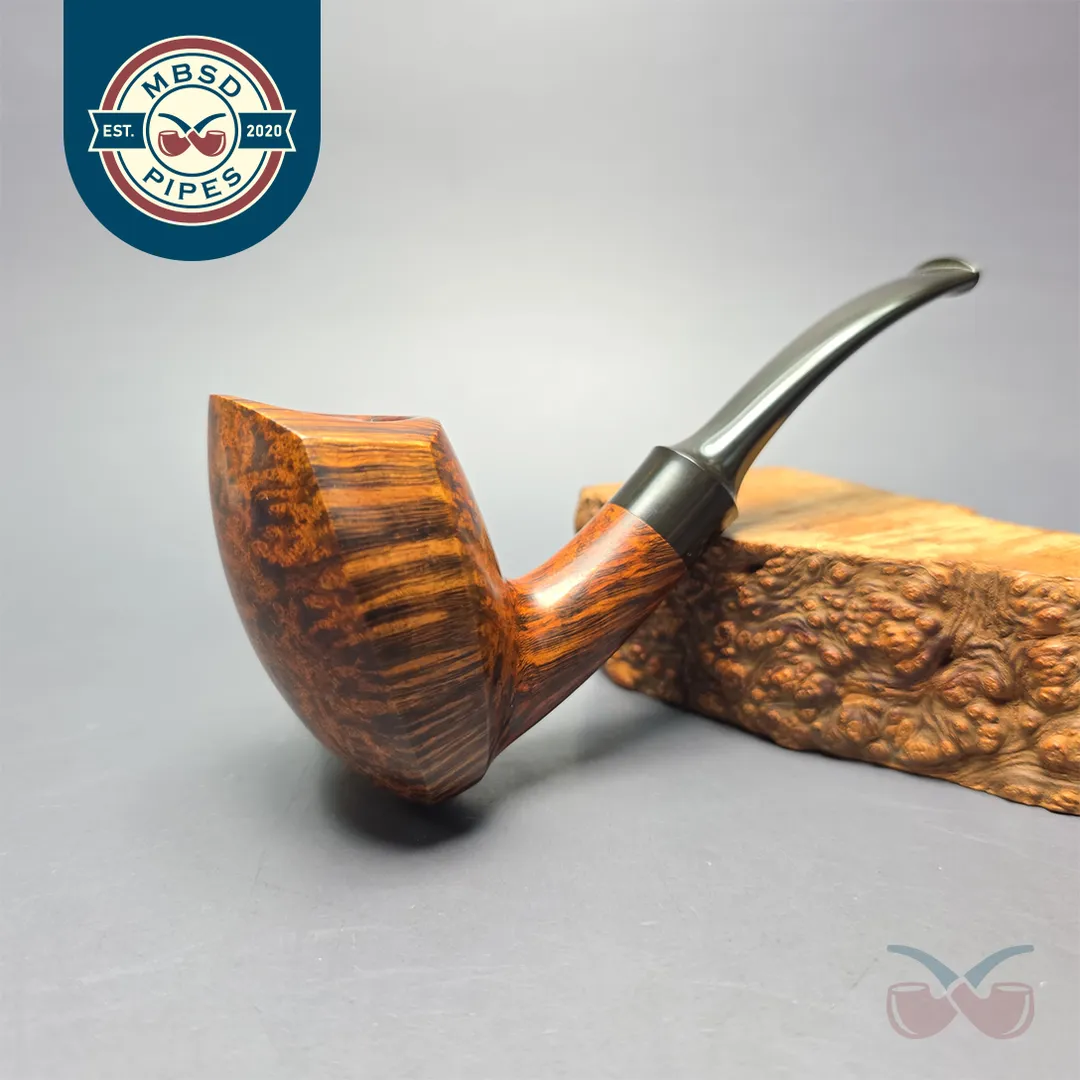
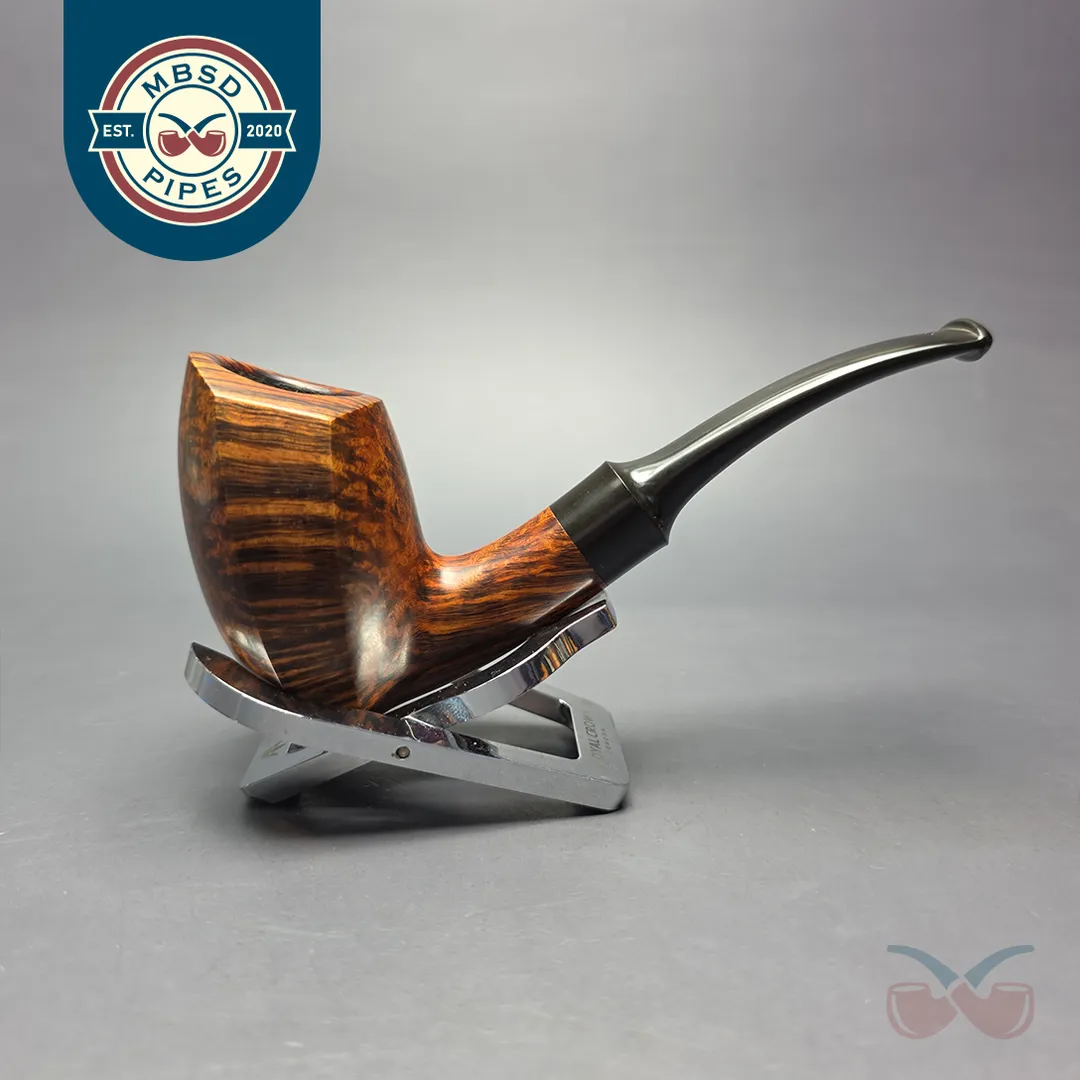
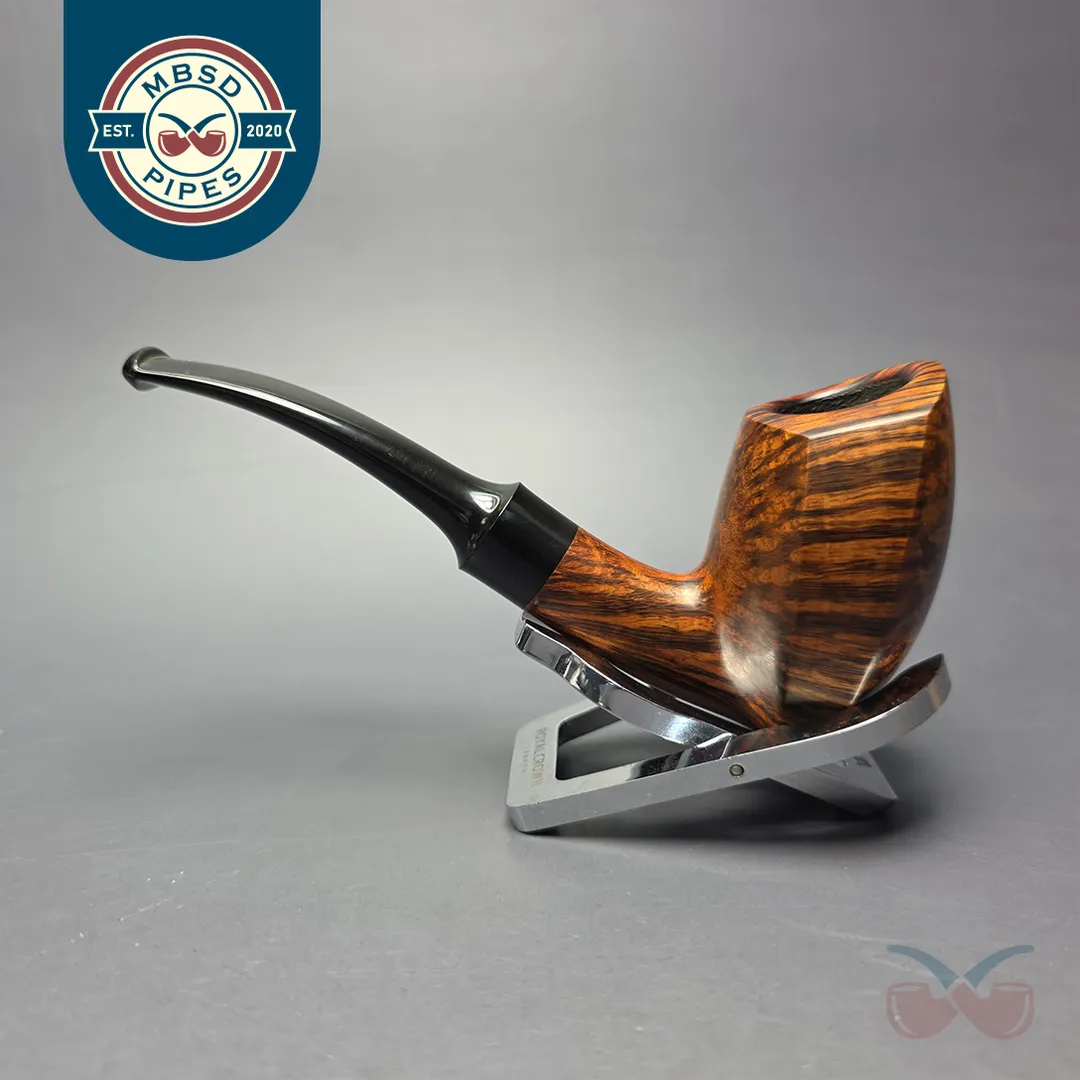
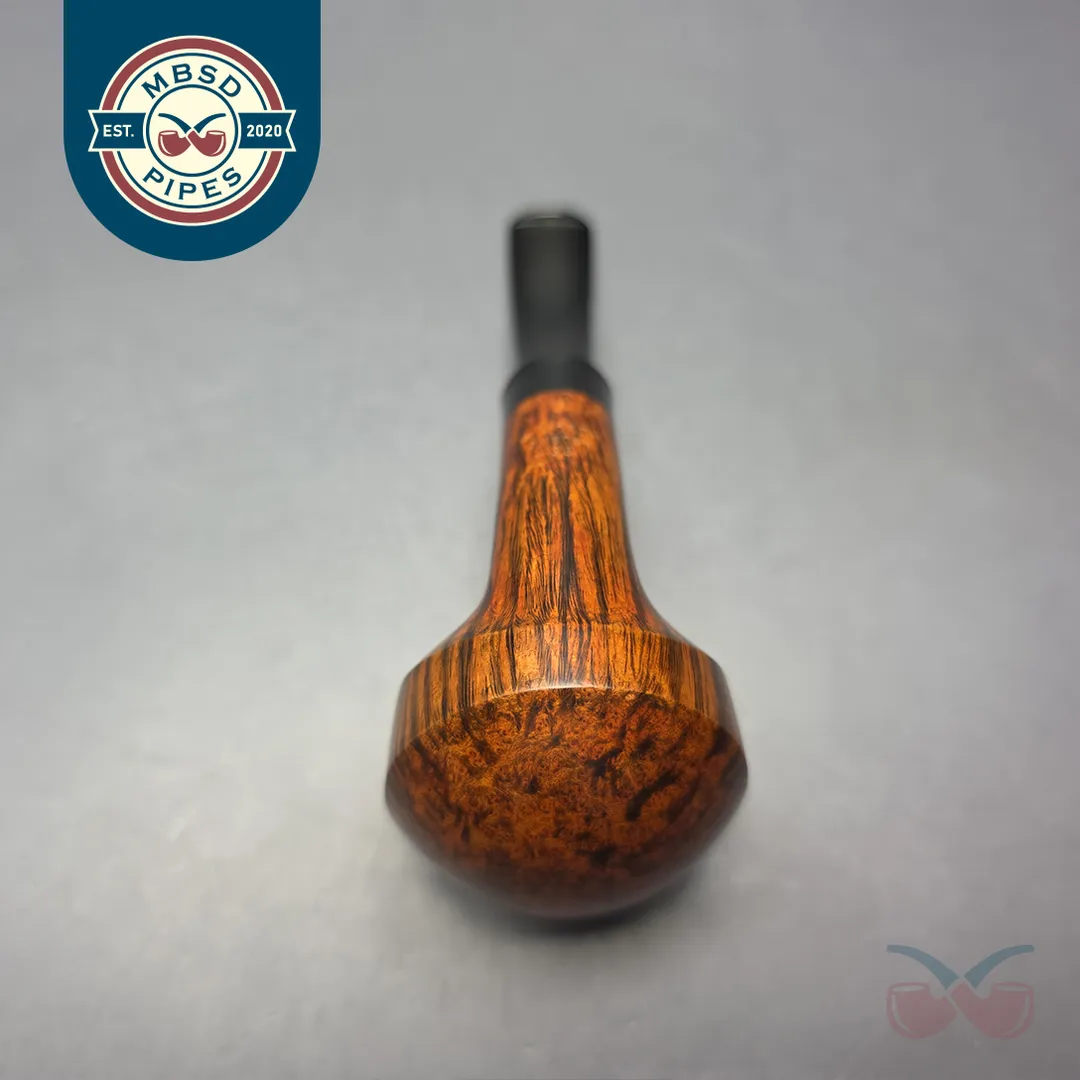
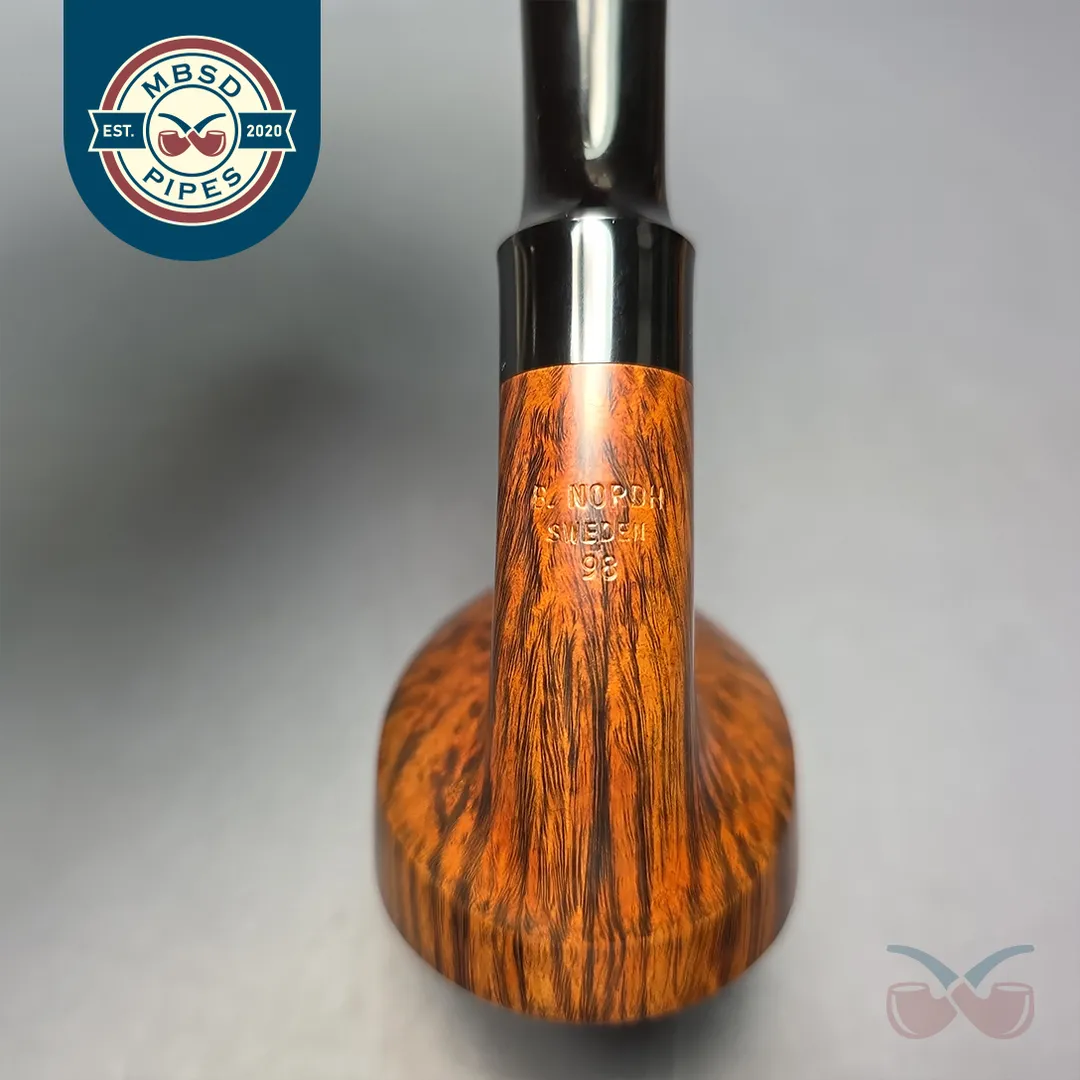
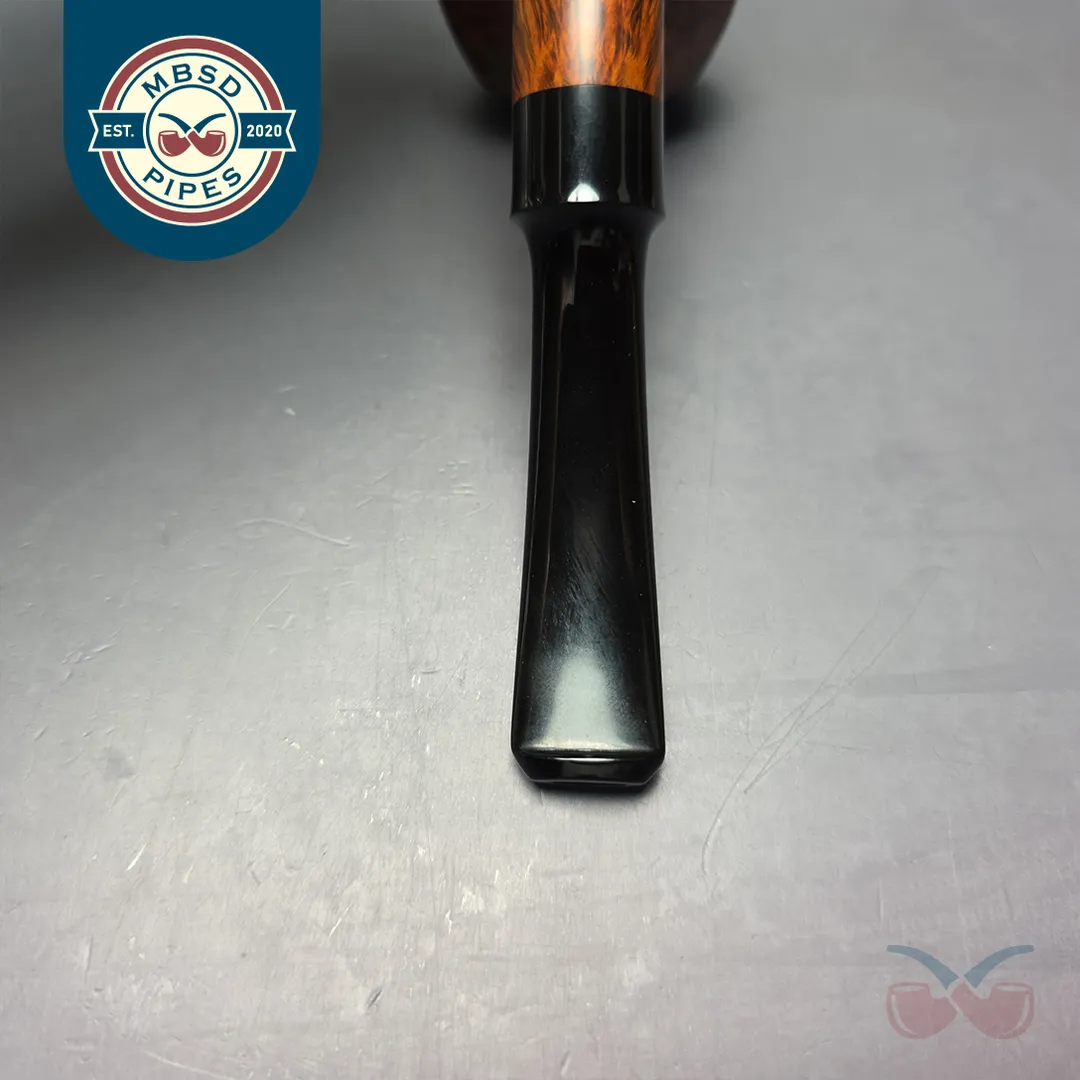
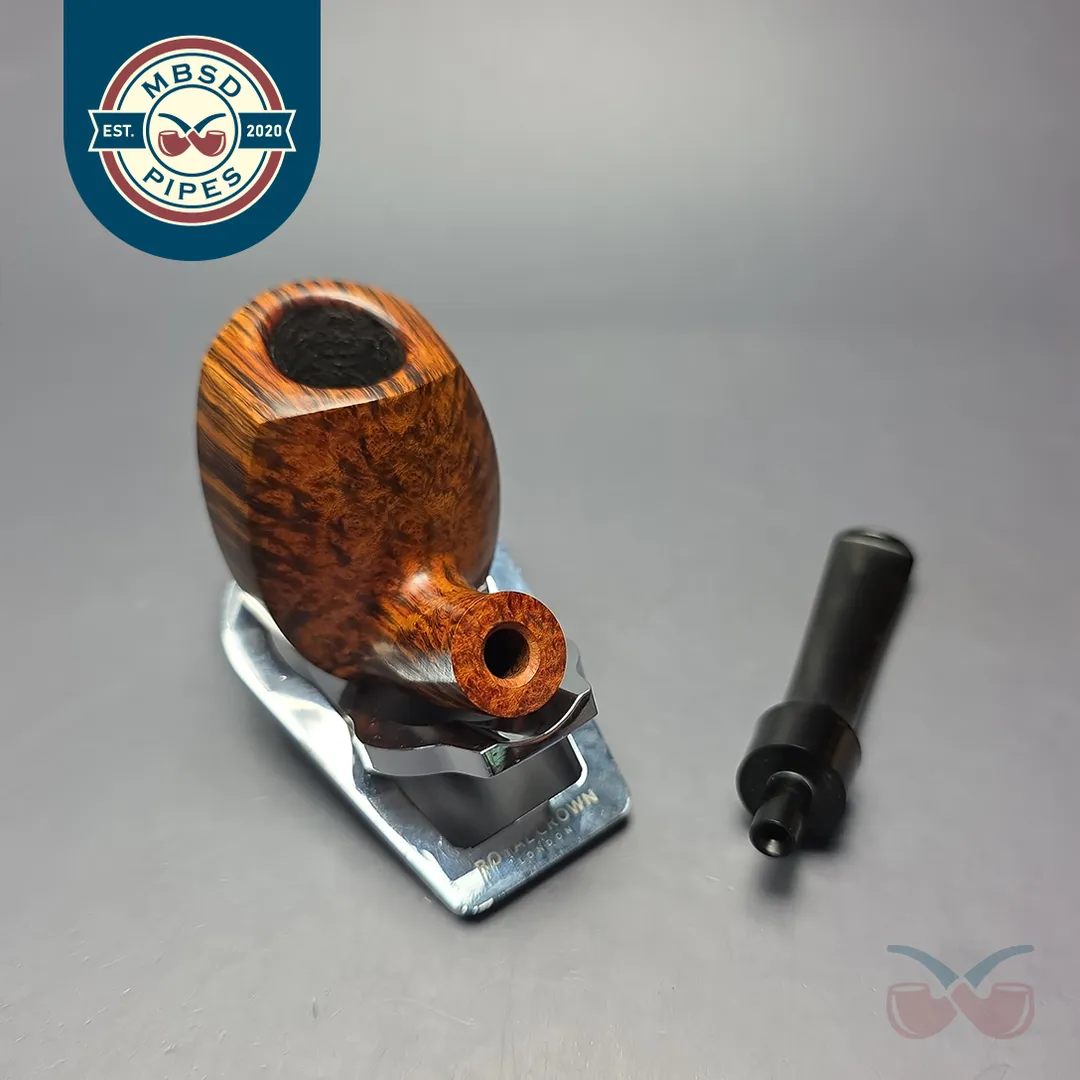
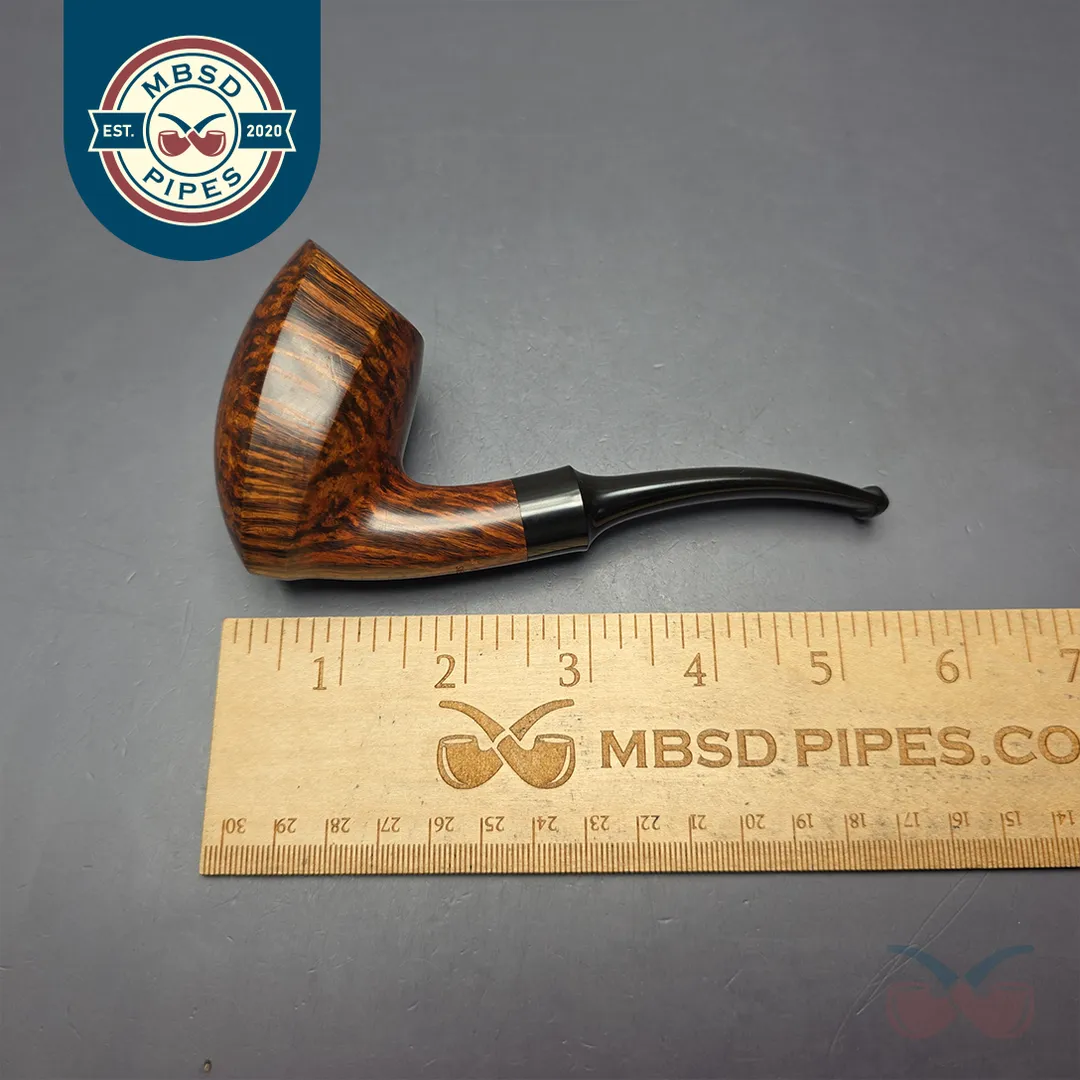
Bo Nordh 1998 Smooth Elephant’s Foot Estate Briar Pipe, Other Estates
Out of stock





Bo Nordh was—and still is—one of the most important pipe makers to have ever lived. This may sound like hyperbole, but even a cursory survey of the shapes and styles pursued by pipe makers today will inevitably discover his ubiquitous influence, provided one knows what to look for. Even if one doesn’t, pipe makers themselves, especially in the global artisan community, are very open about just how much Bo Nordh means to them. This is not a new development, either; Nordh’s work has steered trends in pipe making for over half a century, with each new year bringing with it a fresh cohort of Nordh devotees. With all of this in mind, it should be no surprise that Bo Nordh’s pipes are among the most sought-after—if not the most sought after—in the world today.
Born in Sweden in 1941, Nordh did not initially intend to become a pipe maker. Instead, he trained as an engineer, but a motorcycle accident in his youth would, sadly, cut that ambition short. Confined to a wheelchair, Nordh struggled to find work in the field he had pursued. In the late 1960s, however, Nordh stumbled, by chance, upon the vocation that would define the rest of his life.
It all start—as is often the case with pipe makers—with a hobby kit. Nordh’s local tobacconist, Pip-Larsson, sold pre-drilled briar blocks for amateurs to try their hand with, much like specialty pipe supply shops do today. Using only hand tools, Nordh worked away at kit after kit, trying to shape the briar so as to navigate the multitude of flaws inherent to them. He became so frustrated and fixated with making a pipe that wasn’t laden with pits that he returned regularly to Pip-Larsson to buy more. Noticing Nordh’s frequent return visits and spending habits, the owner of the shop asked Nordh what he was doing. After finding out that Nordh was making pipes, the shop owner asked Nordh to bring them to him to look at them. When Nordh showed him, he was impressed, and recommended that Nordh stamp the pipes with his own name and sell them through the shop—and sell they did.
In search of better materials and pipe making know-how, Nordh traveled to Copenhagen to meet the pioneering post-war artisan Sixten Ivarsson, who immediately took a liking to him. Ivarsson helped Nordh acquire high-quality briar and the right equipment for the job, and imparted a little a little wisdom as regarded technique. This appears to have paid off in spades, as soon enough, Nordh had achieved much the same stature as Ivarsson, making pipes that were never without demand, and whose buyers were as far flung as Japan and the United States—two markets especially attuned to high-grade pipes.
This remained the case until Nordh’s last years, and even after he reached his sixties, Nordh’s work was marked by a near-unrivaled quality and—just as importantly—creativity. Among the many designs that pipe makers utilize today, a vast number of them have roots in pipes originally designed by Nordh. This includes staples of modern pipe making such as the Elephant’s Foot, the Nautilus, the Ballerina, the Sphinx, the “Bo Pot” (posthumously named after the pipe Nordh himself preferred to smoke), and a few other minor, but still quite regular—fixtures, such as the Sea Horse, the Half-Note, the Nut, and the “BoDog” (another posthumously named and revived shape based on a Rhodesian Nordh had tinkered with, but did not perfect during his own lifetime).
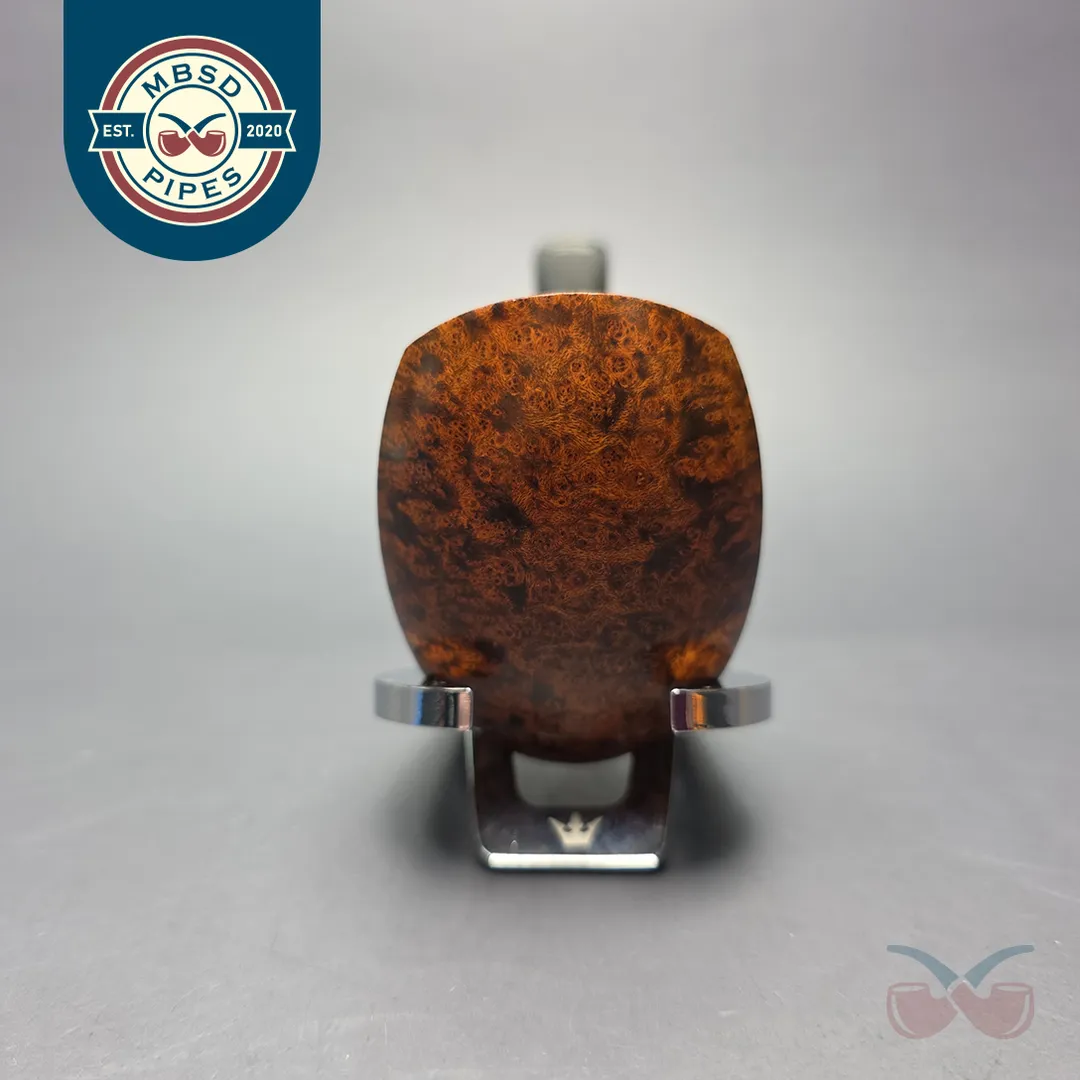
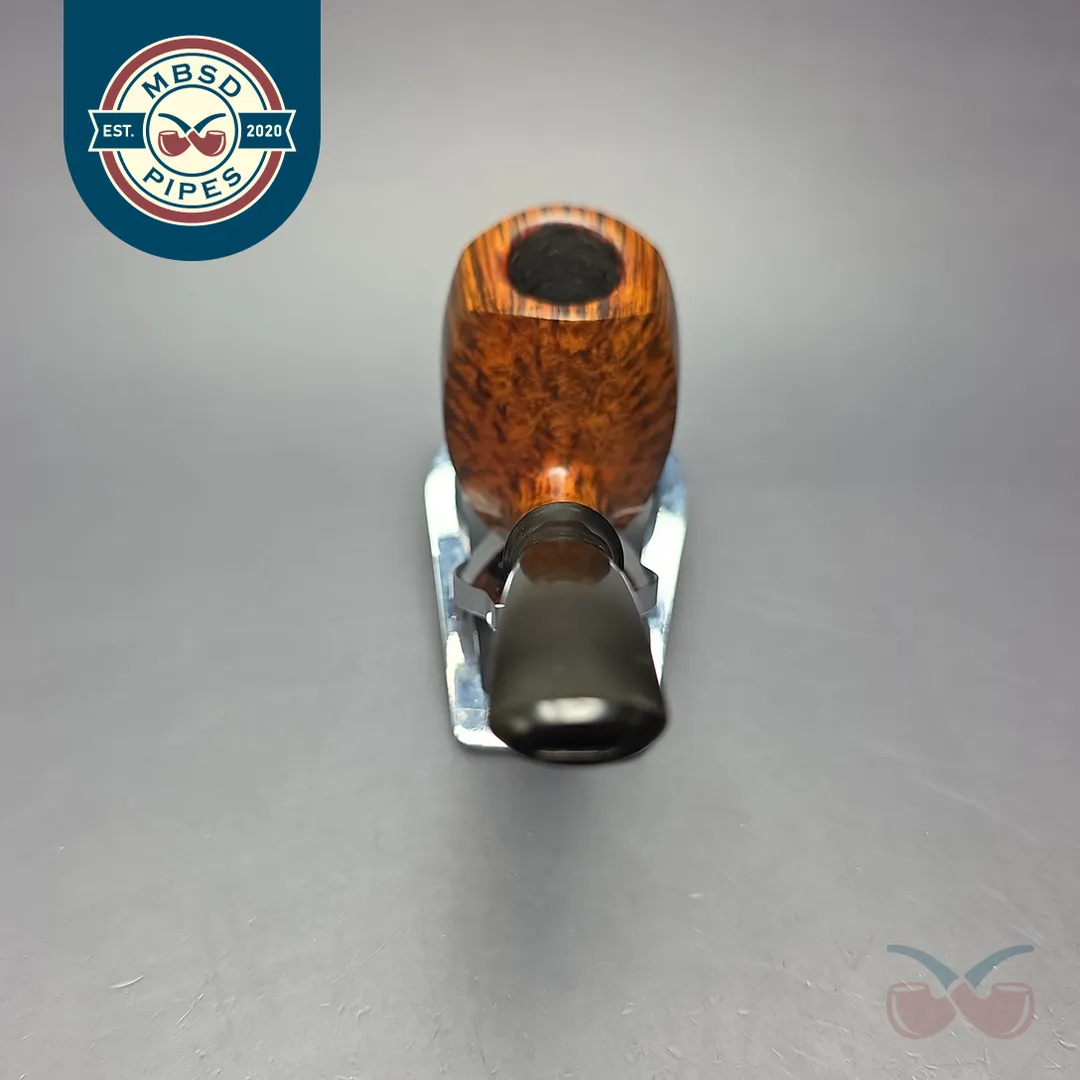
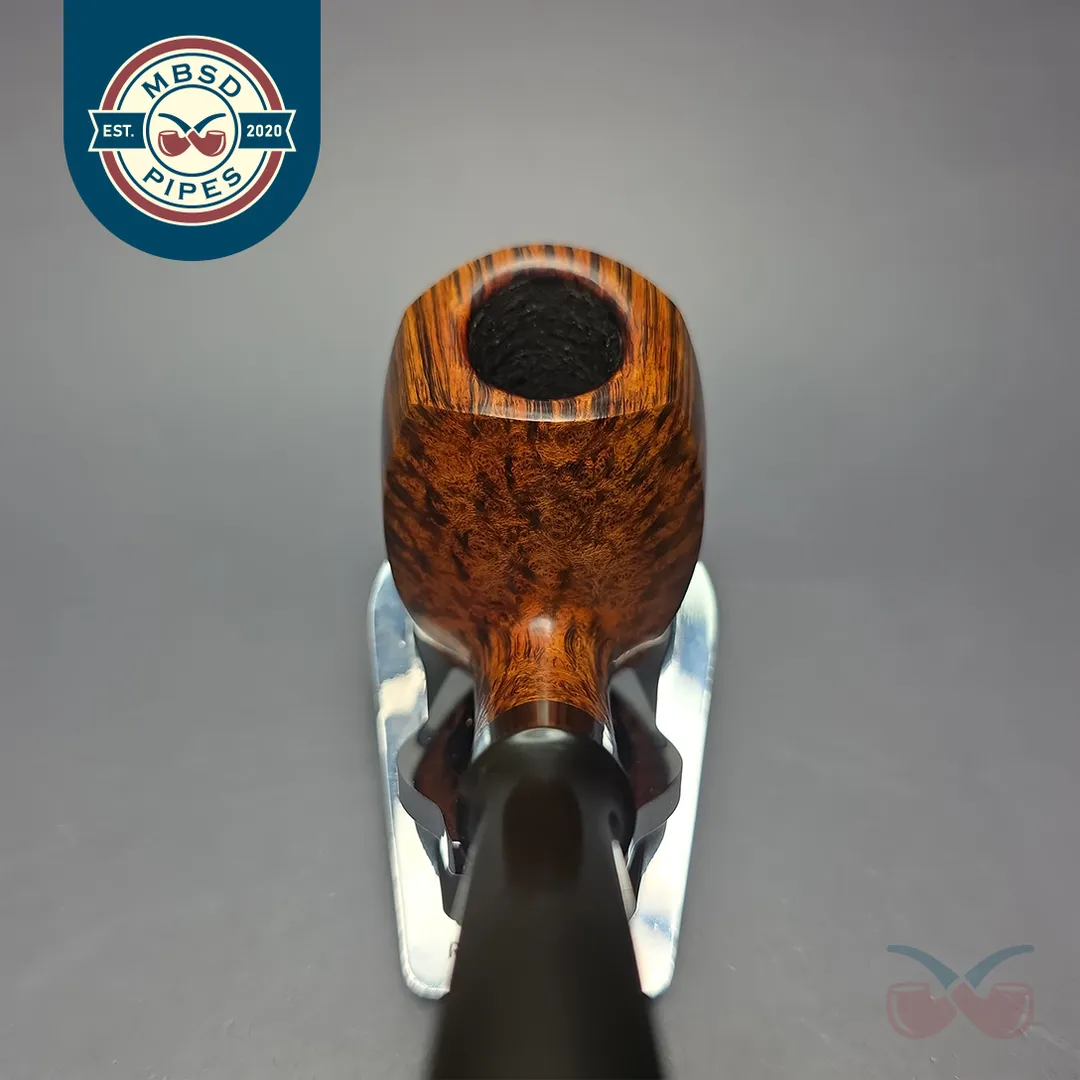
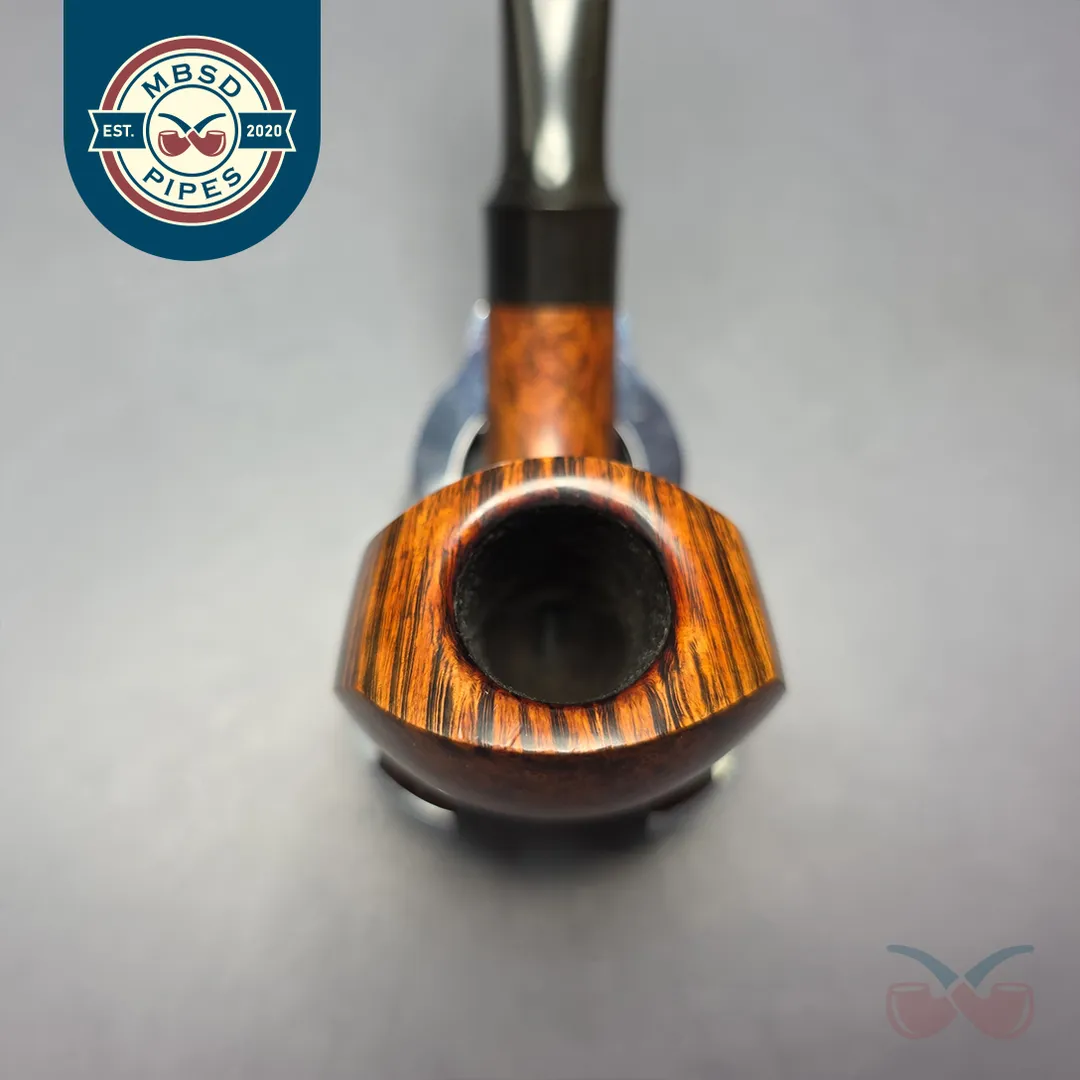
This particular Nordh, made toward the end of his lifetime, is one of the aforementioned signature shapes, and one of the most famous at that. While the “Elephant’s Foot” is ubiquitous in contemporary artisan pipe making across the globe, I imagine it would have been quite a shock to experience the design nearer its conception, all those years ago. Not only is its form distinctly elliptical, but the widest sections of the bowl are its front and rear face, which are connected by narrow, faceted flanks that maintain their figure as they move down and across the bowl’s underside. One might say that there is something of the opera to it, if one were to take the opera and rotate its bowl 90 degrees, and add a few panels for good measure. Such a strange design all but requires an atypical approach to shaping, not only in the manual technique through which the form is forged, but in the positioning of the briar block used for such. High-grade traditional briars earned their status via the consistency of their straight grain patterns; the Elephant’s Foot, on the other hand, is built for bird’s-eye and cross grain. The former alights the bowl’s broad front and rear faces, while the latter connects the two at either side. It’s easier said than done—or, at least, it is if you’re not Bo Nordh,
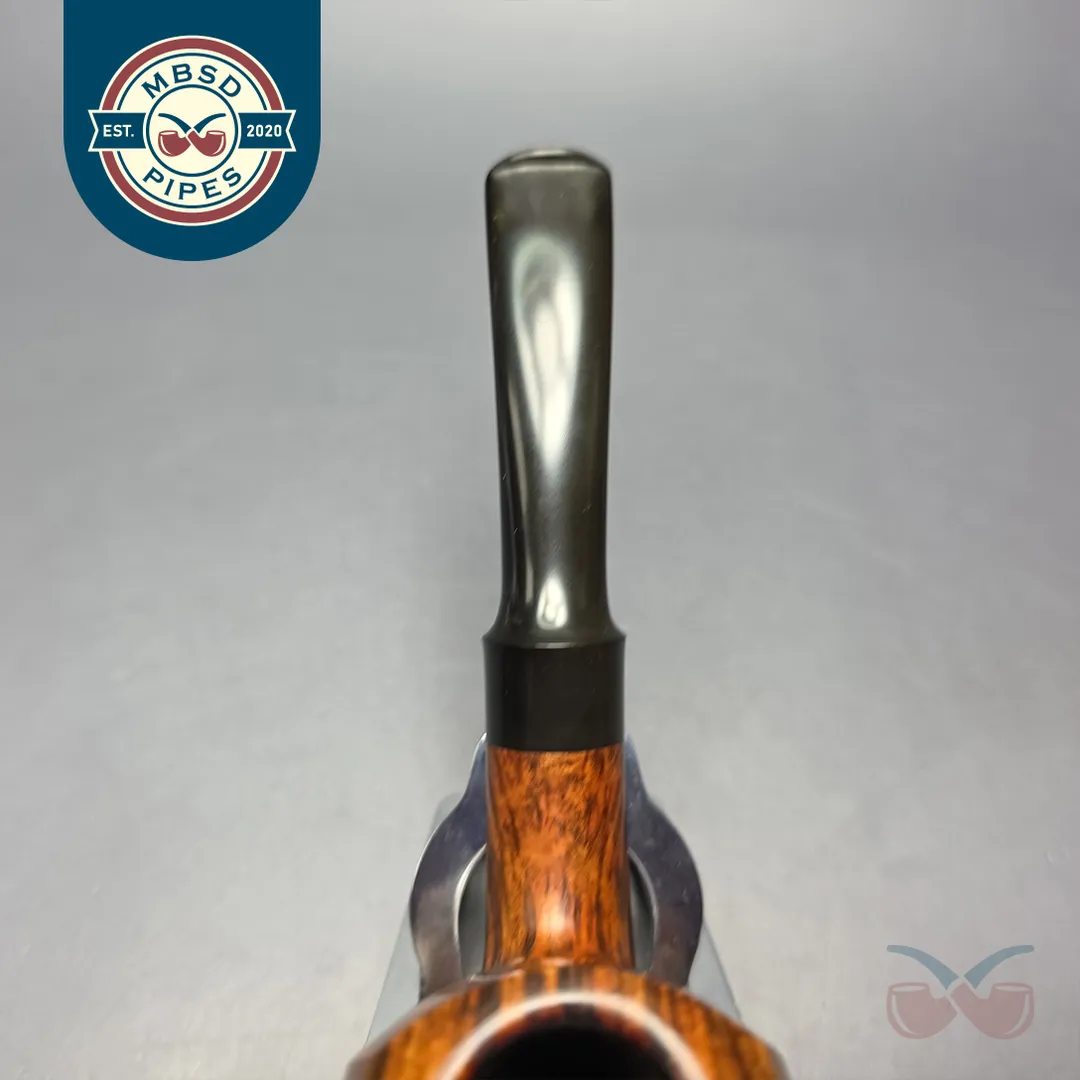
The condition is very good. Some inner rim darkening and some minor residual oxidation on the mouthpiece. For a pipe of this nature, further restoration has been left to the buyer’s own discretion.
Details:
Length: 5.5″ / 139.7mm
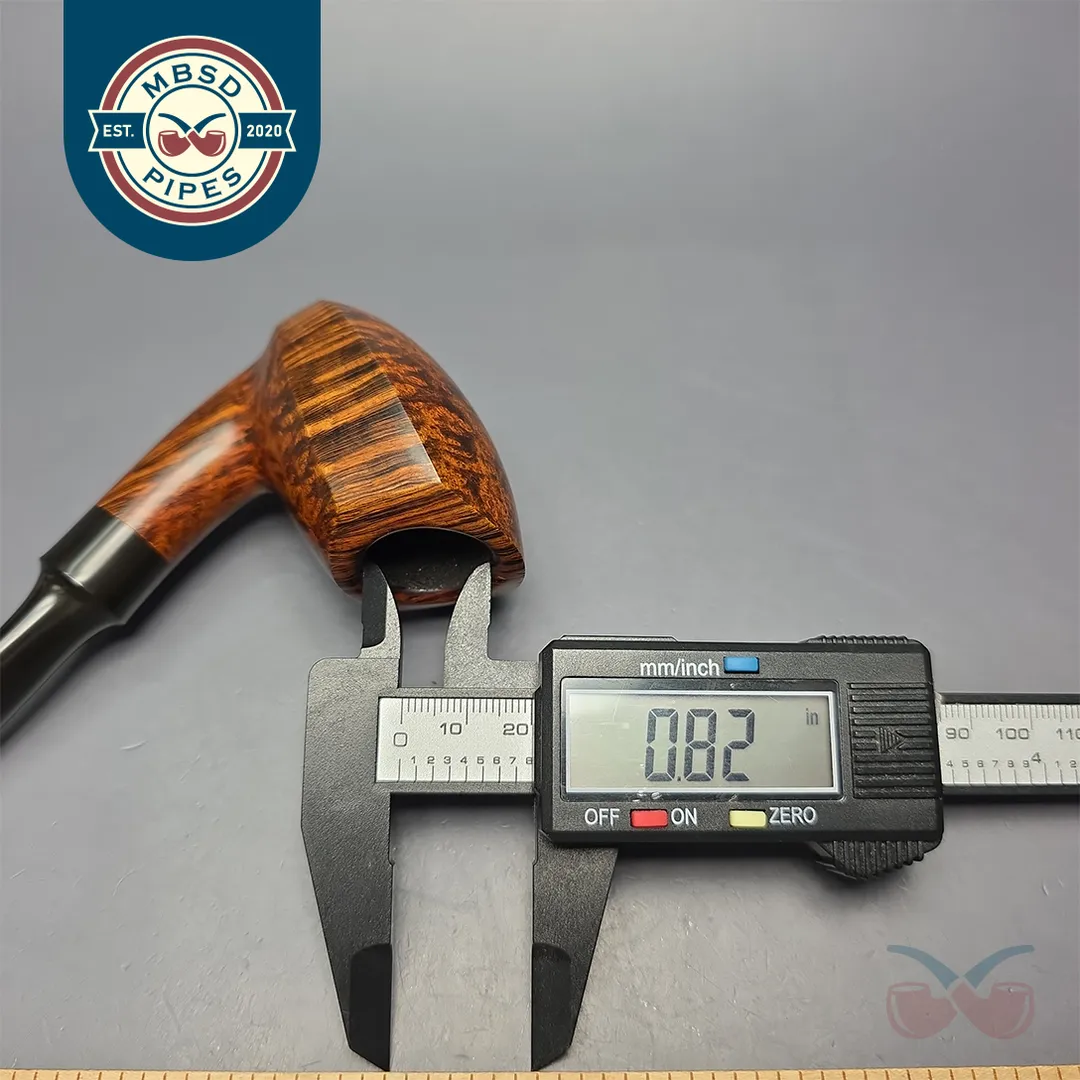
Bowl Width: 0.82 / 20.82mm
Bowl Depth: 1.75″ / 44.45mm
Weight: 1.8oz / 52g
| Weight | 15 oz |
|---|
| Condition | Used |
|---|---|
| Notes | Lightly refurbished. |


