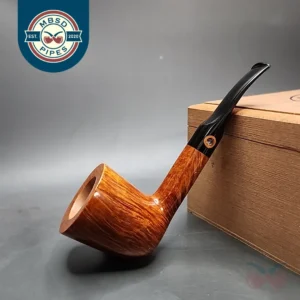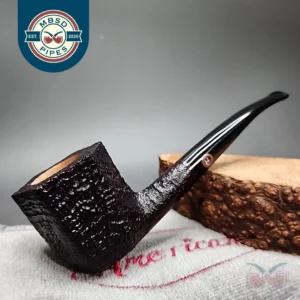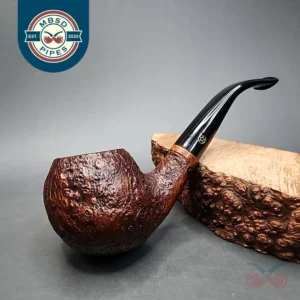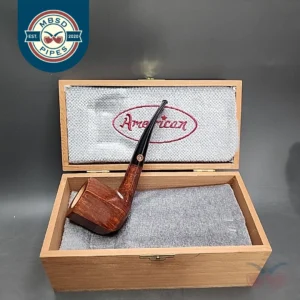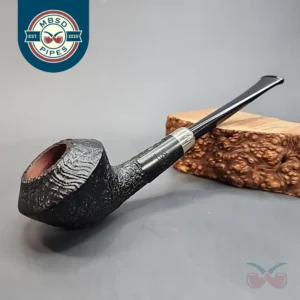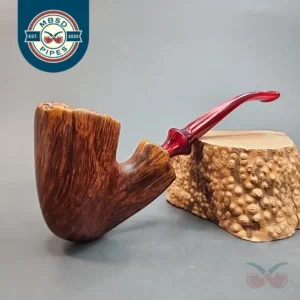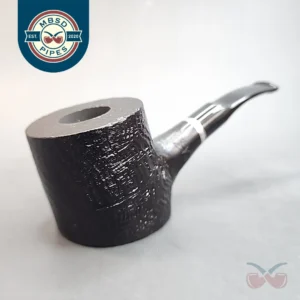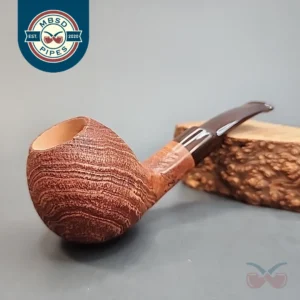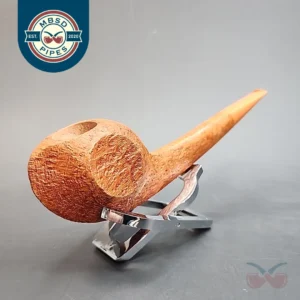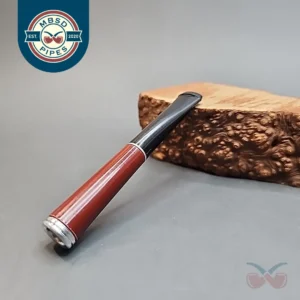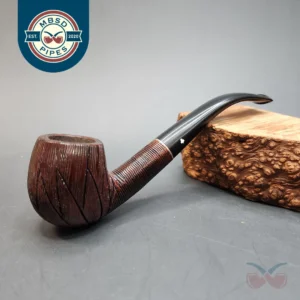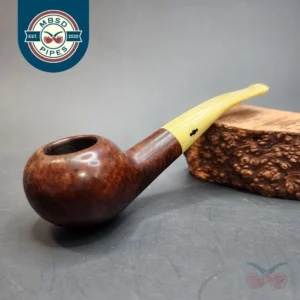
Showing all 32 resultsSorted by latest
-
SOLD!
-
SOLD!
-
SOLD!
-
SOLD!
-
SOLD!
-
SOLD!
-
SOLD!
-
SOLD!
-
SOLD!
-
SOLD!
-
SOLD!
-
SOLD!
-
SOLD!
-
SOLD!
-
SOLD!
-
SOLD!
-
SOLD!
-
SOLD!
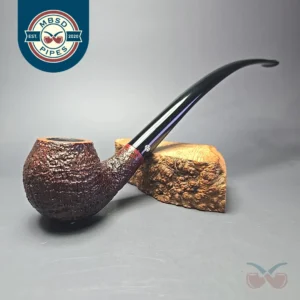
-
SOLD!
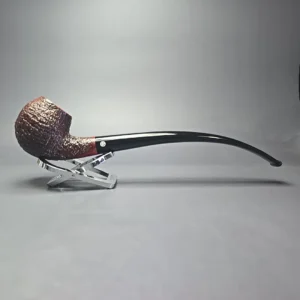
-
SOLD!
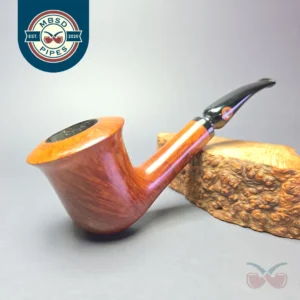
-
SOLD!
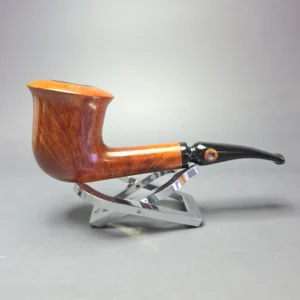
-
SOLD!
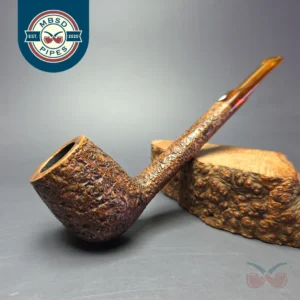
-
SOLD!
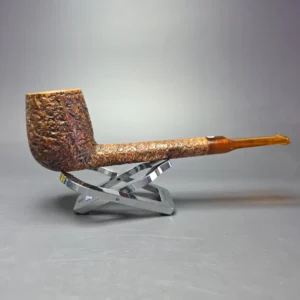
-
SOLD!
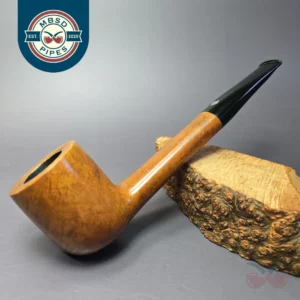
-
SOLD!
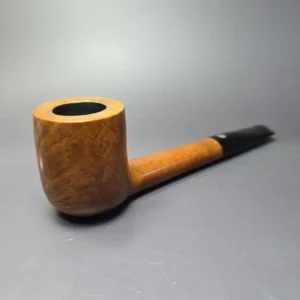
-
SOLD!
-
SOLD!
-
SOLD!
-
SOLD!
-
SOLD!
-
SOLD!
-
SOLD!
American Smoking Pipe Company Tobacco Pipe FAQ
The American Smoking Pipe Company was a small artisan workshop founded in 1978 by Mark Tinsky and Curt Rollar. Despite its name, it was not a large factory or mass-production operation. The company was part of the growing American handmade tobacco-pipe movement of the 1970s and 1980s.
Early American Smoking Pipe Company pipes were produced by Mark Tinsky and Curt Rollar. Rollar left the company in 1990, after which Tinsky continued operating under the American Smoking Pipe Company name before eventually marketing his pipes under his own name.
The two are closely connected but not identical. Mark Tinsky co-founded the American Smoking Pipe Company and continued the marque after Curt Rollar’s departure. Pipes stamped with Tinsky’s own name represent his later independent production, while earlier American Smoking Pipe Company pipes may involve Tinsky, Rollar, or both artisans.
Mark Tinsky and Curt Rollar began producing annual limited-edition Christmas pipes in 1983 at the suggestion of retailer John B. Hayes. Each year introduced a different design, although some were later adapted into regular shapes. Tinsky continued the Christmas-pipe tradition after beginning his solo career.
American Smoking Pipe Company Christmas pipes from the 1980s and 1990s were produced in limited and varying quantities. Their dated designs, scarcity, connection to Tinsky and Rollar, and place in American artisan pipe-making history make them particularly interesting to collectors.
The workshop produced billiards, Dublins, apples, pokers, Cavaliers, churchwardens, freehands, and other forms. Its designs incorporated American craftsmanship alongside English, Danish, and Italian influences and were offered in smooth, sandblasted, partially rusticated, and fully rusticated finishes.
Identification should begin with the pipe’s nomenclature, including company stamps, dates, grade markings, series names, and any individual maker’s name. Shape and finishing characteristics may support an attribution, but the stamping and production period provide the most reliable starting points.
Yes. American Smoking Pipe Company pipes offered by MBSD are obtained through collectors and other secondary-market sources, so they are classified as estate pipes. This includes unsmoked and new-old-stock examples that have had a previous owner.
Yes. MBSD evaluates American Smoking Pipe Company, Mark Tinsky, Curt Rollar, and other collectible tobacco pipes through our smoking-pipe trade-in program. Value depends on the maker, production period, rarity, condition, finish, nomenclature, and originality.
Get first look at new arrivals
Pipes sell fast. Our Monday newsletter rounds up last week's additions and previews the week ahead. One email a week, unsubscribe anytime.