
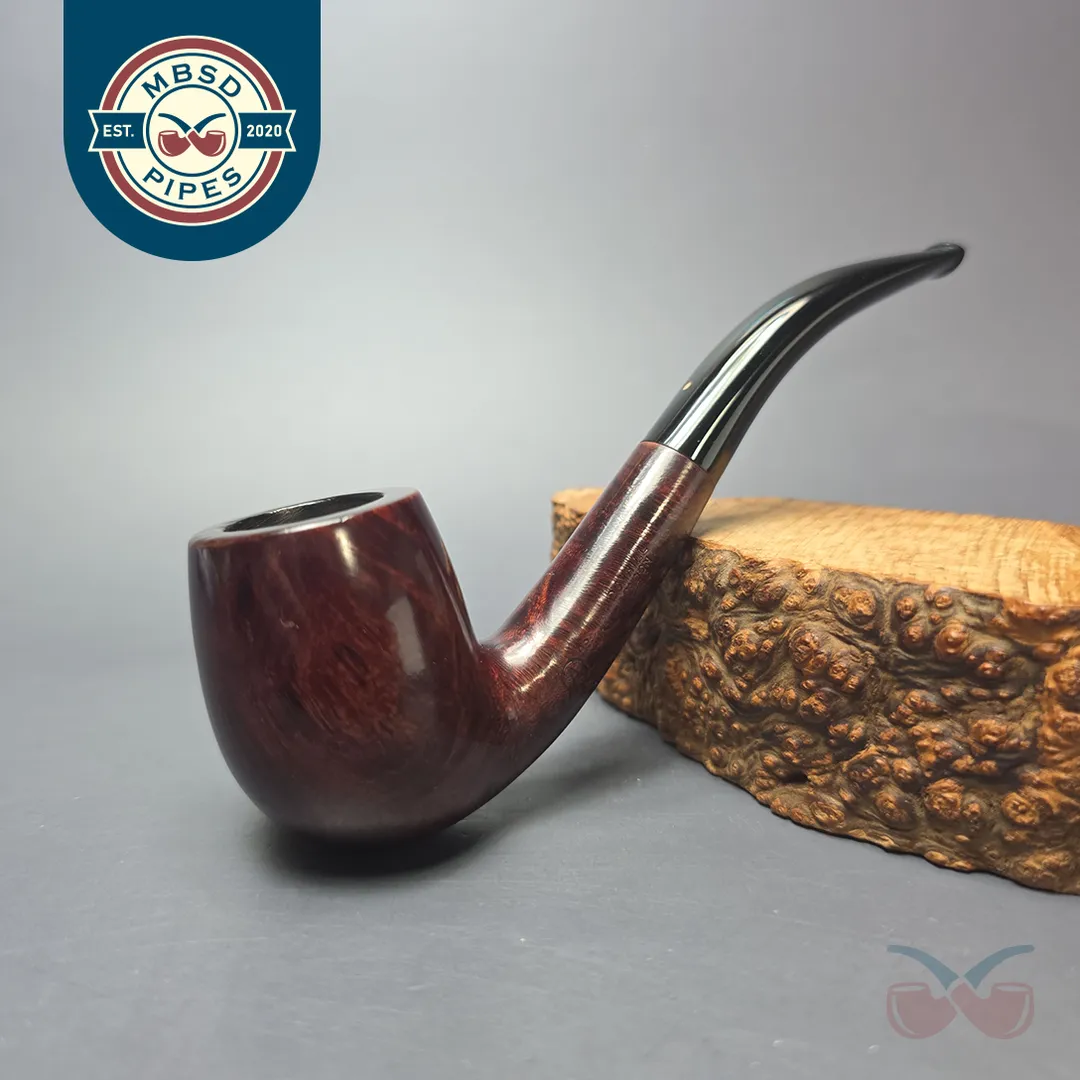
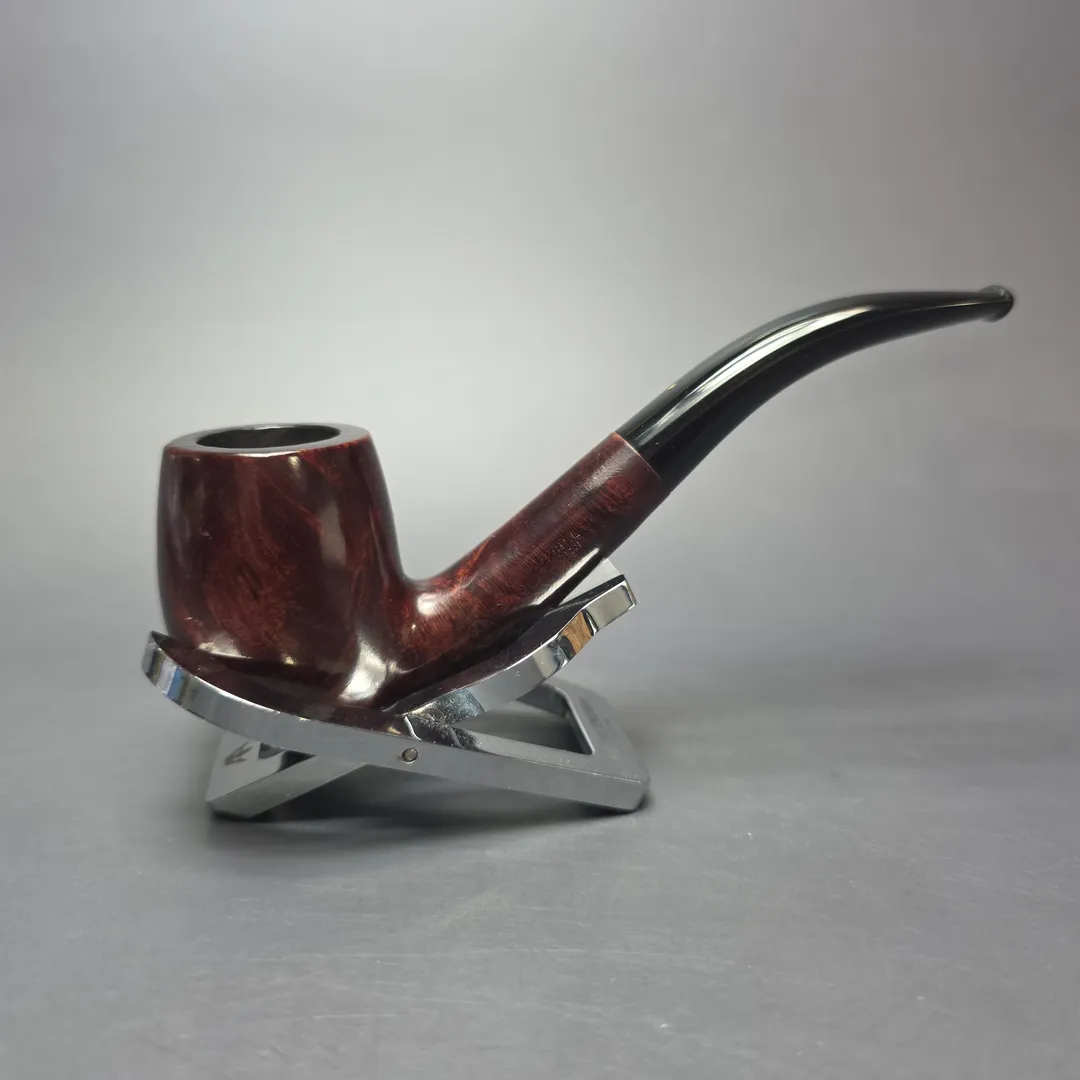
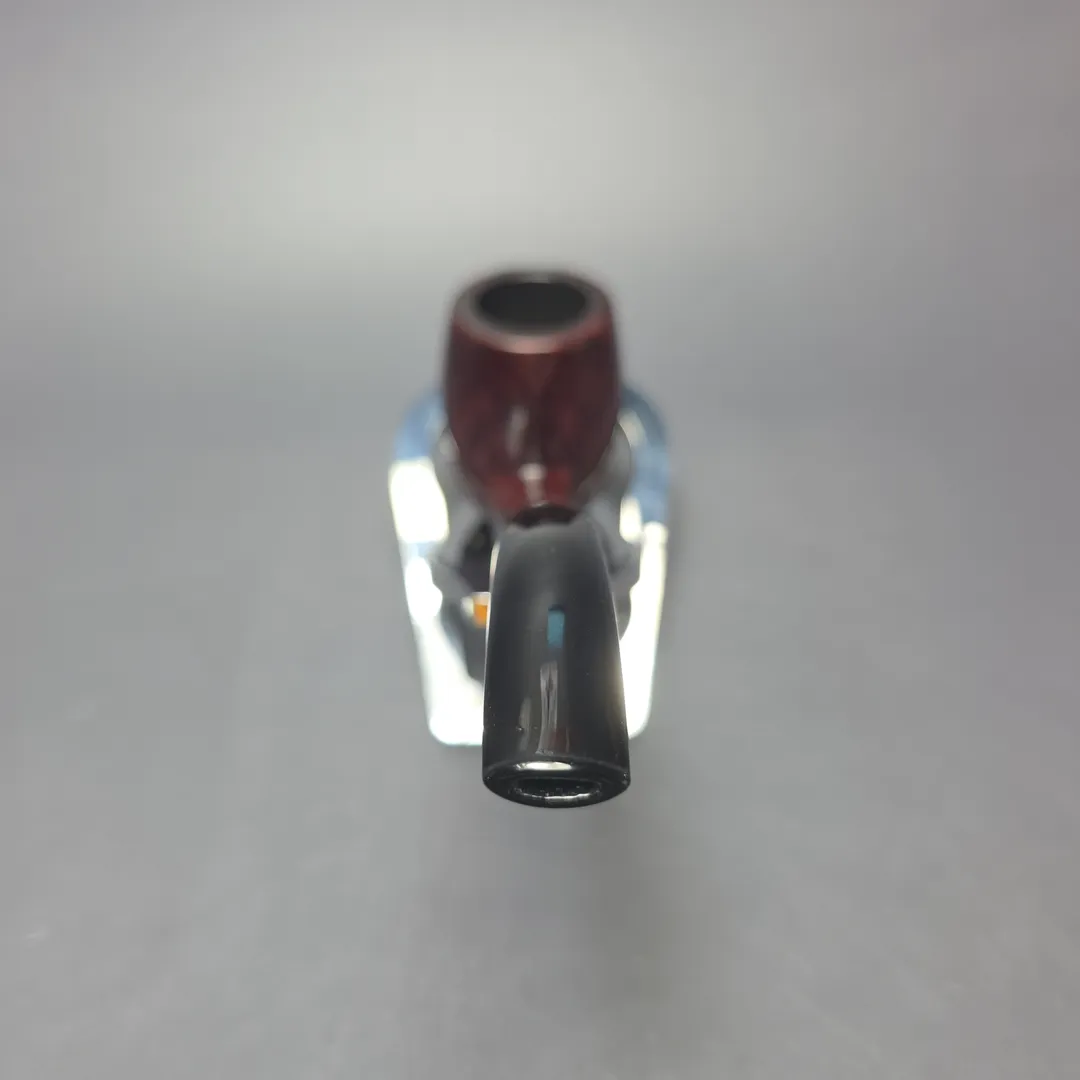
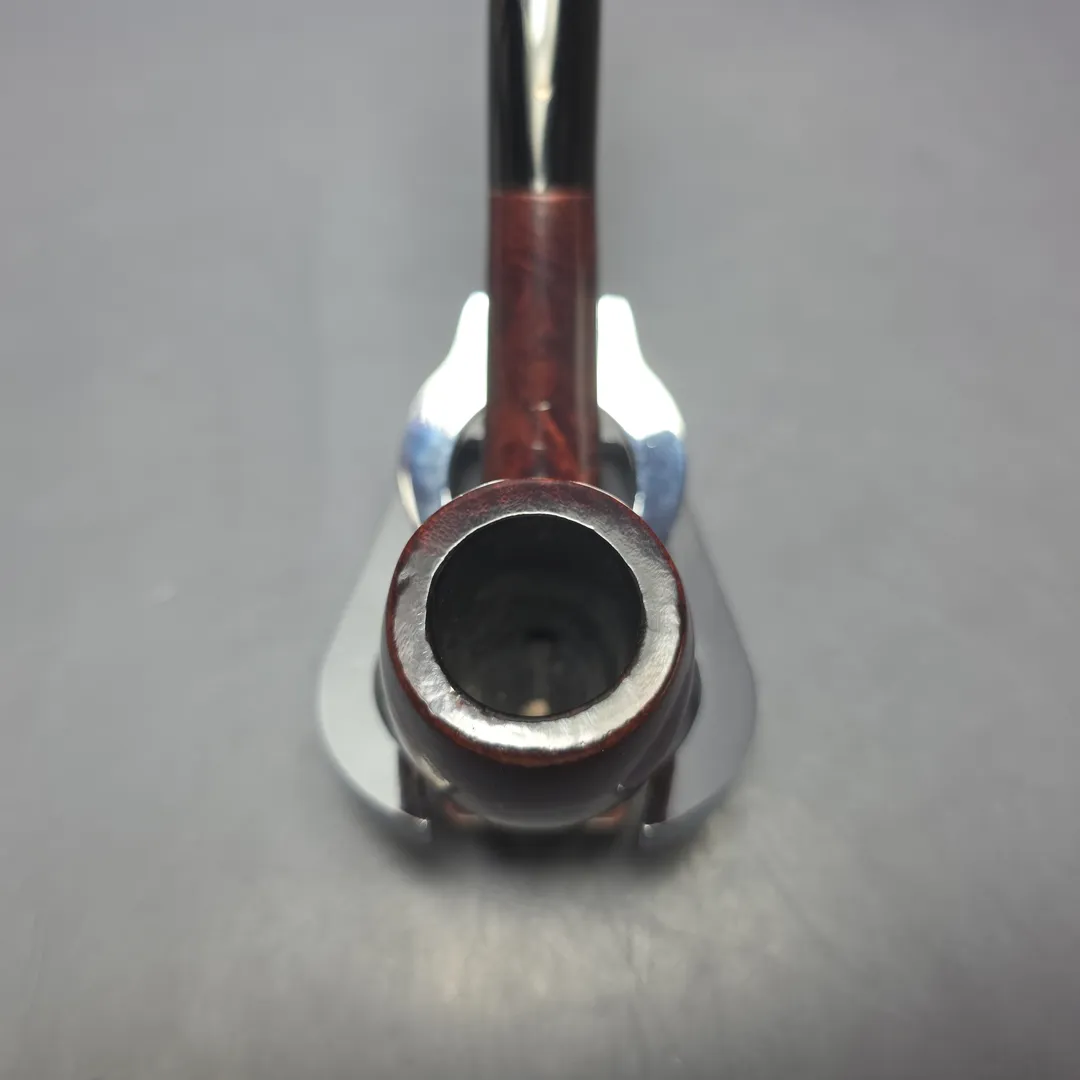
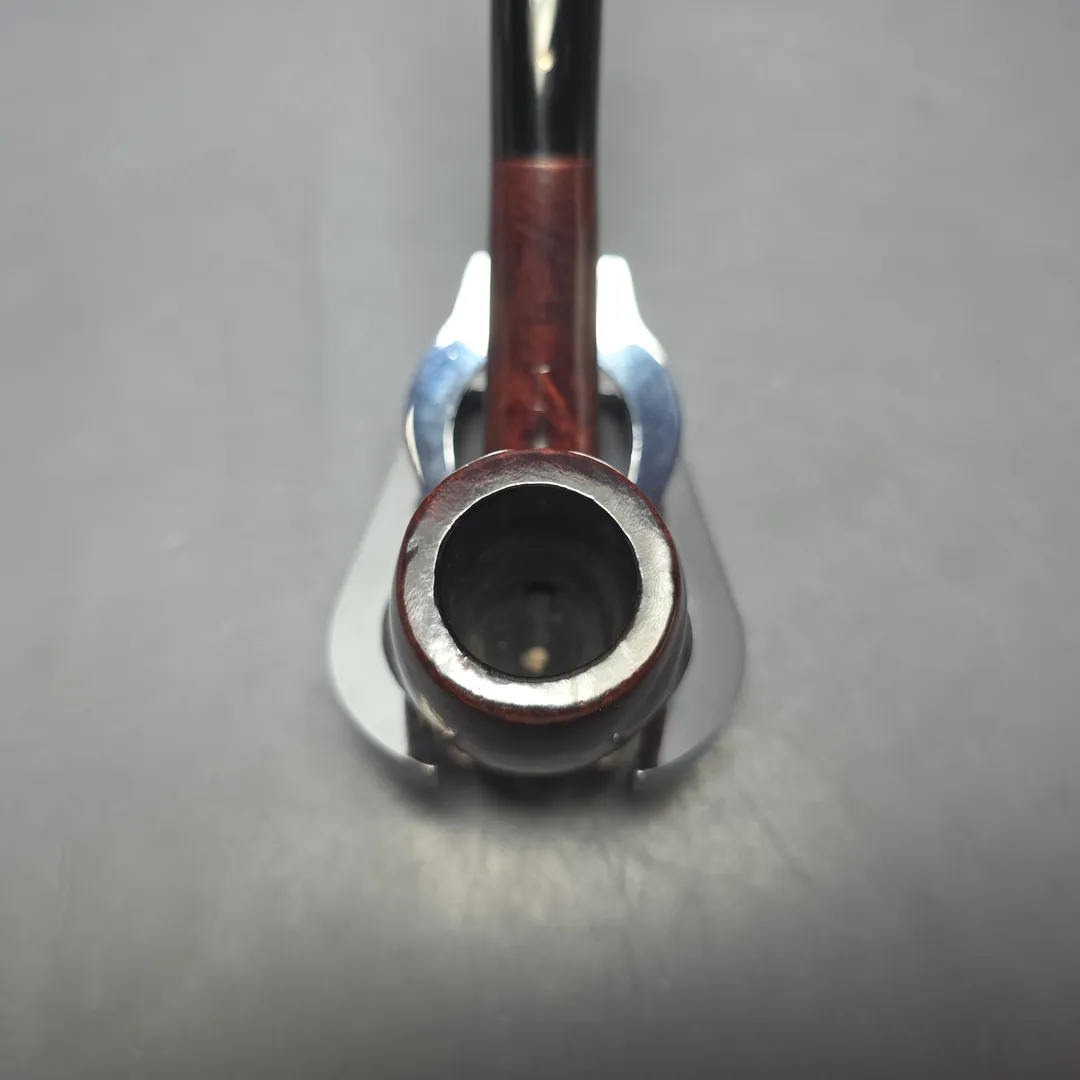
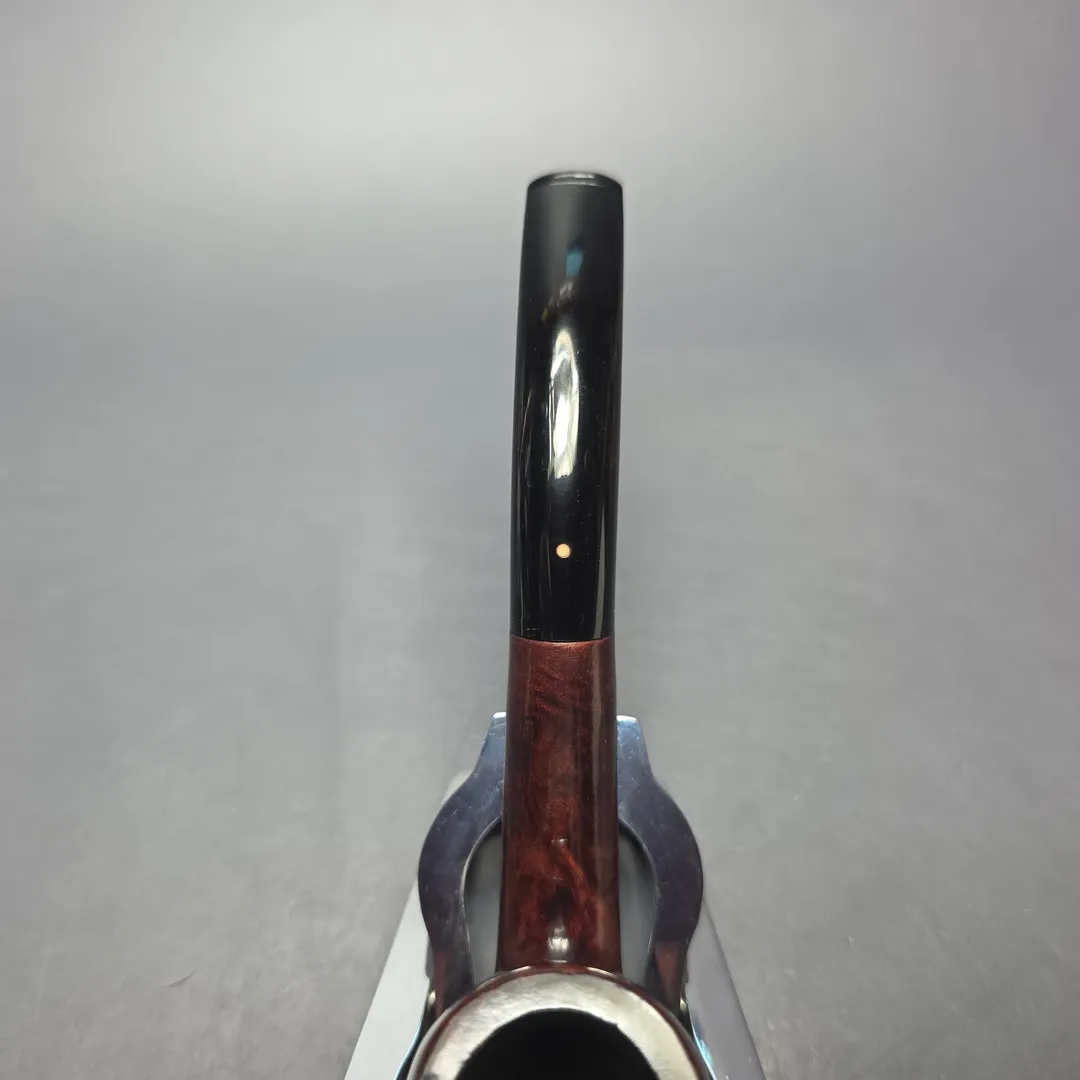
Dunhill 1920 A (Bruyere) Smooth Bent Billiard Estate Briar Pipe, English Estates
Out of stock





To veteran pipe smokers, Dunhill needs no introduction. Beginning in the first decade of the 20th century, Alfred Dunhill began selling Dunhill pipes at the tobacconist shop he owned on London’s Duke Street. Very quickly, these pipes gained the reputation of being the “Rolls-Royce” of pipes due to how expertly crafted they were. Today, Dunhill is likely Britain’s most famous pipe manufacturer, and continues to produce some of the most treasured pipes a smoker can buy.
For the last 70 years, Dunhill pipes have been exceptionally easy to date, i.e., to identify the exact year that they were made. Alfred Dunhill Ltd. has been making pipes for nearly 125 years though (though the earliest Dunhills were outsourced for manufacture), so what about the remaining 55 or so years? For the majority of those pipes, tying them to a specific year of manufacture is possible, but more complex than for the pipes that followed. These pipes belong to the “patent era,” so-called because they feature numbers indicating patents secured by Alfred Dunhill Ltd. regarding their design. But different pipes will have different patent numbers depending on aspects of their design and where they were sold. Thus, dating a patent era pipe requires identifying the specific patent number and a date code typically appended to it in order to correctly assert when such a pipe was made. However, not all patent era pipes feature date codes. These were added in 1921, but Dunhill pipes were being manufactured—as already mentioned—well before that time. For the remaining 15 years of Dunhill pipes, i.e., the earliest made, dating is even more complex, but often still possible. It does, however, require a few additional steps in one’s methodology, including a process of elimination. Given that it features a reference to a patent (though, notably, not the patent number itself), but does not feature a date code, this shape 53 is exactly the kind of Dunhill that warrants such an expanded methodology.
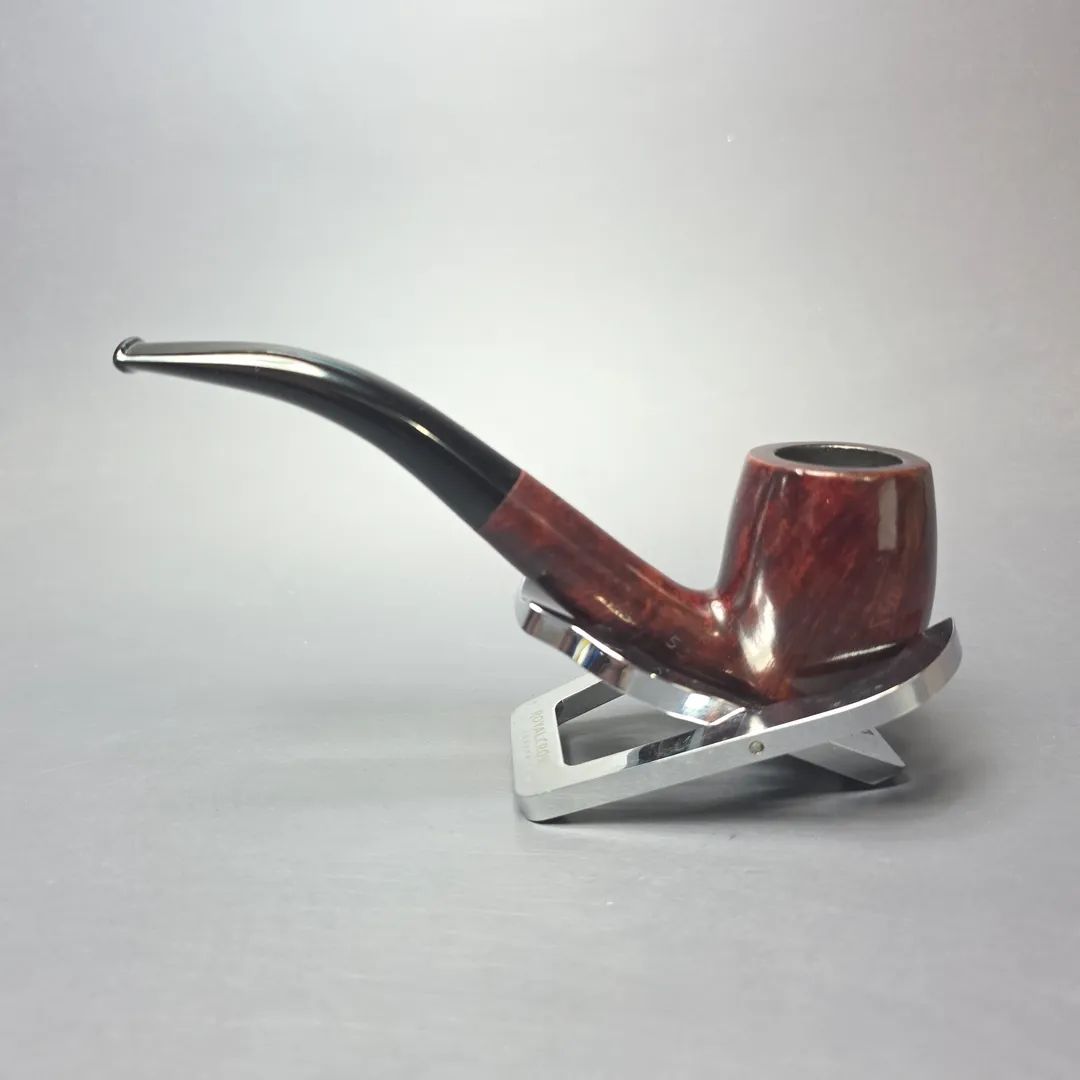
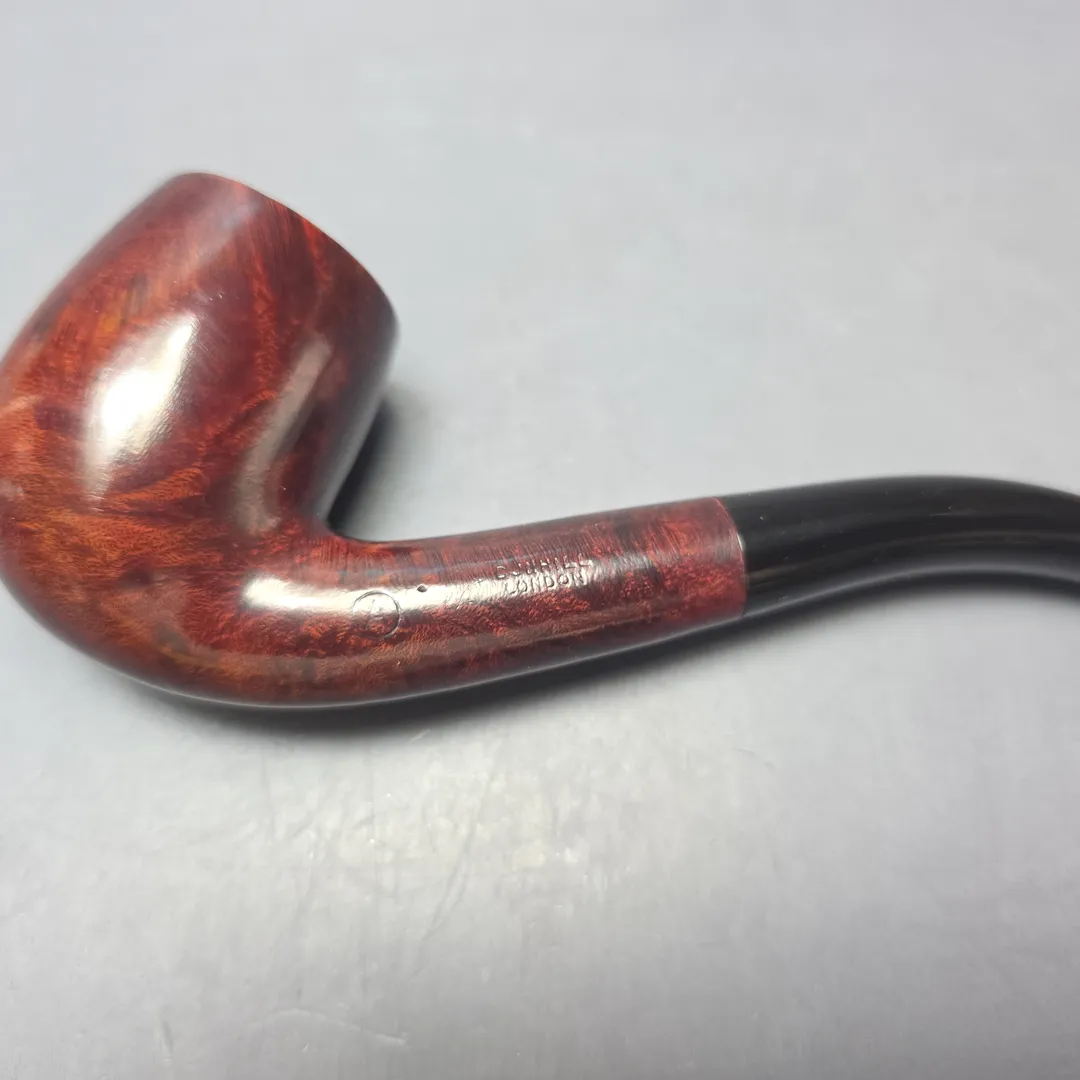
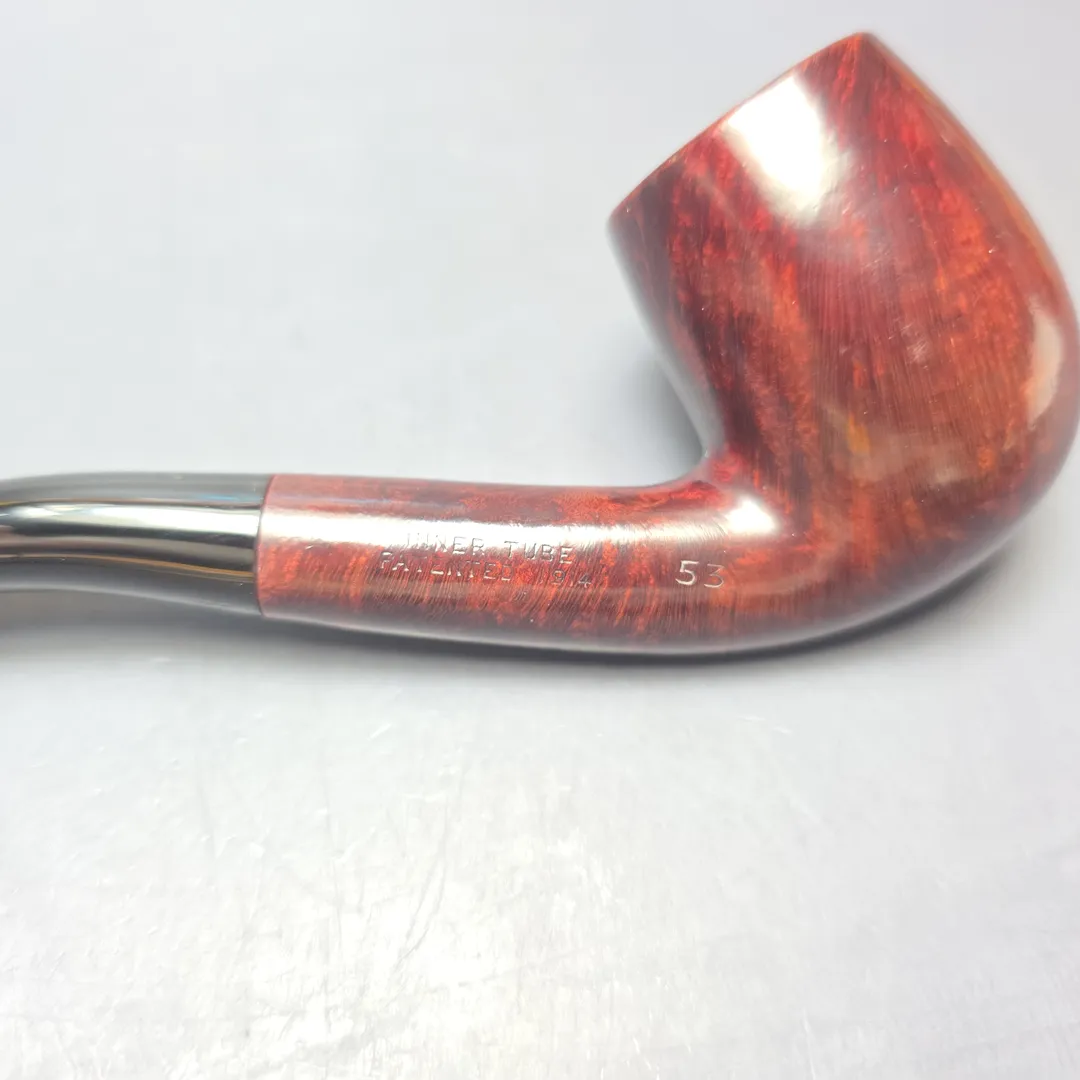
We can note, for example, that the pipe’s primary nomenclature is one of a block-letter script of “DUNHILL” over “LONDON.” This manner of reference to London was used on all Dunhill pipes between 1918 and 1954, albeit with differences in the script at different points in time. It also features an “A” stamp, which was the original means by which Dunhill’s Bruyere finish pipes were marked. Early Dunhills were not stamped with the name of their finish, but a letter code instead, such as “A” for “Bruyere,” “R” for “Root Briar,” “S” for “Shell Briar,” and so on. More importantly, however, is that the finish code on this pipe is in a circle. While the use of finish codes was practiced by Alfred Dunhill Ltd. for a long time, the company only stamped these codes in within a circle for approximately three years, 1919-1922 (later, a circle would be reintroduced into Dunhill nomenclature, but this time around a pipe’s group size). The presence of the stamping “INNER TUBE” over “PATENTED 1914” further attests to a 1919-1922 window, as this specific nomenclature, referencing the Canadian patent for Dunhill’s Inner Tube, was only in use between 1914 and 1923. Around 1921, Dunhill began adding date codes to the “PATENTED 1914” nomenclature, though it is purported that date codes were sometimes forgotten during that first (1921) year of their use.
That would narrow the pipe down to 1919-1921, provided we assume it could have been mistakenly not given a date code for the latter. There is, however, one last piece of the puzzle which should narrow things down to a single year: the “DUNHILL” script itself. The “DUNHILL” over “LONDON” nomenclature was introduced at the end of 1918, taking the form of those two words in an equal-length block-letter script. During 1919, however, this was changed to “DUNHILL” in an arched script over “LONDON.” In 1920, this was changed again to a non-arched script, but at the end of that same year, it appears that another change was made, which added serifs to the “D” in “DUNHILL.” After 1922, the stamp changed once again to a non-serif, block-letter script.
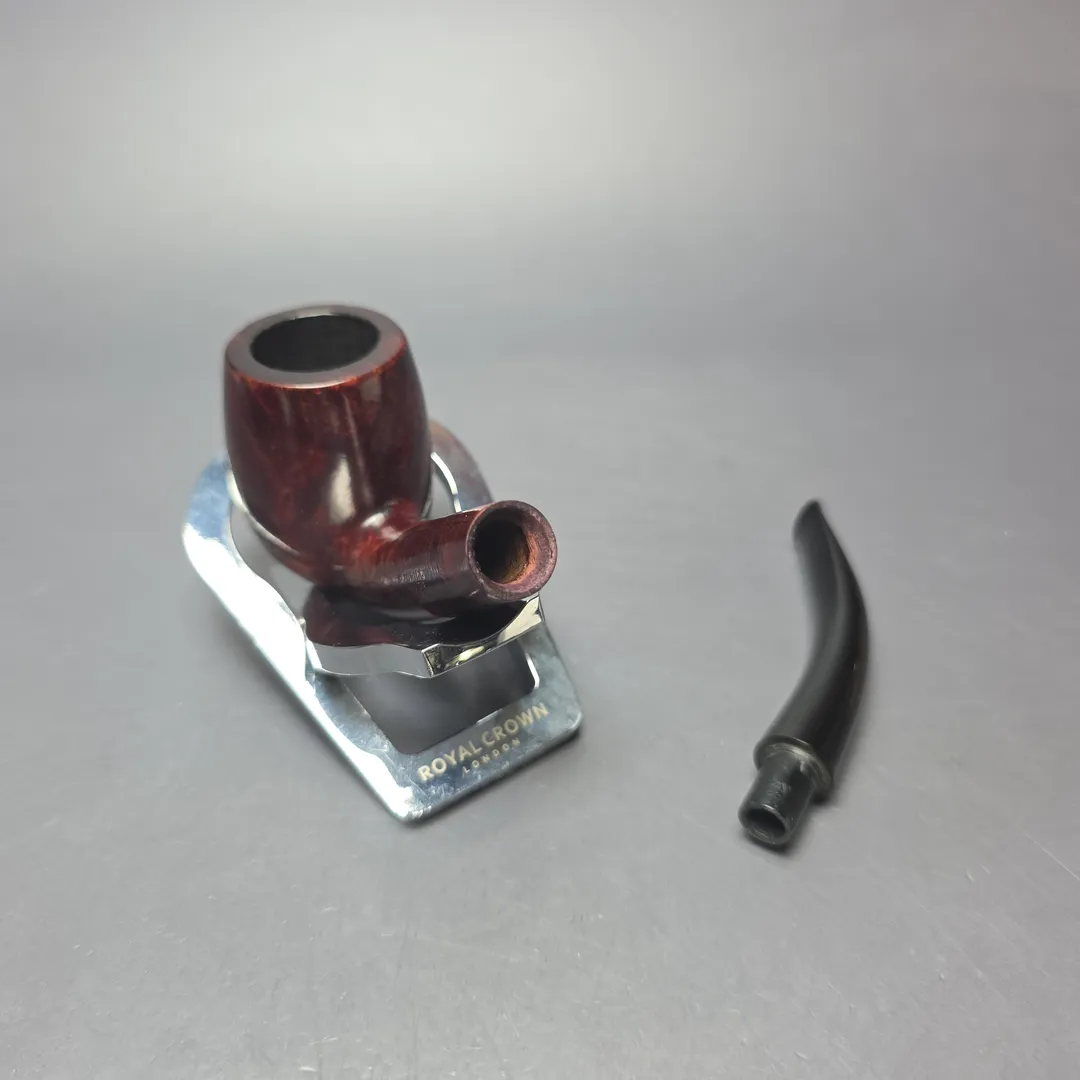
With all of that taken into account, this would appear to be a 1920 Dunhill, made at some point before December of that year, as December 1920 saw the introduction of the briefly used serif script. Dating aside, it is a very lovely pipe, taking the form of an almost swan-neck bent billiard, with a lightness and elegance typically associated with early English briars—an association that Dunhill itself played a major role in establishing.
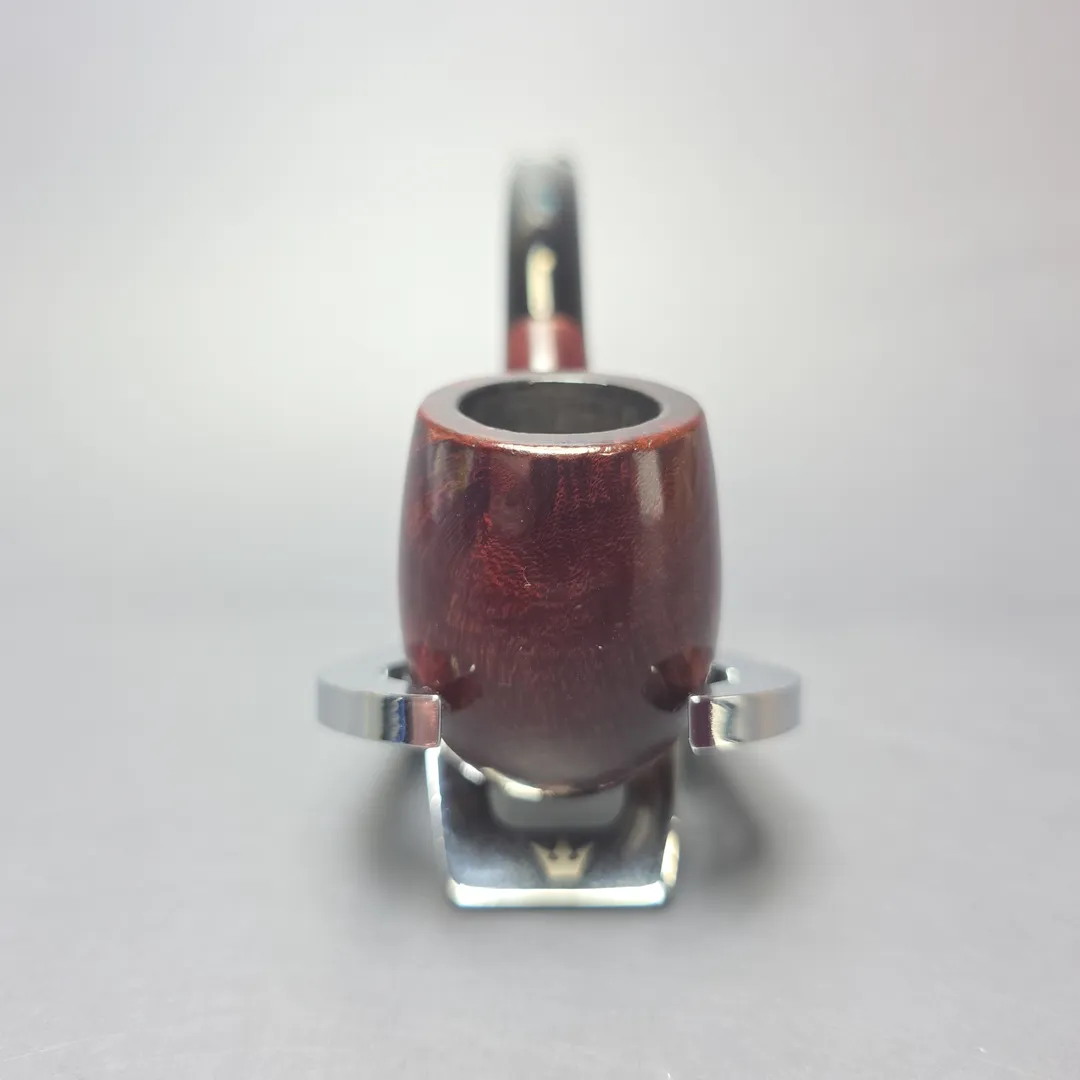
The condition is good, especially for a pipe that is now over a century old. Some charring and general wear to the rim, a few superficial scratches on the bowl, slightly worn (though very much readable) stamping.
Details:
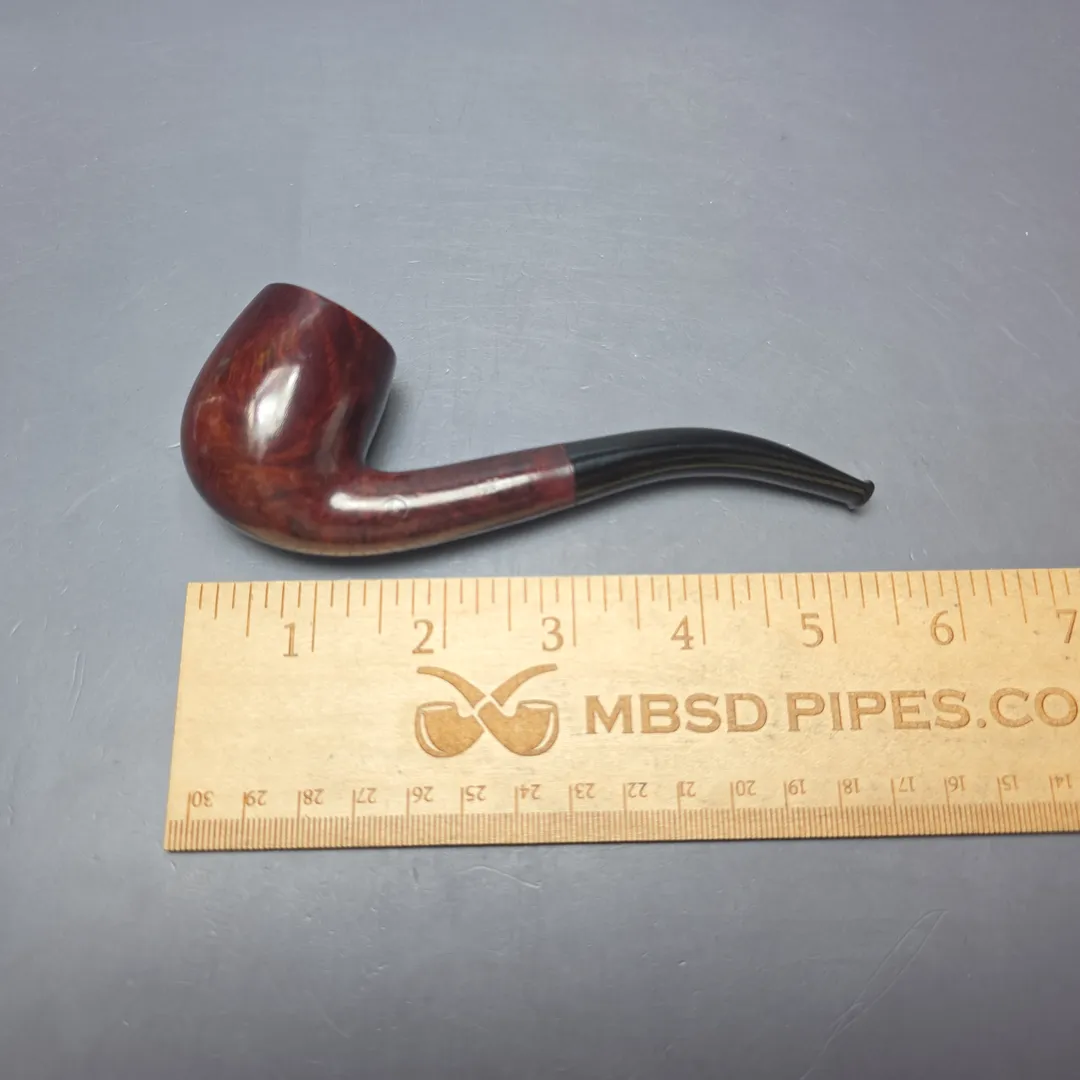
Length: 5.4″ / 137.1mm
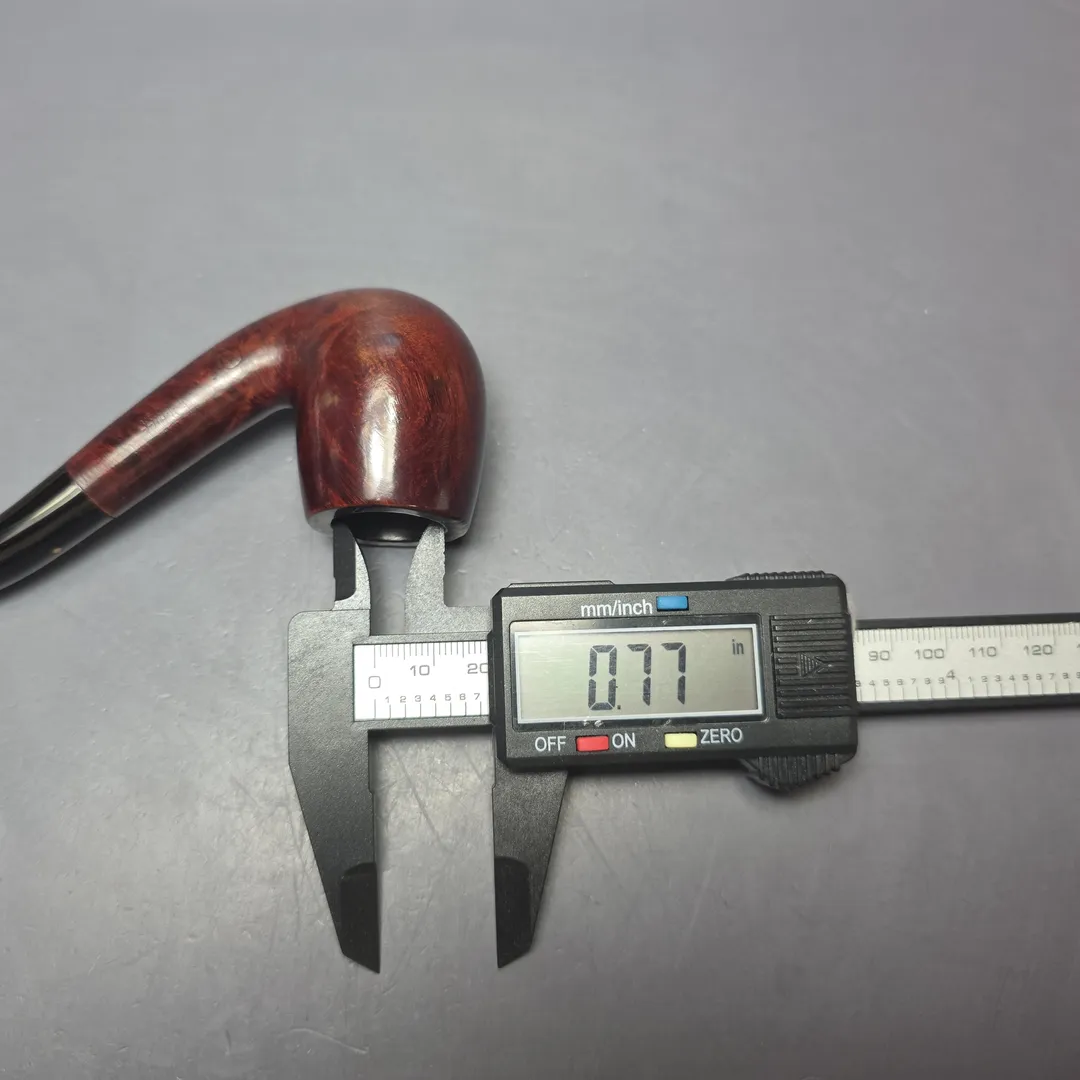
Bowl Width: 0.77 / 19.55mm
Bowl Depth: 1.62″ / 41.14mm
Weight: 1.1oz / 32g
| Weight | 15 oz |
|---|
| Condition | Used |
|---|---|
| Notes | Refurbished. |


