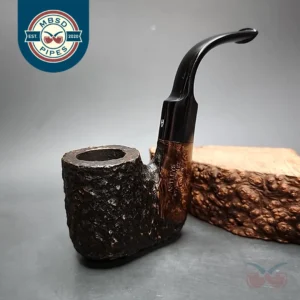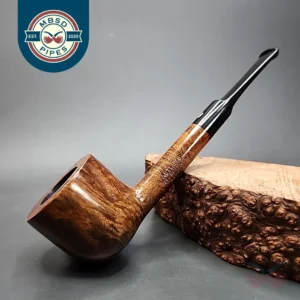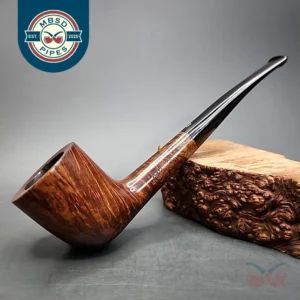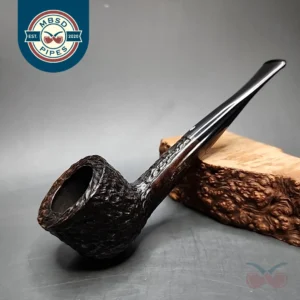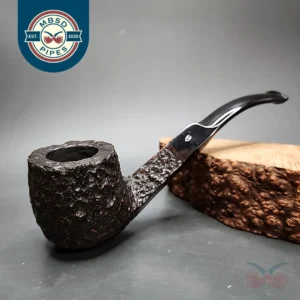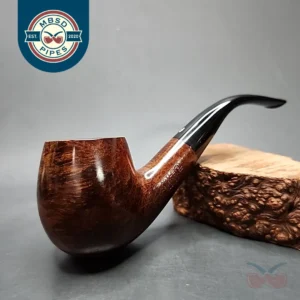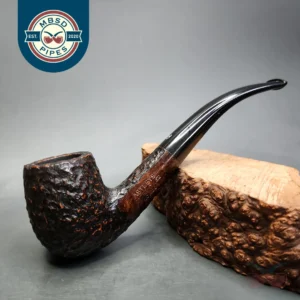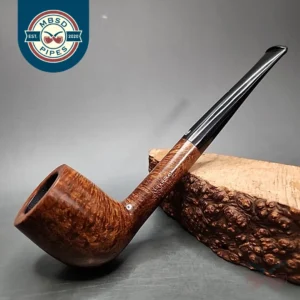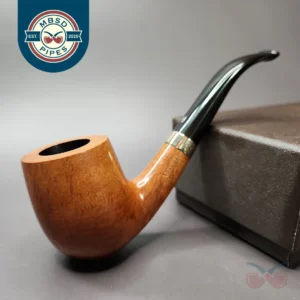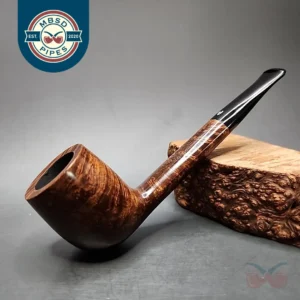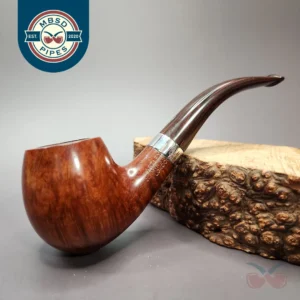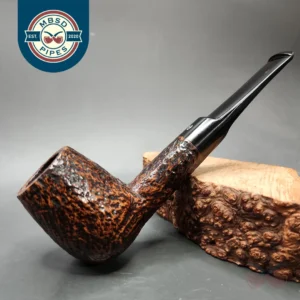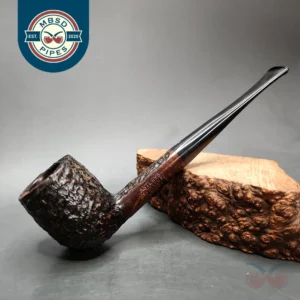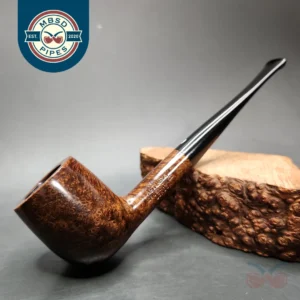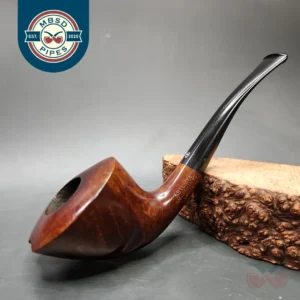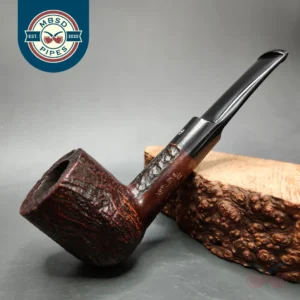
Showing 1–50 of 157 resultsSorted by latest
-
SOLD!
-
SOLD!
-
SOLD!
-
SOLD!
-
SOLD!
-
SOLD!
-
SOLD!
-
SOLD!
-
SOLD!
-
SOLD!
-
SOLD!
-
SOLD!
-
SOLD!
-
SOLD!
-
SOLD!
-
SOLD!
-
SOLD!
-
SOLD!
-
SOLD!
-
SOLD!
-
SOLD!
-
SOLD!
-
SOLD!
-
SOLD!
-
SOLD!
-
SOLD!
-
SOLD!
-
SOLD!
-
SOLD!
-
SOLD!
-
SOLD!
-
SOLD!
-
SOLD!
-
SOLD!
-
SOLD!
-
SOLD!
-
SOLD!
-
SOLD!
-
SOLD!
-
SOLD!
-
SOLD!
-
SOLD!
-
SOLD!
-
SOLD!
-
SOLD!
-
SOLD!
-
SOLD!
-
SOLD!
-
SOLD!
-
SOLD!
Astleys Tobacco Pipe FAQ
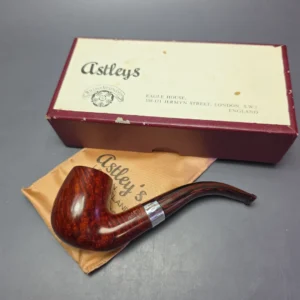
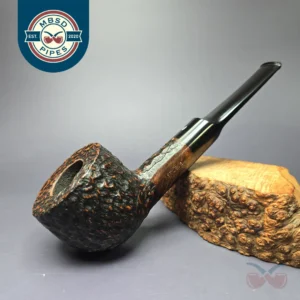
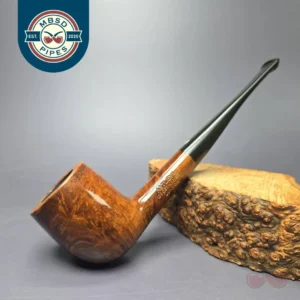
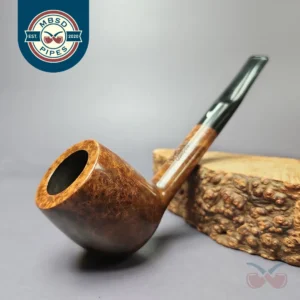
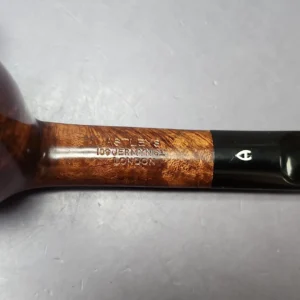
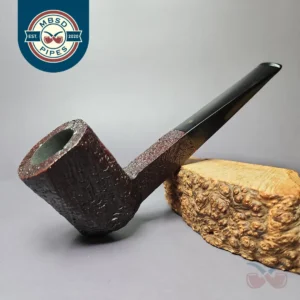
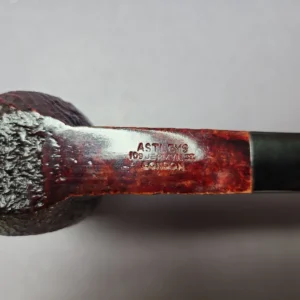
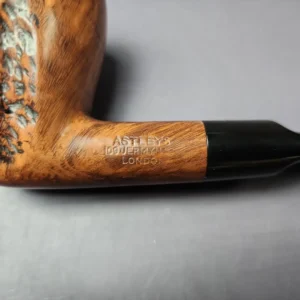
Astley’s was a prestigious London tobacconist founded in 1862. Its shop at 109 Jermyn Street became known for supplying carefully selected pipes and tobacco products to discerning customers, including members of London society and visiting collectors.
No. Astley’s was a retailer rather than a pipe factory. The company commissioned tobacco pipes from respected English makers and workshops, which produced pipes carrying the Astley’s name.
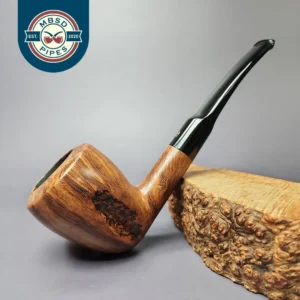
Astley’s pipes have been associated with makers including Charatan, James Upshall, Bill Taylor of Ashton, and Les and Dolly Wood of Ferndown, among others. The maker responsible for an individual Astley’s pipe can vary according to its production period, construction, and finish.
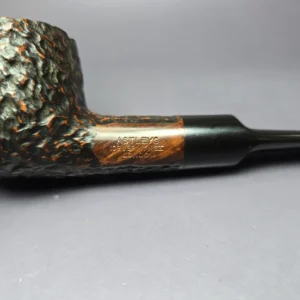
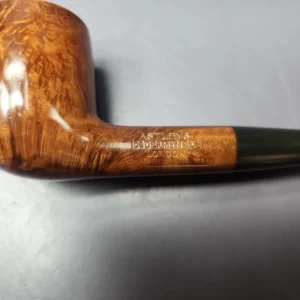
Shaping is often the best way to determine who made an Astley’s pipe. Bowl proportions, shank treatment, stem profile, and the transition between each element can reveal the recognizable hand or workshop behind it. These characteristics can be compared with documented examples from makers such as Ferndown, Ashton, Charatan, or James Upshall. Nomenclature, silverwork, stem details, rustication, and drilling provide additional evidence, although not every Astley’s pipe can be conclusively attributed.
Les and Dolly Wood produced pipes for Astley’s that were essentially comparable to their Ferndown work. Les Wood explained to MBSD that Astley’s owner Paul Bentley would select pipes from his workshop and ask that they be finished and stamped for Astley’s.
Read the full story in MBSD’s interview, “From Dunhill to Ferndown: An Interview with Les Wood.”
Astley’s tobacco pipes combine the history of a celebrated London shop with the craftsmanship of several respected English makers. Collectibility depends on the attributed maker, production period, shape, finish, condition, rarity, and preservation of the original stem and nomenclature.
Most Astley’s pipes offered by MBSD are estate pipes. At MBSD, classification is based on provenance rather than whether a pipe has been smoked. An unsmoked Astley’s pipe acquired from a collector or another secondary-market source is therefore classified as an unsmoked estate pipe.
MBSD acquires Astley’s pipes through collectors, estate collections, private purchases, and our customer trade-in program. Because these pipes were produced by different workshops over many years, availability and maker attribution can vary considerably.
Have an Astley’s pipe or another English tobacco pipe you are ready to trade? Visit our smoking-pipe trade-in program to learn more and submit your pipes for evaluation.
Review the pipe’s shape, dimensions, finish, nomenclature, stem condition, chamber condition, and any available maker attribution. Since the Astley’s name was used on pipes from multiple workshops, the photographs and description in each MBSD listing are especially important.
Get first look at new arrivals
Pipes sell fast. Our Monday newsletter rounds up last week's additions and previews the week ahead. One email a week, unsubscribe anytime.