Artisan Spotlight: Getting to know Chris Herriot
|
|
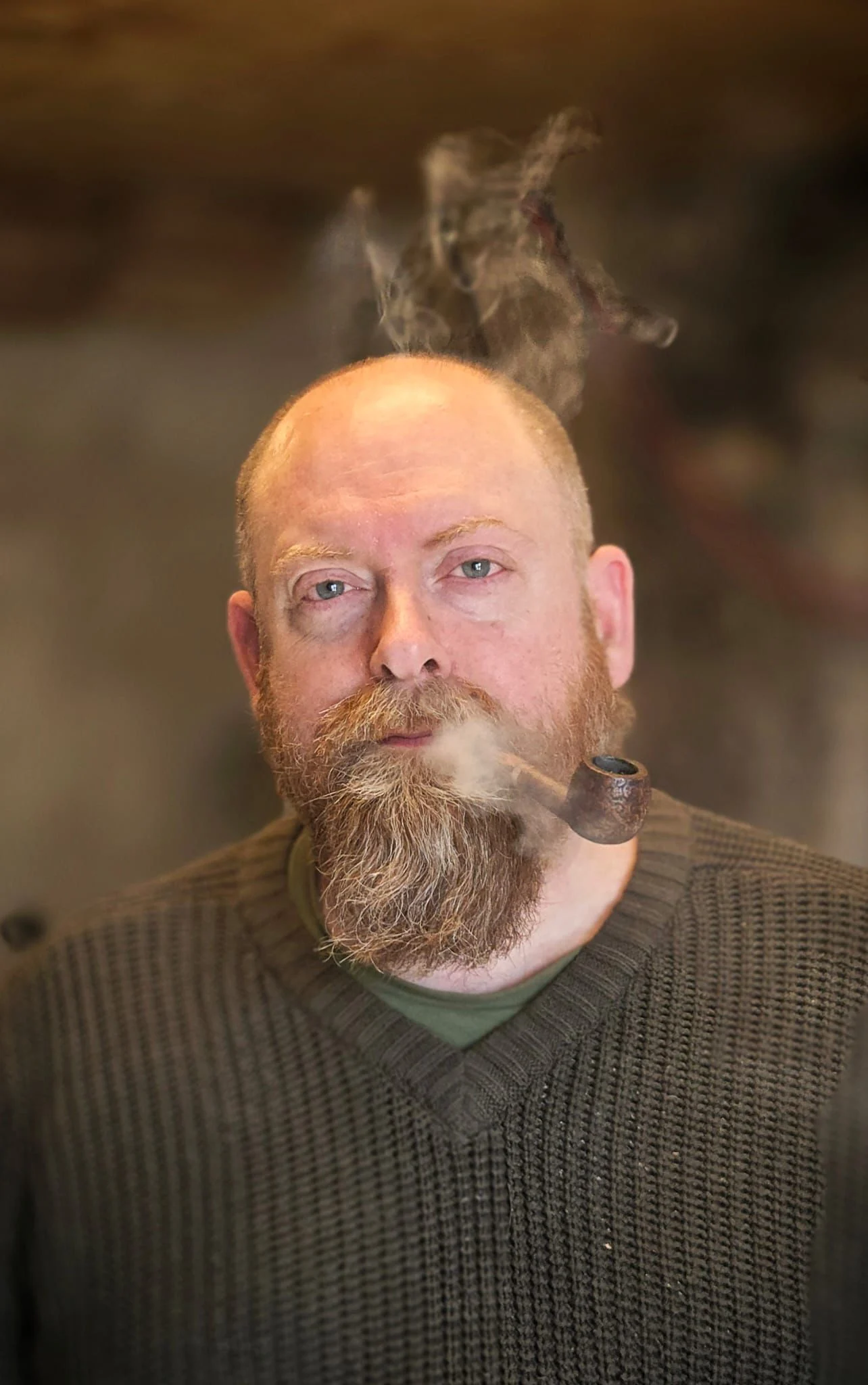
For this week’s Artisan Spotlight, we sat down with the British-born artisan Chris Herriot for a short Q&A to help you get to know the man behind Herriot Pipes. Chris originally took up pipe making in 2020, starting out under the Oiseau Briars brand, before switching to Herriot Pipes. He is currently based in the south of France and an inducted member of the country’s historic and selective Confrérie des Maîtres Pipiers de Saint-Claude.
You can find our currently available selection of Herriot Pipes by clicking here.
What first got you into making pipes?
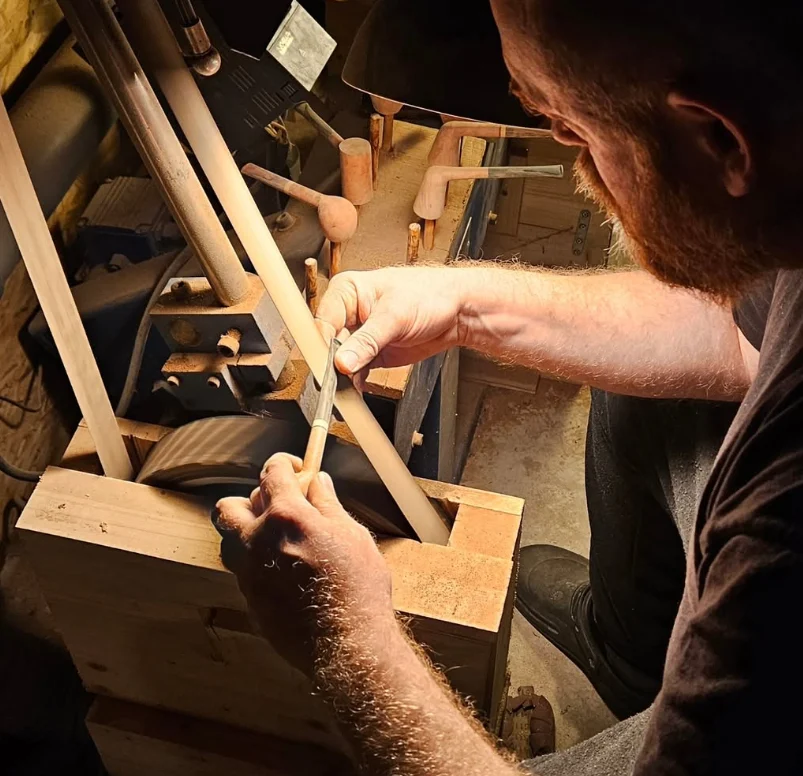
I was wanting to do something during the pandemic, and I’ve always liked working with my hands, especially woodworking, so thought I’d give it a go. I really liked it, and I was posting about the learning process on social media a lot. That’s when Chris Kelly [of Eldritch Pipes] reached out and we got talking about techniques and materials. He was really generous with advice and feedback, which was definitely helpful early on.
Do you remember the moment you realized pipe making might become more than a hobby?
After meeting Bruno Nuttens. I went down to Saint-Claude and ran into him there, and we hit it off very quickly. He invited me to spend a few days in his workshop, which later turned into a full-on apprenticeship. He’s been my mentor ever since, as well as a great friend, and is a big part of why pipe making became a full time thing for me.
What does your current pipe rotation look like? Is there a pipe in your rack that you reach for for more than the others?
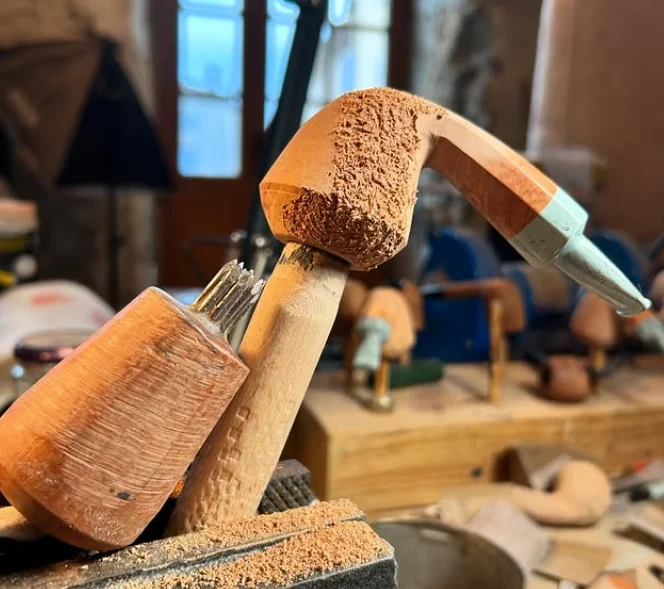
I smoke the pipes I can’t sell! Blocks with faults become my shop pipes. I smoke my little shop Apple mostly. It’s great for a short smoke between tasks.
What kinds of blends do you enjoy most?
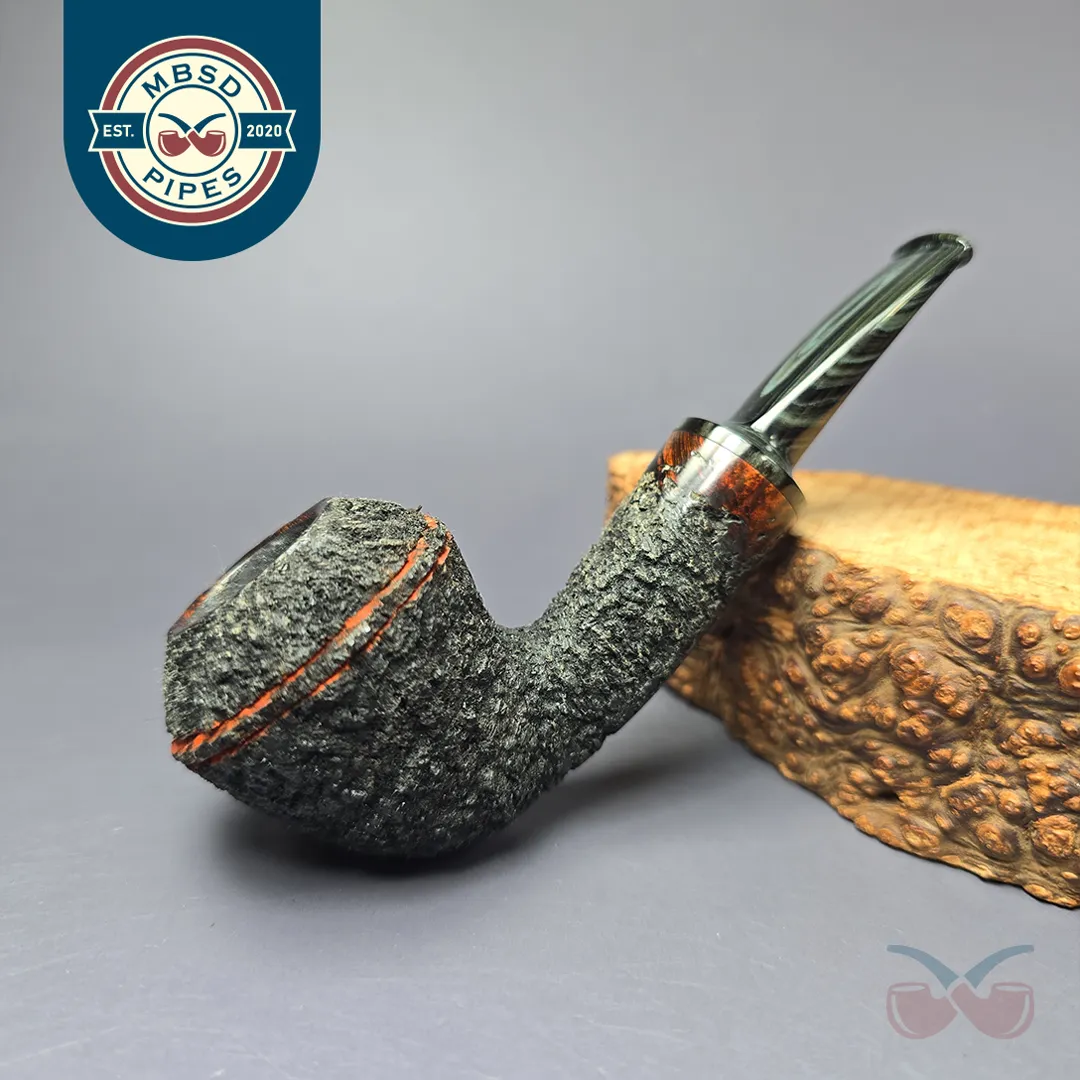
I like most things, but I definitely love oriental blends and VaPers.
Do you tend to pair certain pipes with certain blends?
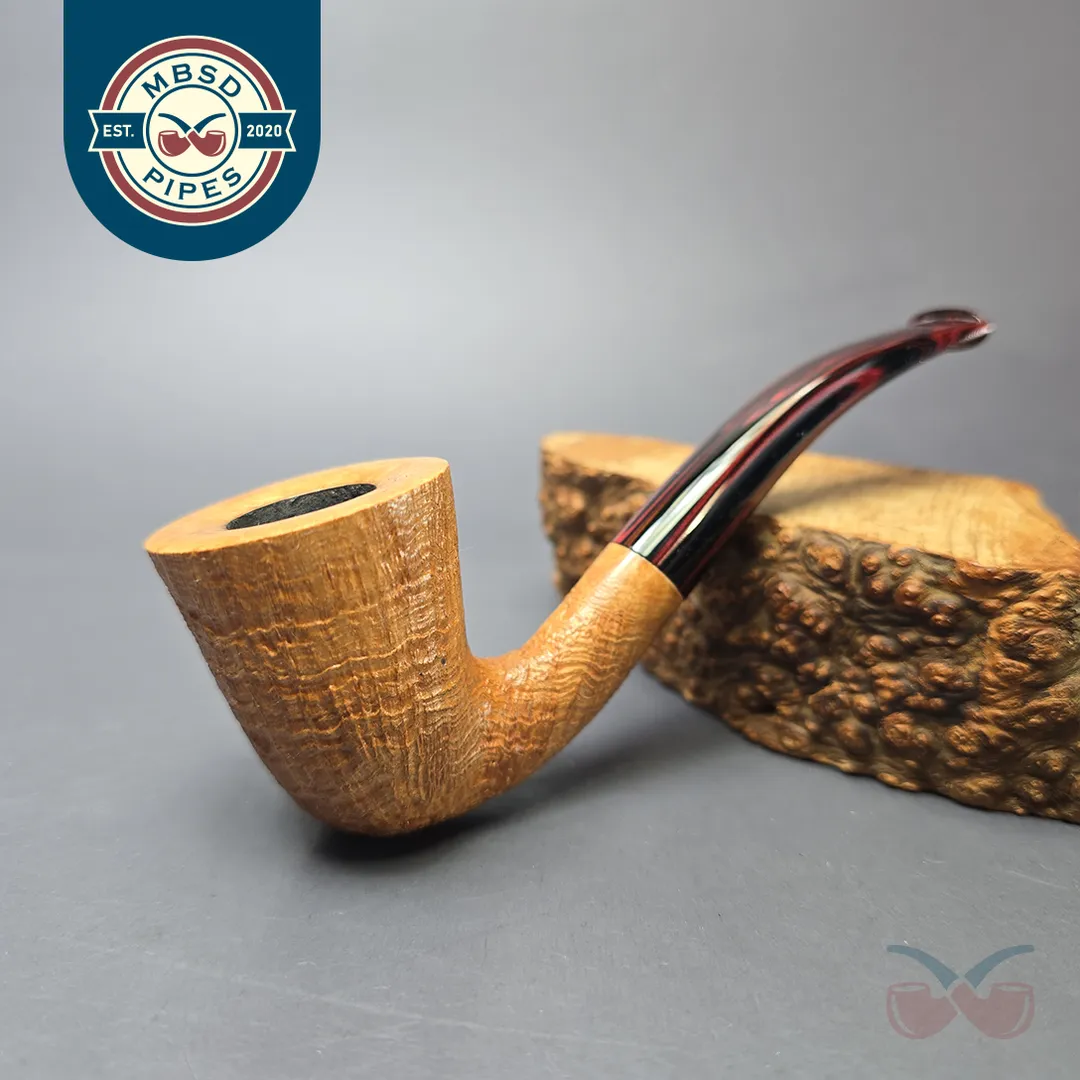
No. The only pipe that I have that is dedicated to anything is the Lovat I smoke Lakelands in. I don’t want to ghost all my pipes!
Outside of pipe making, how do you like to spend your spare time?
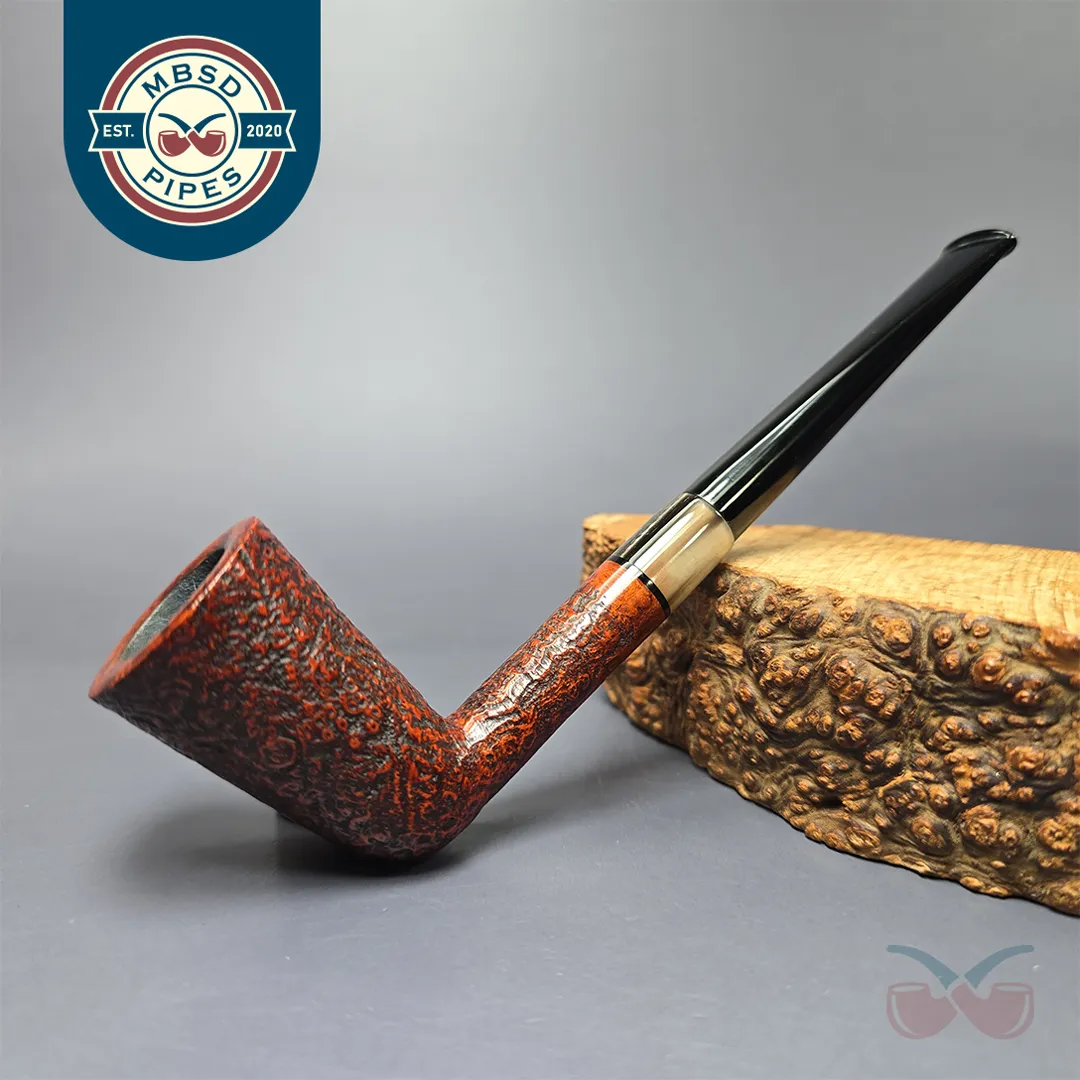
I love cooking and gardening. And because I live in a small village, so all my neighbors and I get together from time to time. I enjoy that a lot.
What’s something about you that might surprise people who only know your pipes?
I used to manage large nightclubs back in the UK. It’s been a total change of lifestyle becoming a pipe maker.
What pipe makers have served as inspiration for your work?
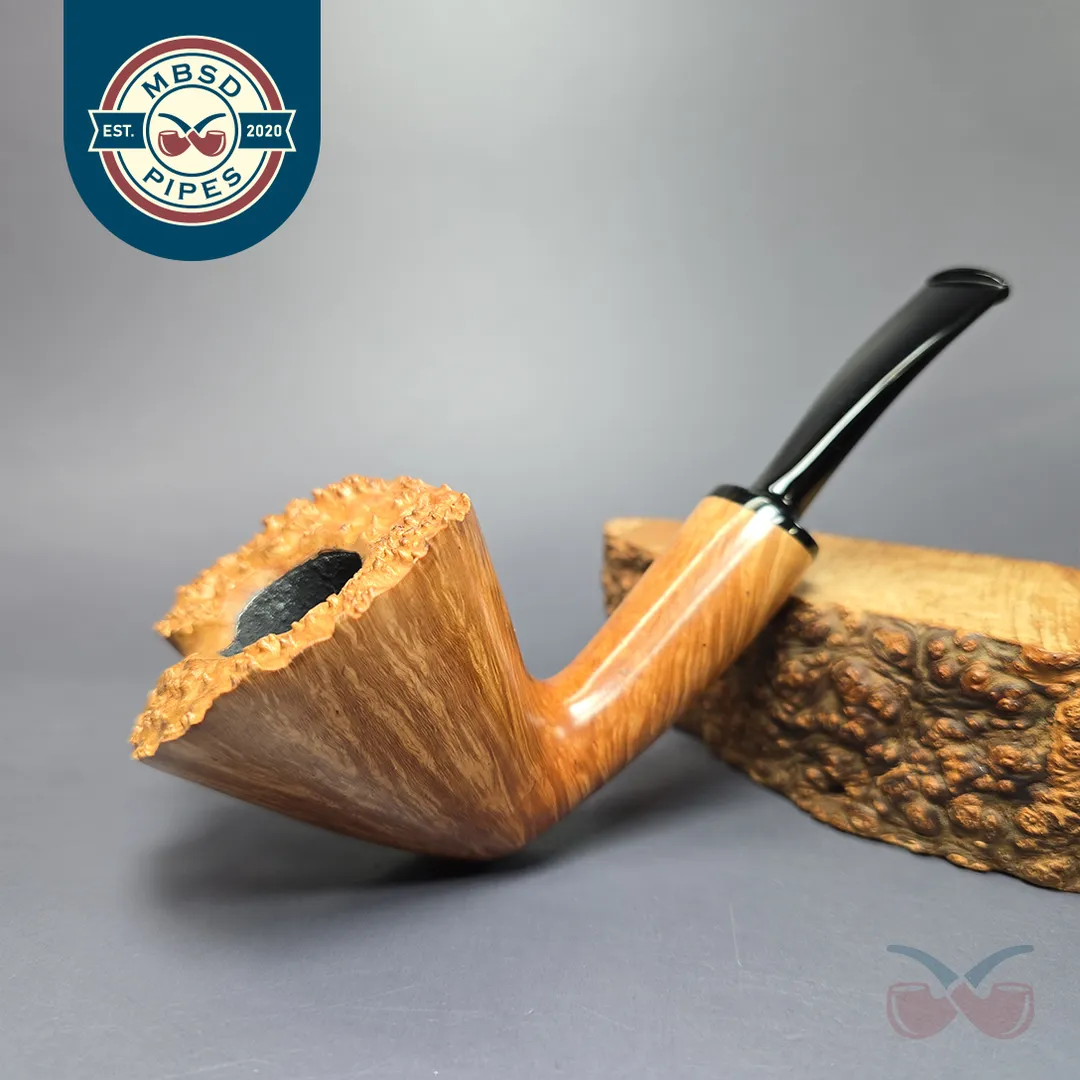
Bruno Nuttens and Tom Eltang. I’ve worked with Bruno as an apprentice for a long time, and more recently I’ve been with Tom Eltang in his worksop, learning the principles of freehand pipe making. That’s opened up a lot of new avenues for me style wise.
What part of the pipe making process do you enjoy the most?
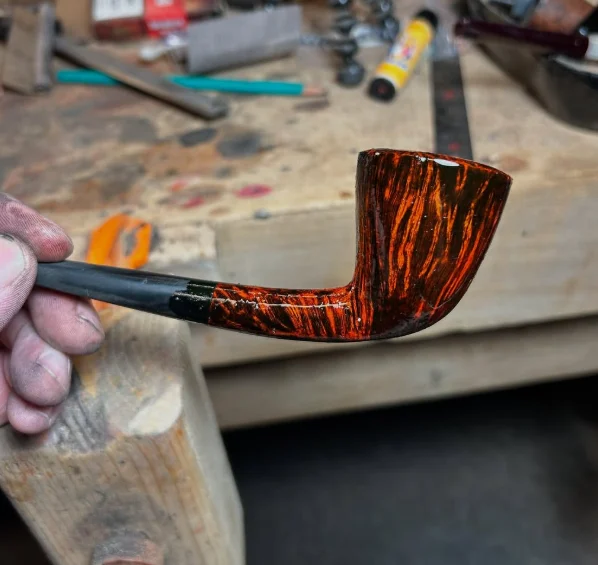
I think after all the hard work, the moment the oil goes on to a smooth pipe and reveals the true quality of the grain is hugely exciting and satisfying.
What details do you care most about that you hope smokers notice over time?
The comfort of the bit and the draw quality. For me these really come first when I think of my customer.
What goals do you have for your pipe making in the future?
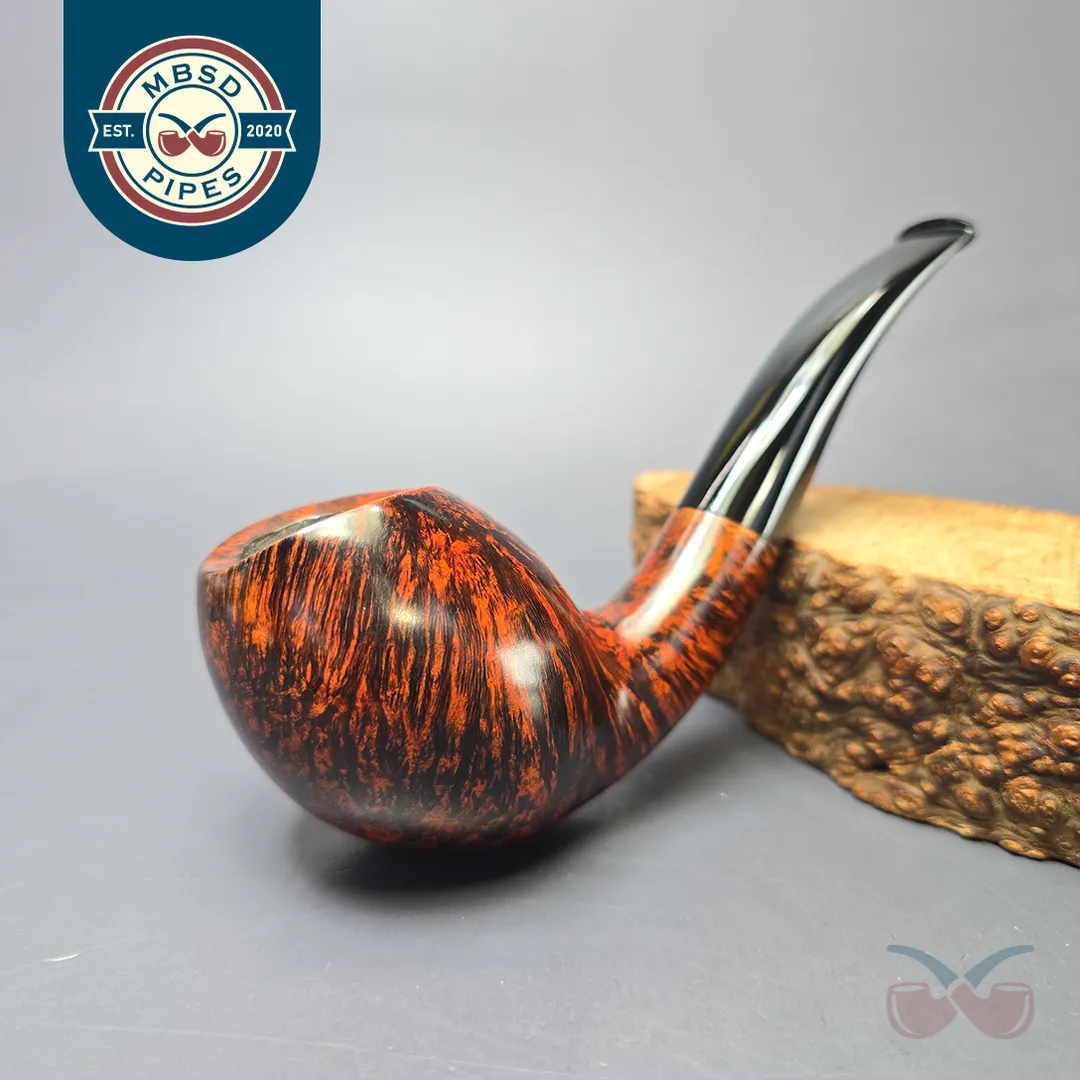
To expand my freehand shaping technique. I’m hoping to be seeing Tom [Eltang] again to build on that aspect more. With freehand shaping, it’s definitely changed my outlook. I separate the two styles in my mind to be honest with you, because the process is completely different. Classics, you start with a shape in mind and try to stay very close to the form. Freehand shapes I start with no expectation of form other than choosing the orientation of the block. So with the completely different approaches I end up with two different styles at the moment. I’m hoping they will move closer together at some point. I enjoy nerding out on the classic shapes and I enjoy the liberty afforded with free hands. For example I’ve just started making blowfish, which I had never even considered before.
One Comment
In short order, I have collected 3 Herriot pipes. They are all top tier – some of the highest quality pipes with superb craftsmanship and an exquisite attention to detail.